
 Calendar 2024
Click here for the calendar index, year by year.
This year, I'm just going to take photos when I want to!
Click on photos for large version.
- January - February - March - April - May - June - July - August - September - October - November - December - Temperatures for year -
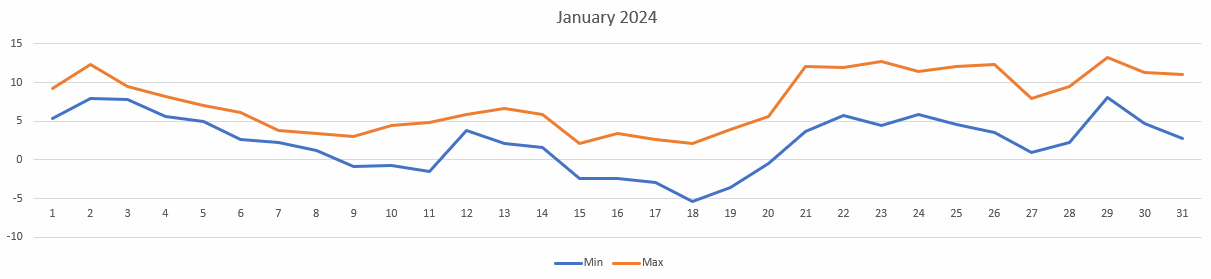 |
February |
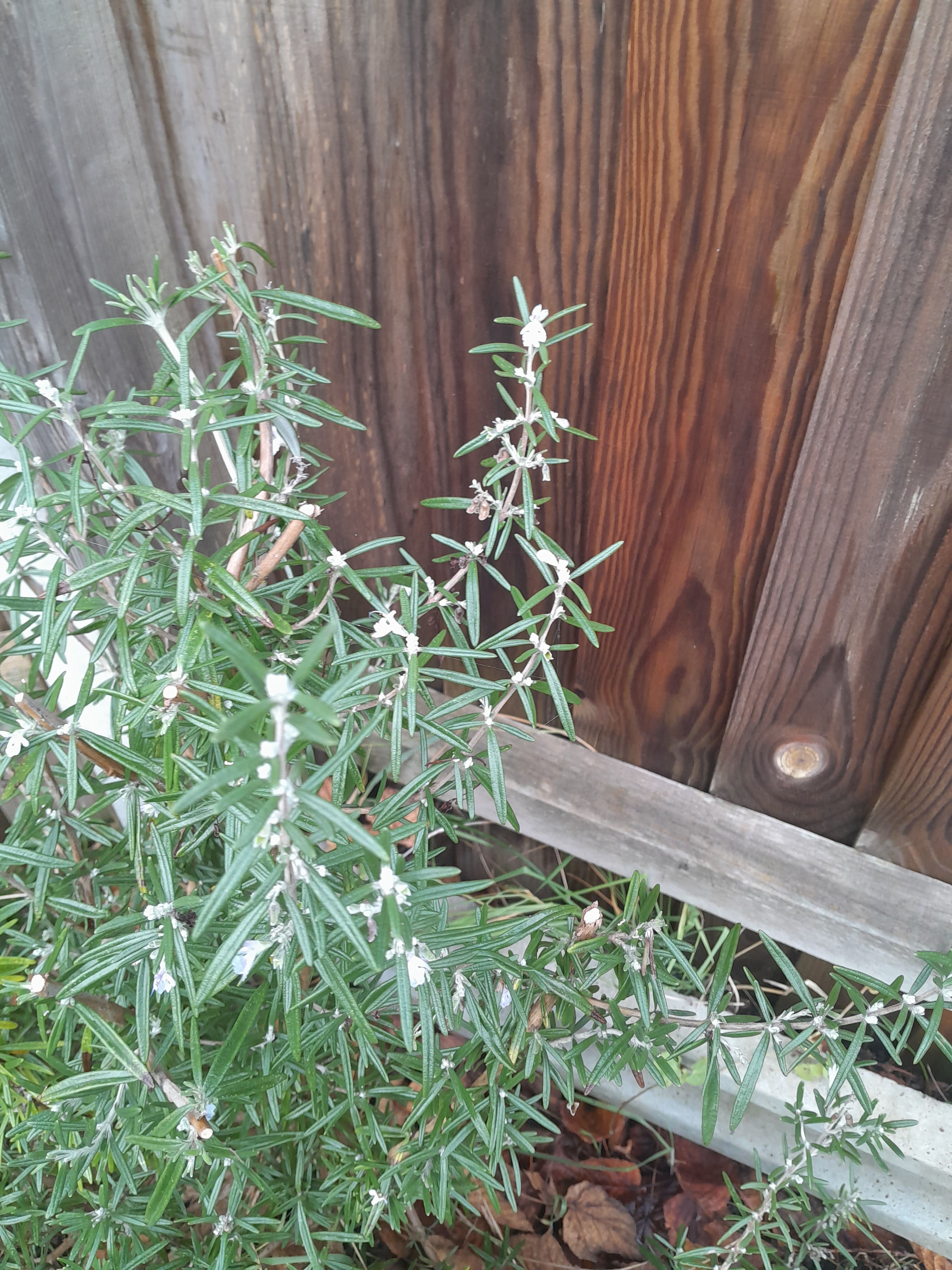
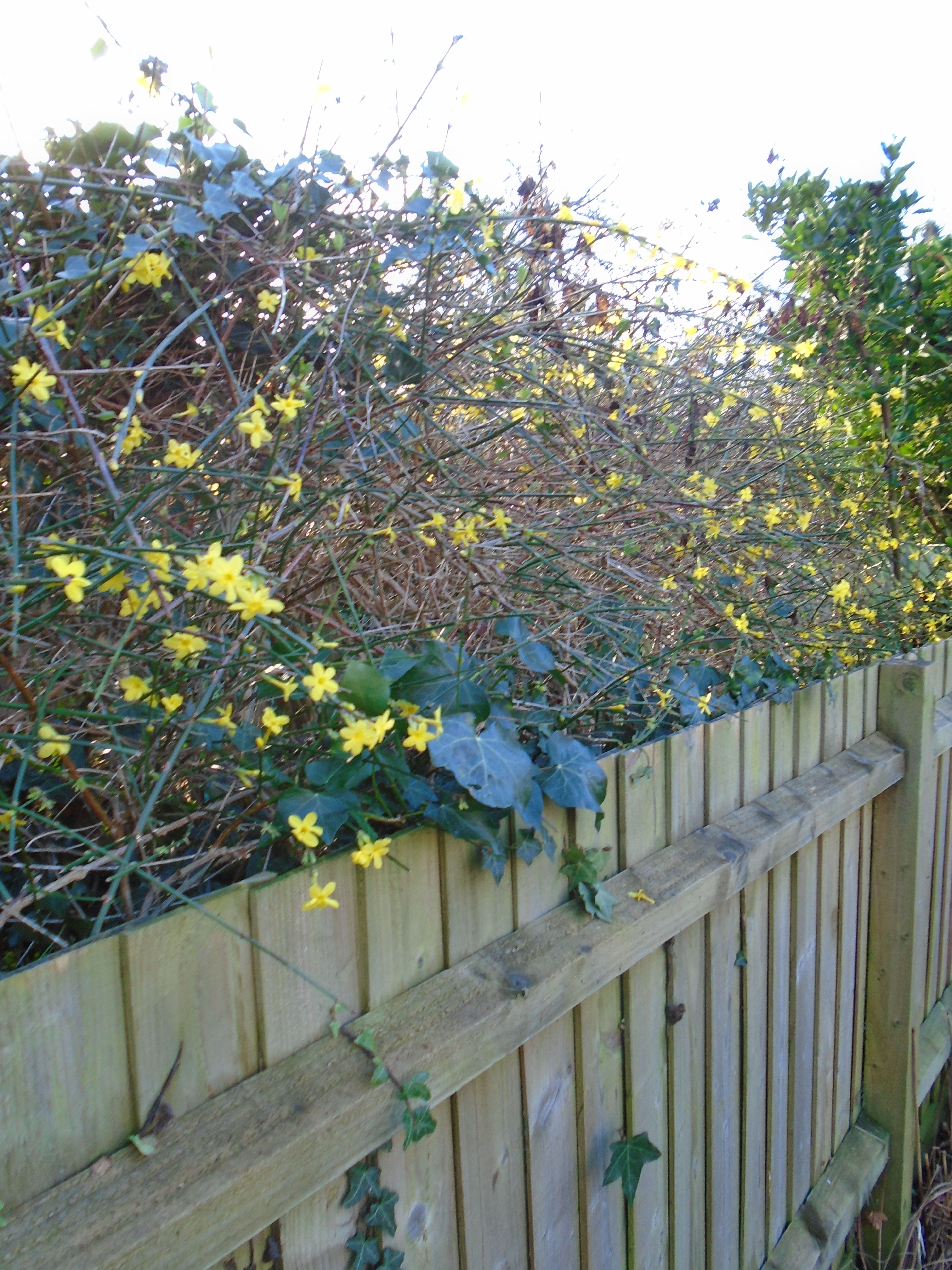
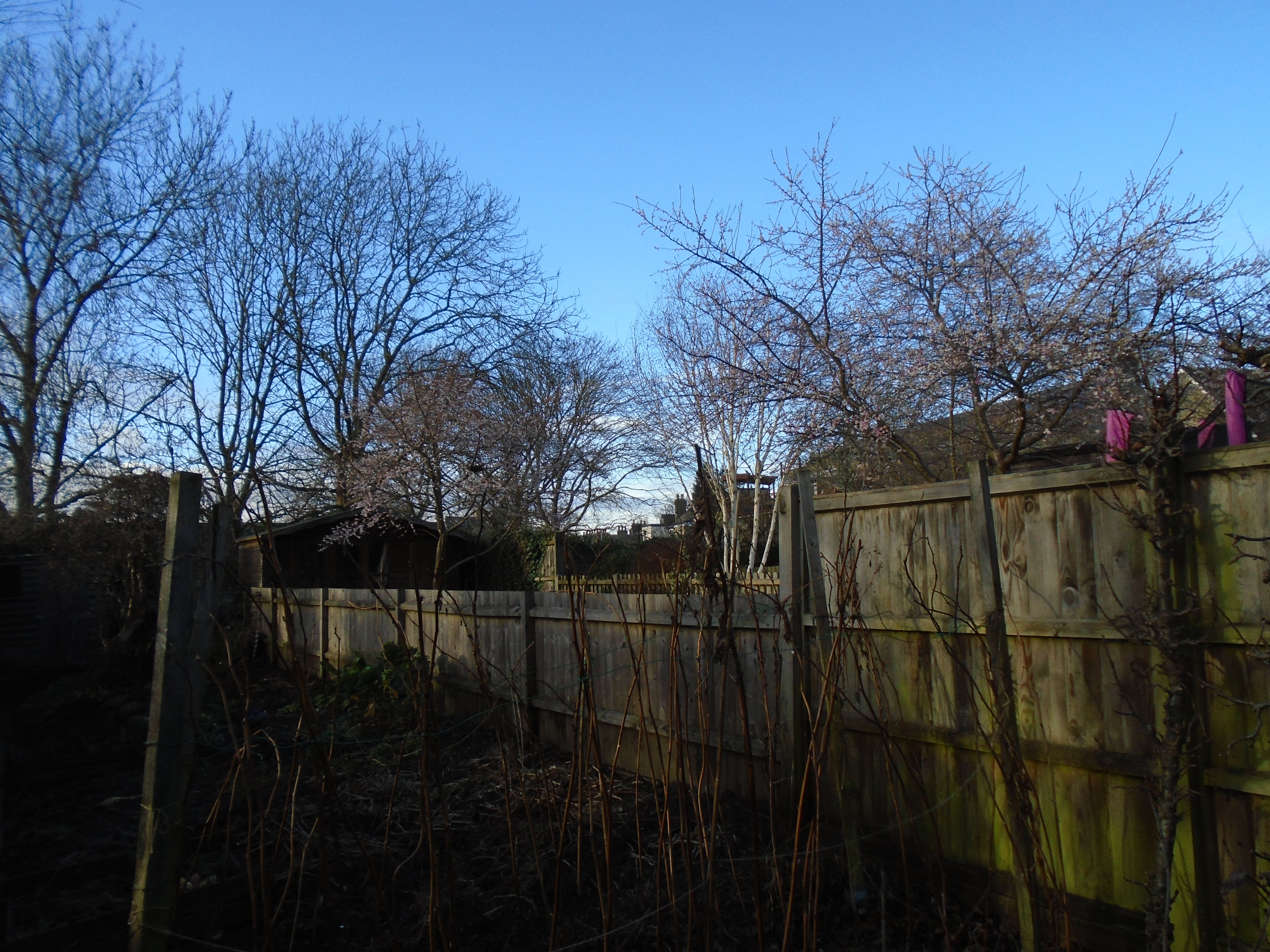
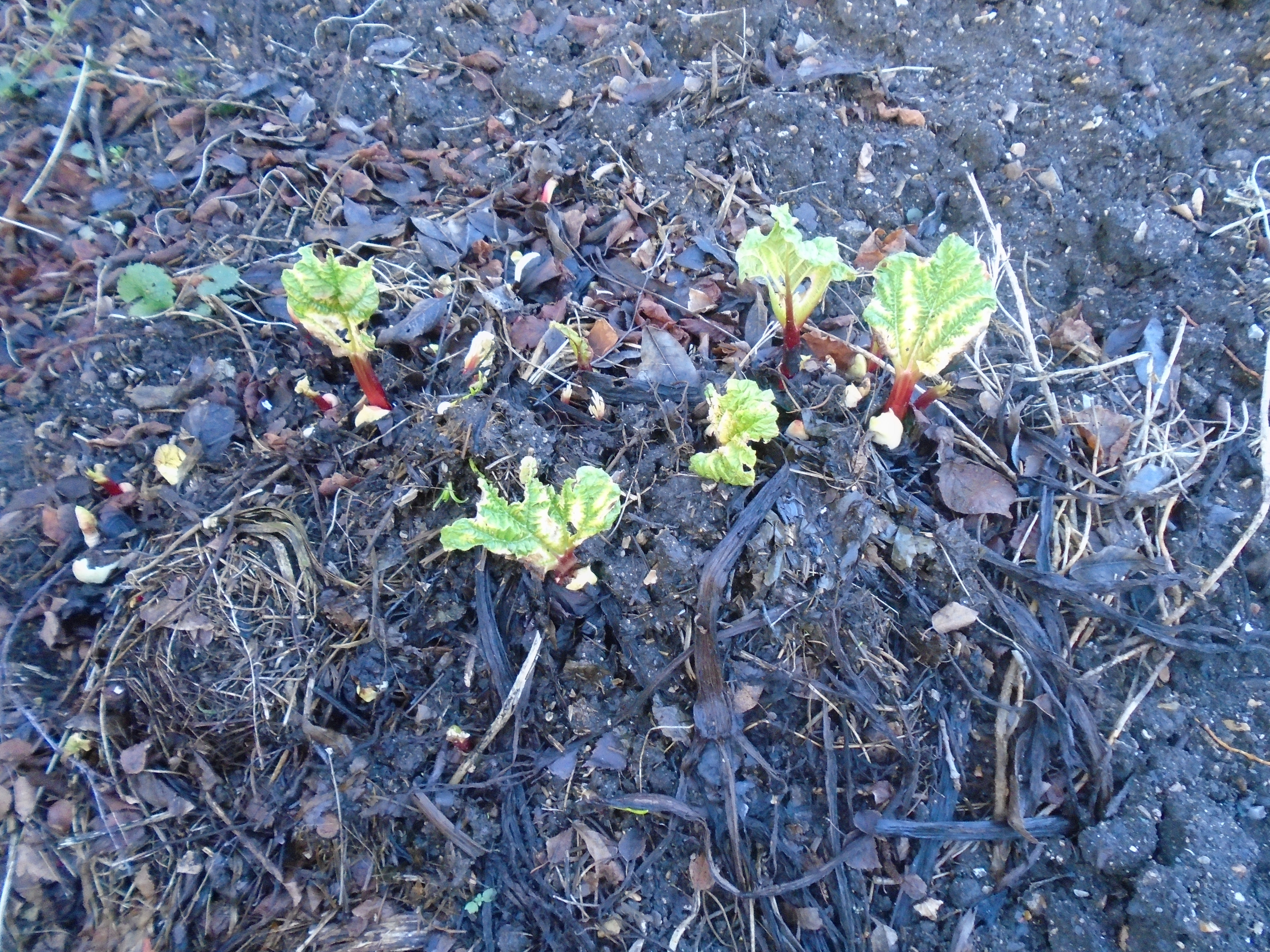
Jan 3: Neighbours have winter jasmine and cherry trees in flower. All we can manage is rosemary. Rhubarb has started sprouting (again)!
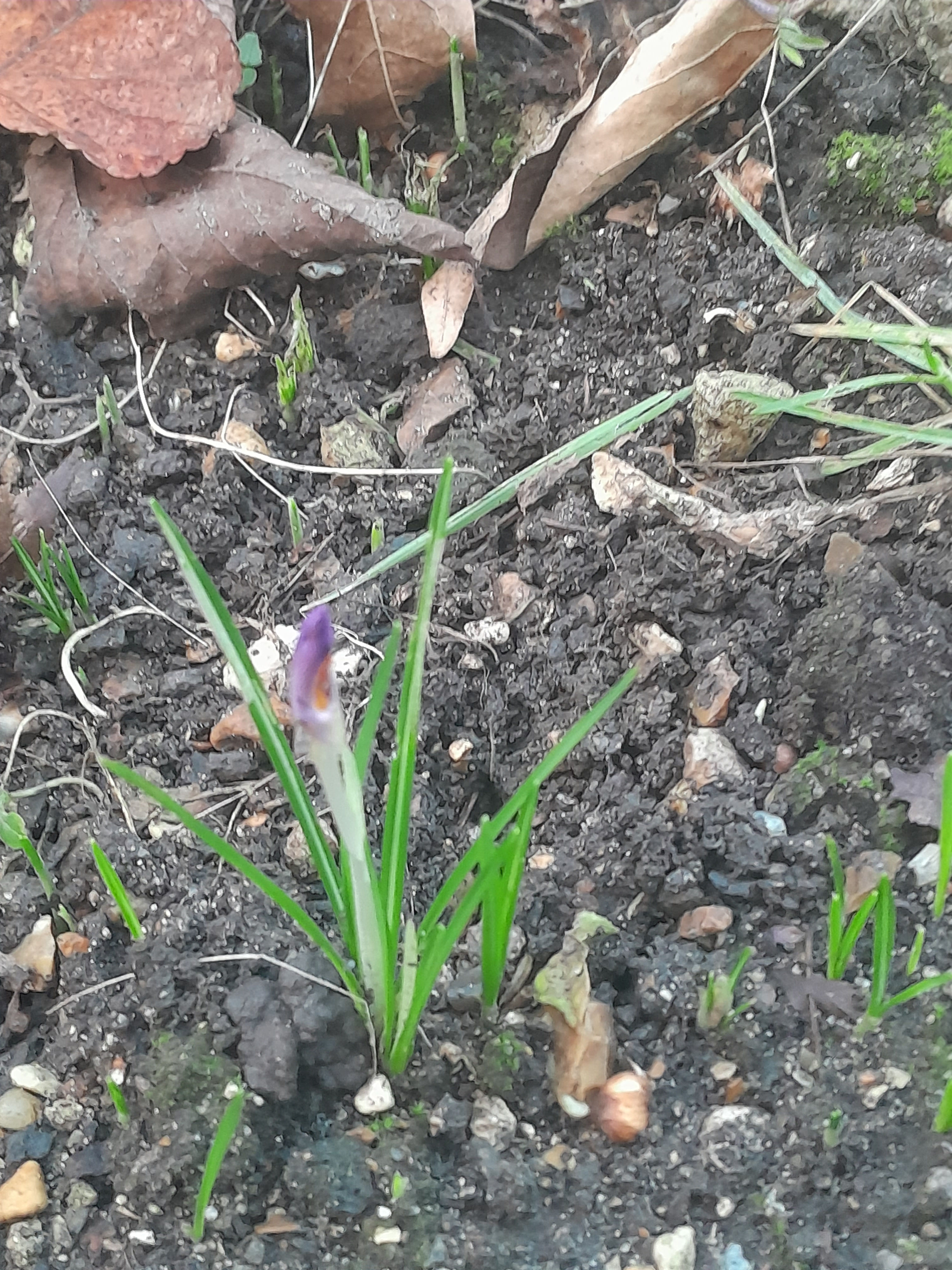
Jan 13: First crocus flowering, although it's probably regretting it...
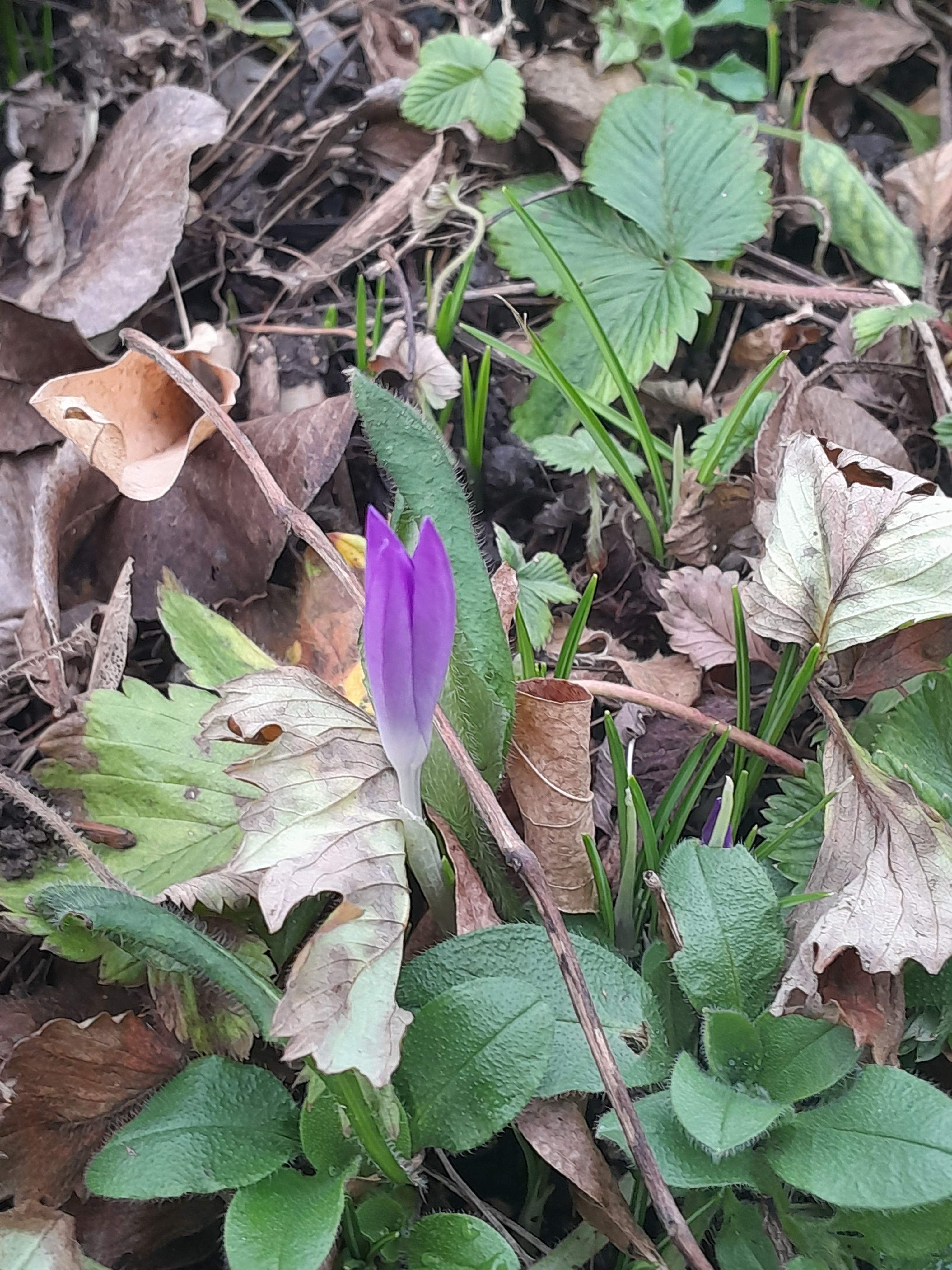
Jan 20: A better crocus:
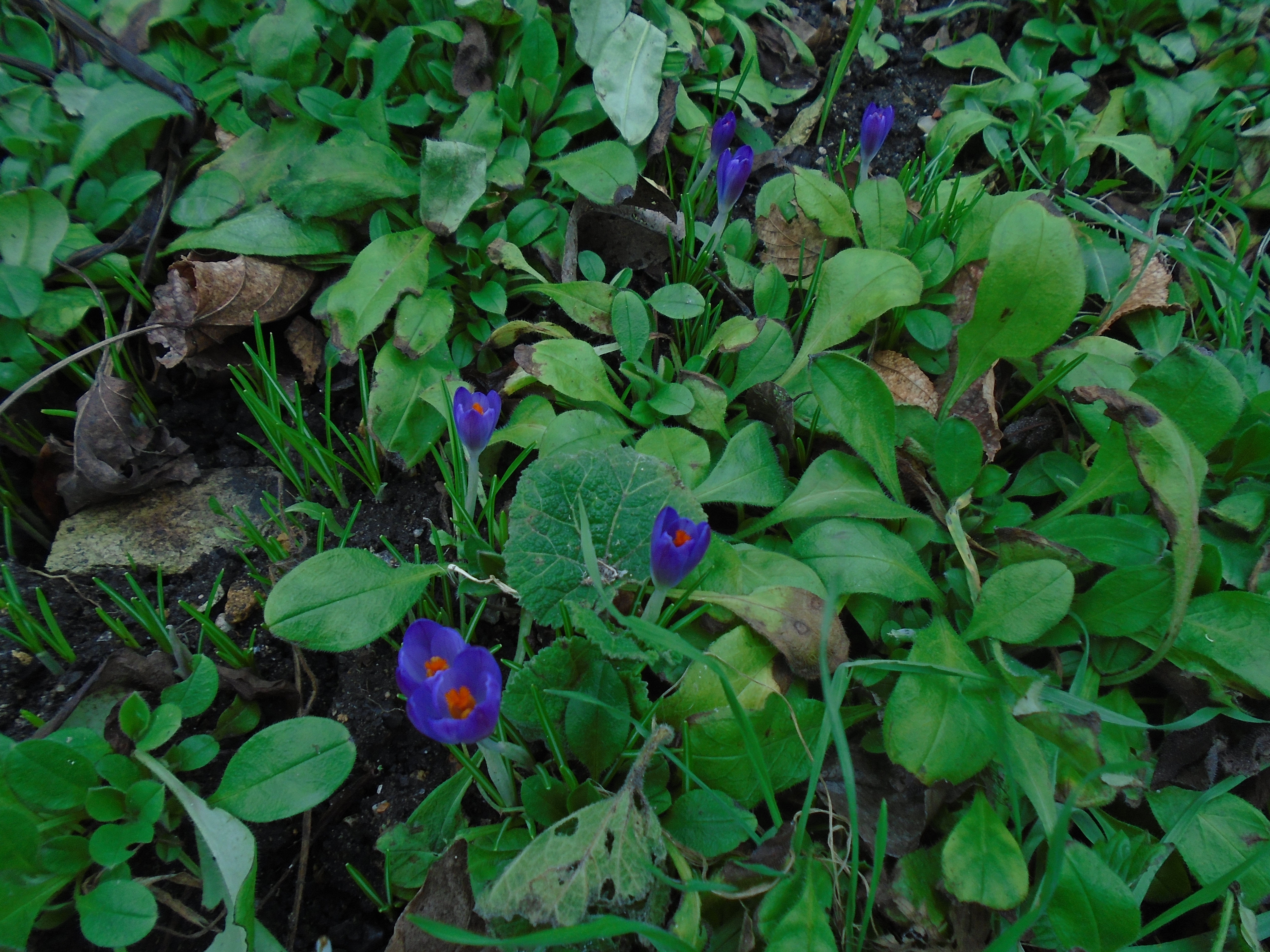
Jan 24: Crocuses definitely like the warmer weather!:
| January | 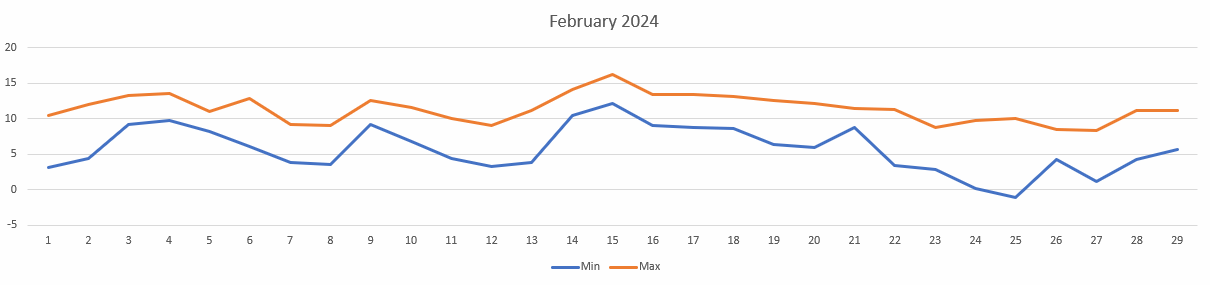 |
March |
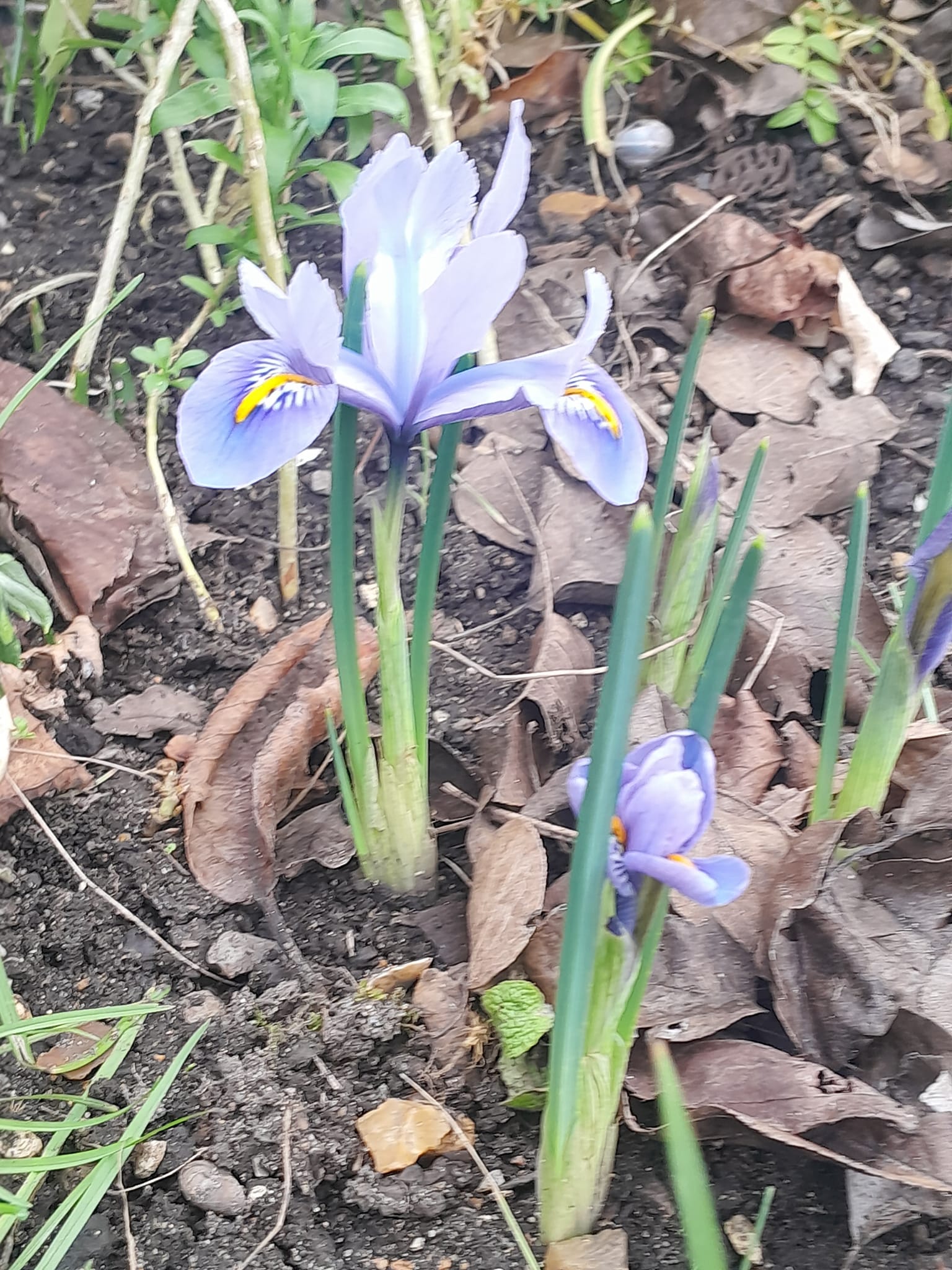
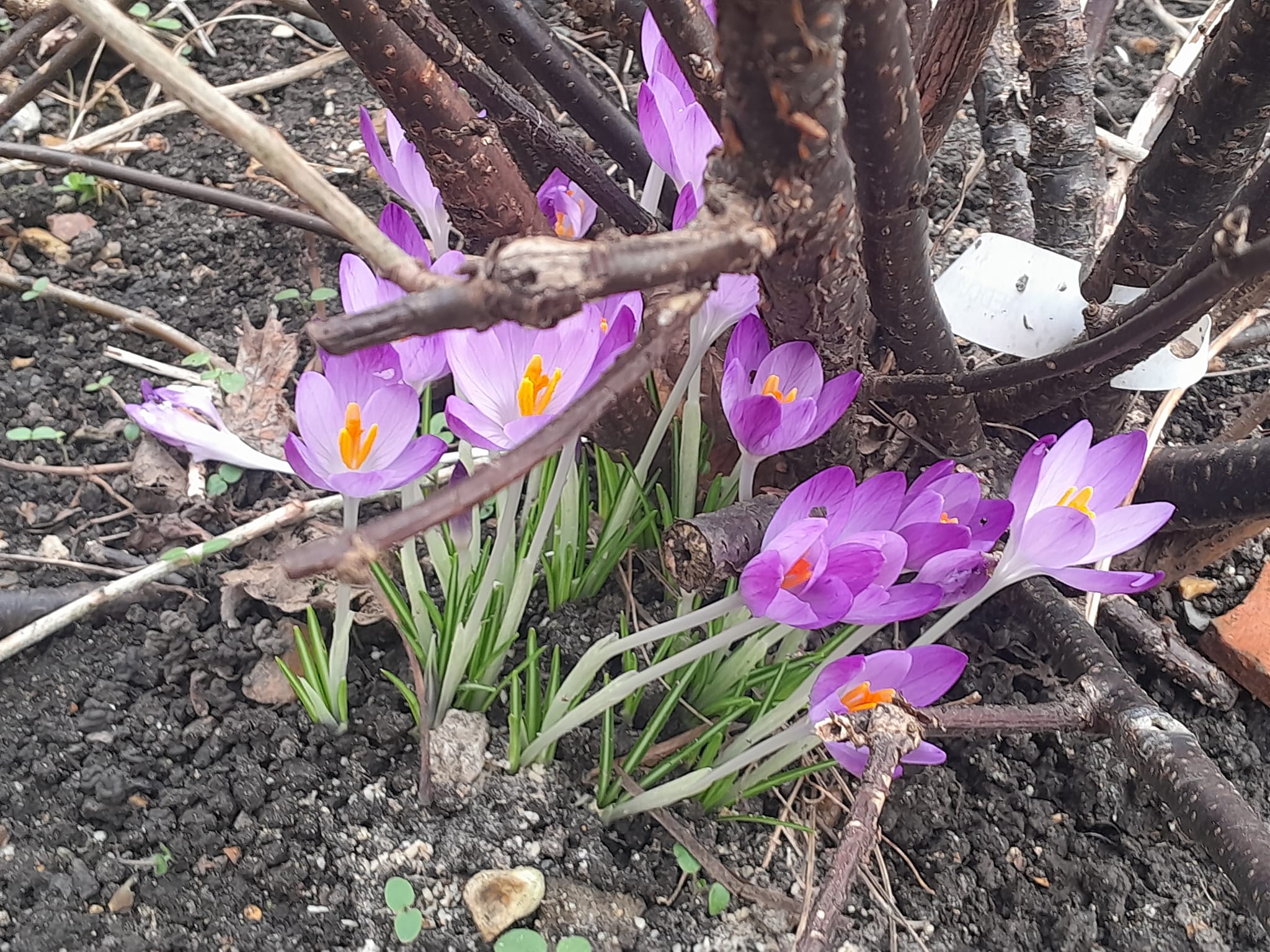
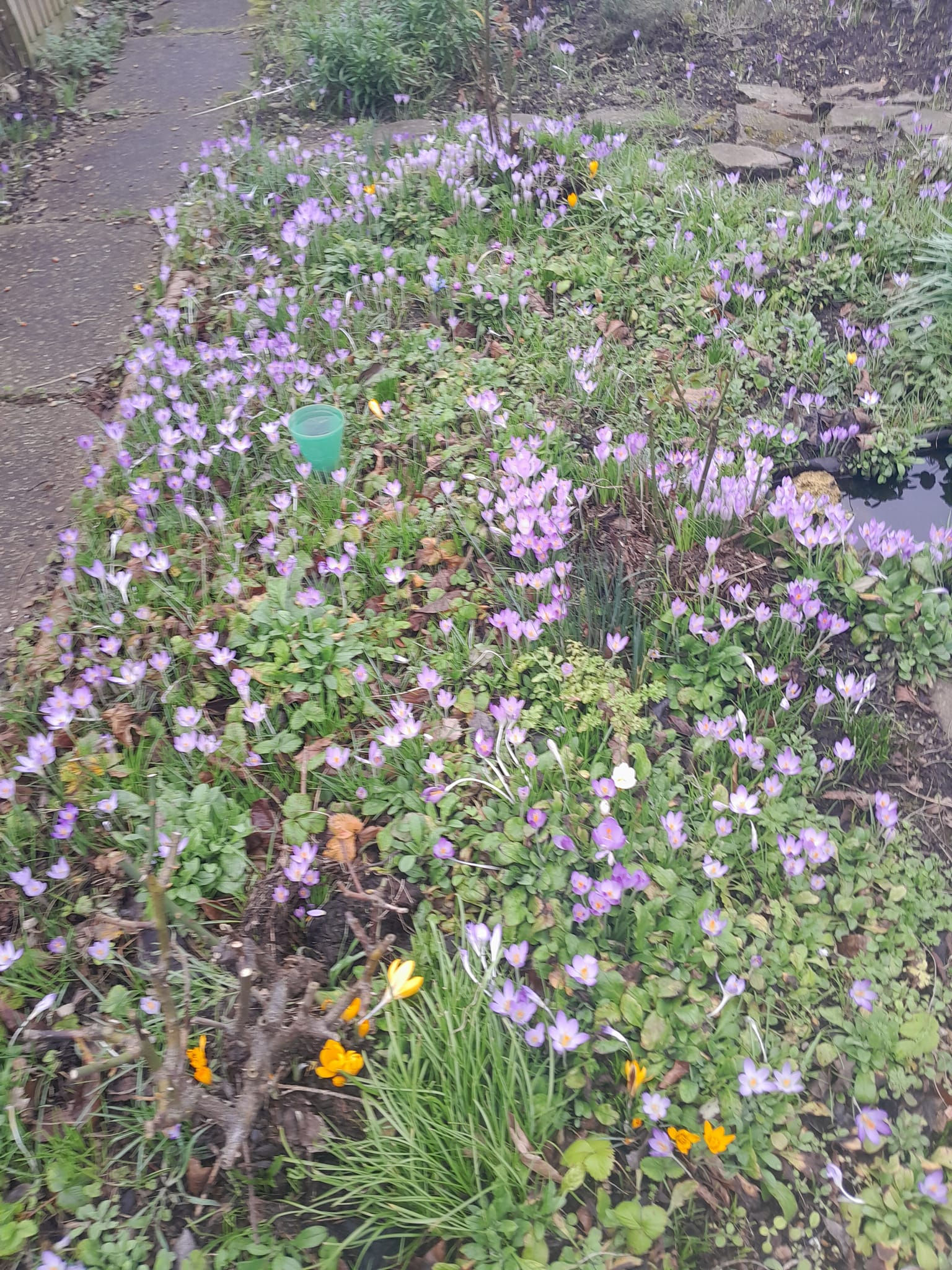
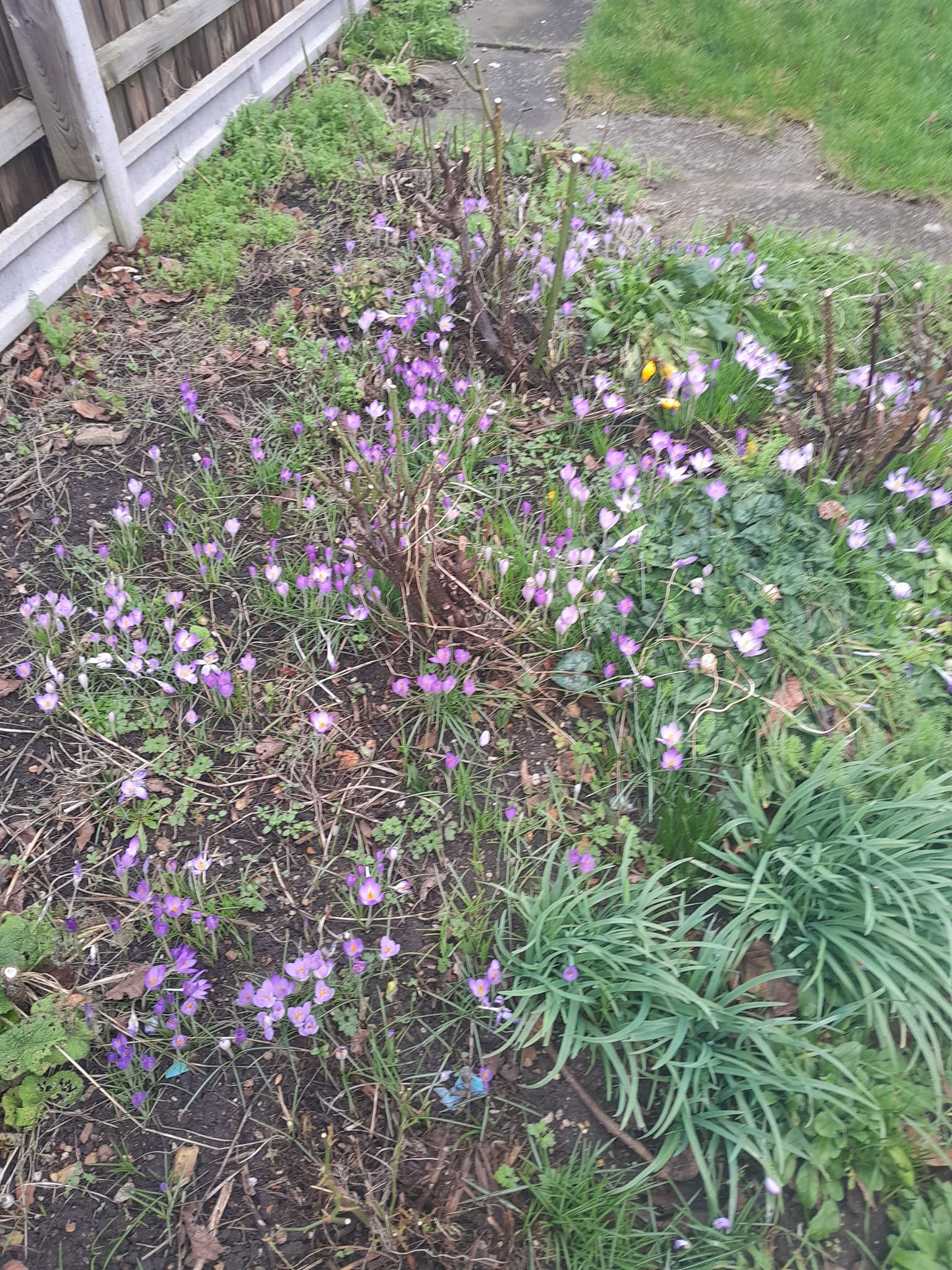
Feb 4: The crocuses have arrived in force! And an iris ret. A lot of the crocuses have seeded themselves. I do not plant bulbs under bushes.
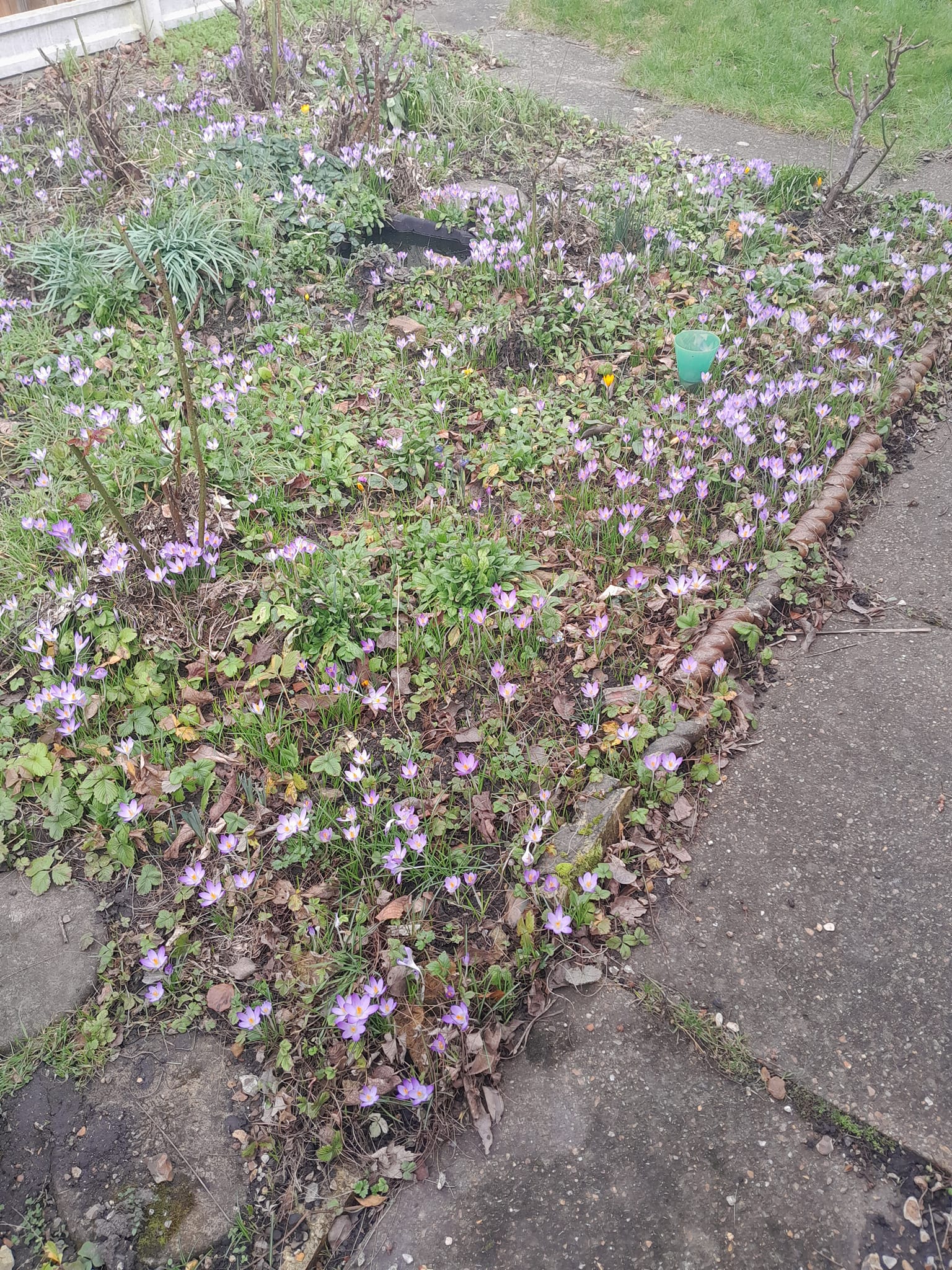
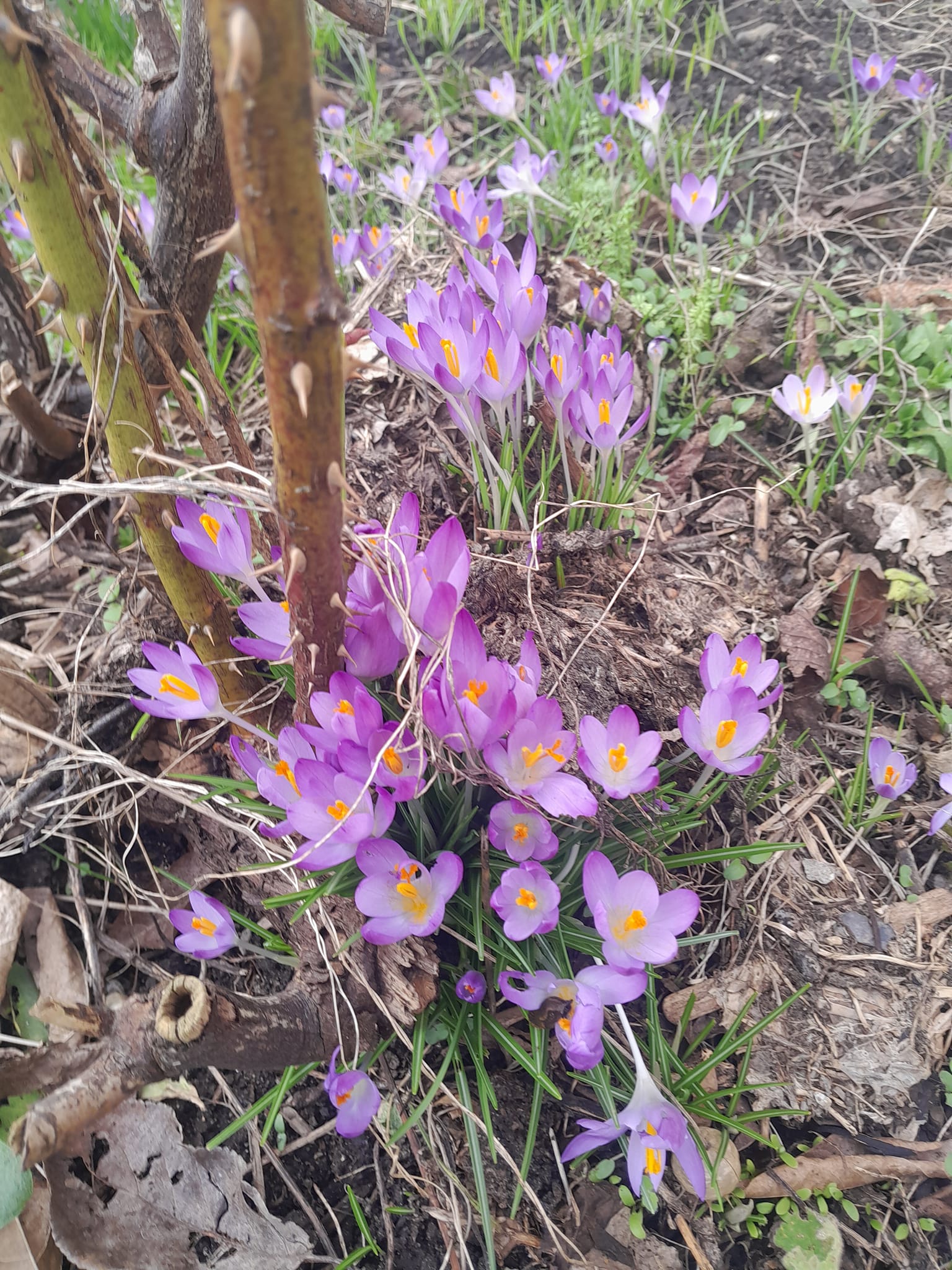
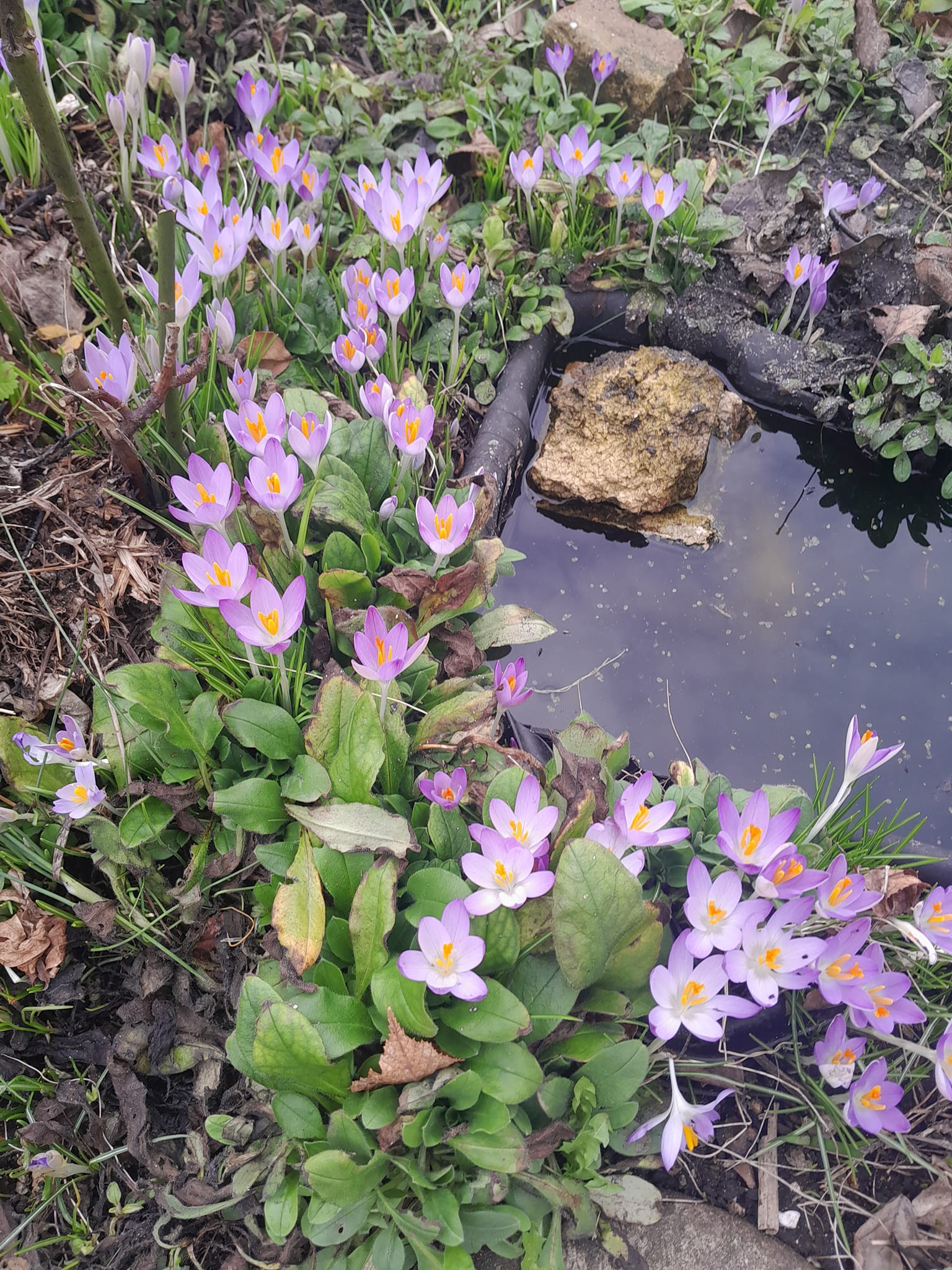
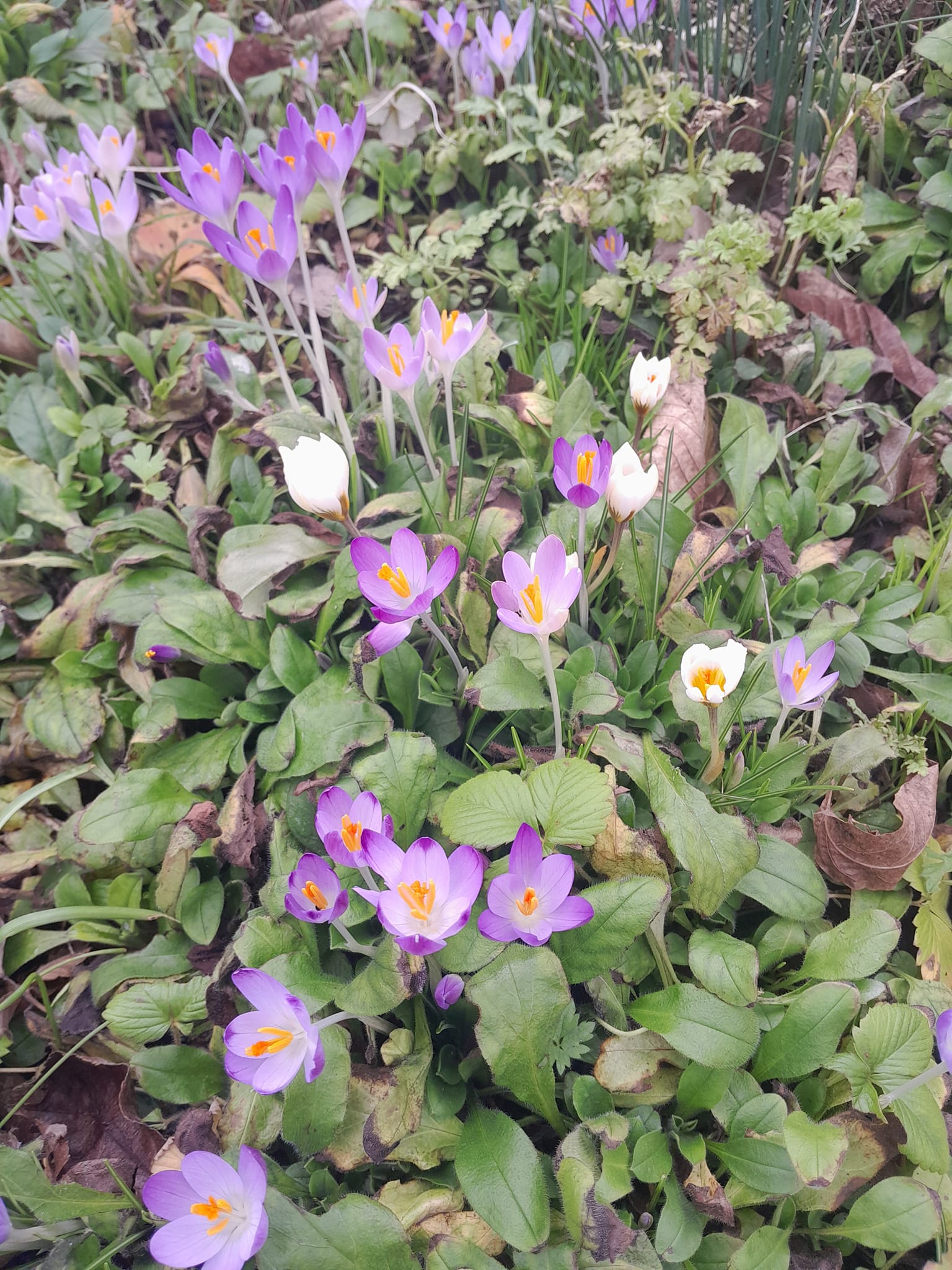
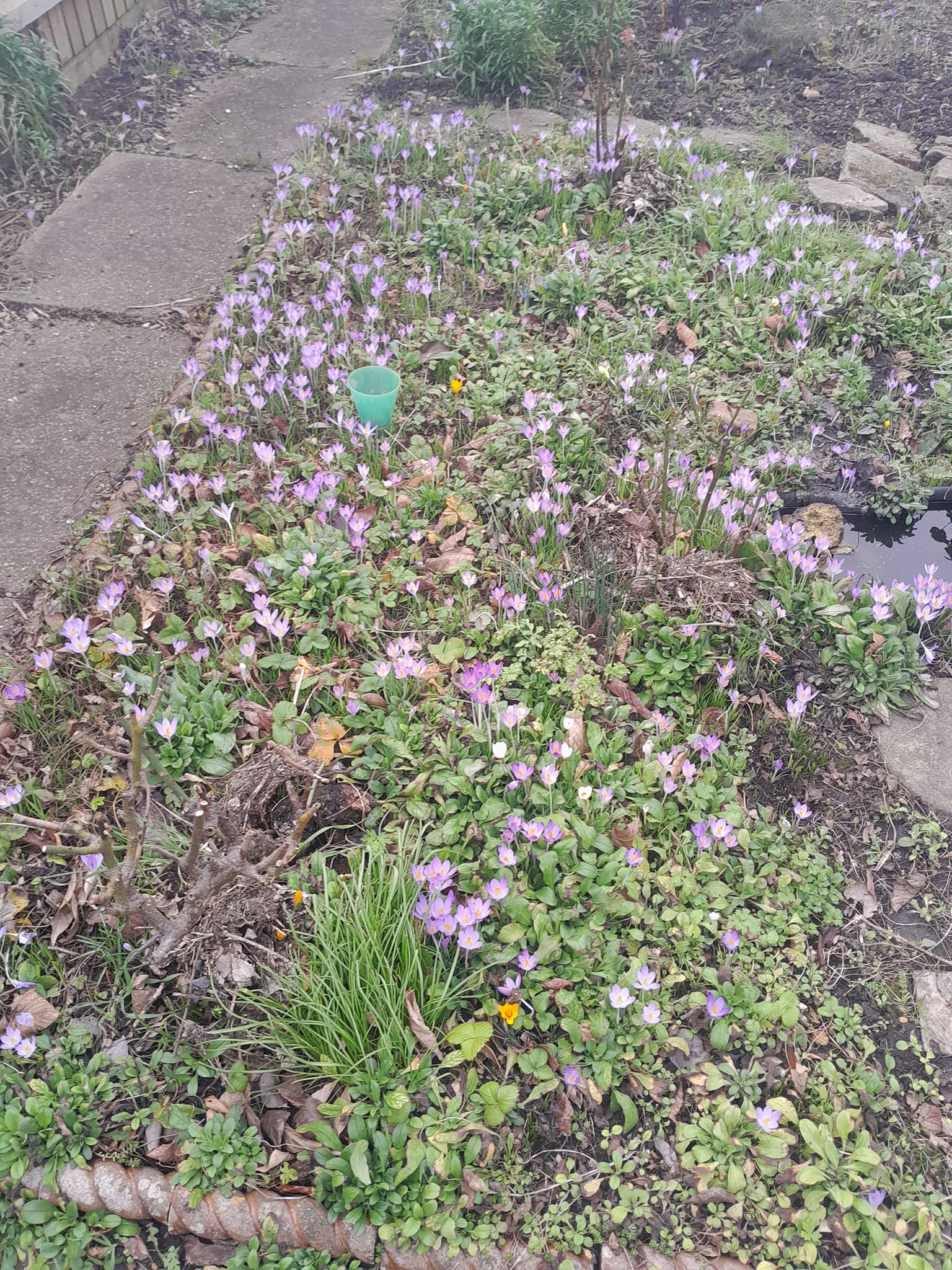
Feb 10: Peak crocus?
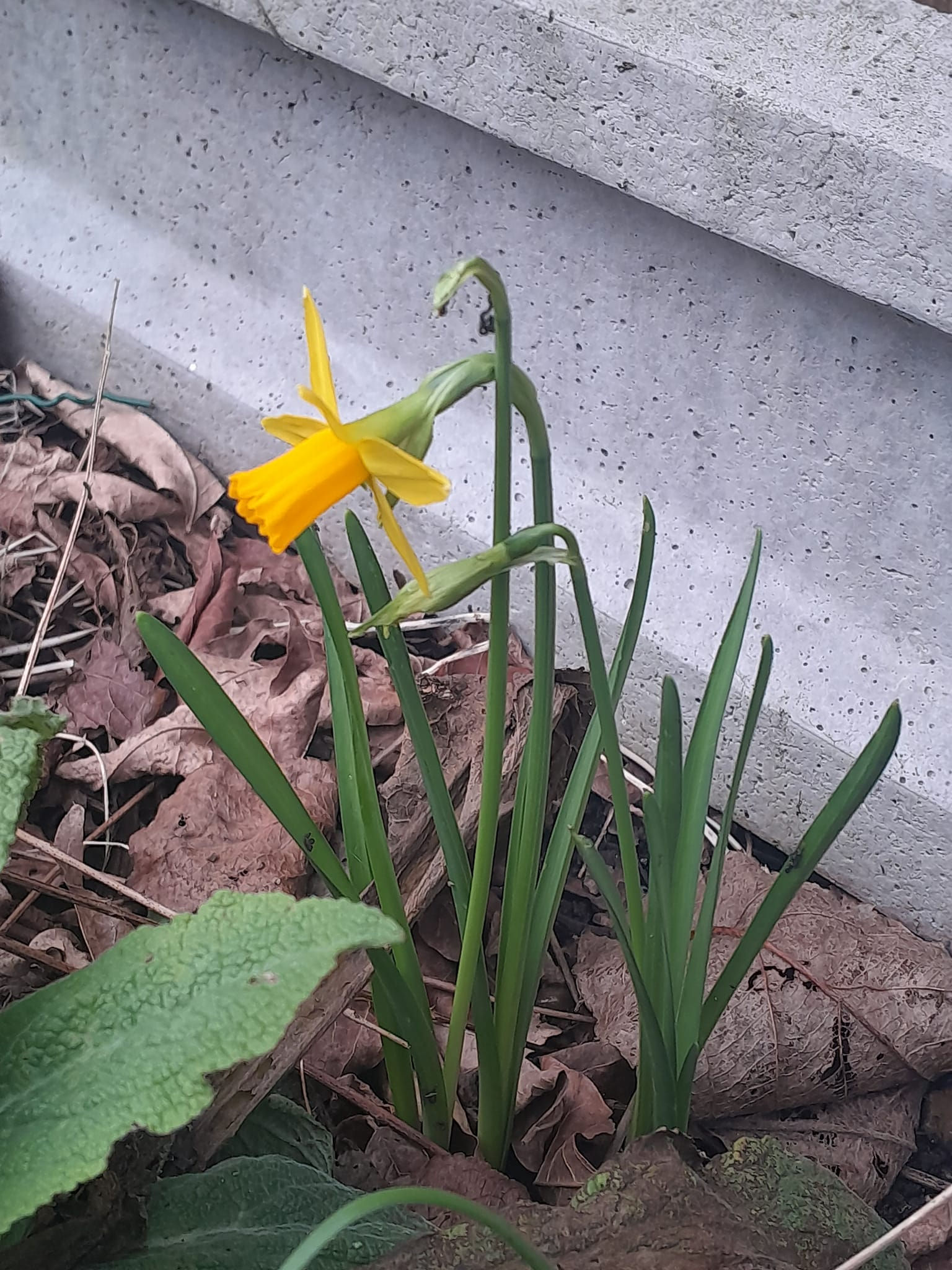
Feb 16: Fist daffodil
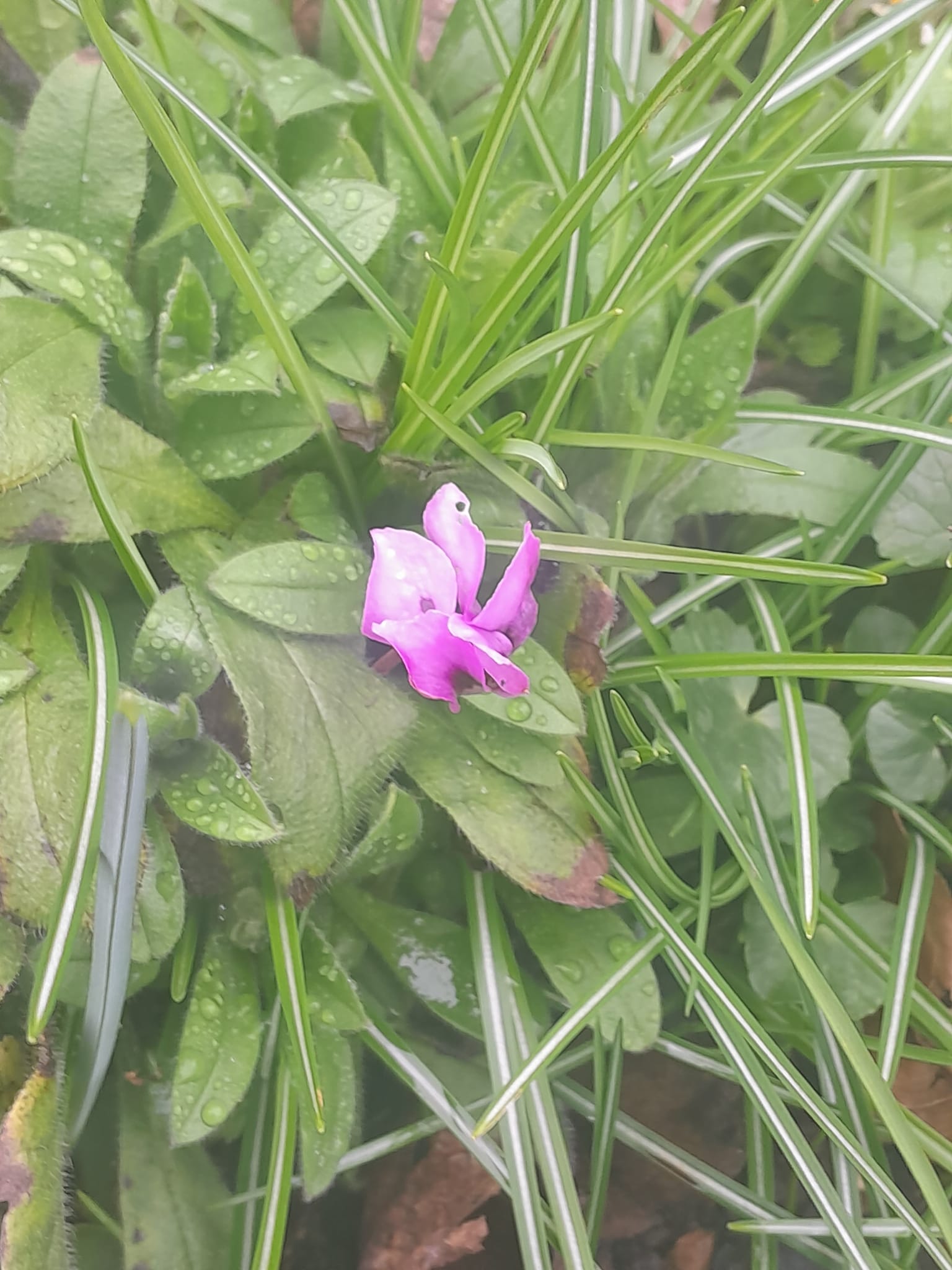
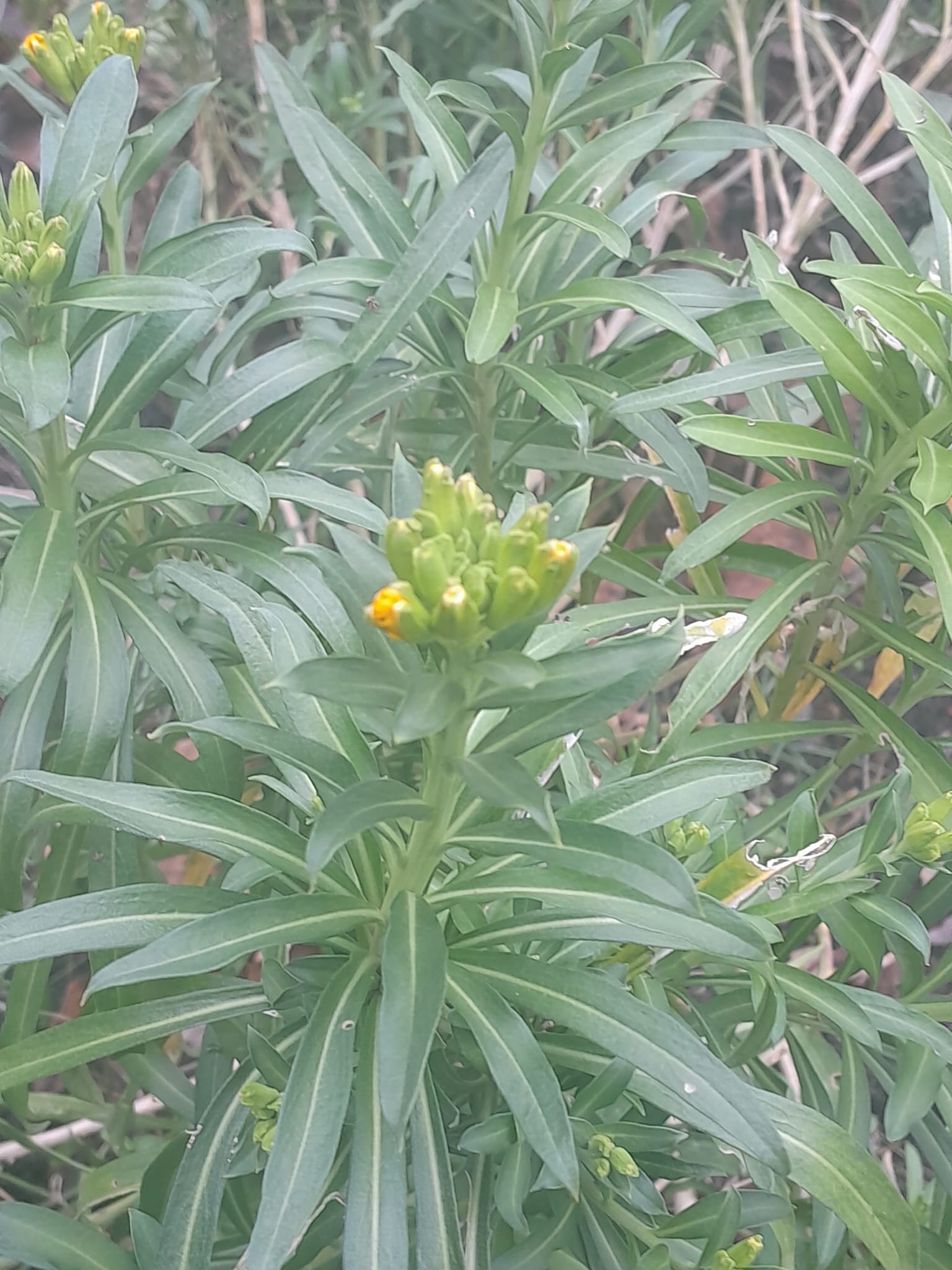
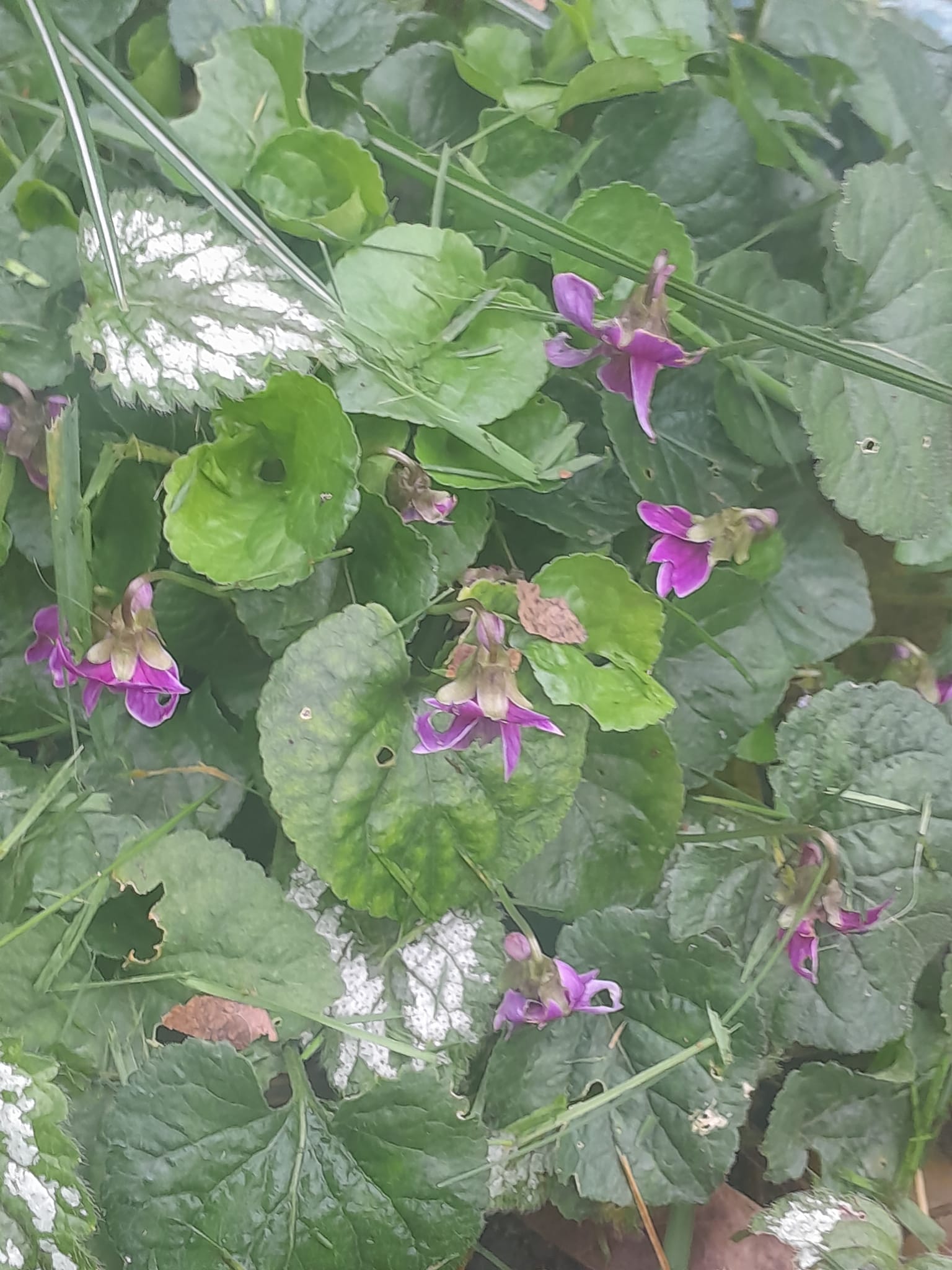
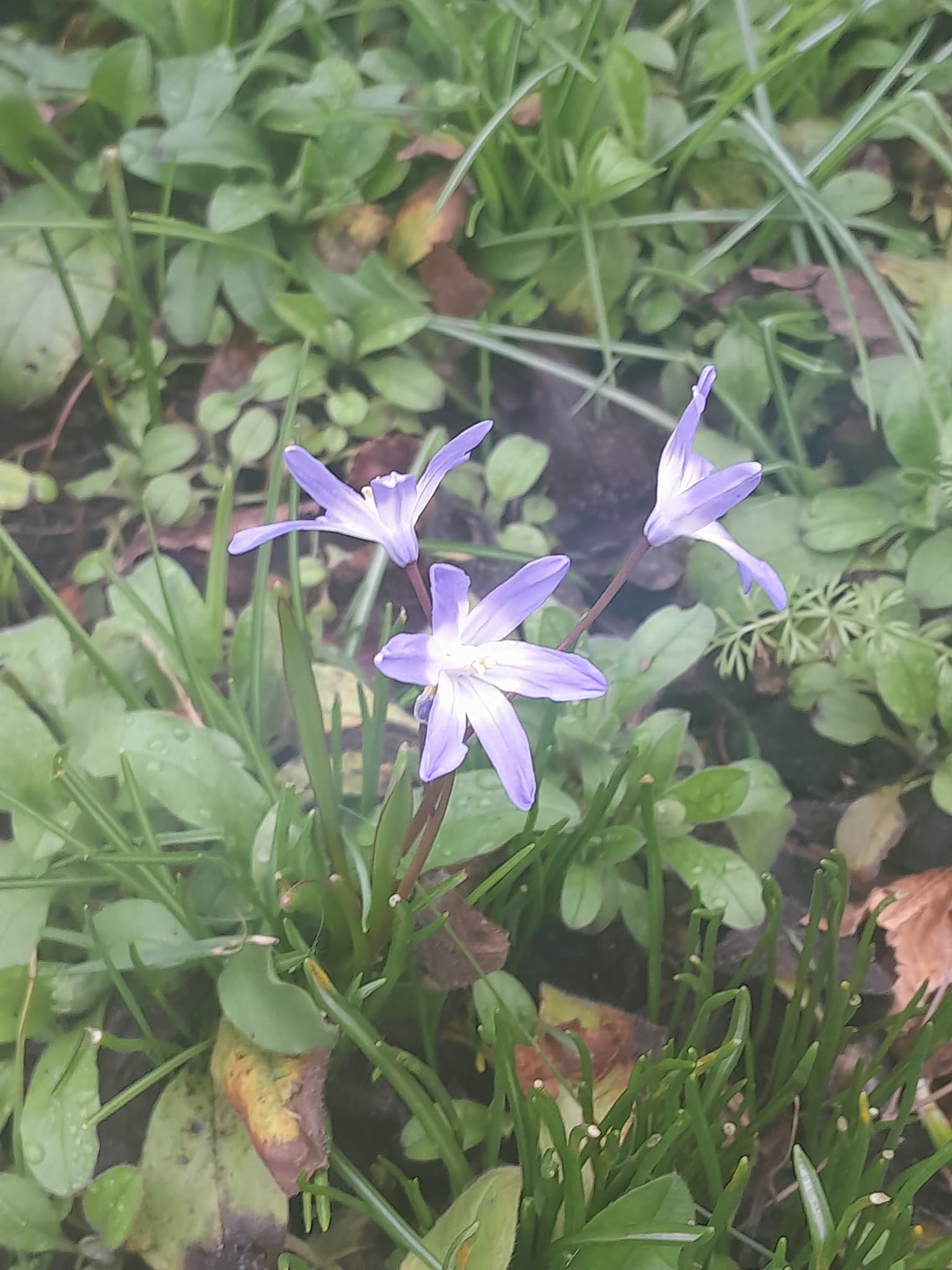
Feb 25:
| February |  |
April |
Mar 3: Daffodils (and a sunset)
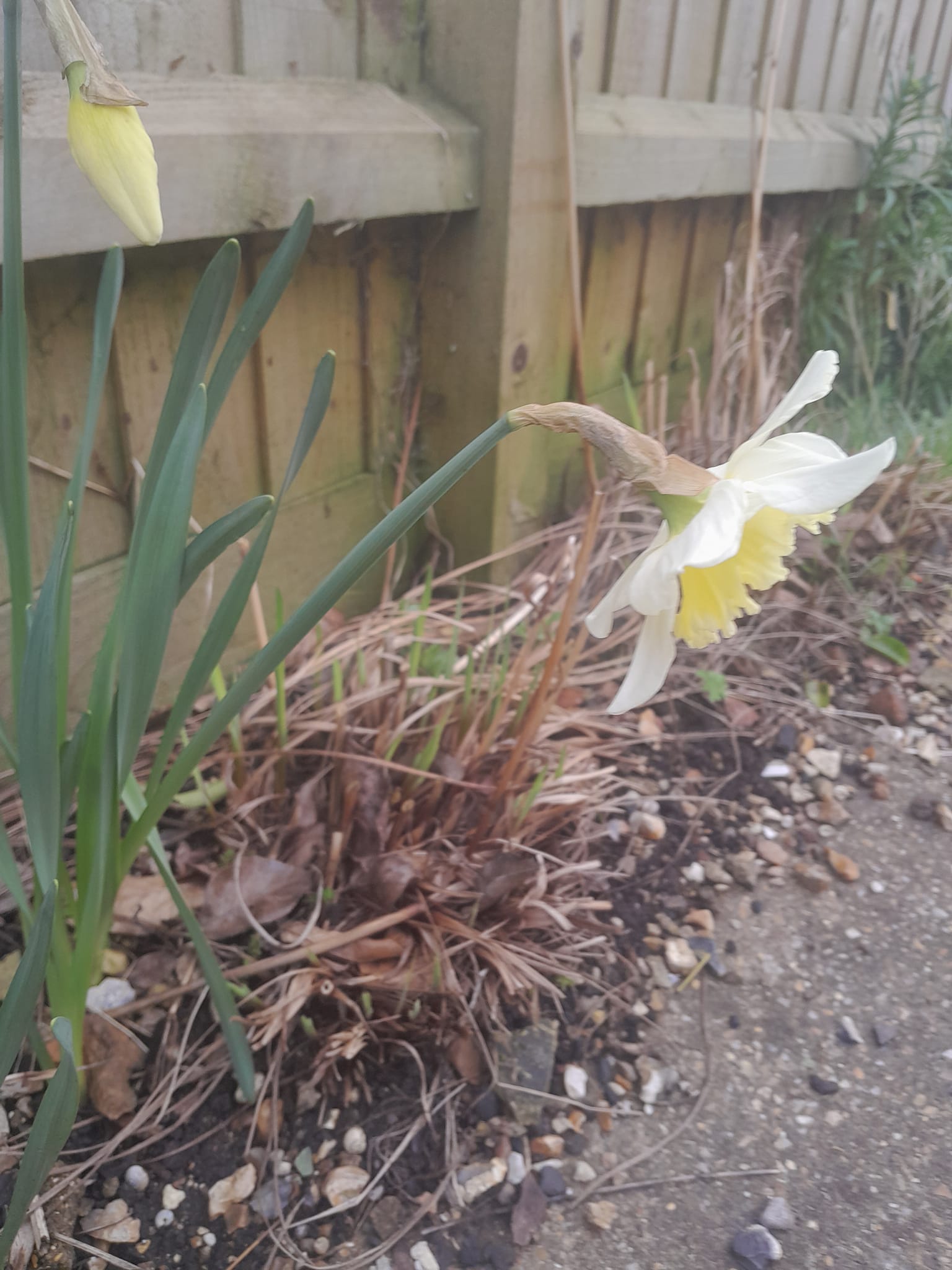
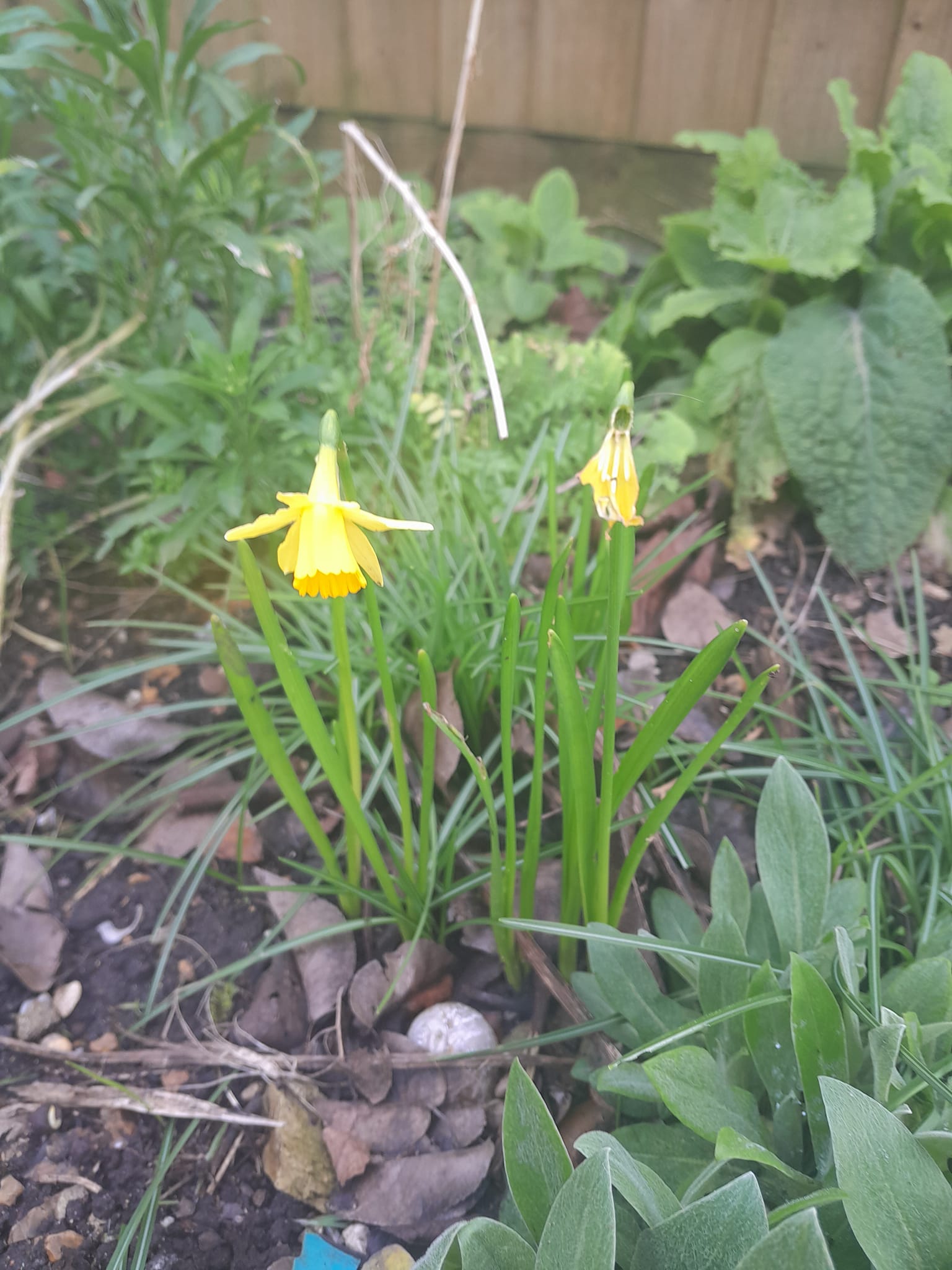
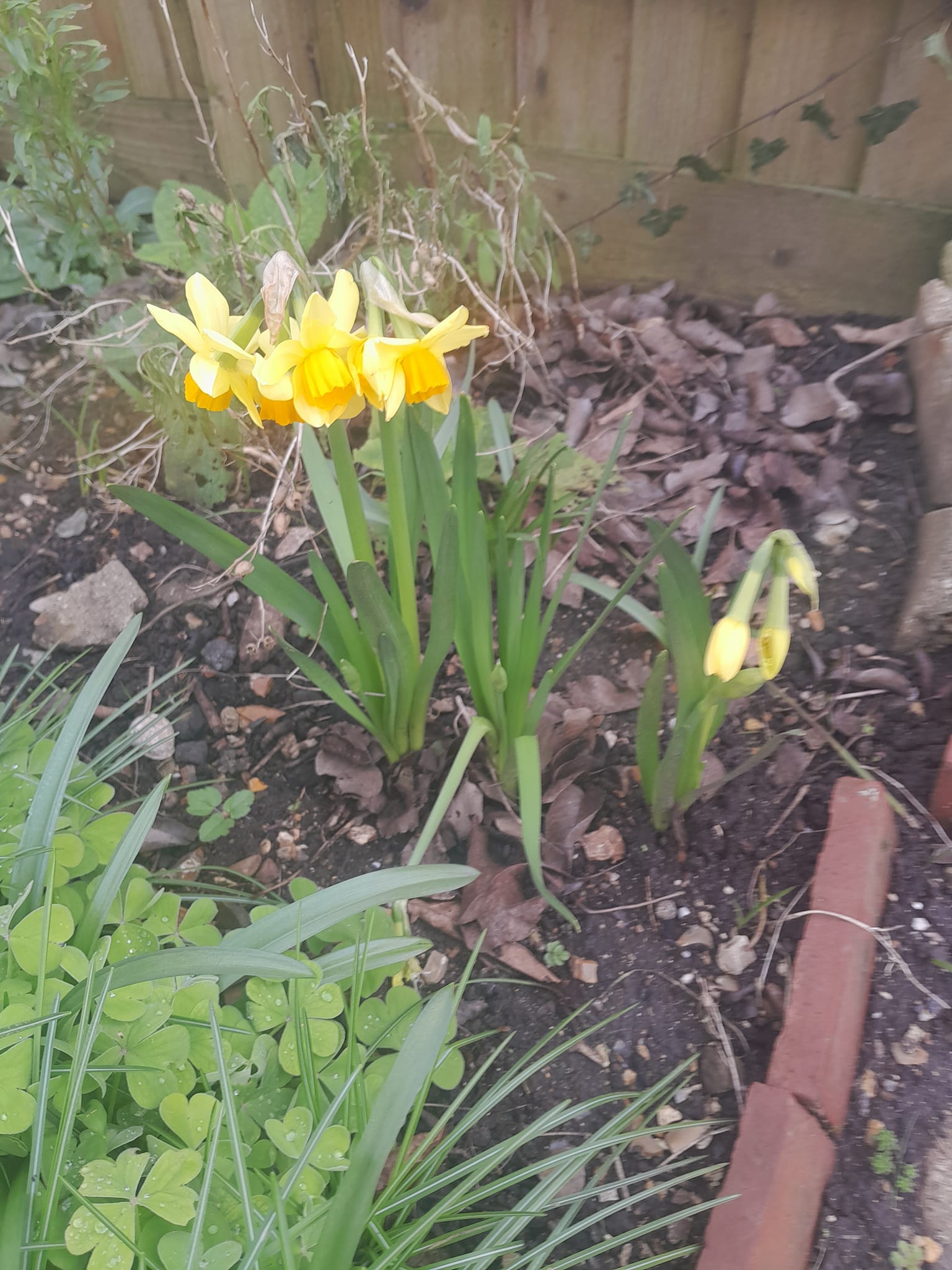
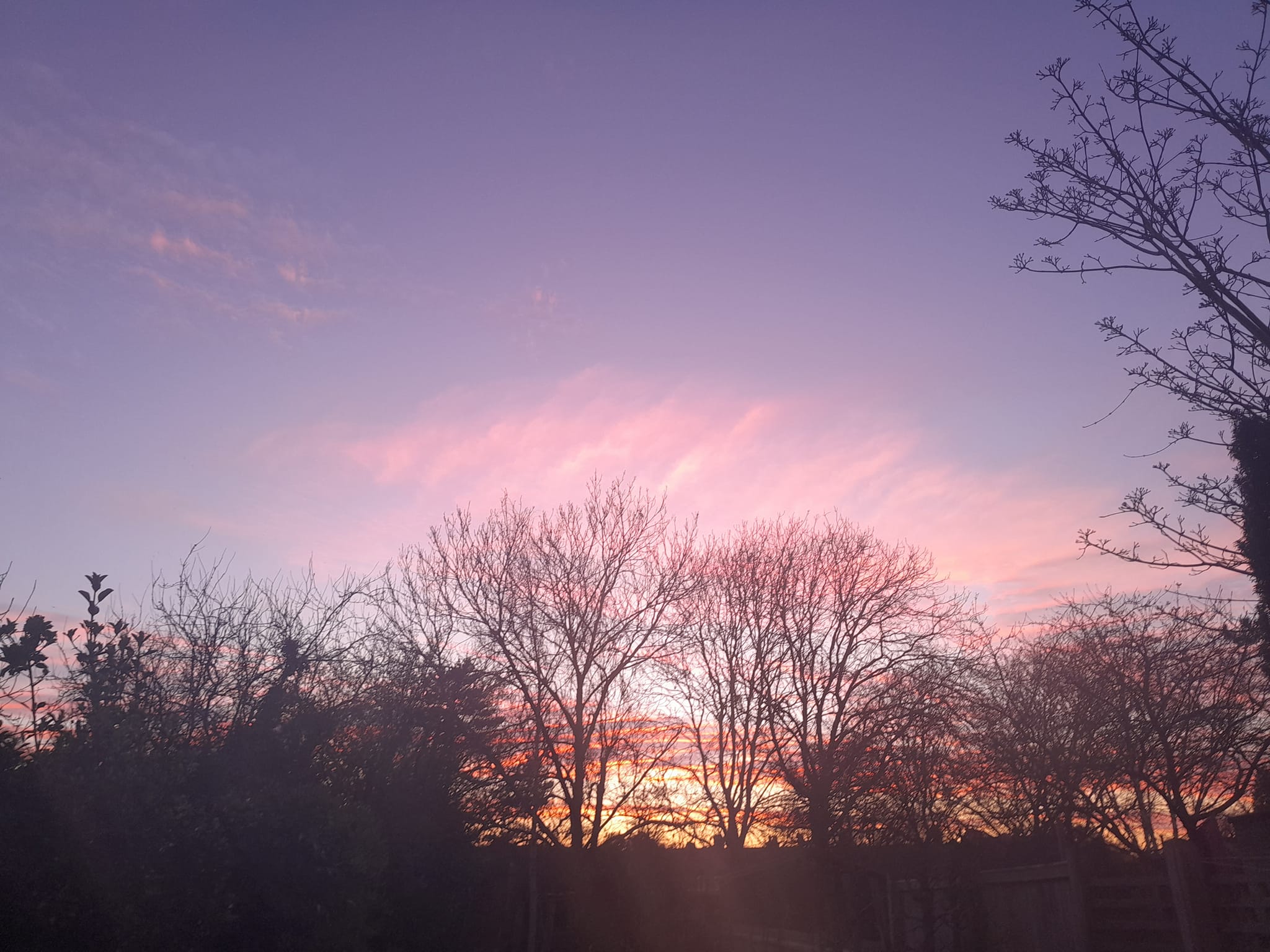
Mar 9:
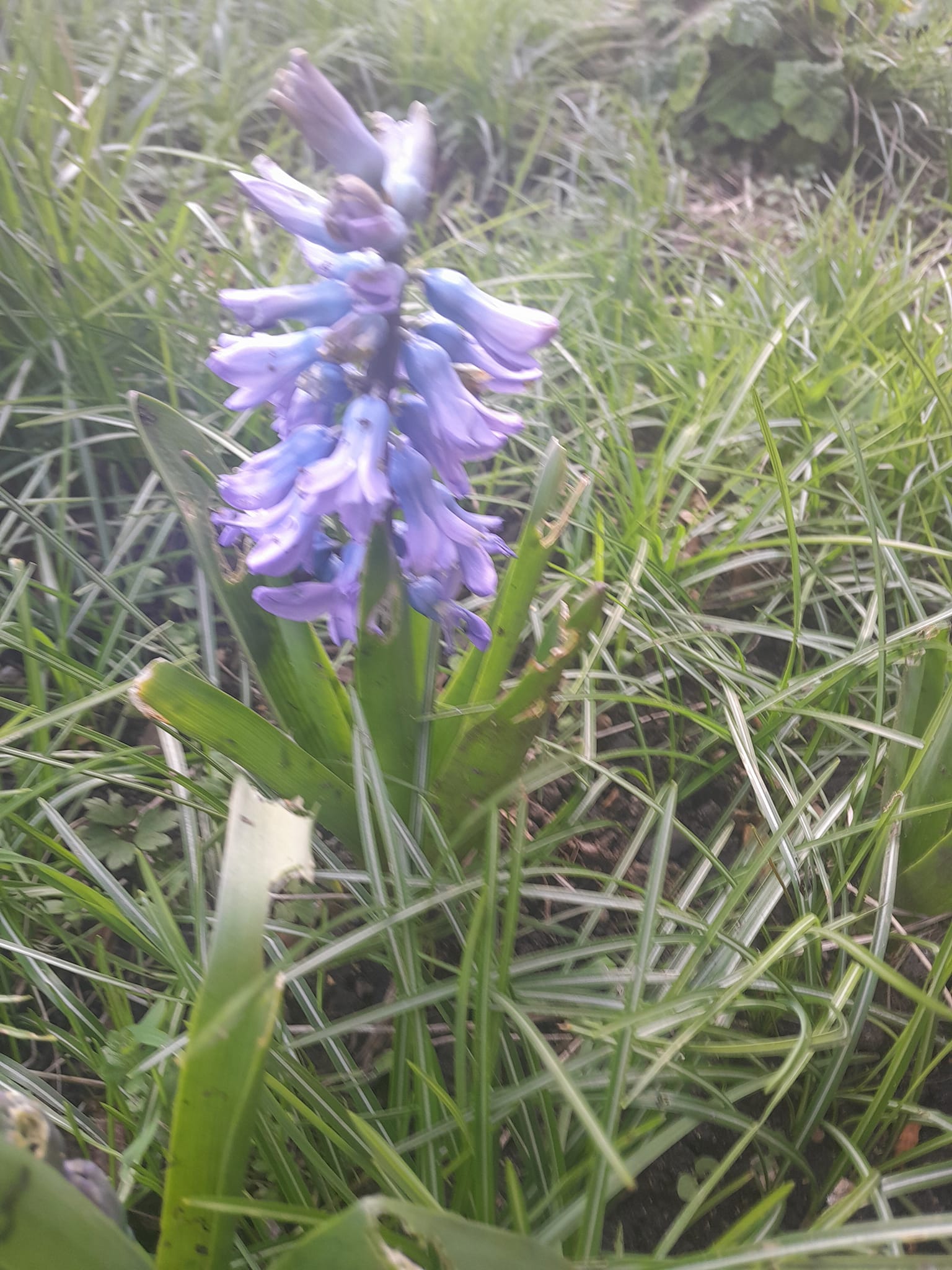
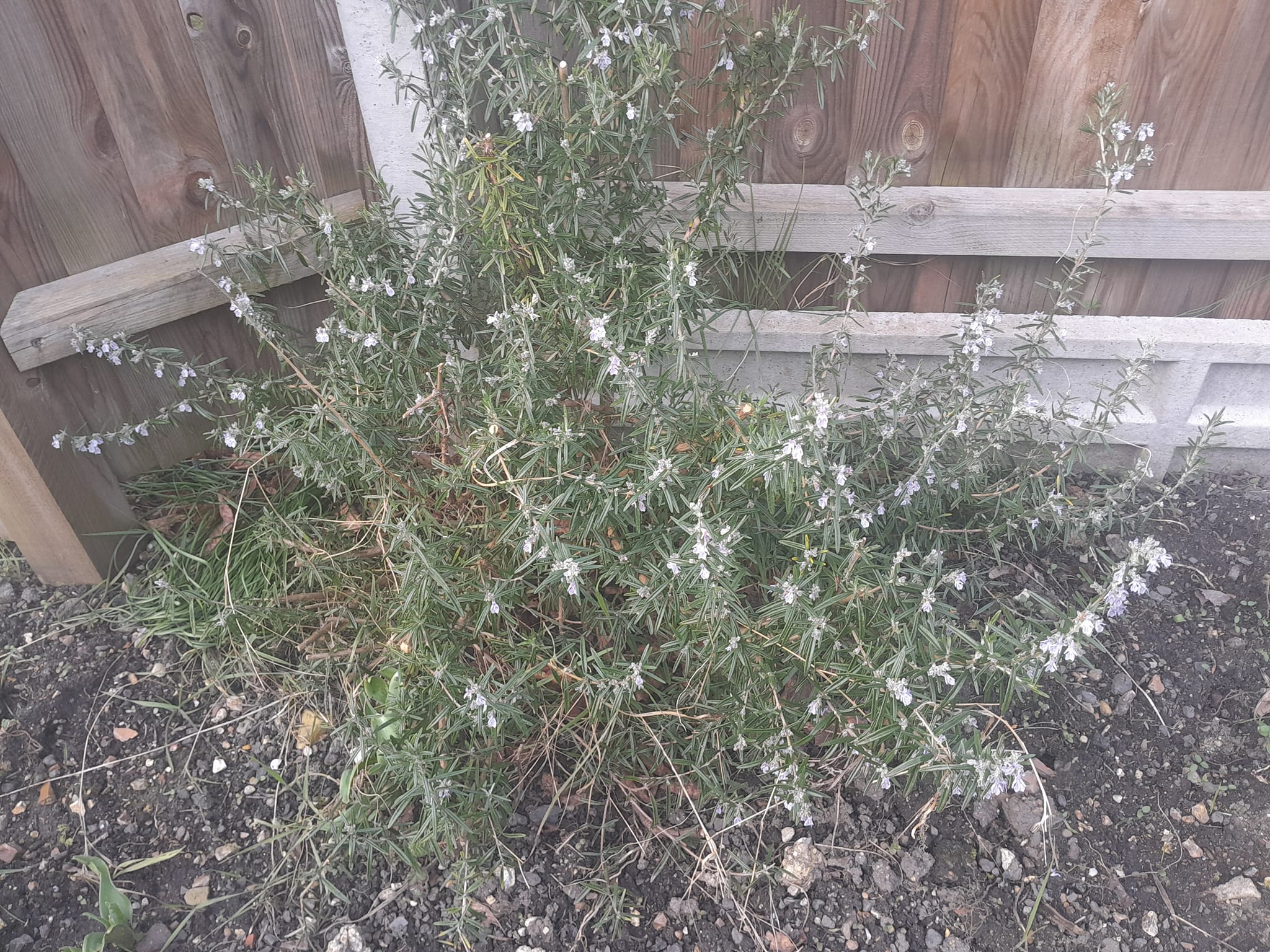
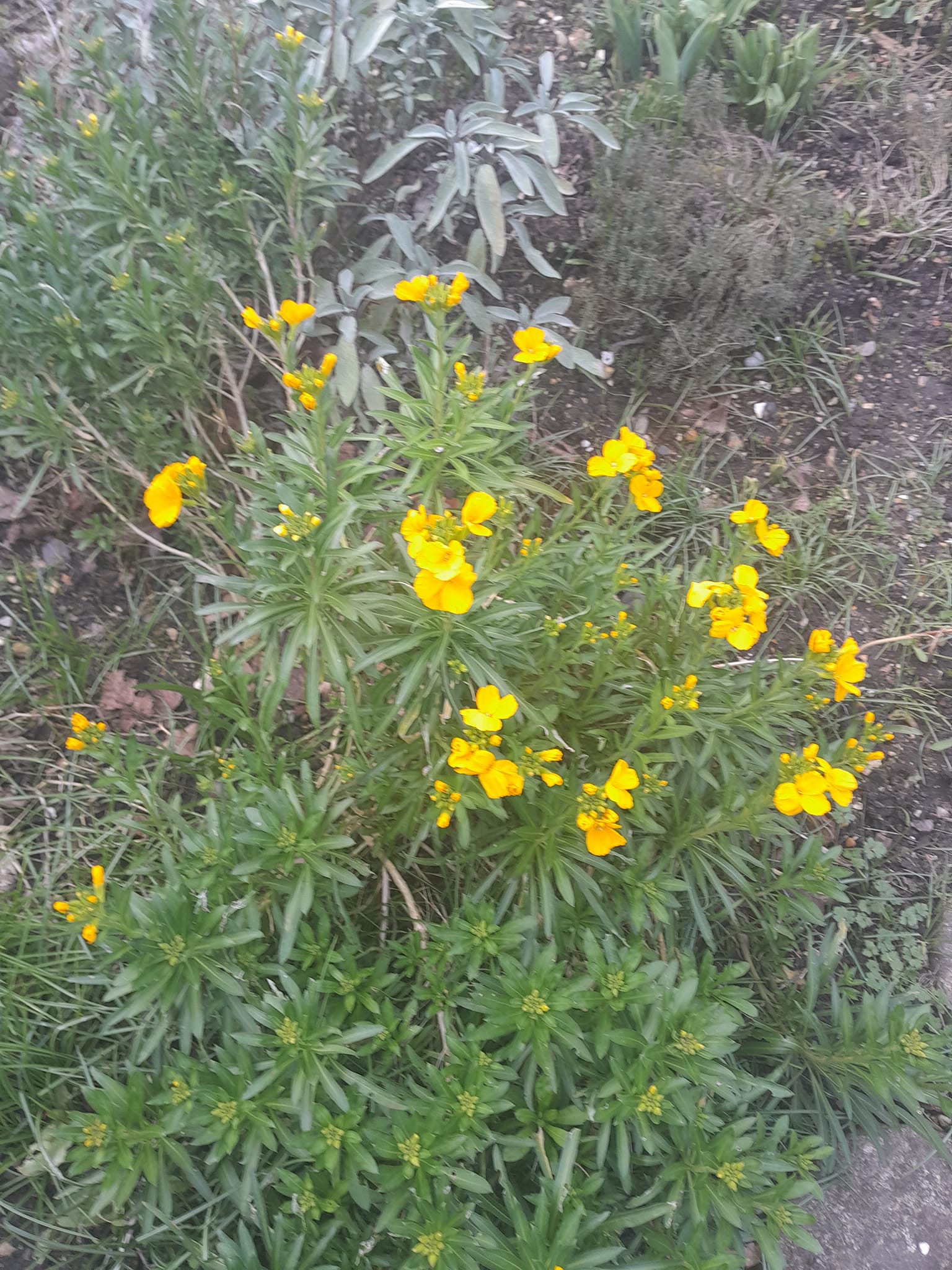
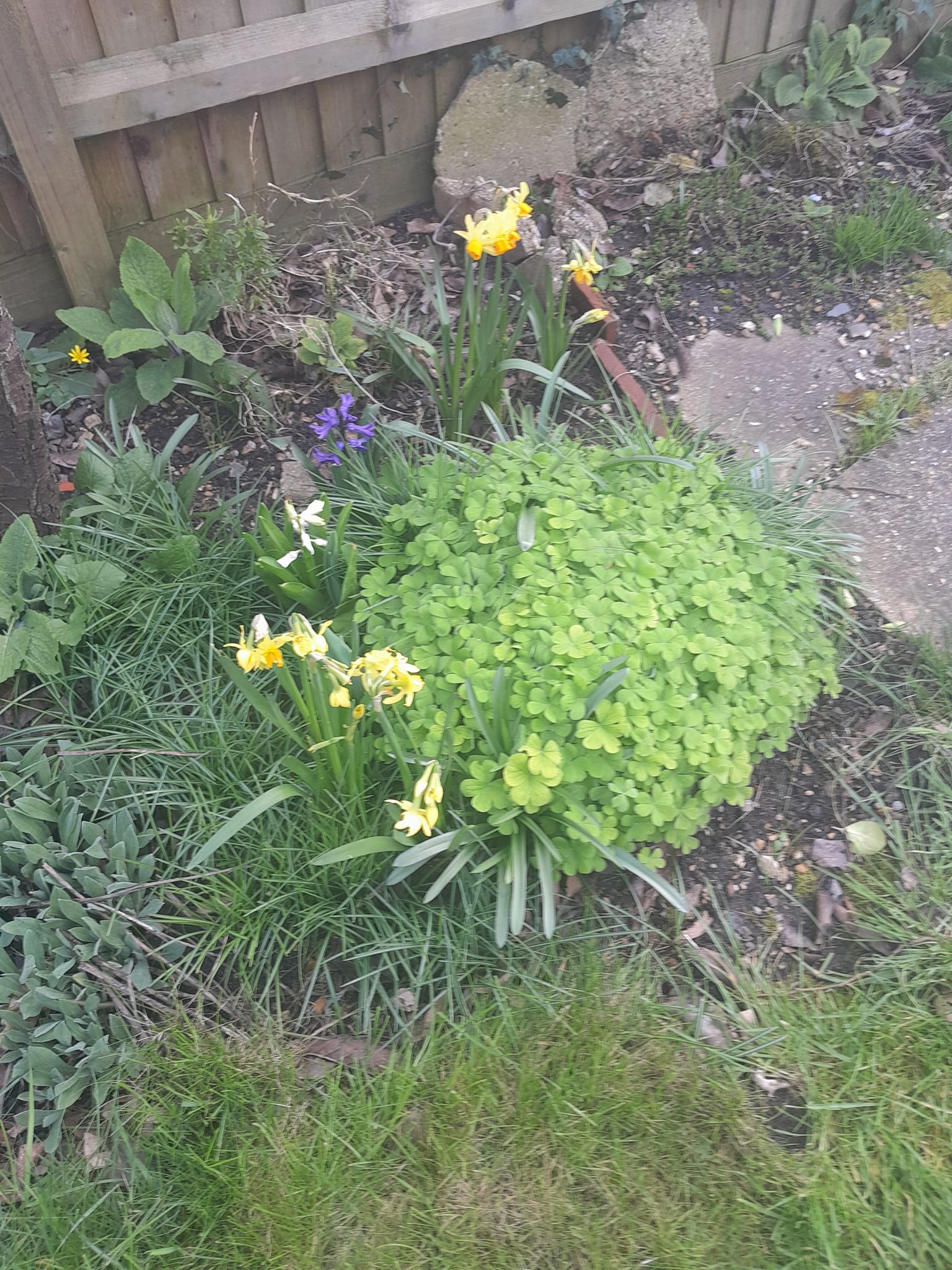
Mar 17:
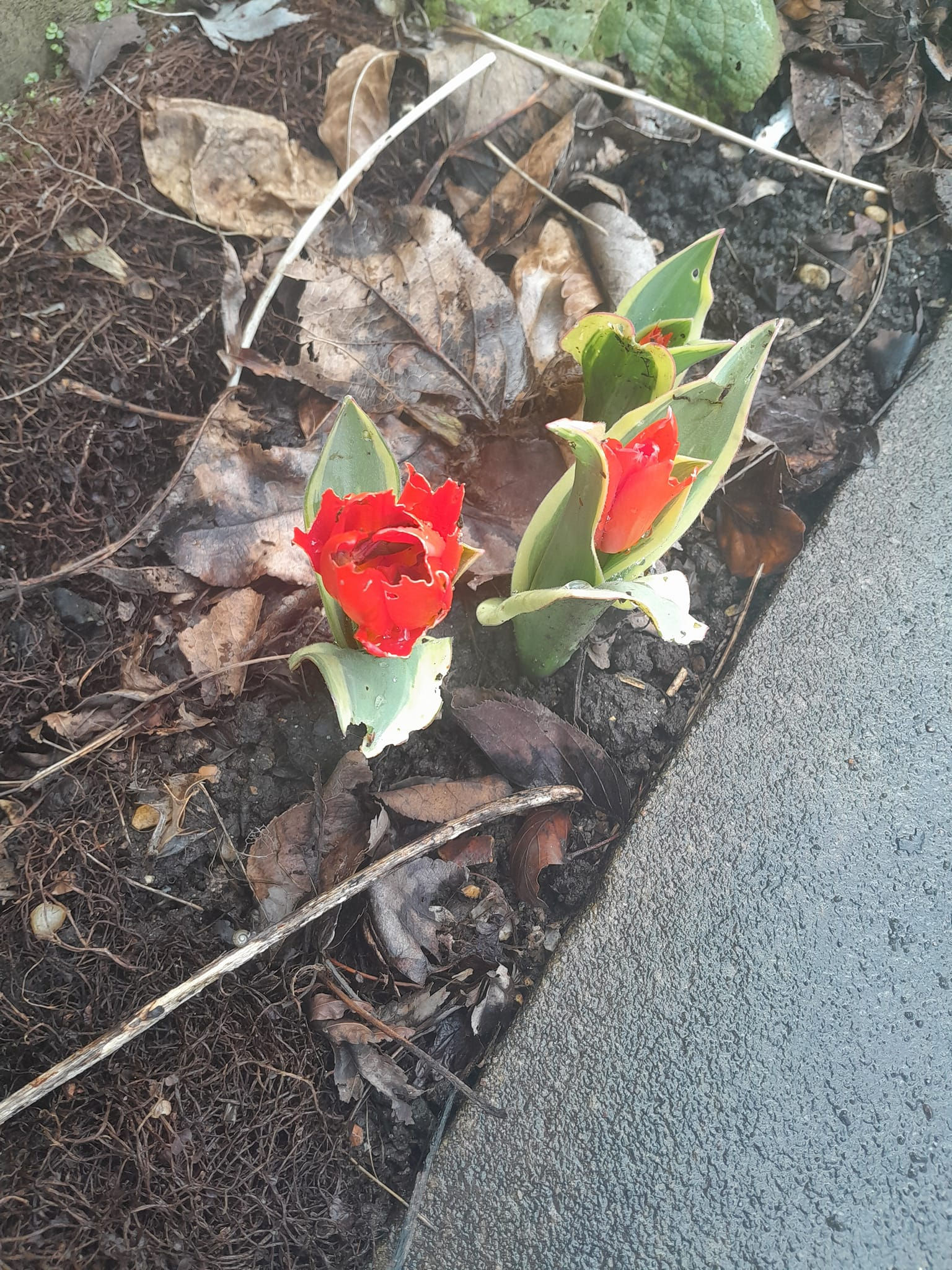
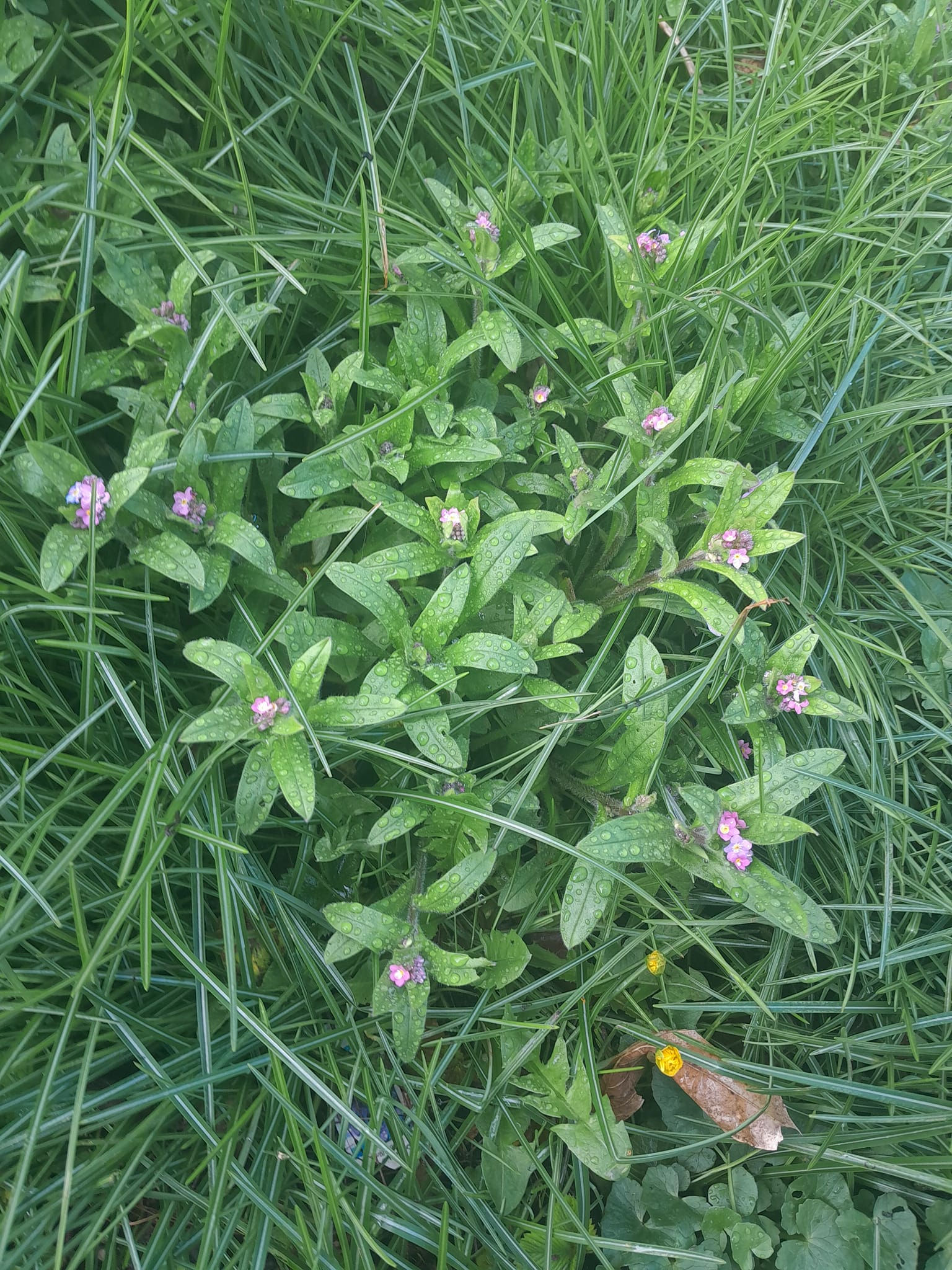
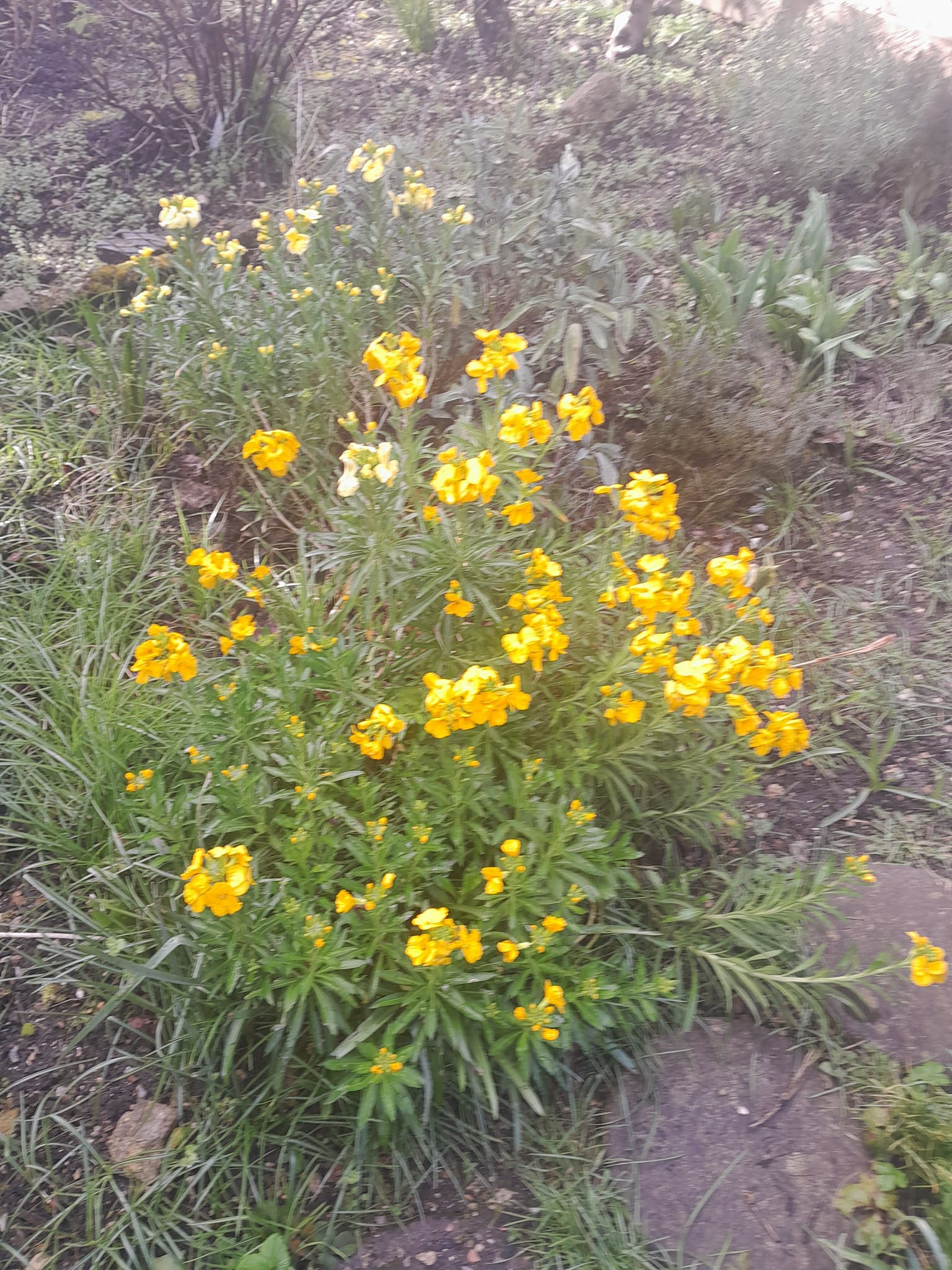
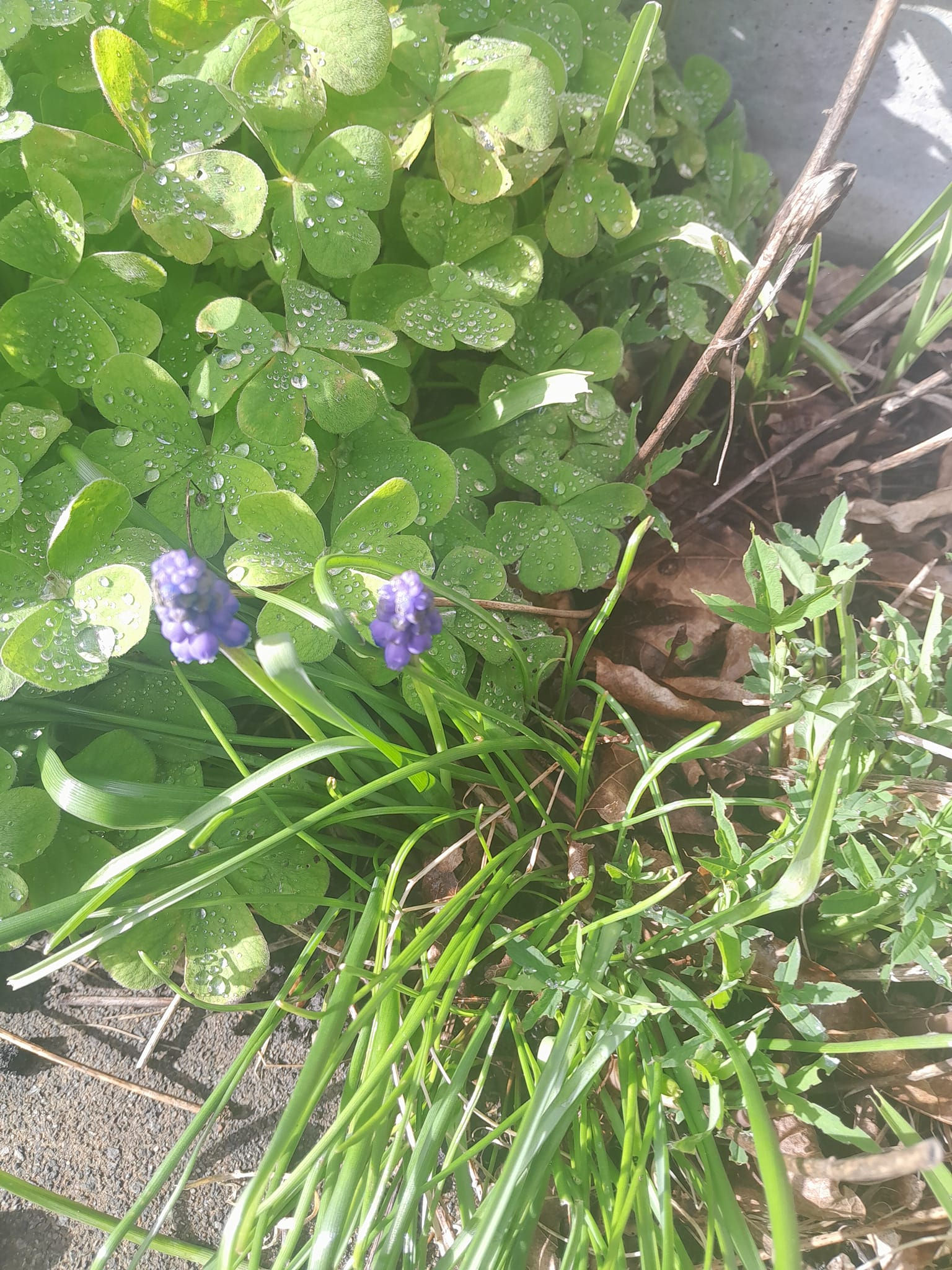
Mar 19 - more from Keith Edkins:
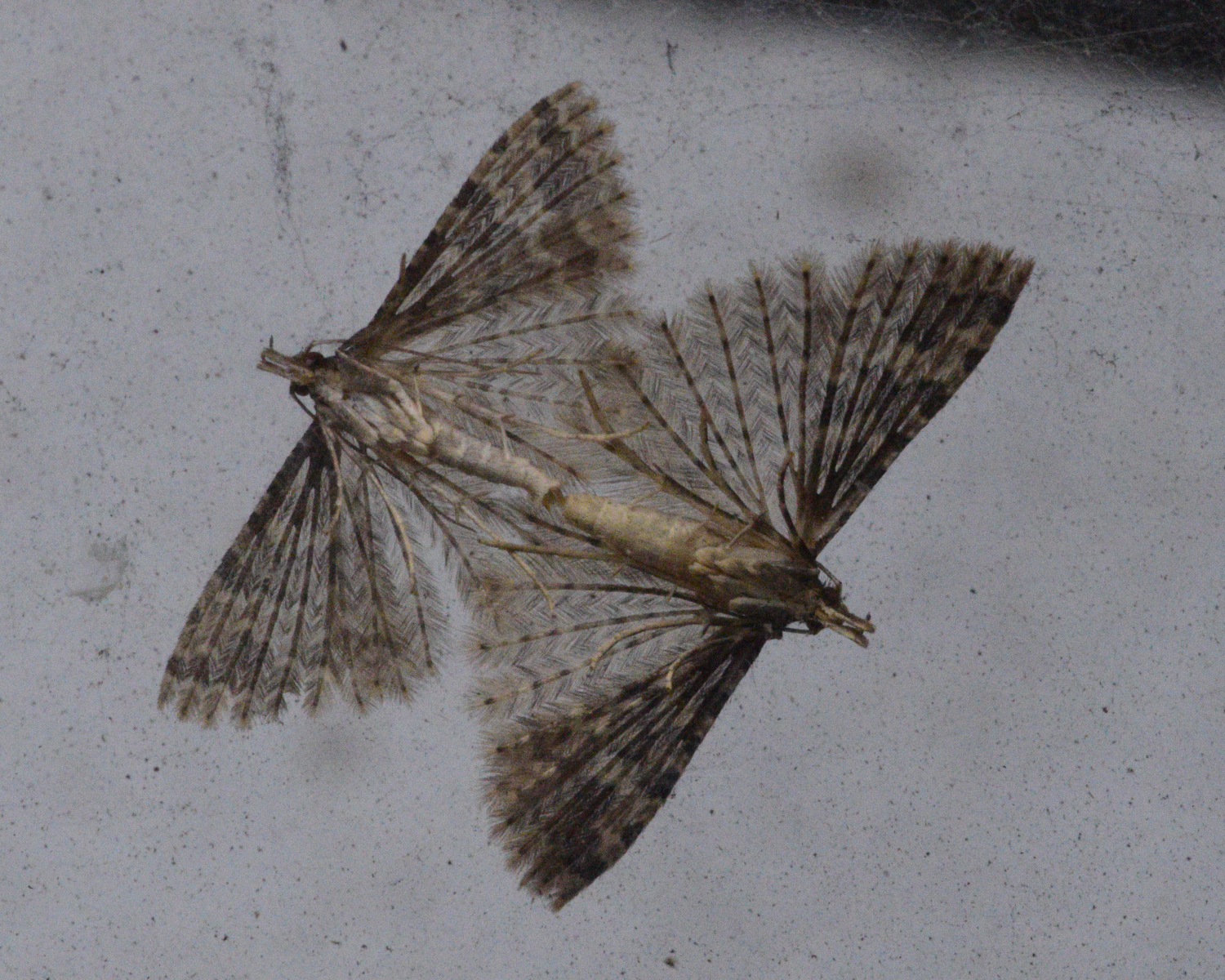
Alucita hexadactyla (Twenty-plume Moth) - This is the only British representative of the family Alucitidae, in which the wings consist of fans of feather-like plumes (despite the name, there are in fact 24 in all). The family is (probably) fairly closely related to the true Plume Moths (see Apr. 22 last year).
This pair are busy making new 20-plume moths. The caterpillars are said to feed on honeysuckle, but I haven't ever noticed them. The species is common, and its range extends as far as the Orkneys.
Mar 23:
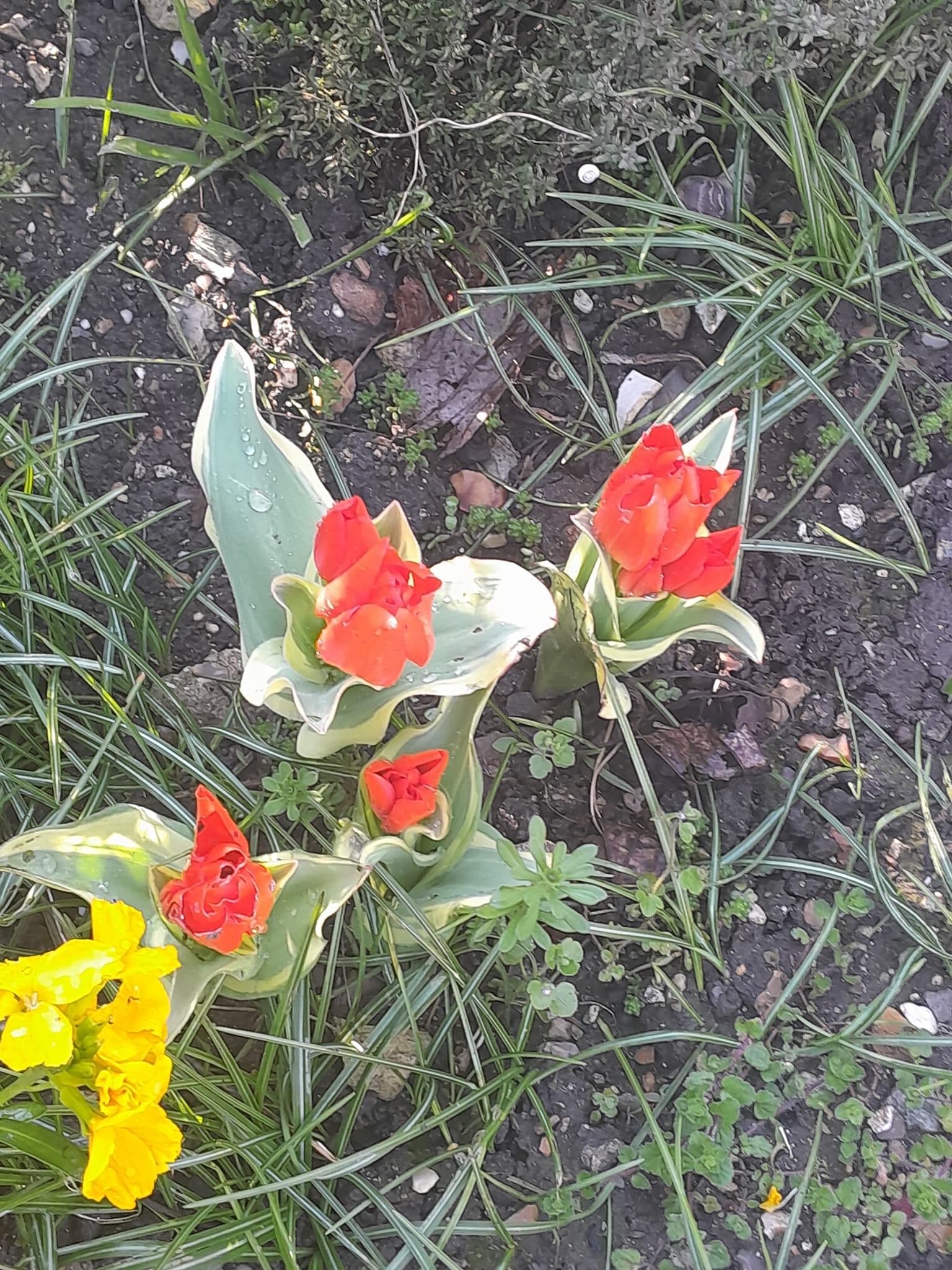
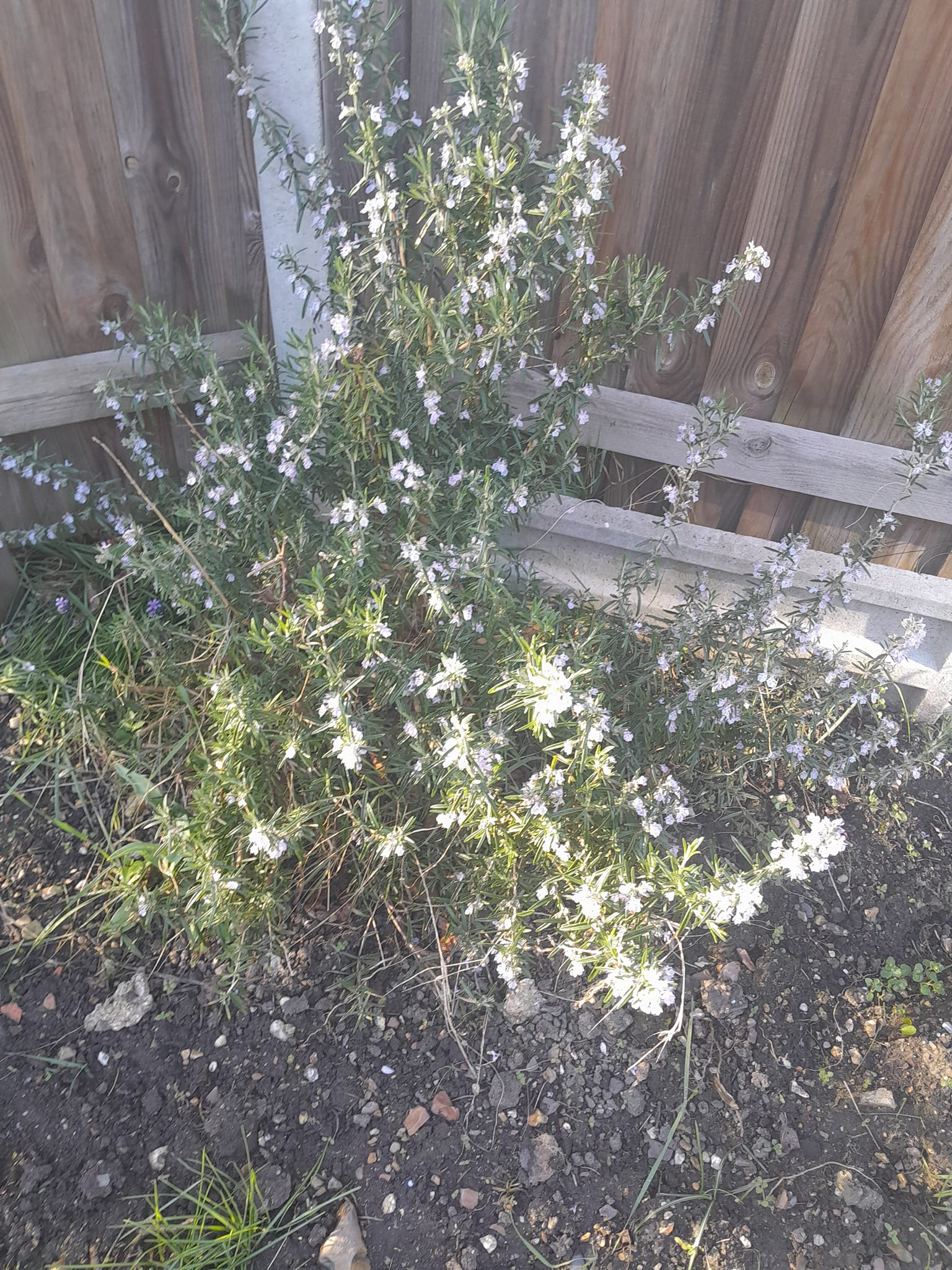
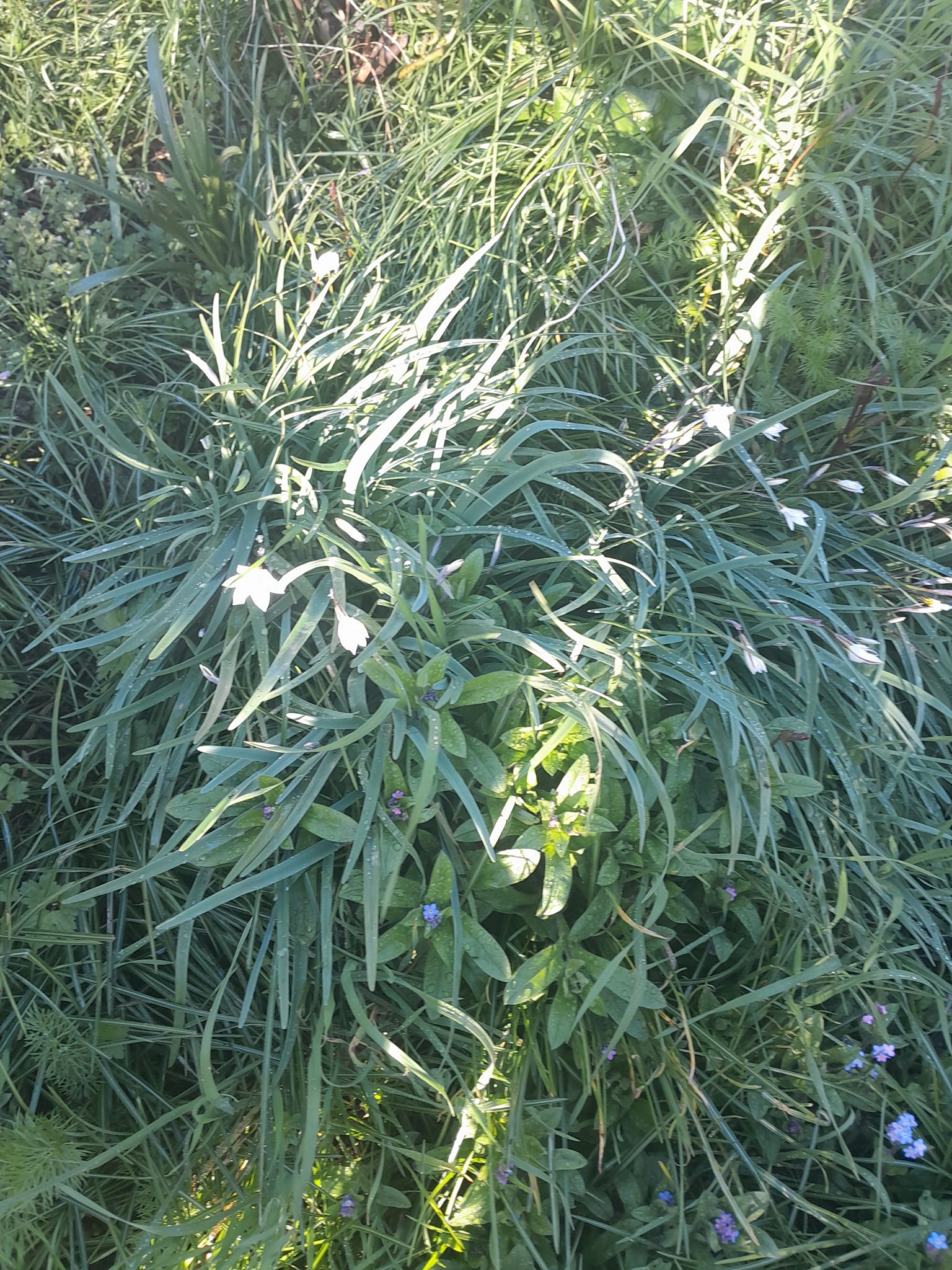
Mar 30:
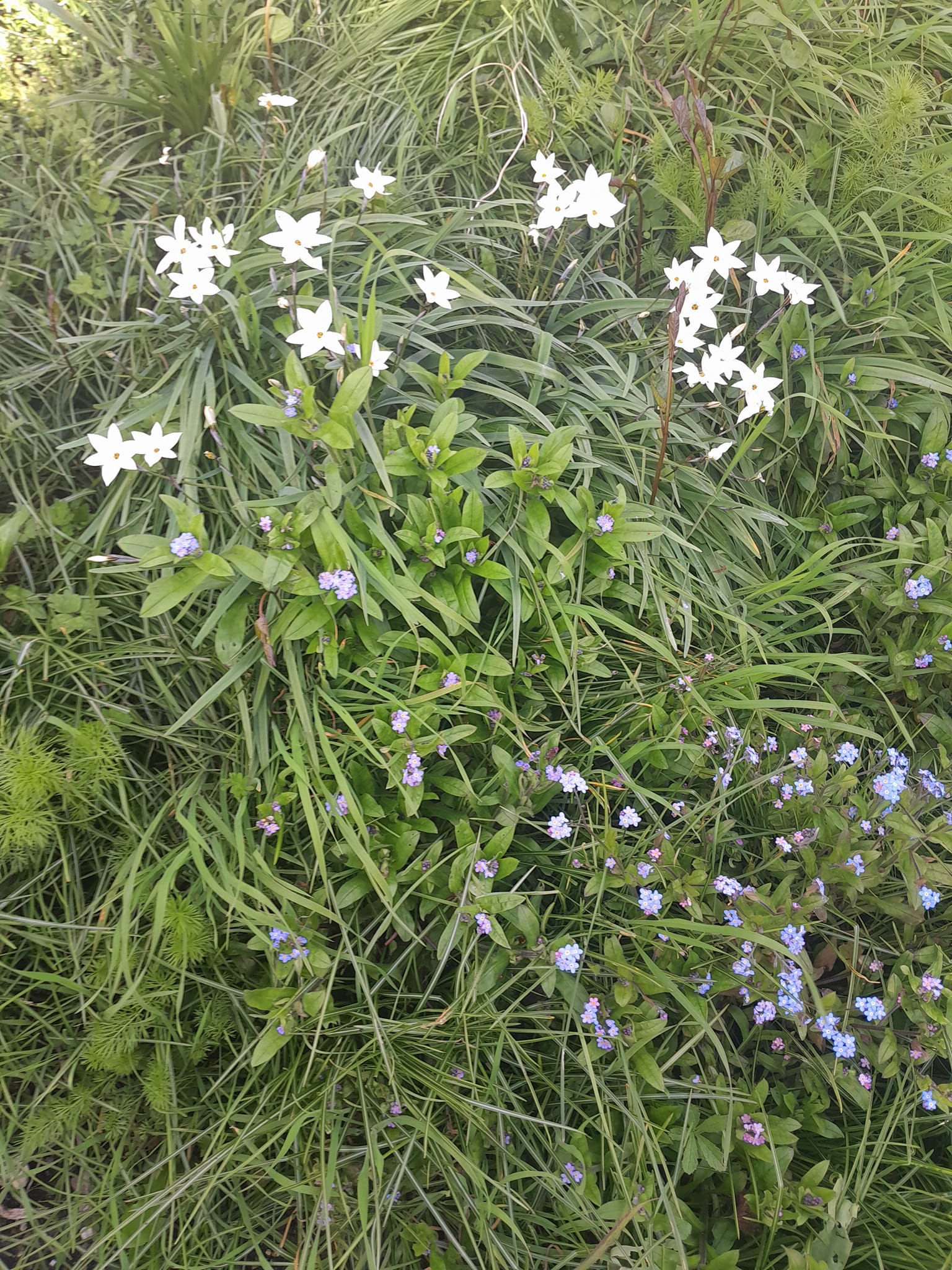
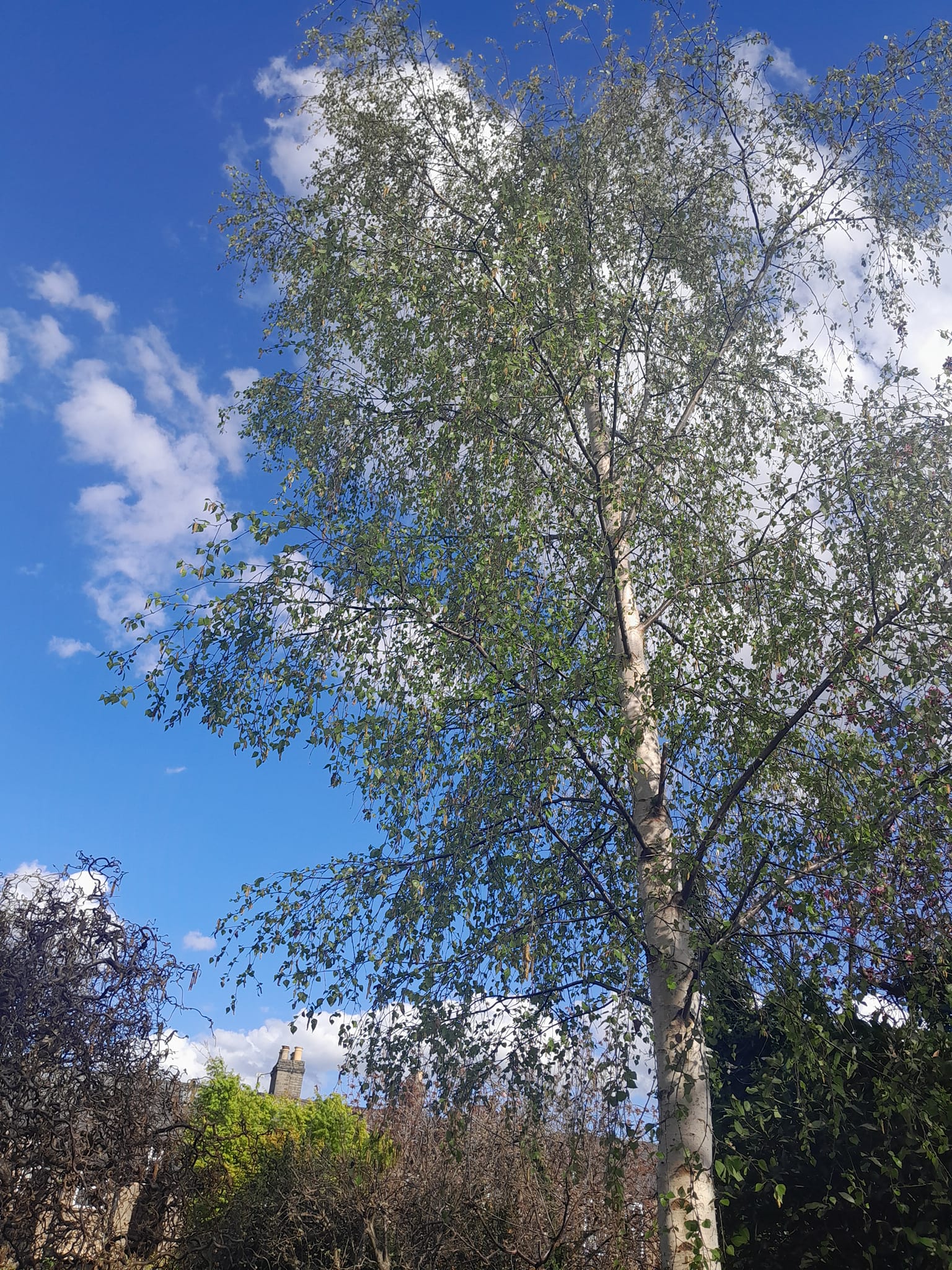
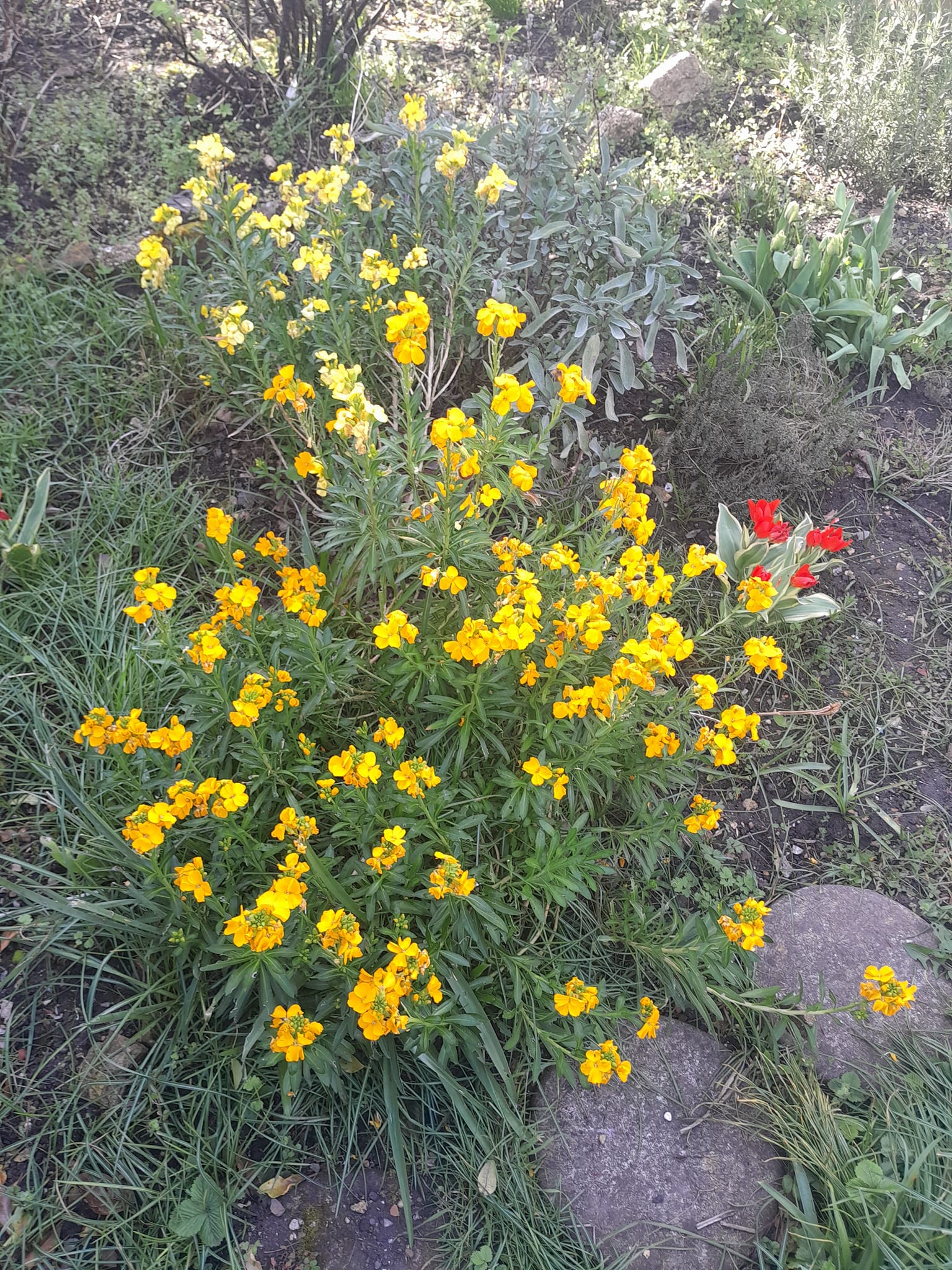
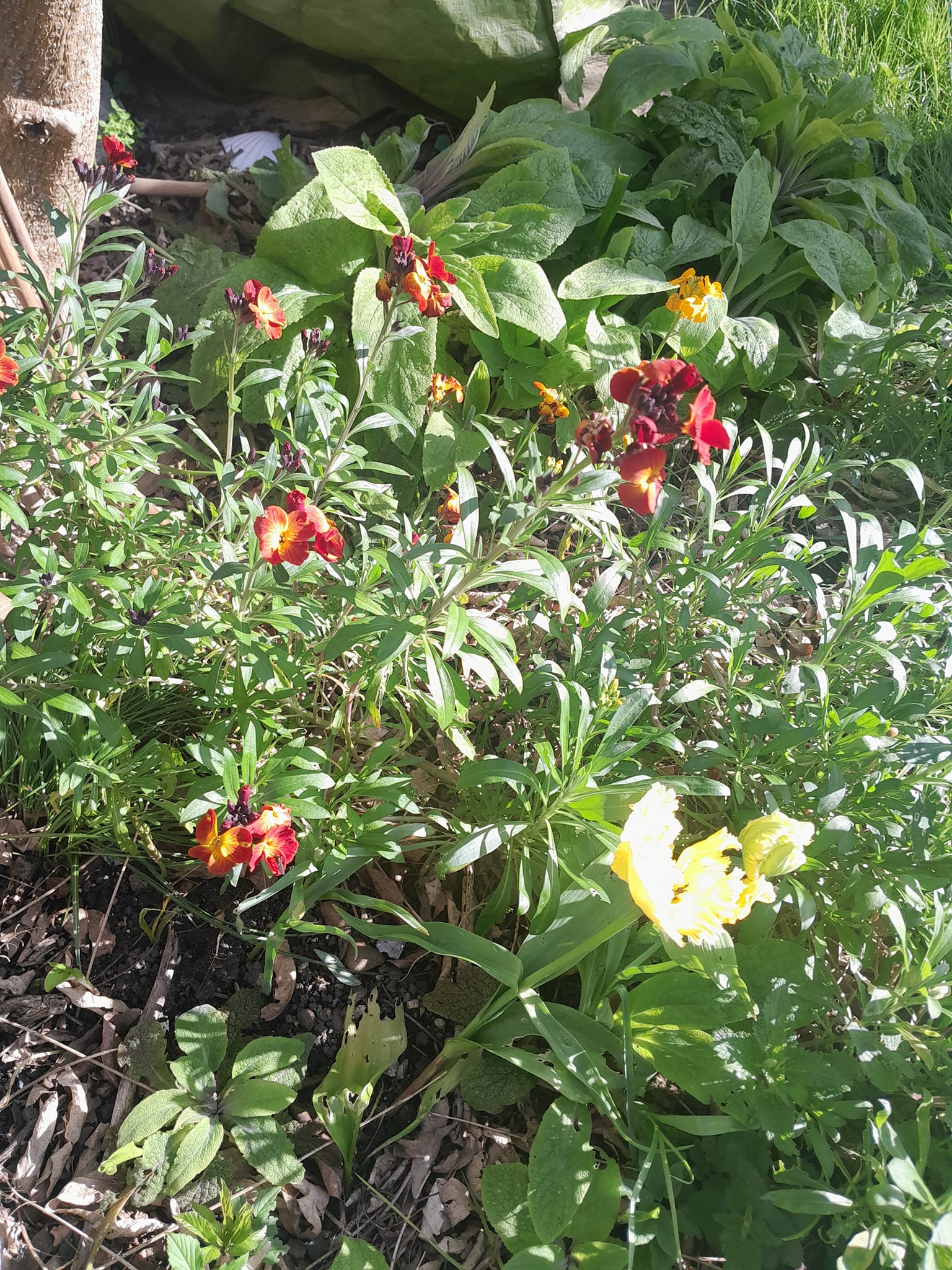
| March | 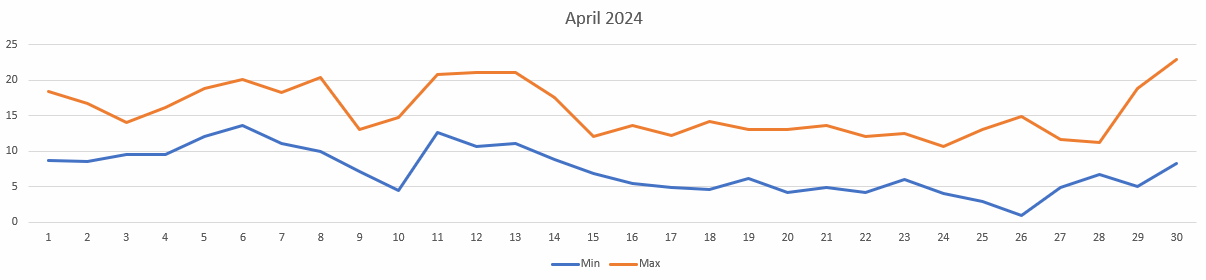 |
May |
Apr 8: Bee fly on apple blossom
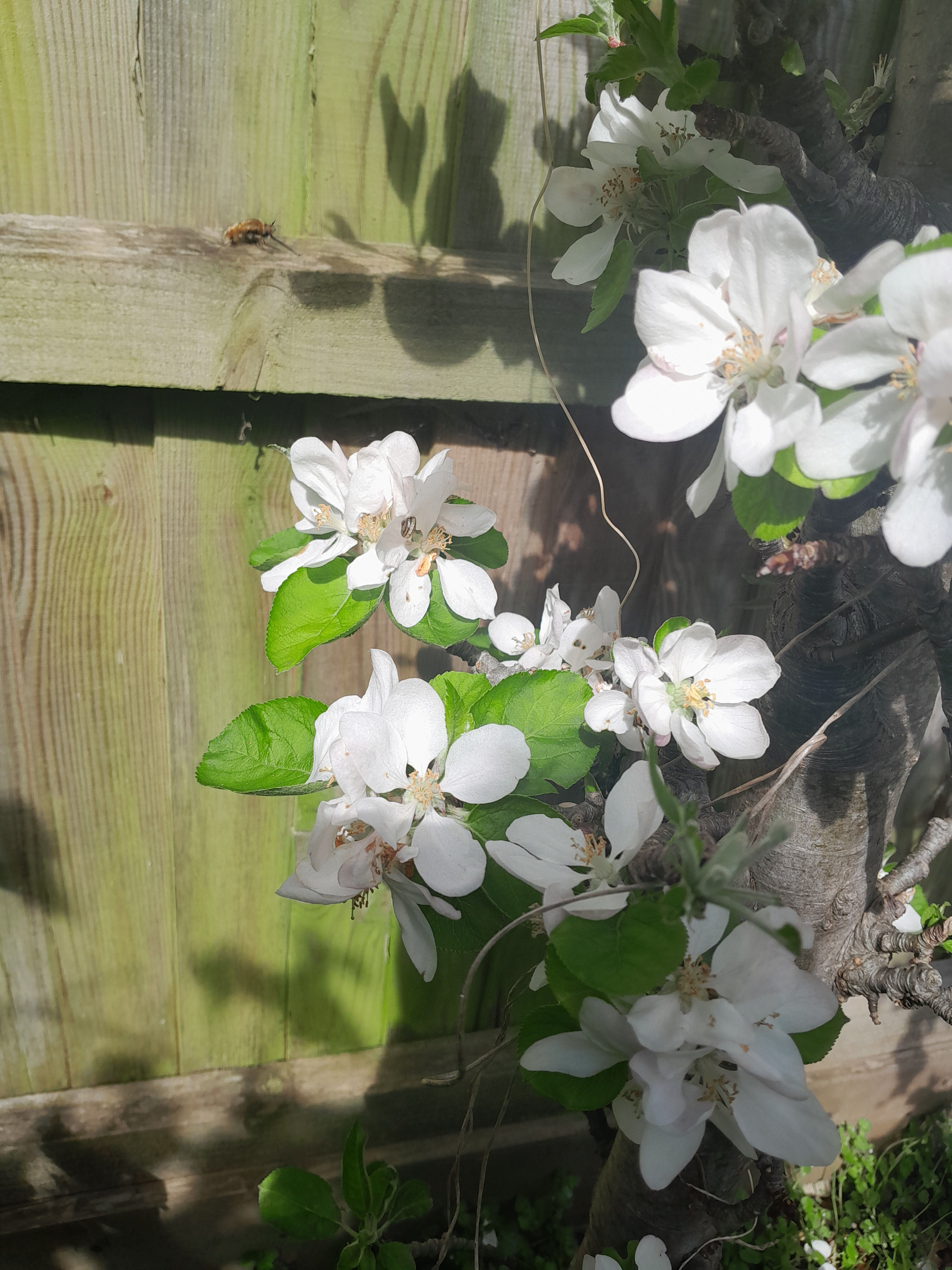
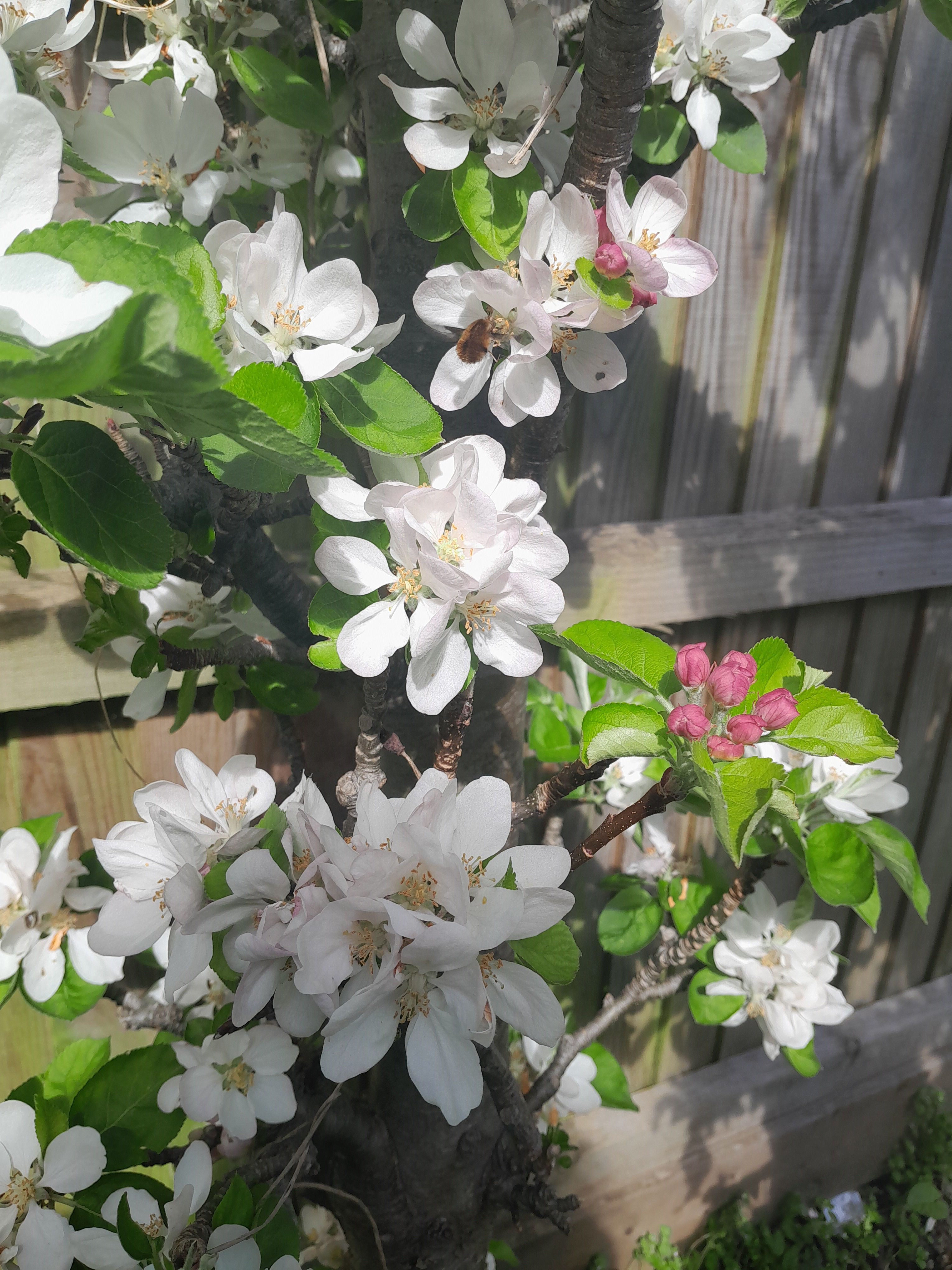
Apr 21:
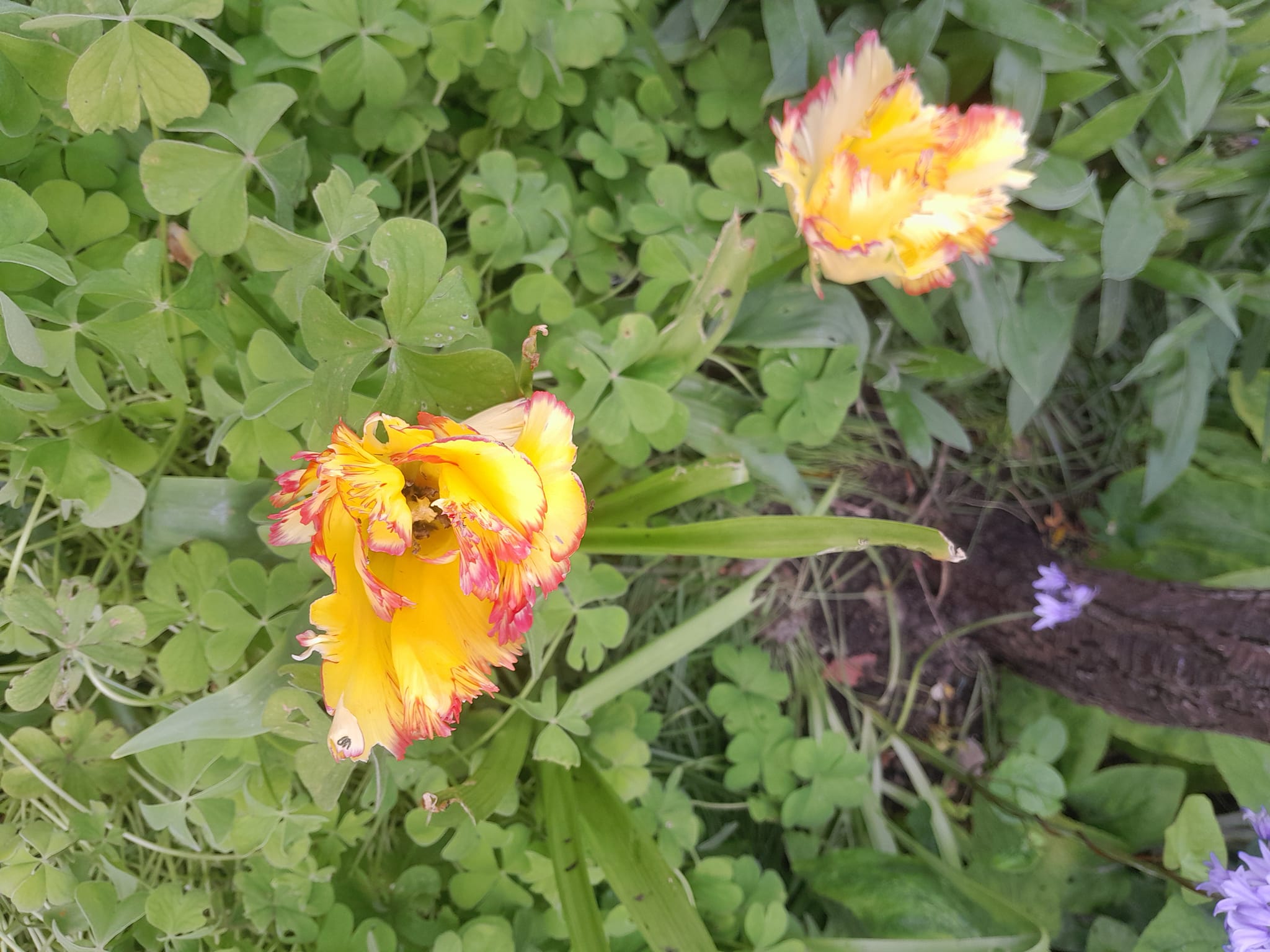
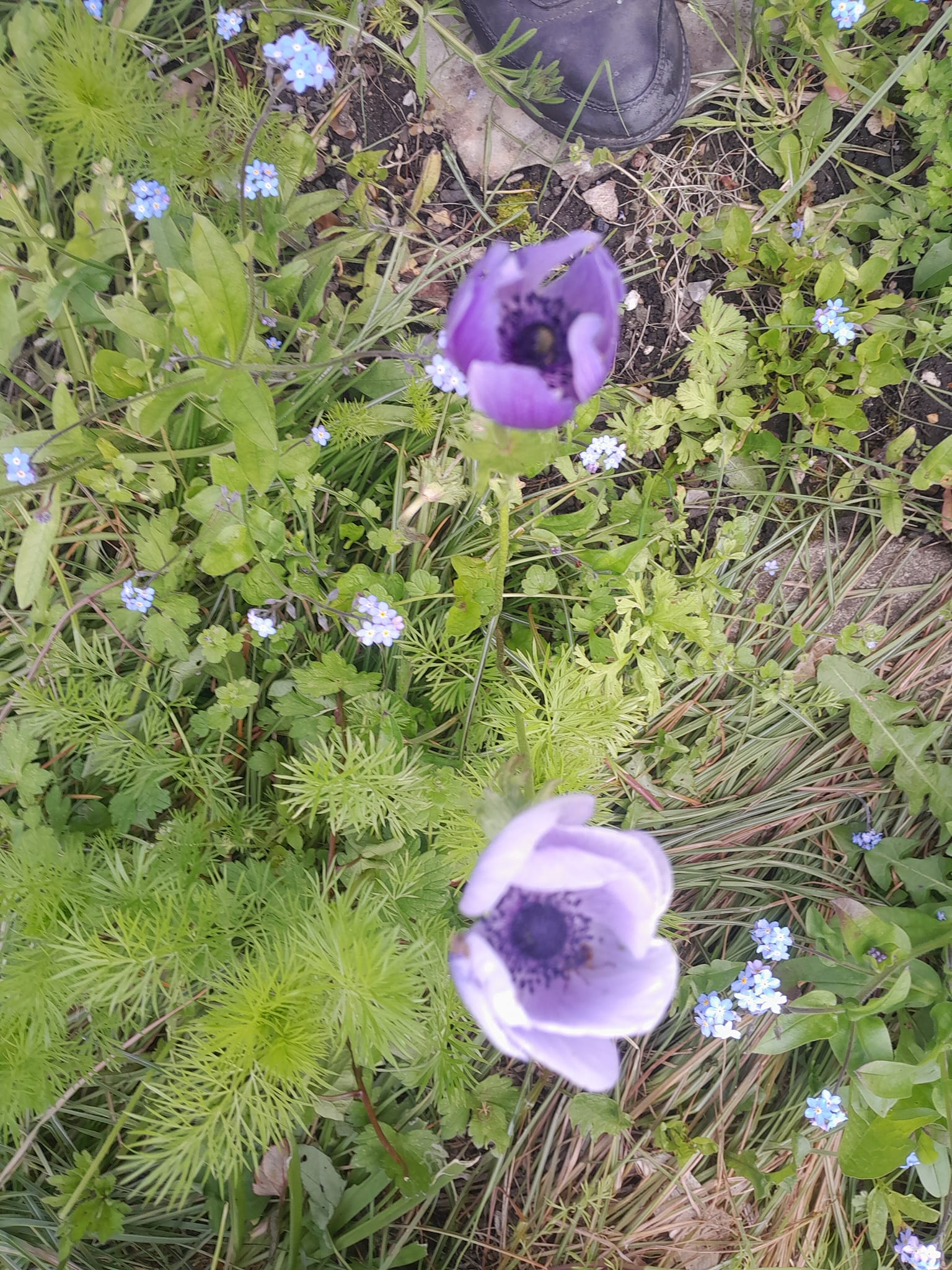
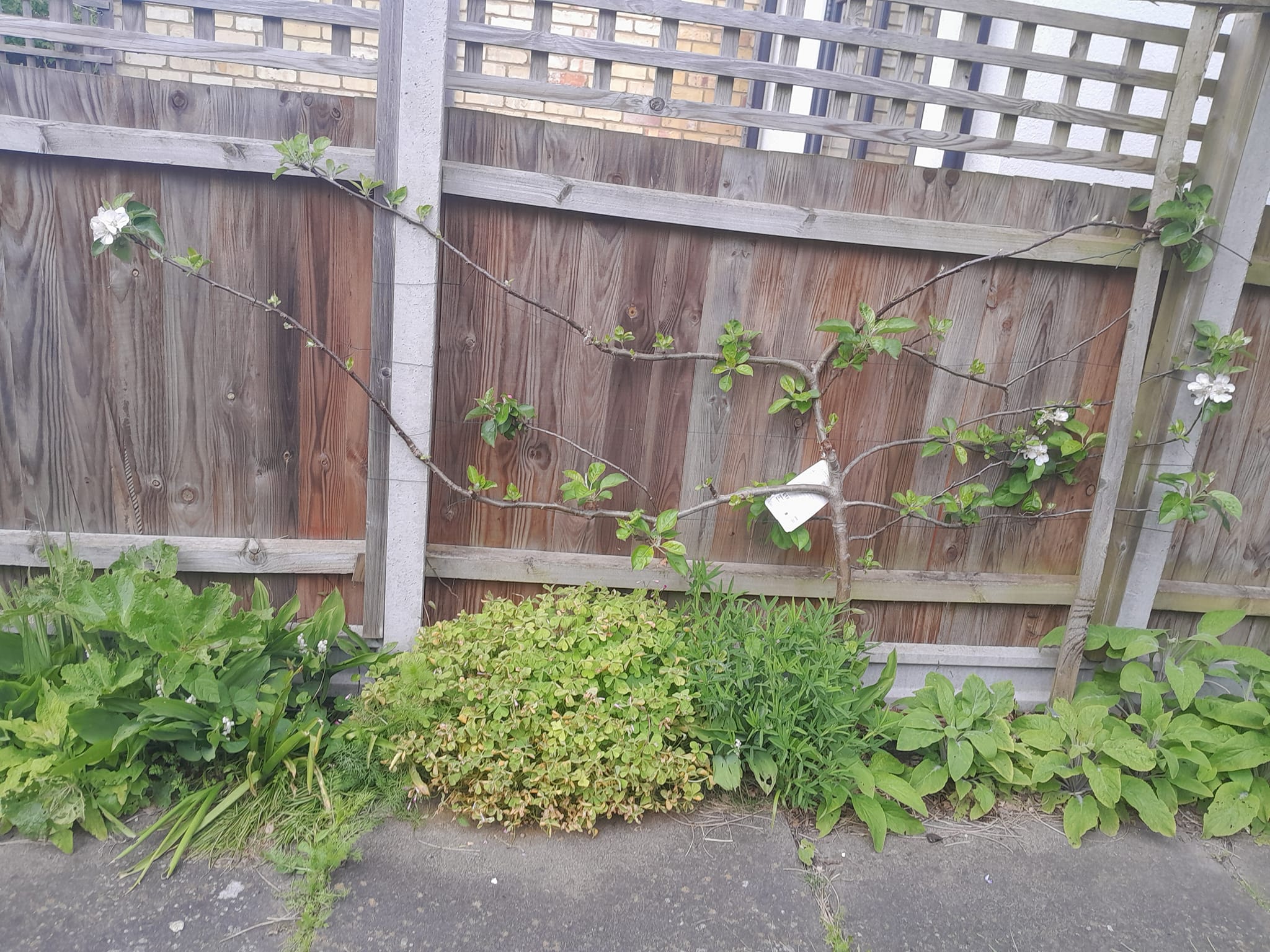
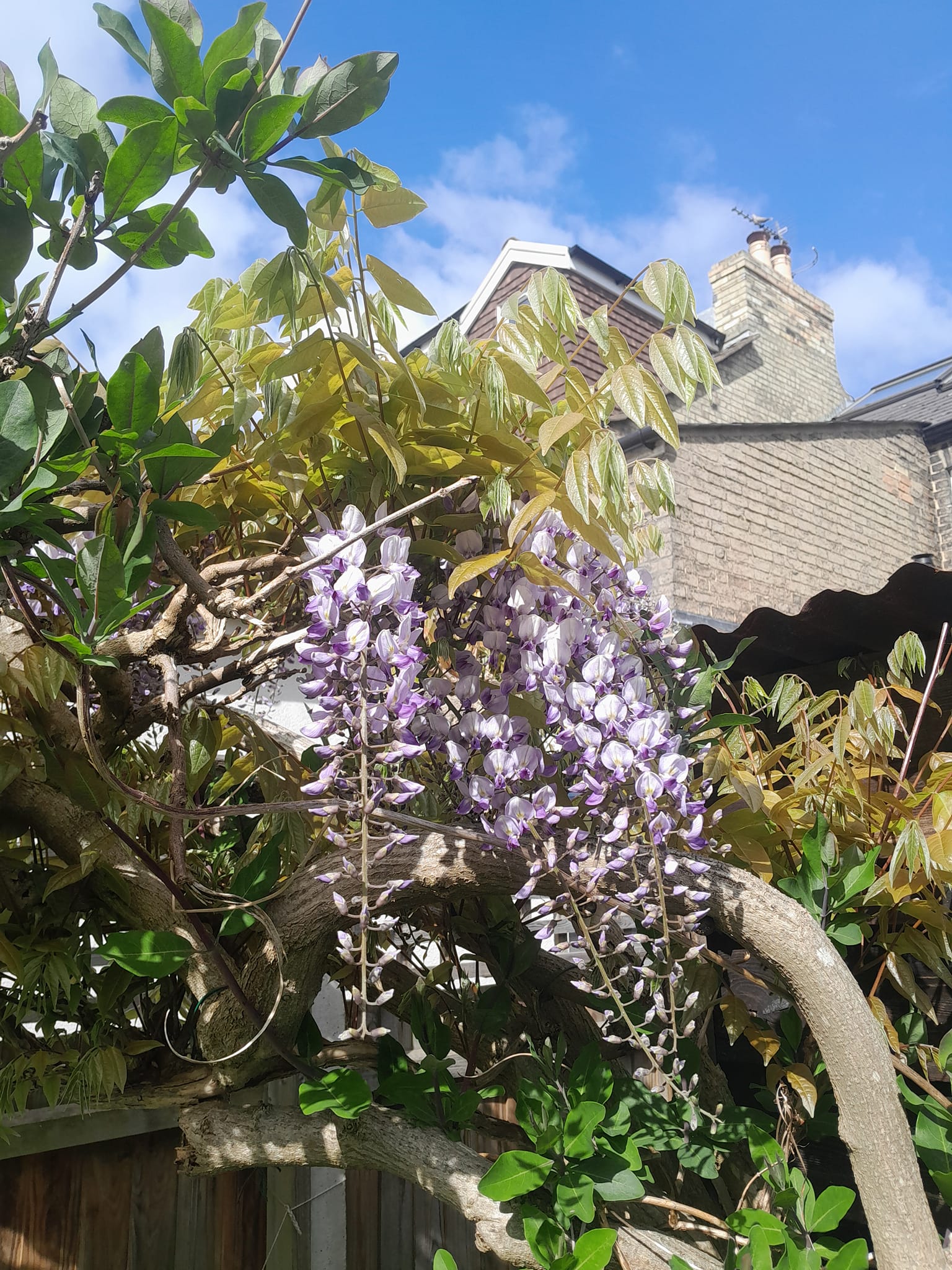
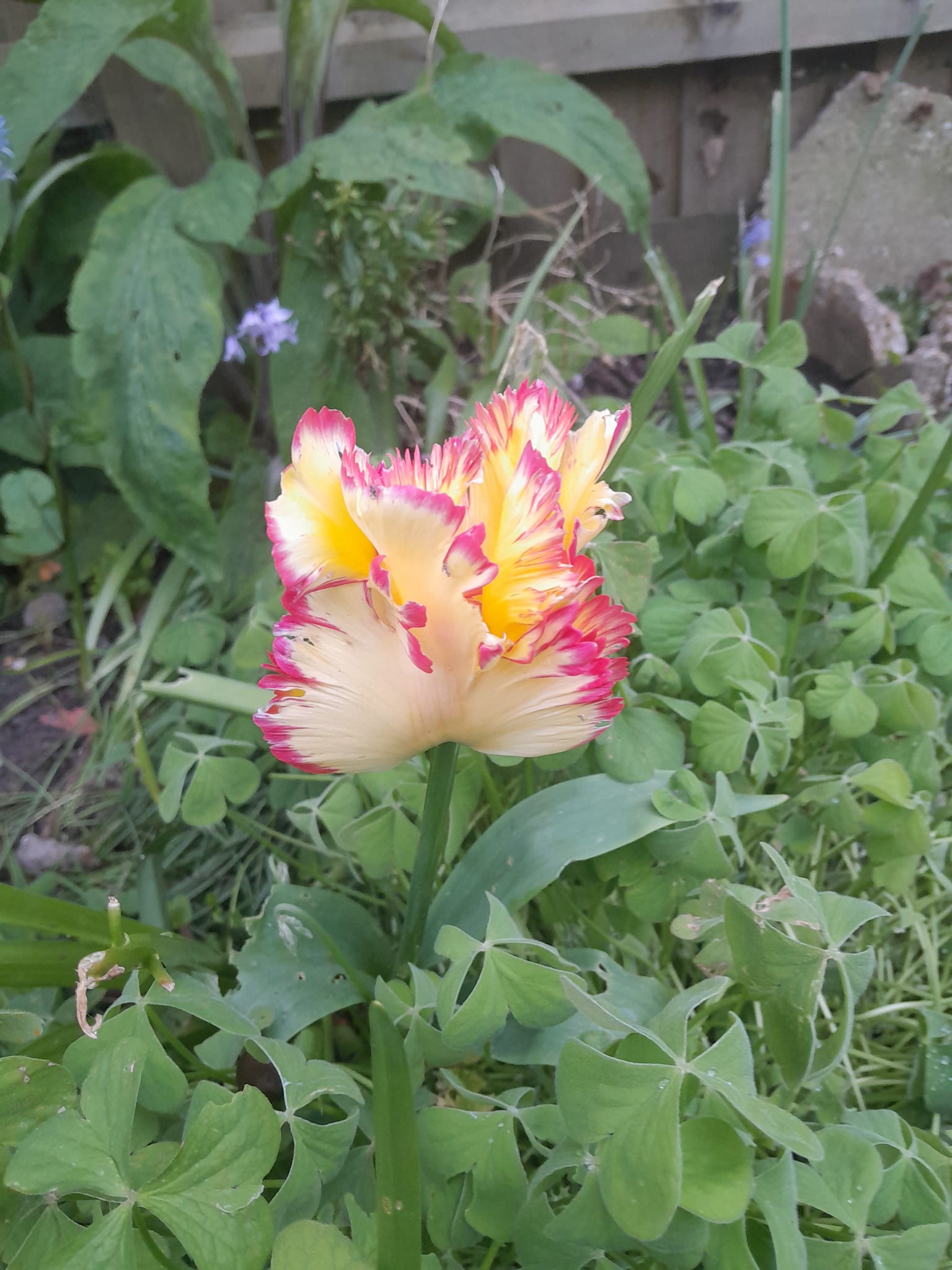
Apr 28:
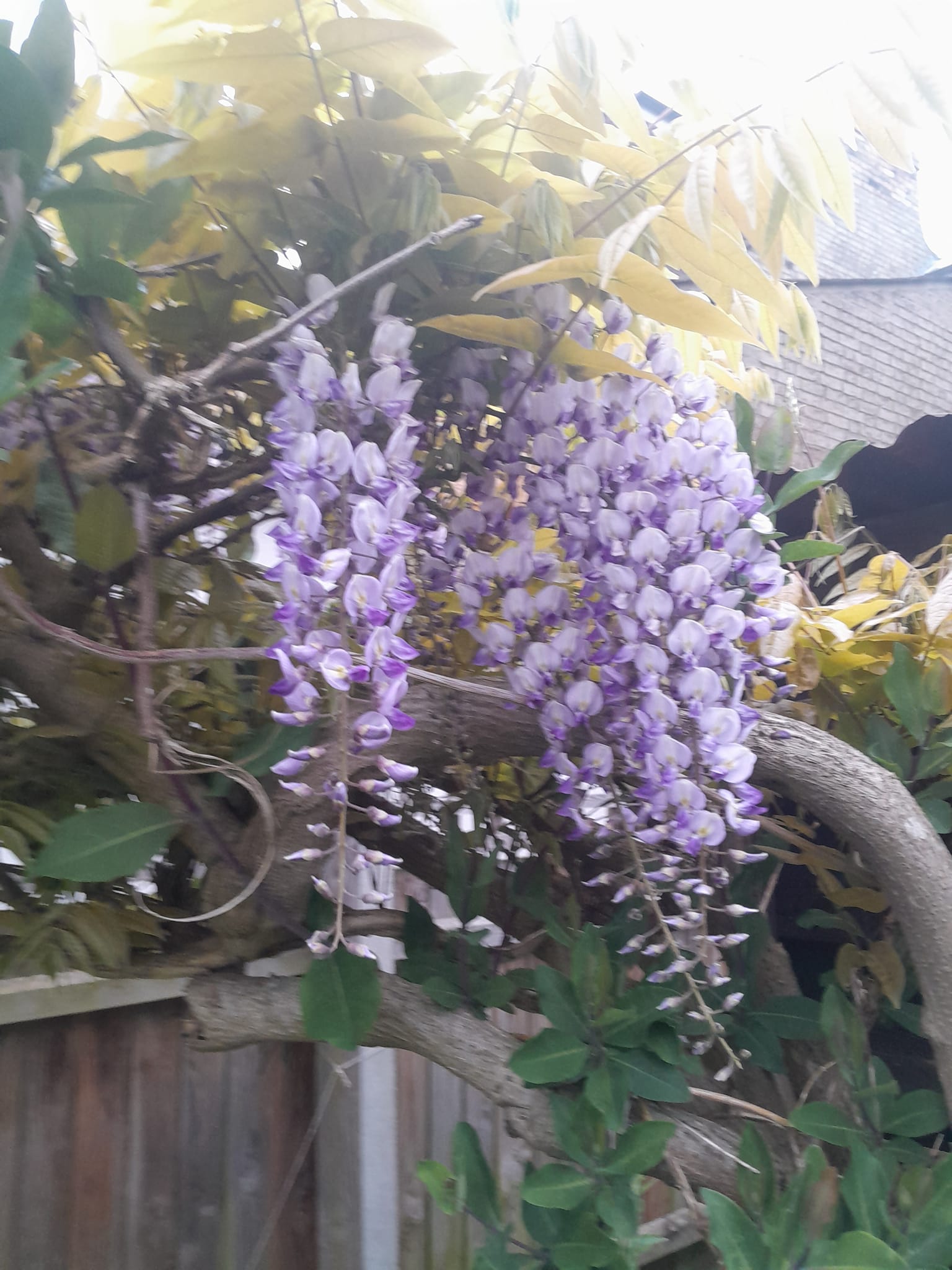
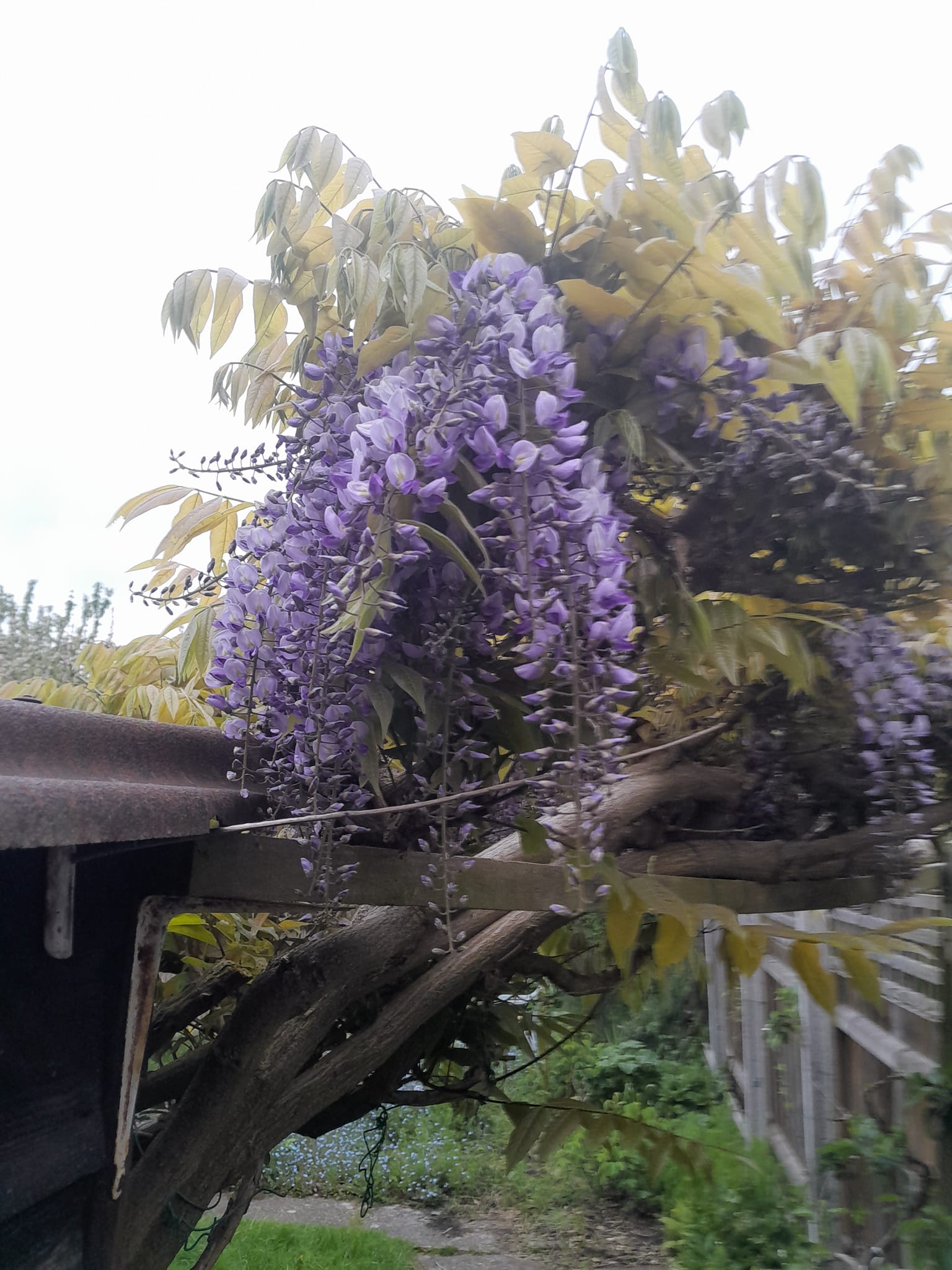
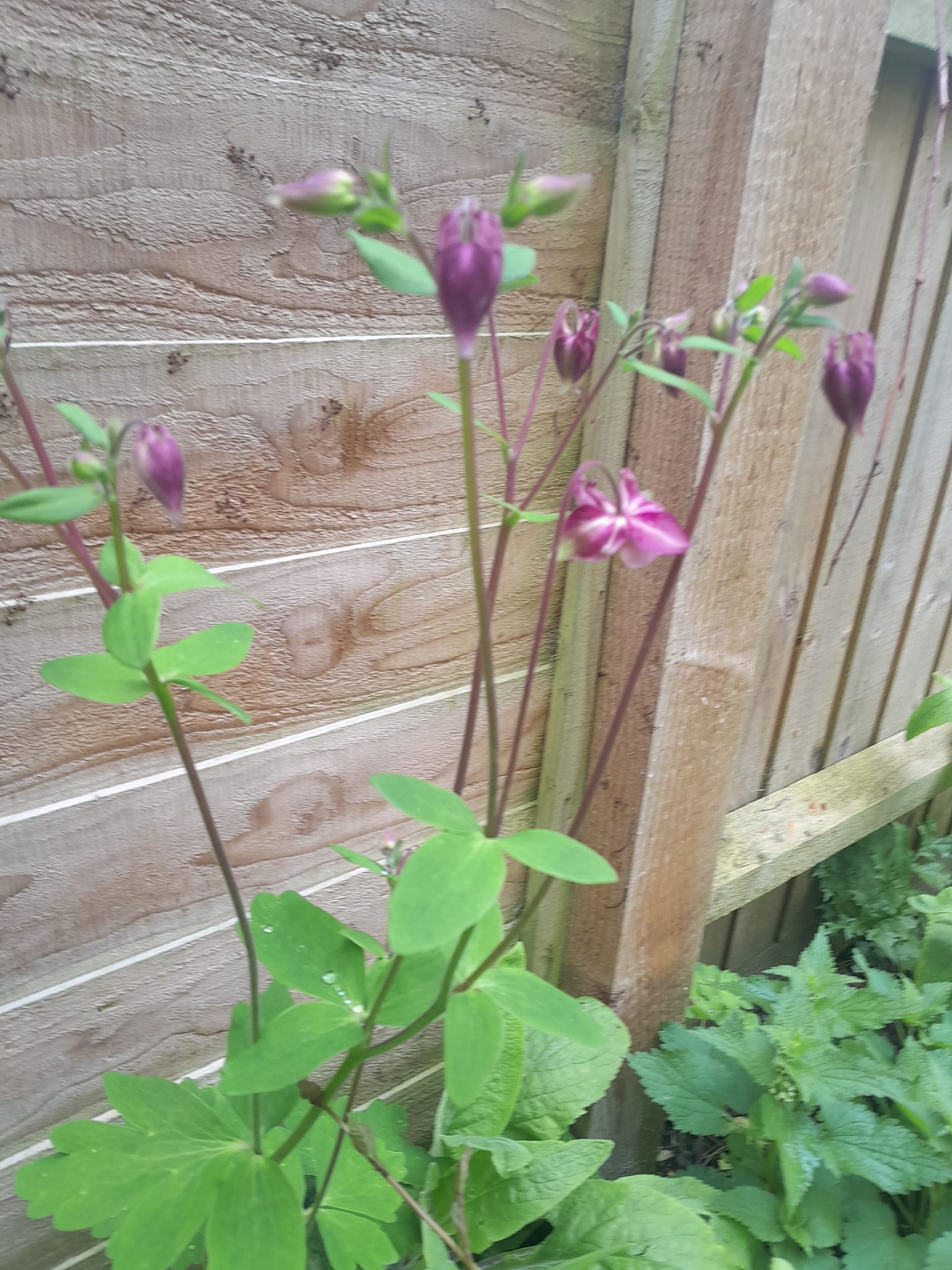
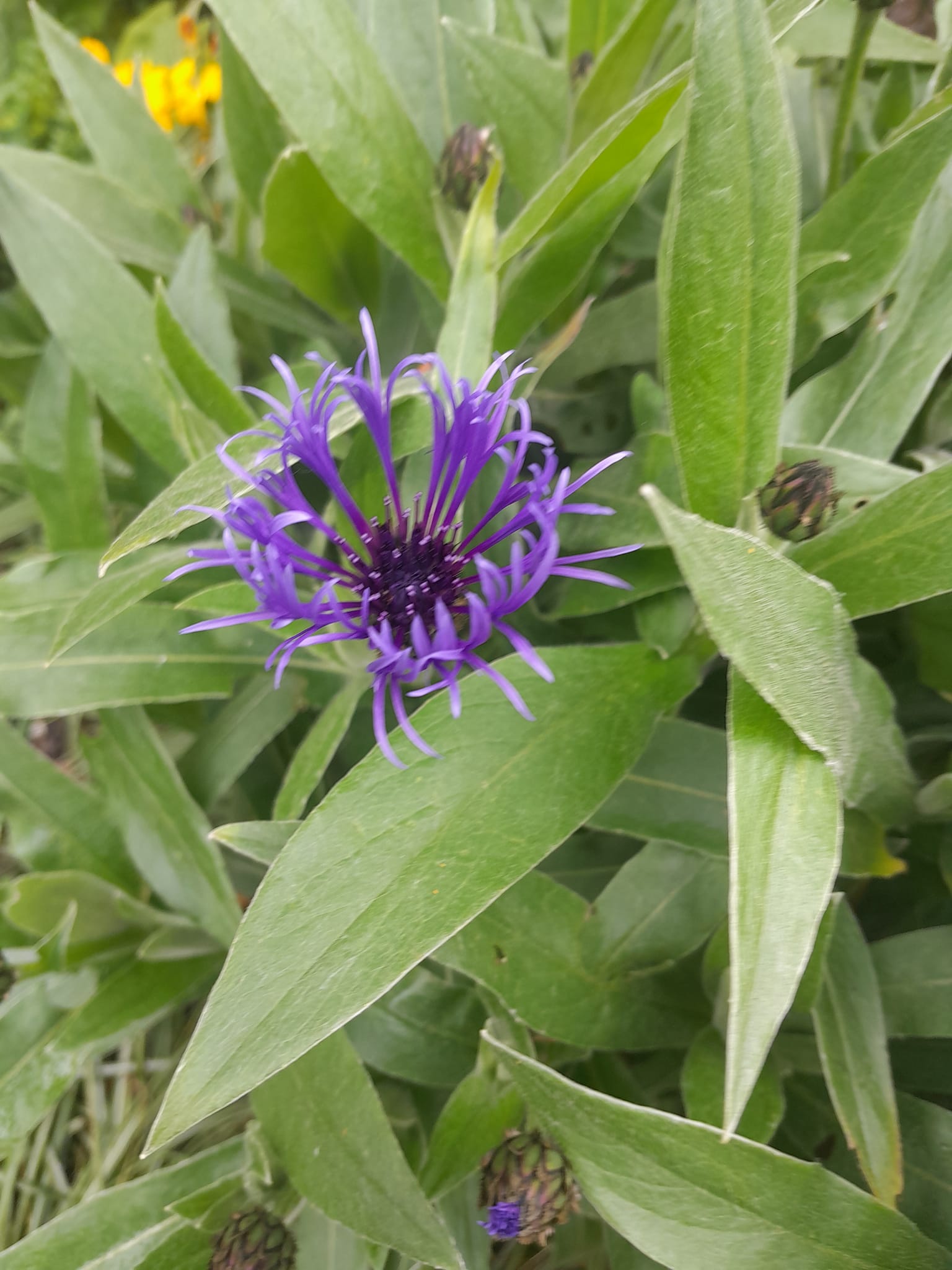
| April |  |
June |
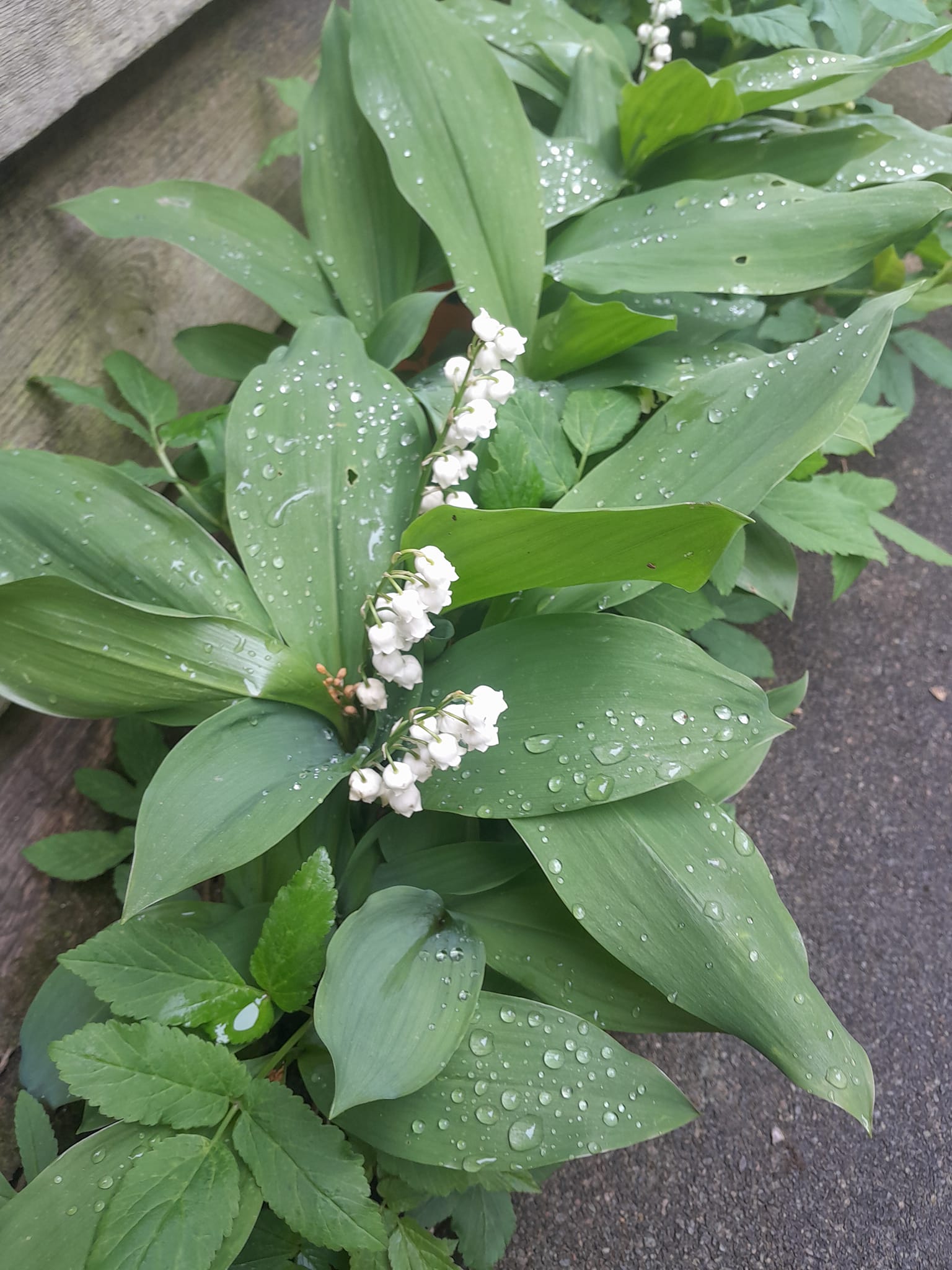
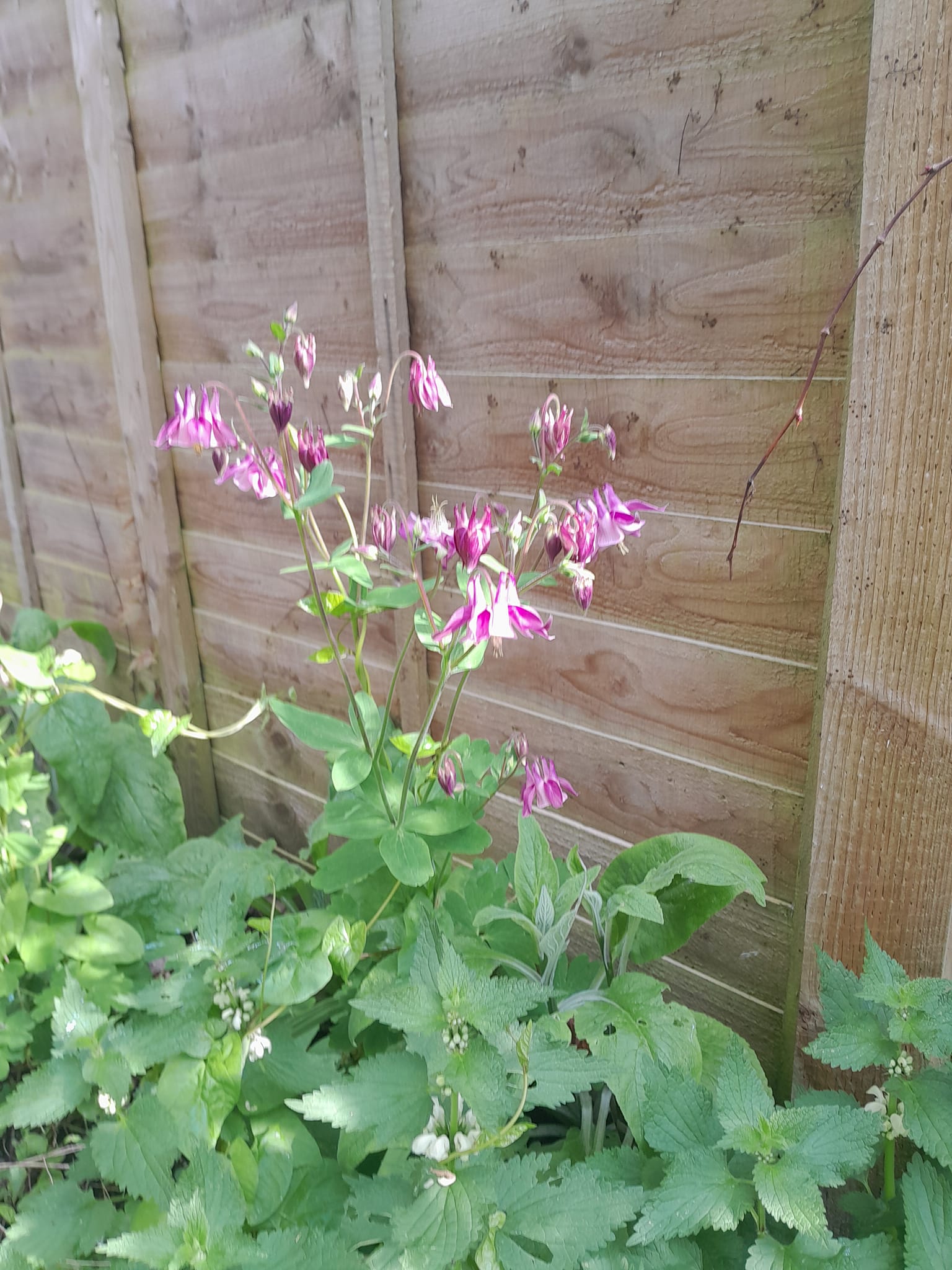
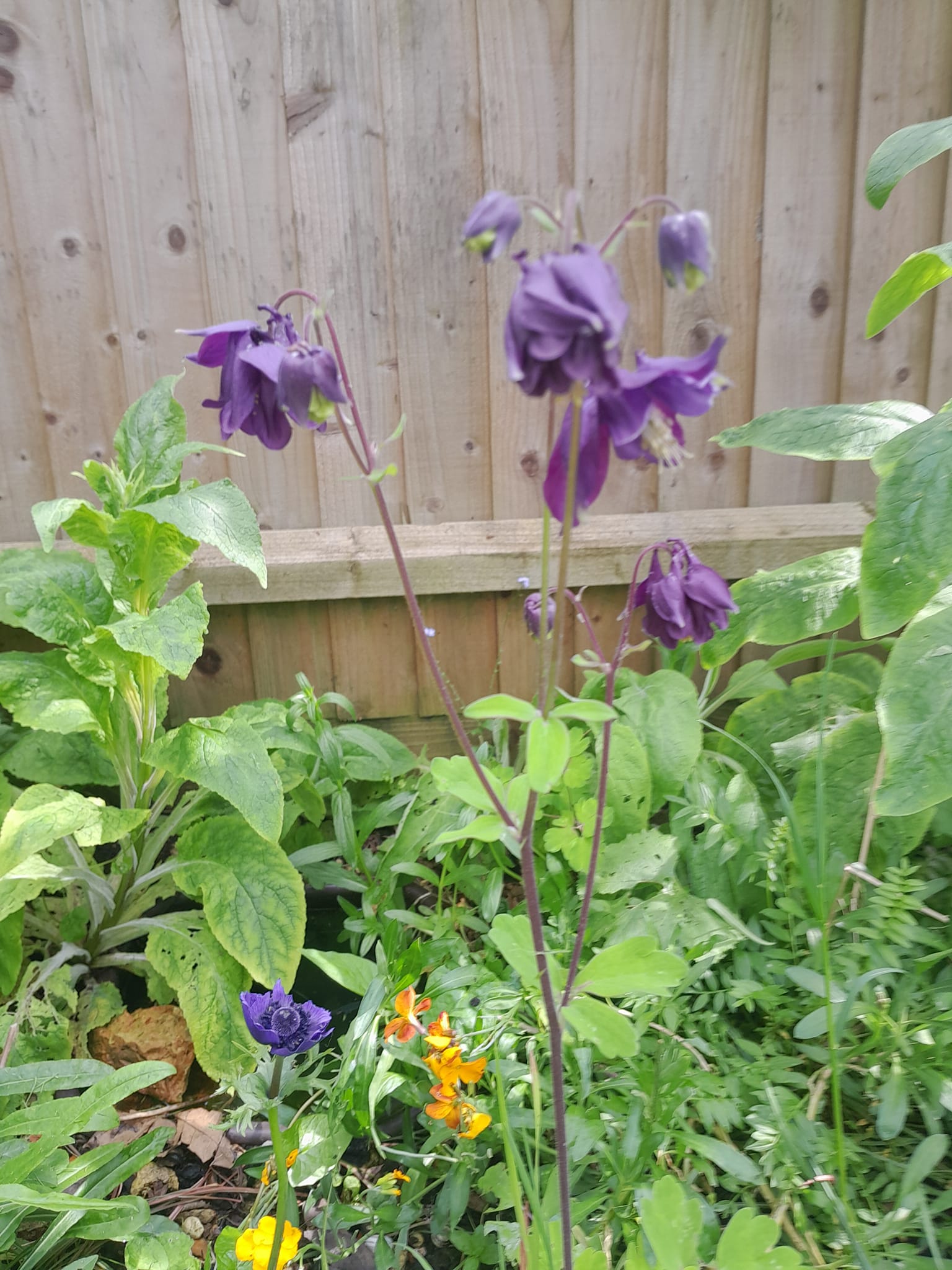
May 5:
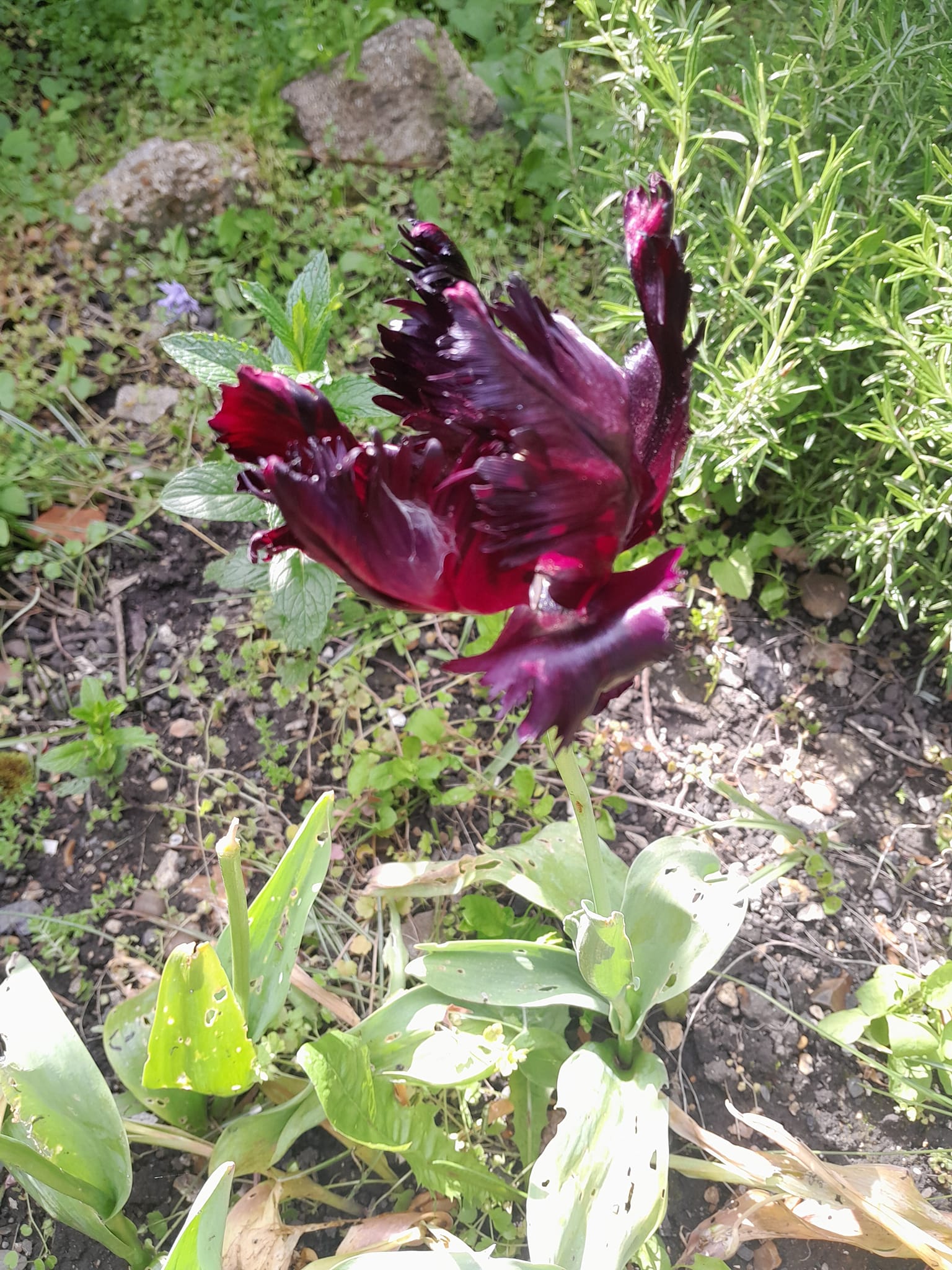
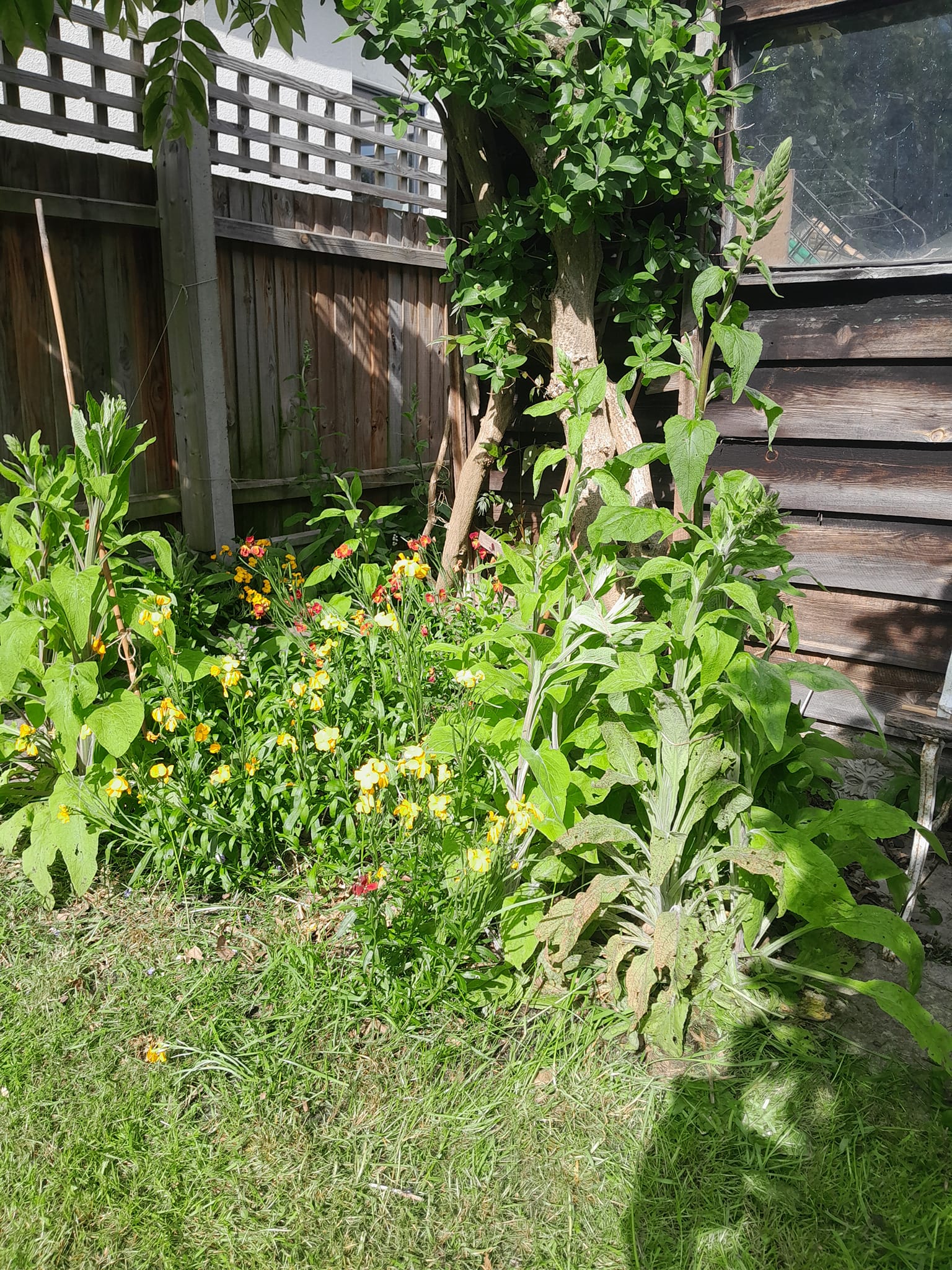
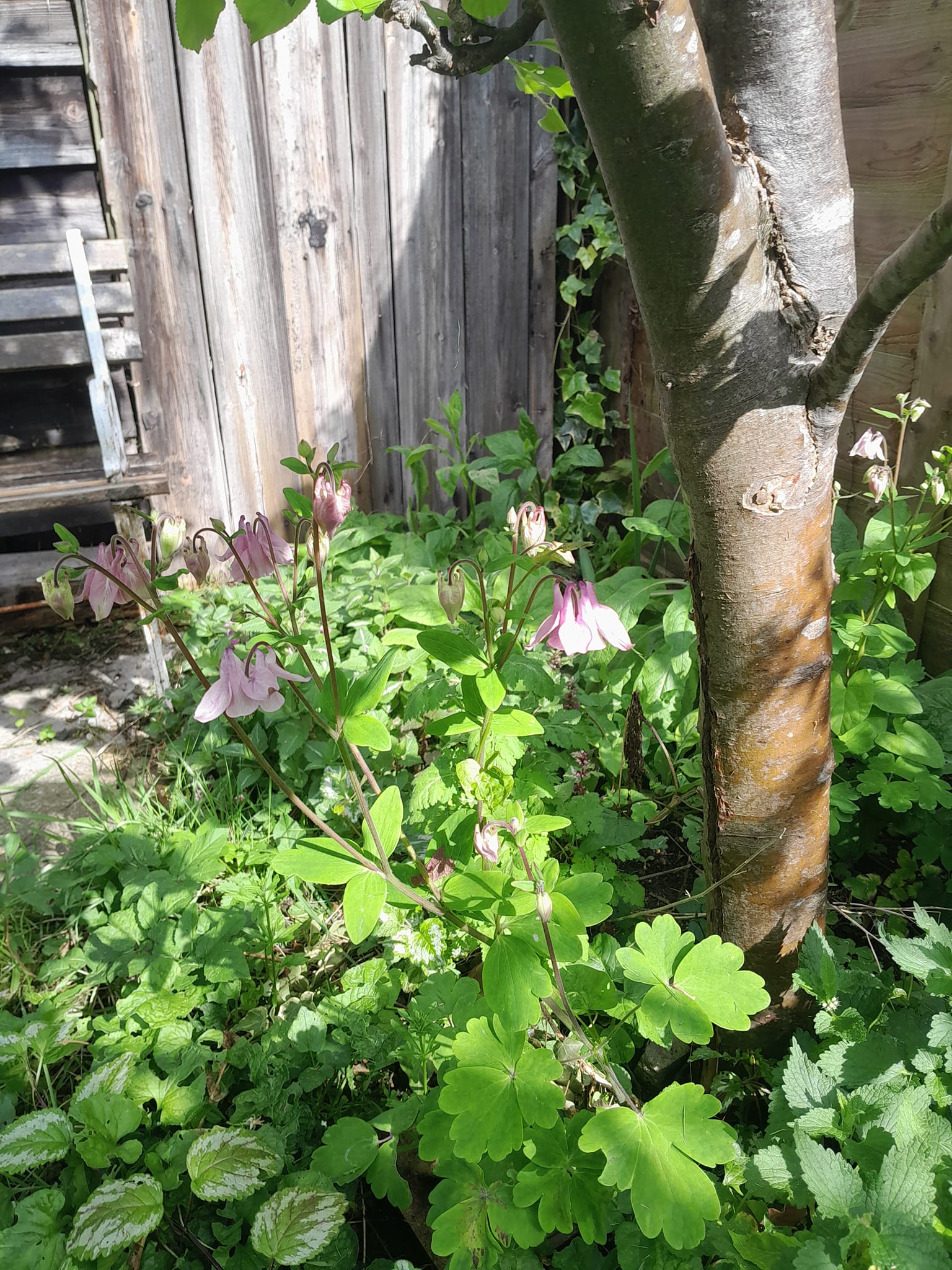
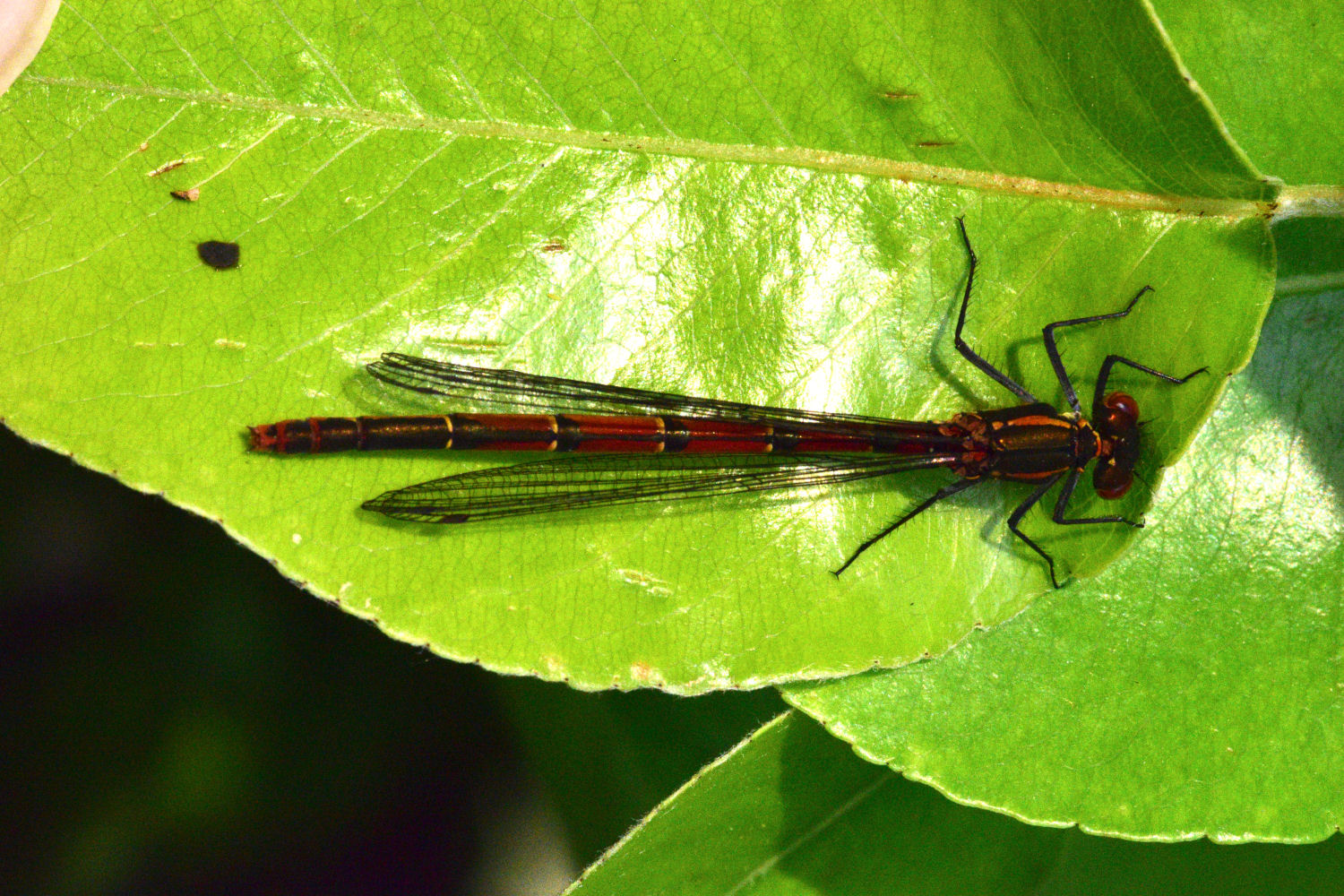
May 8: Pyrrhosoma nymphula (Large Red Damselfly) - The common name says it all really, while indicating that there is also a Small Red Damselfly - but that is quite scarce and confined to southern counties (and has red legs). This species is very common throughout Britain, even reaching the Shetlands. There are several colour forms of the female - males are redder without the black and gold bands. It is usually the first damselfly or dragonfly to emerge in Spring.
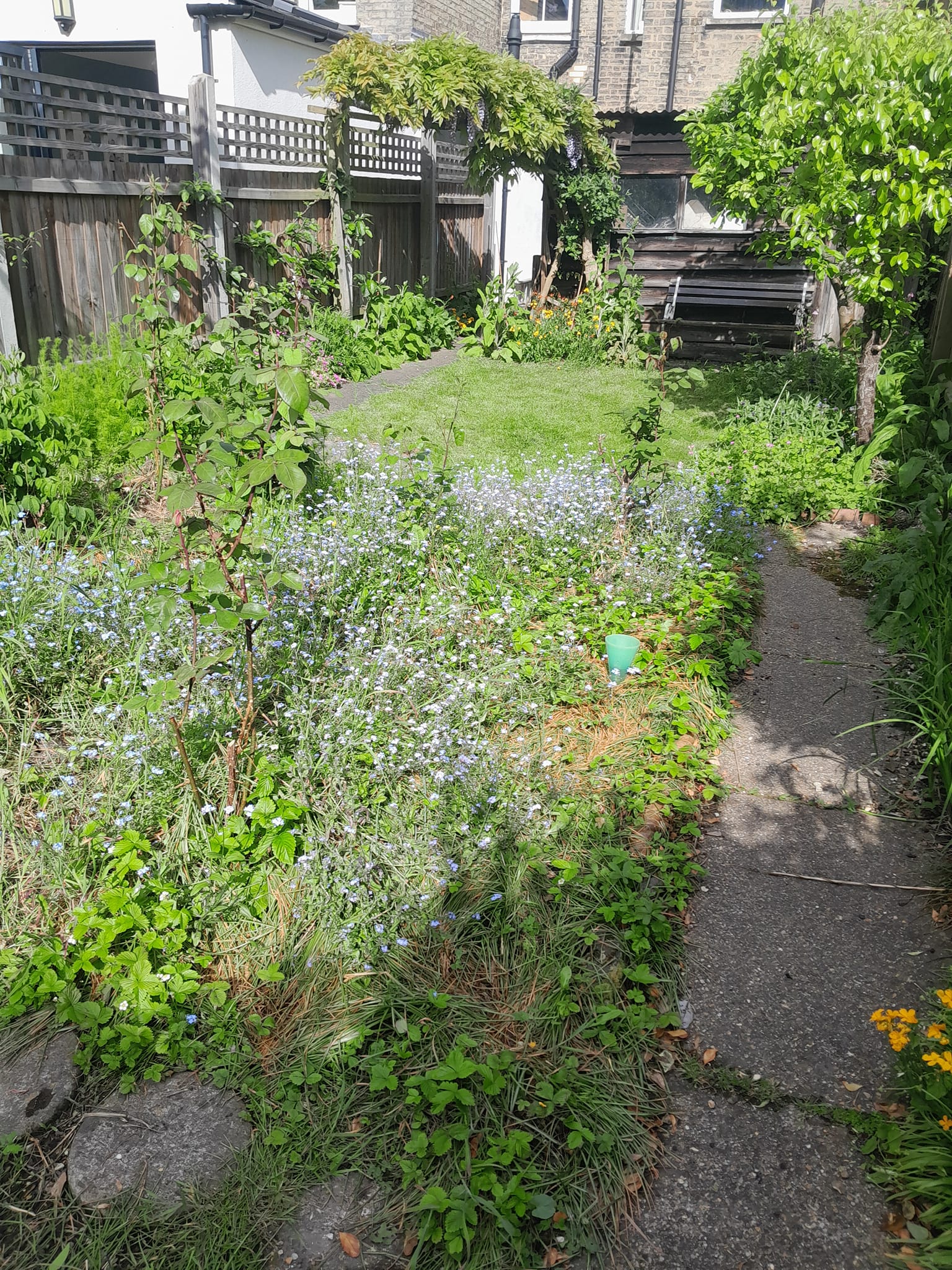
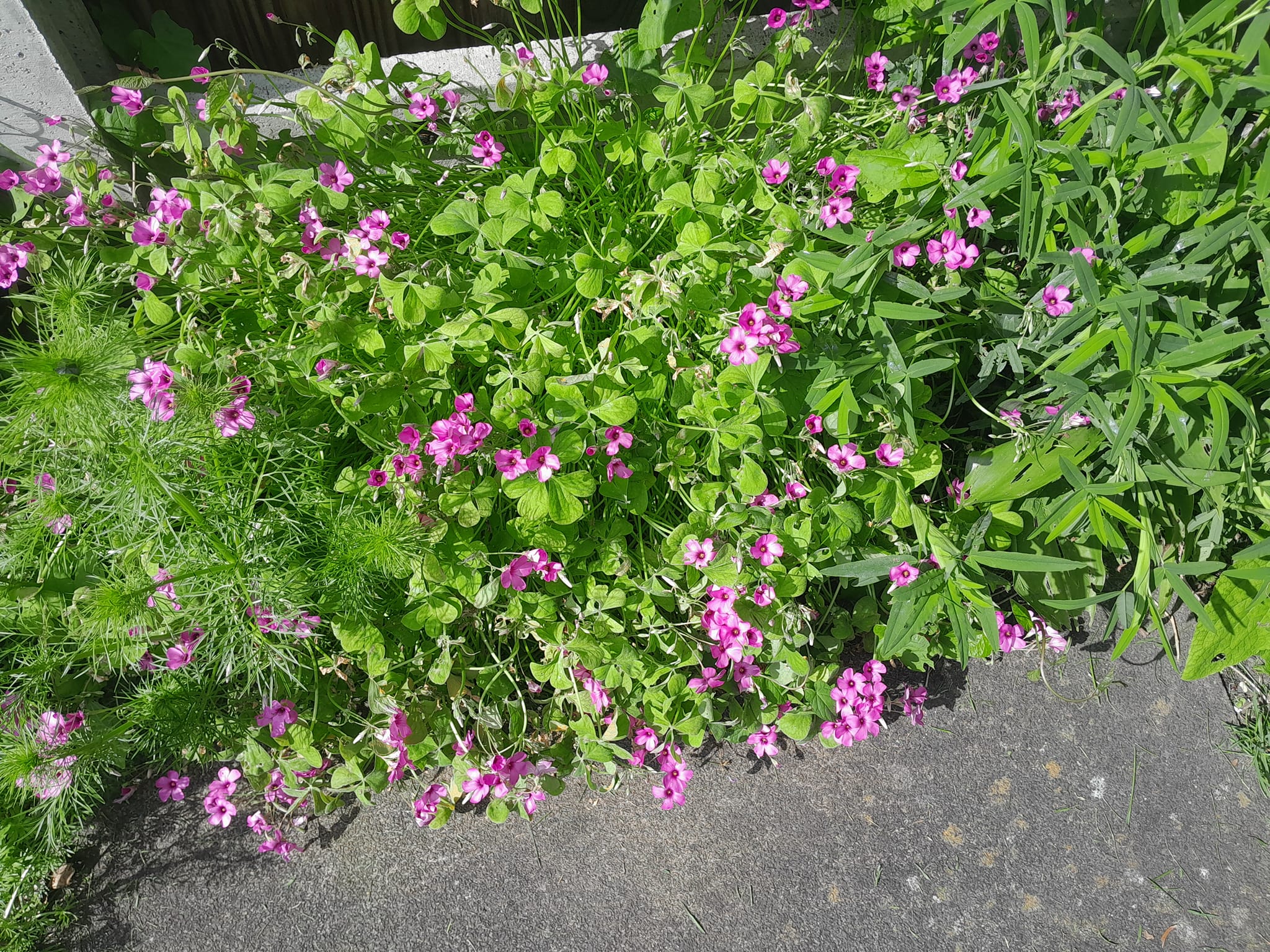
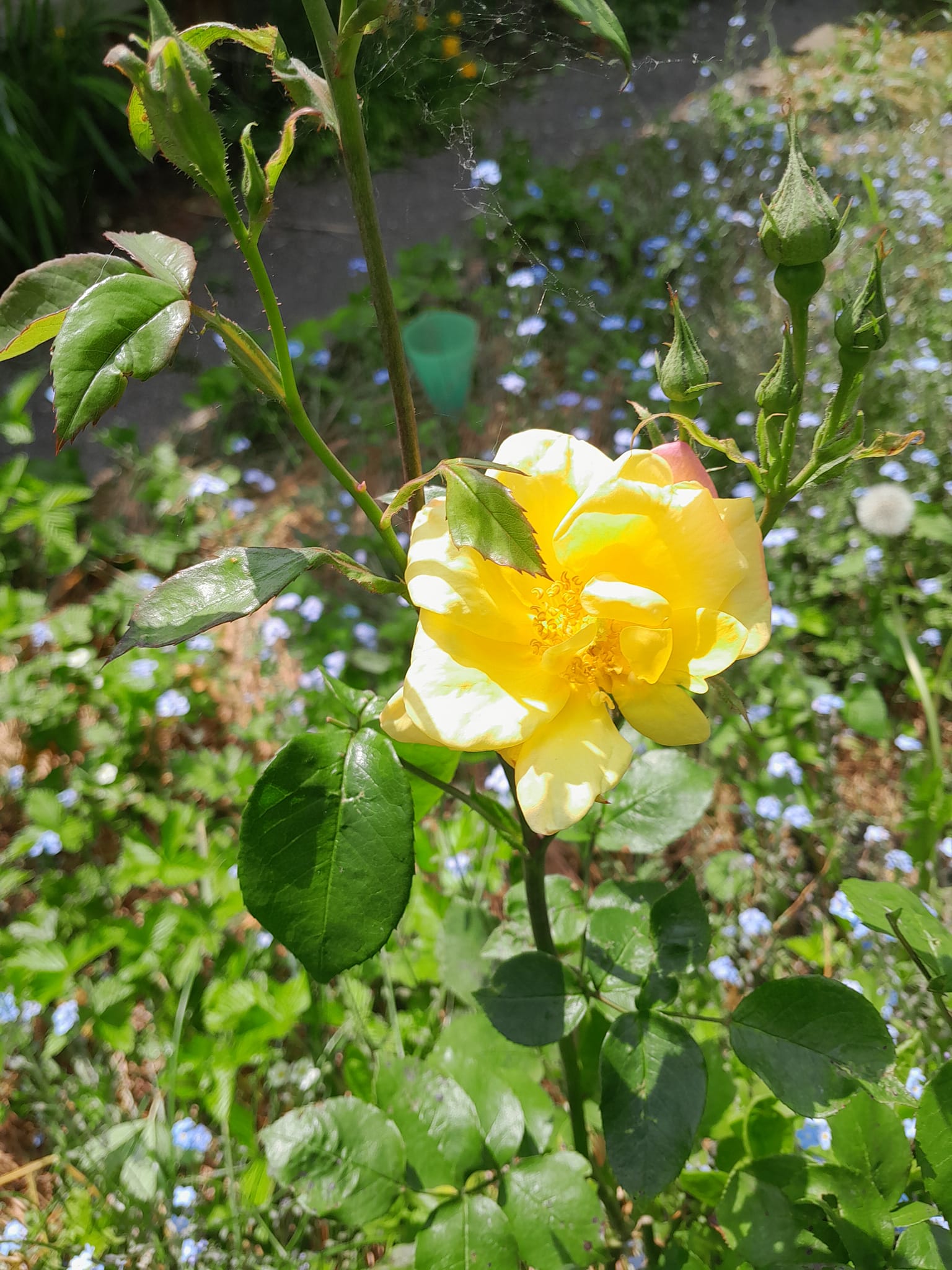
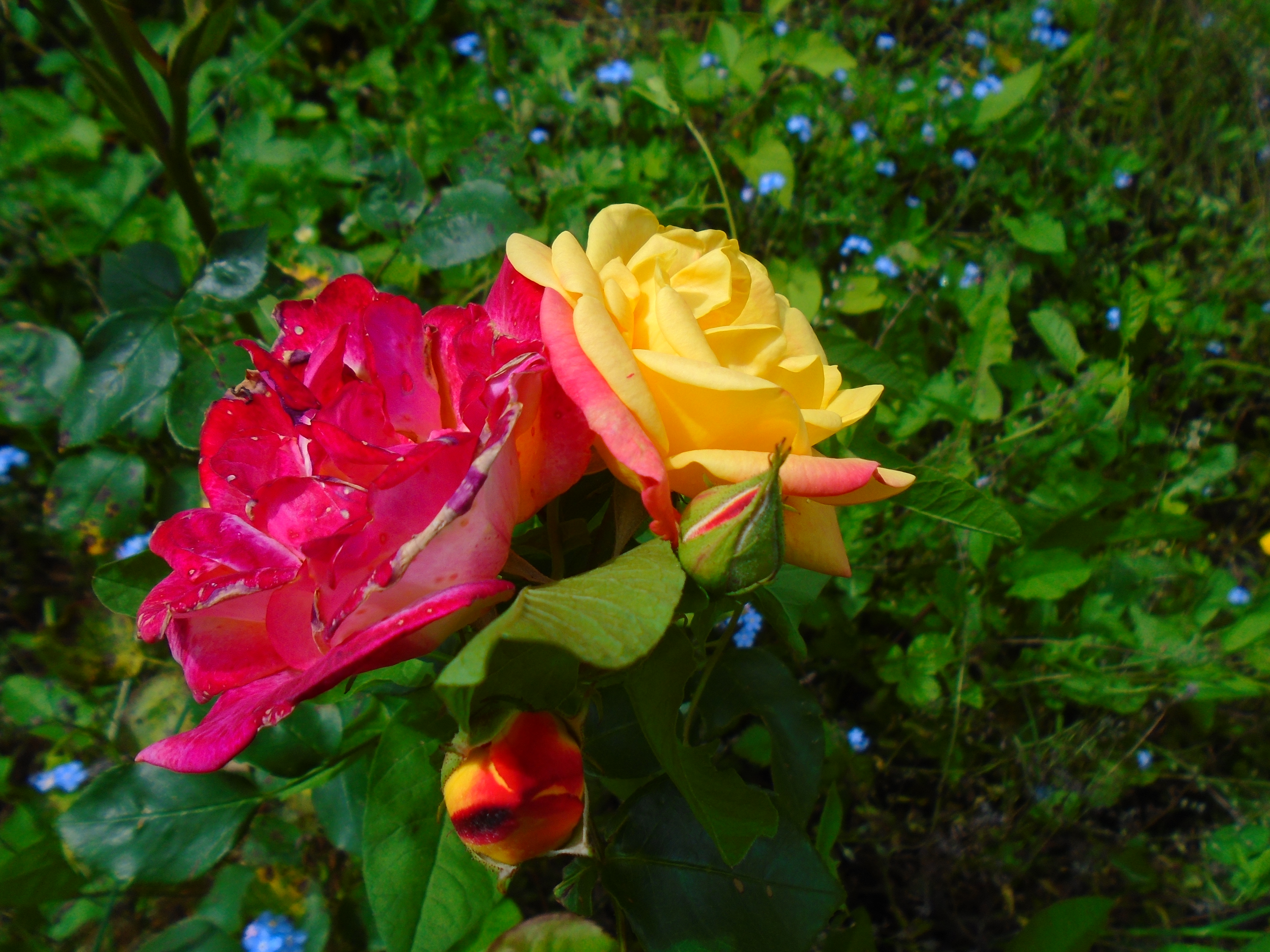
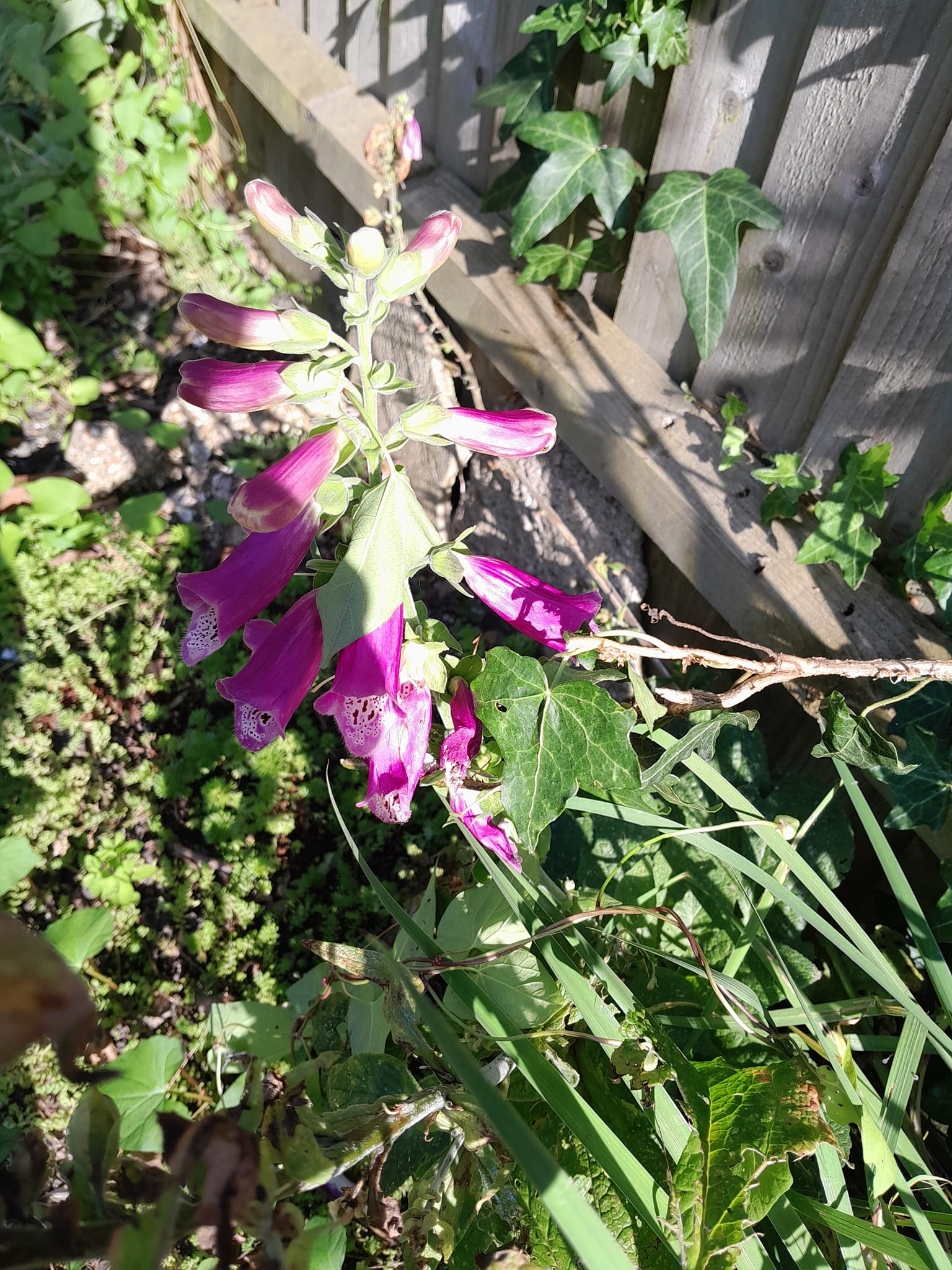
May 11: First rose. And foxglove. And the oxalis seems to have recovered from a nasty fungus on the leaves. Looking back, that's the earliest rose for the past 4 years.
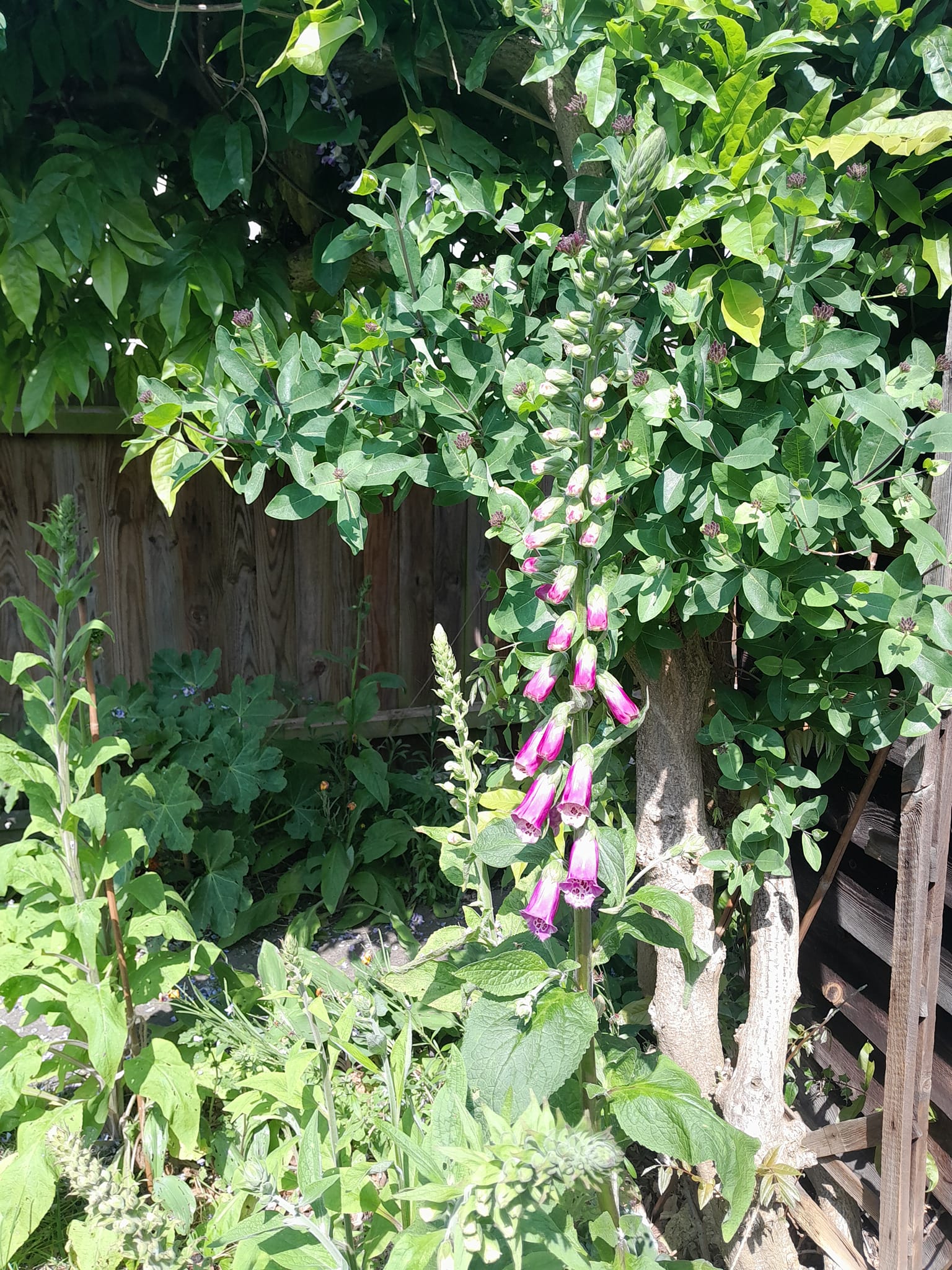
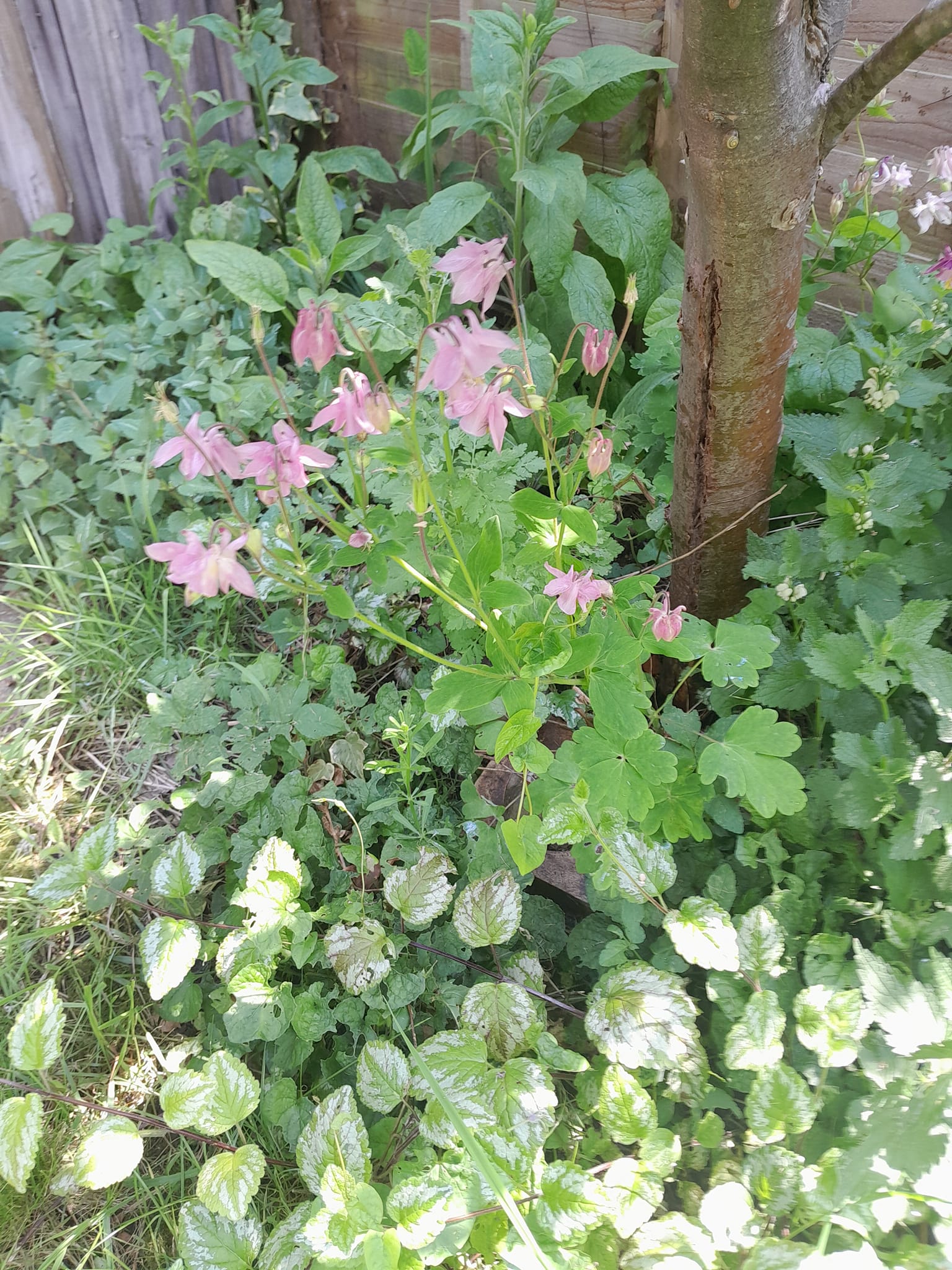
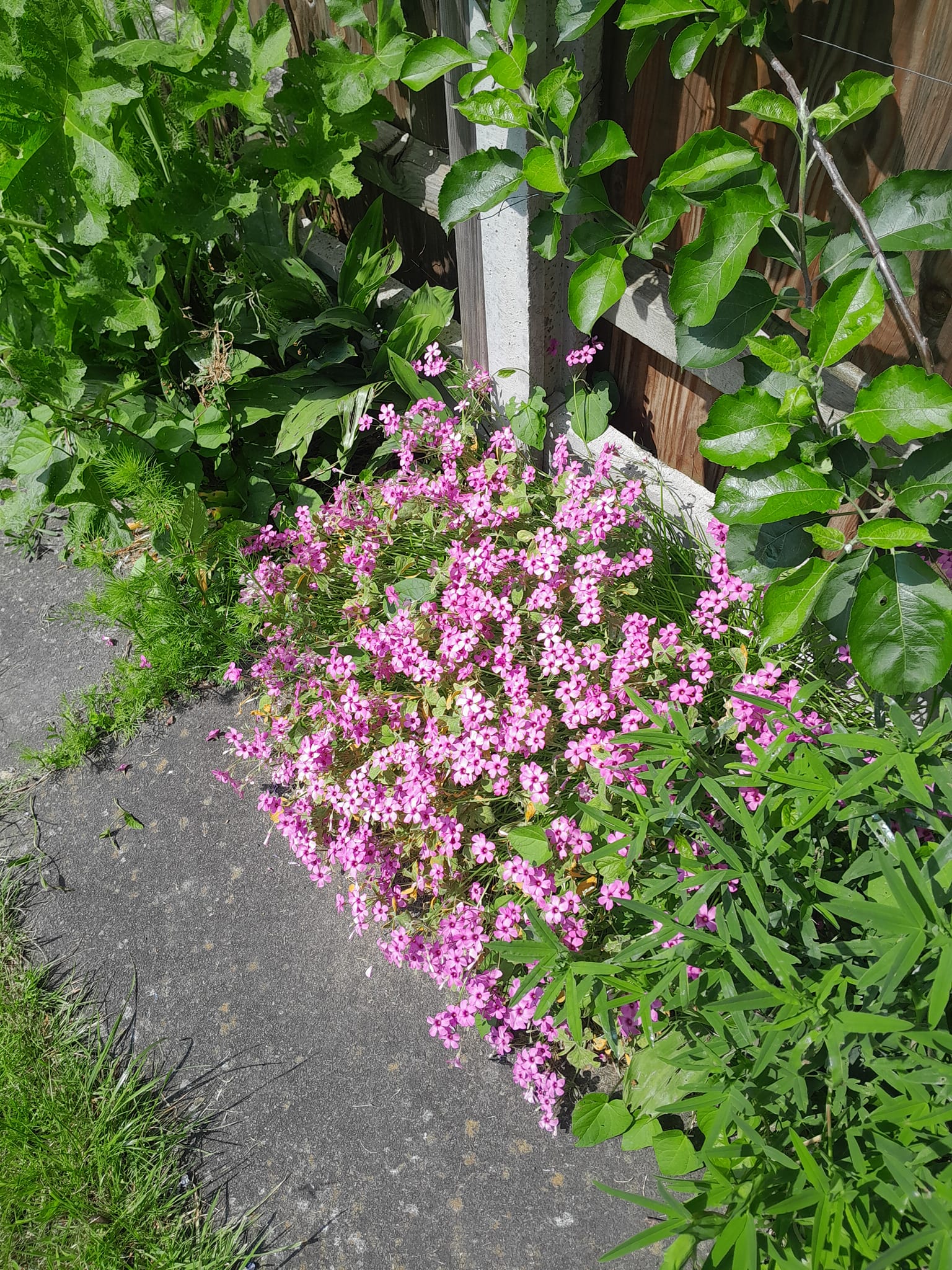
May 18:
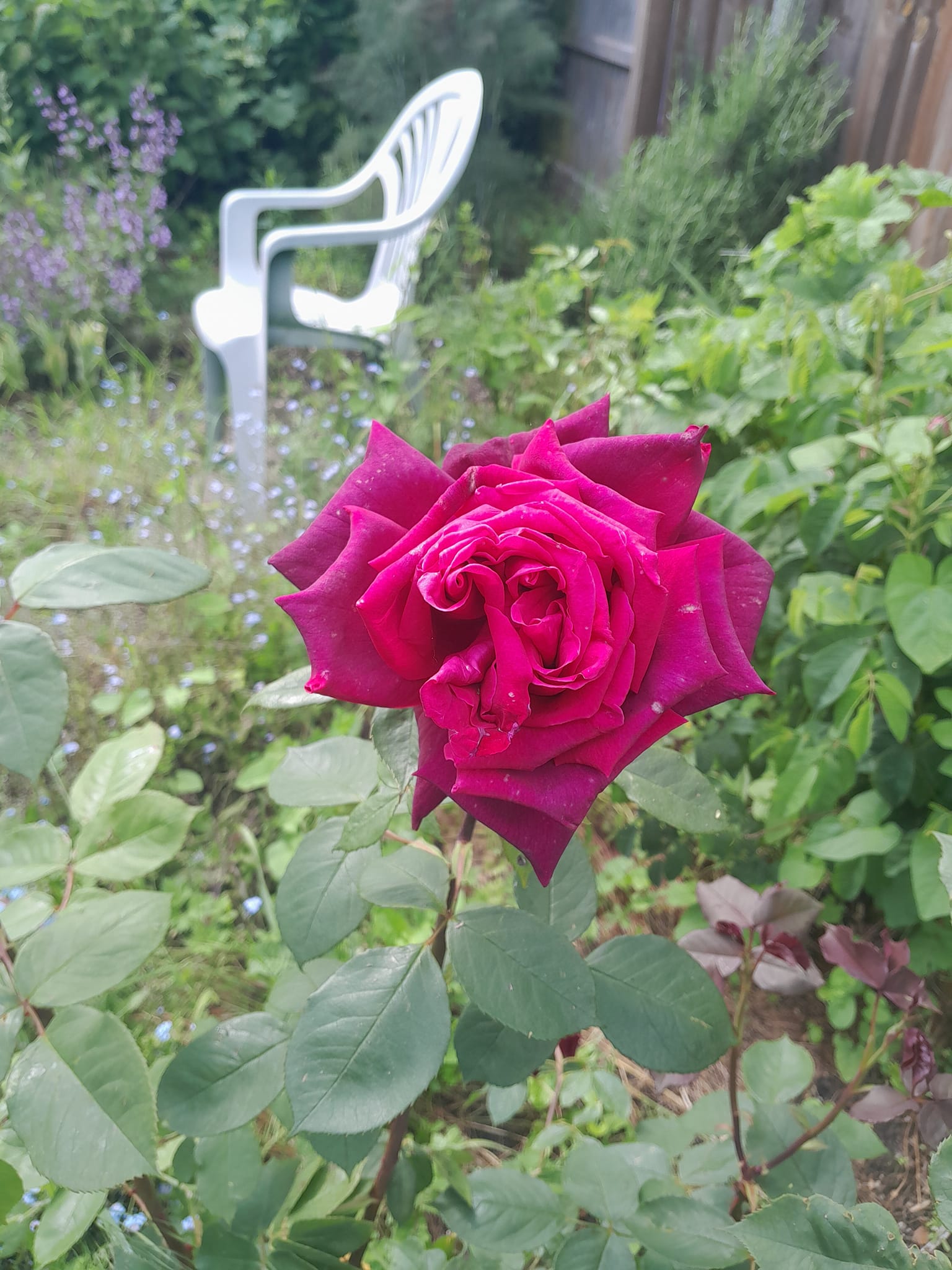
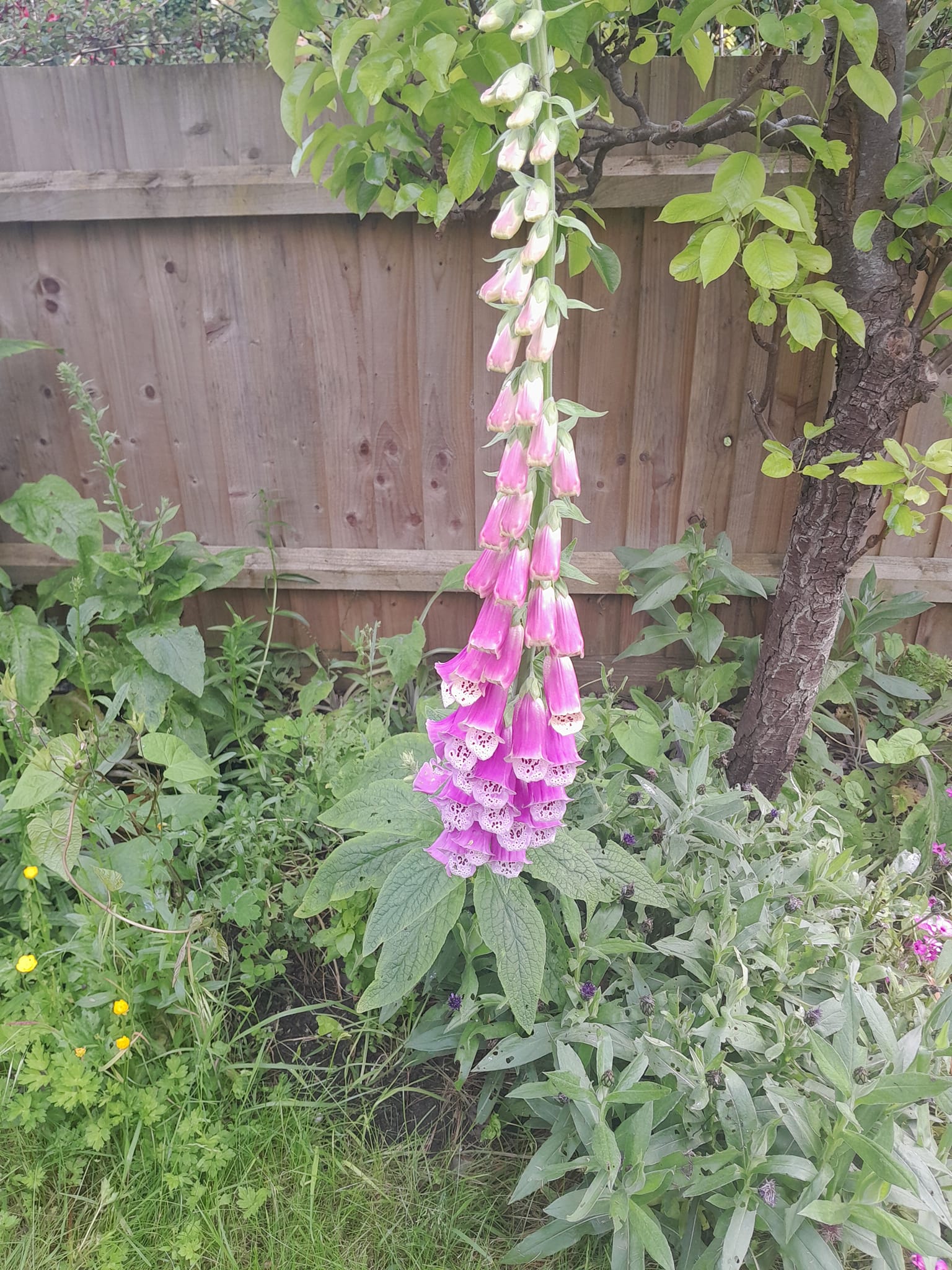
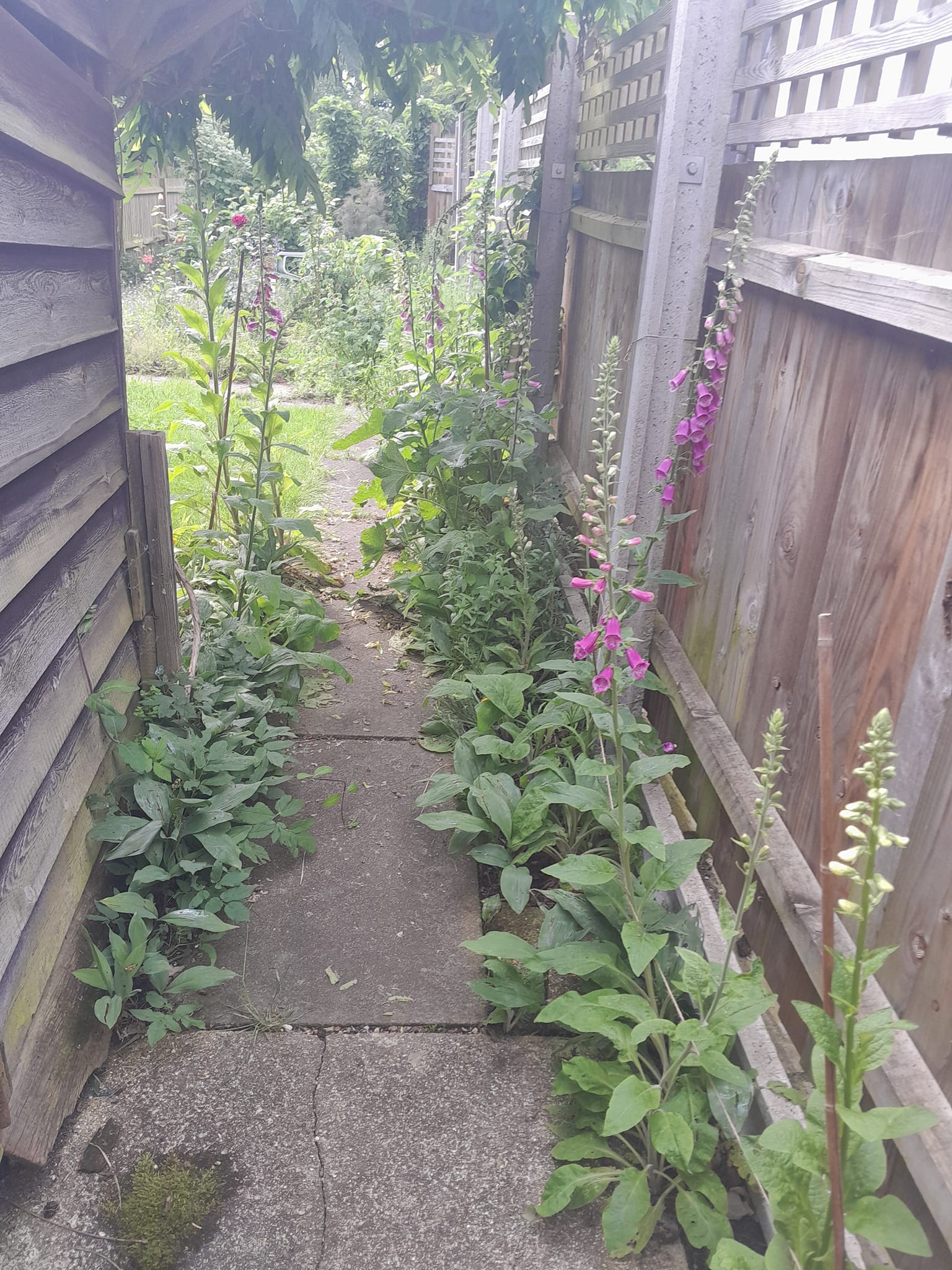
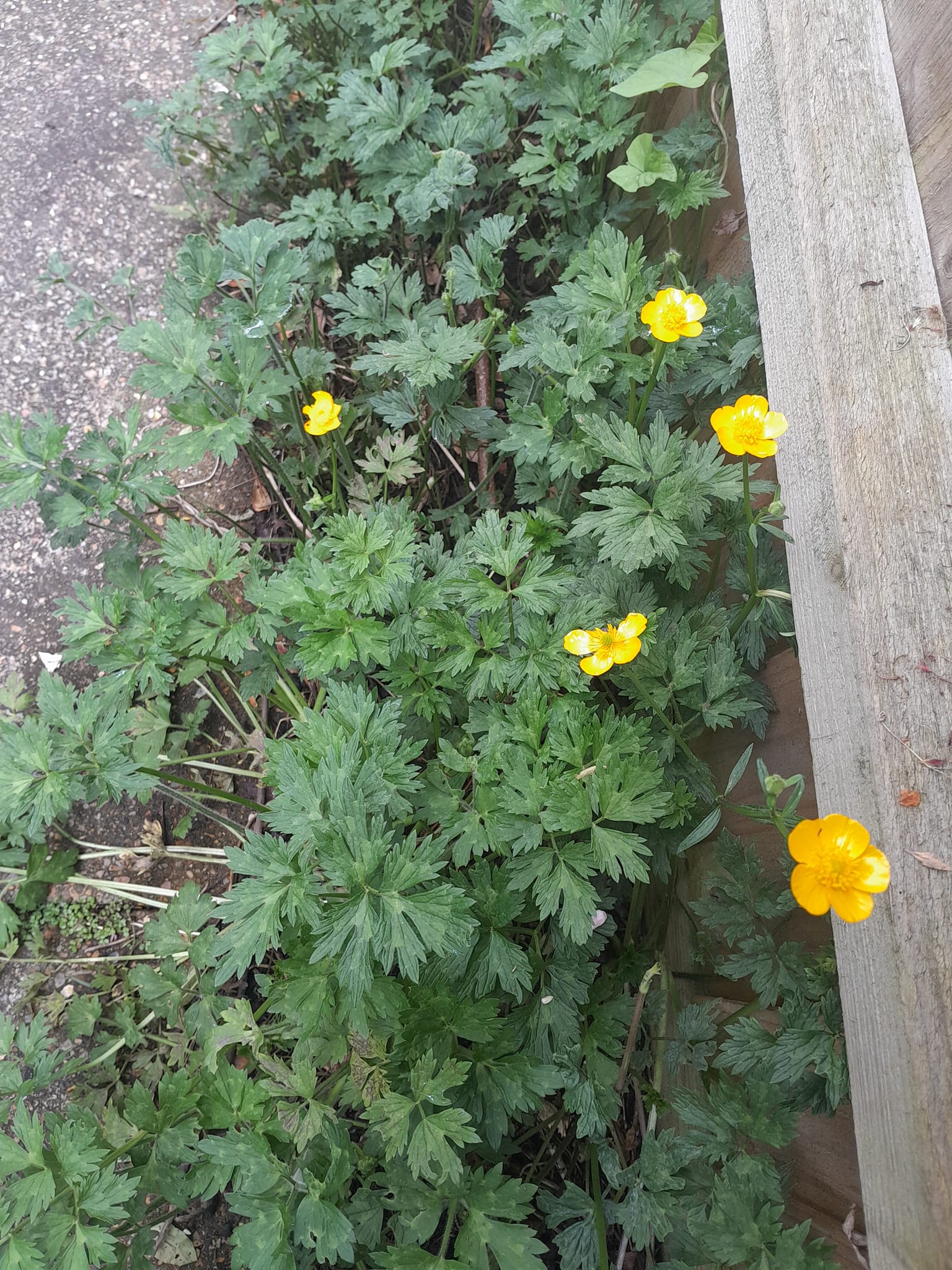
May 23:
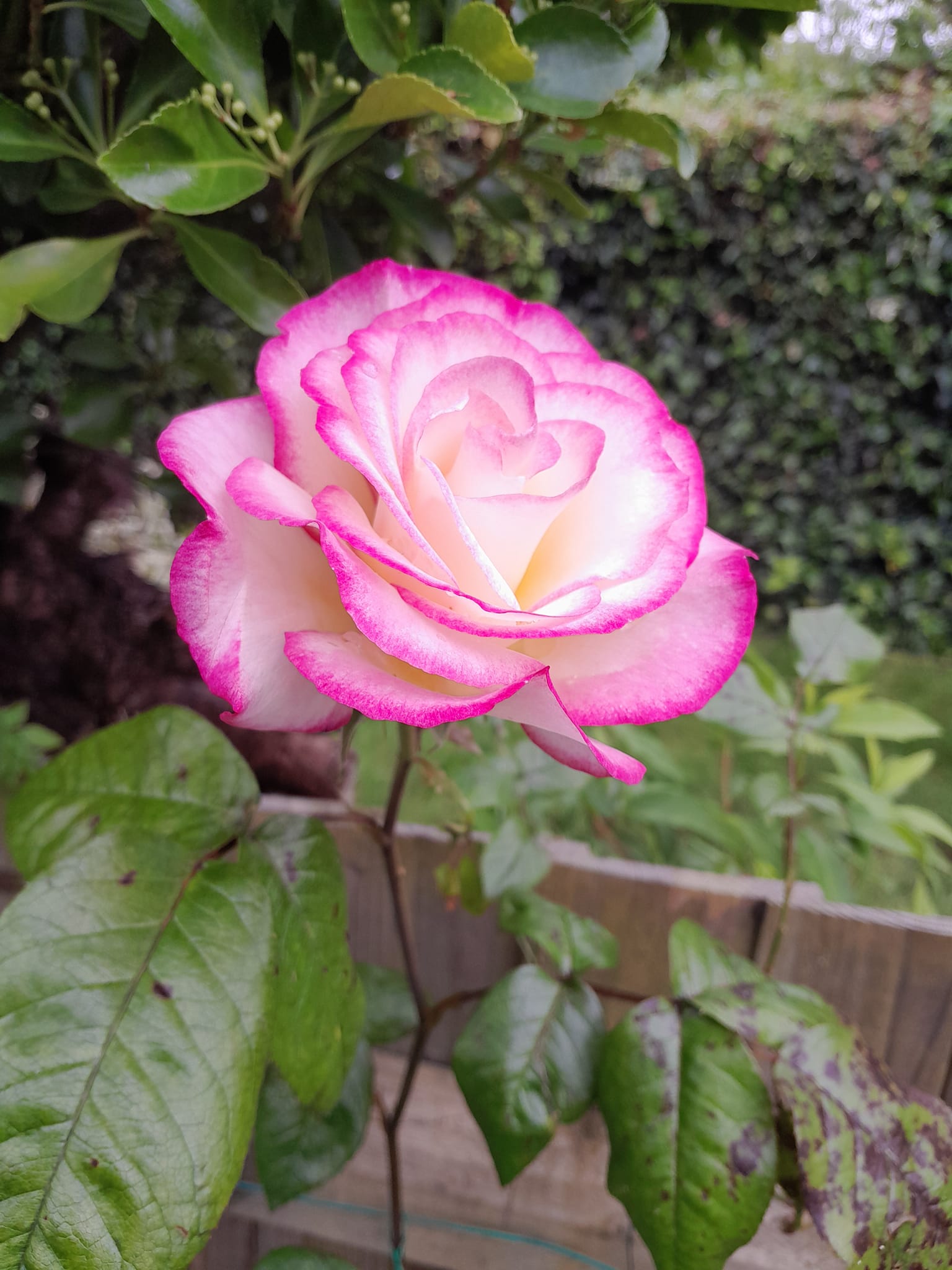
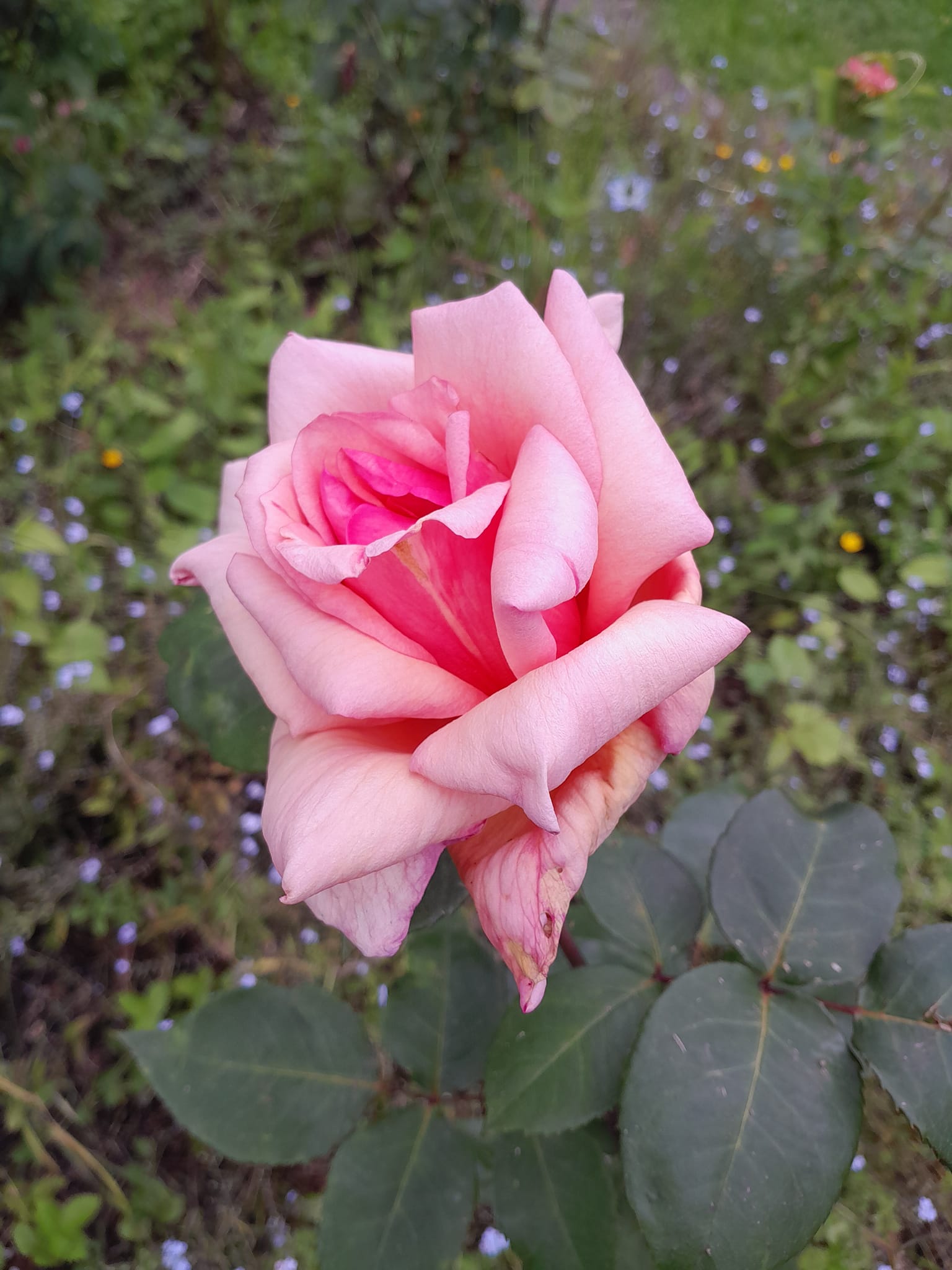
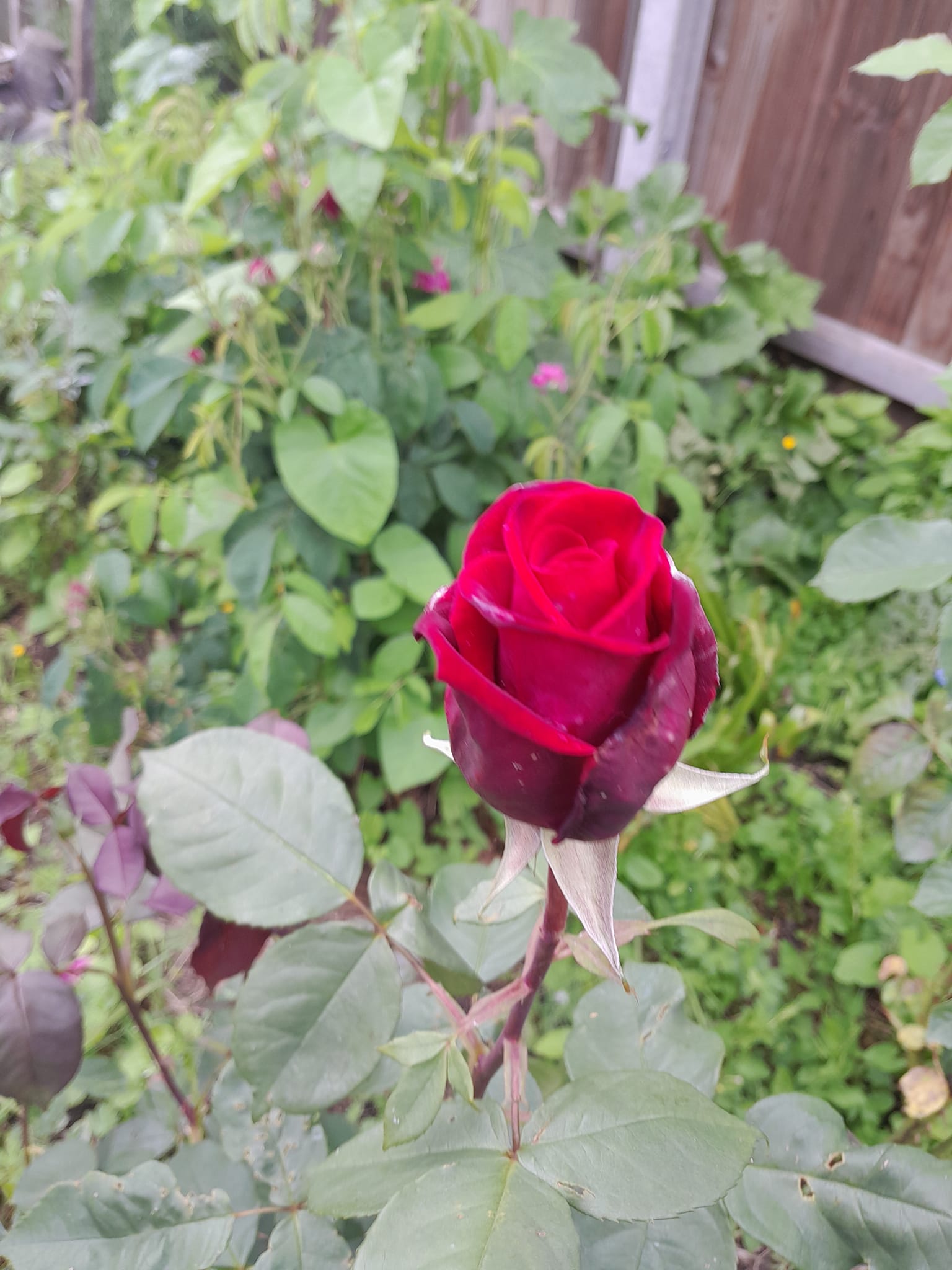
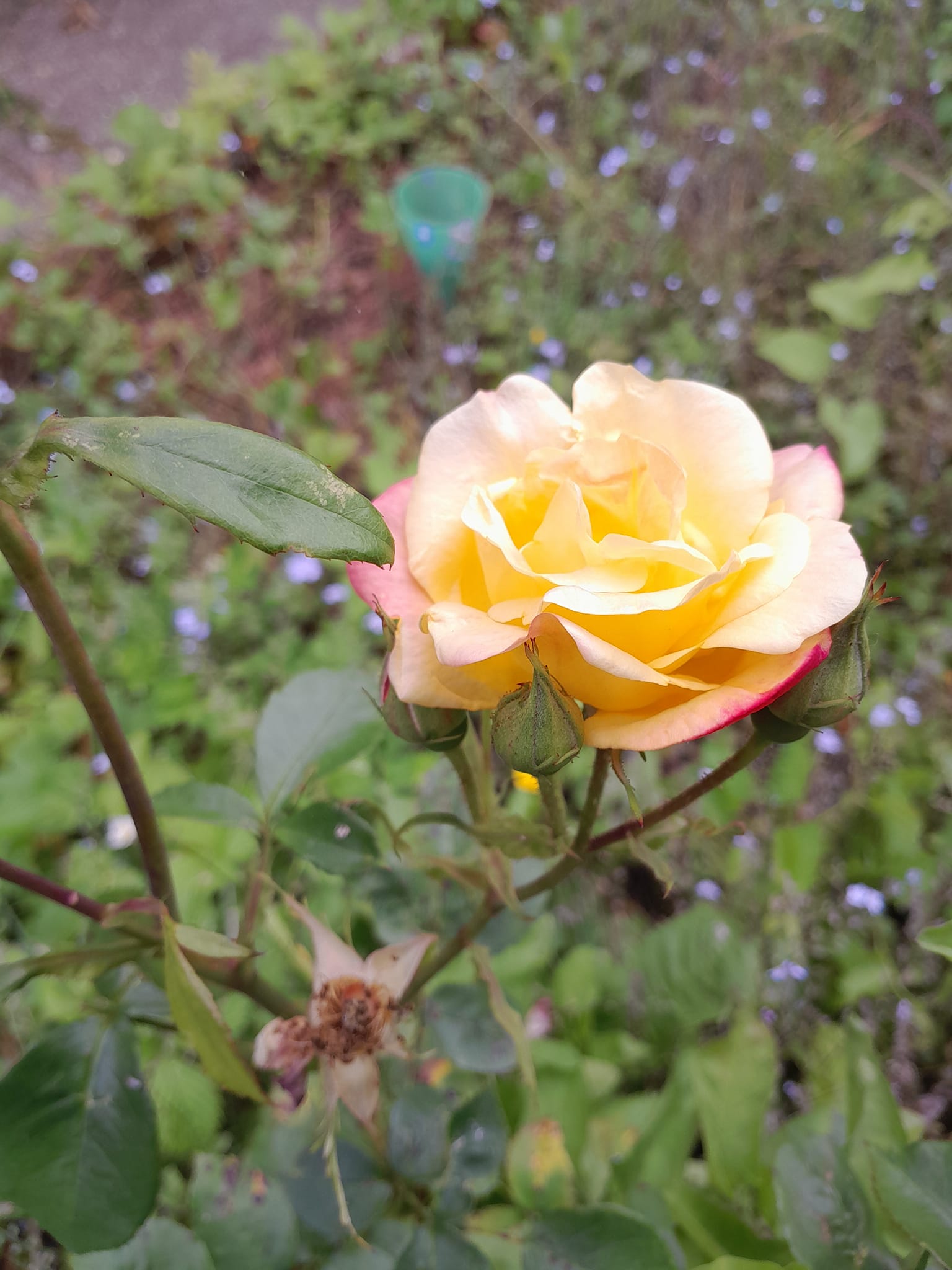
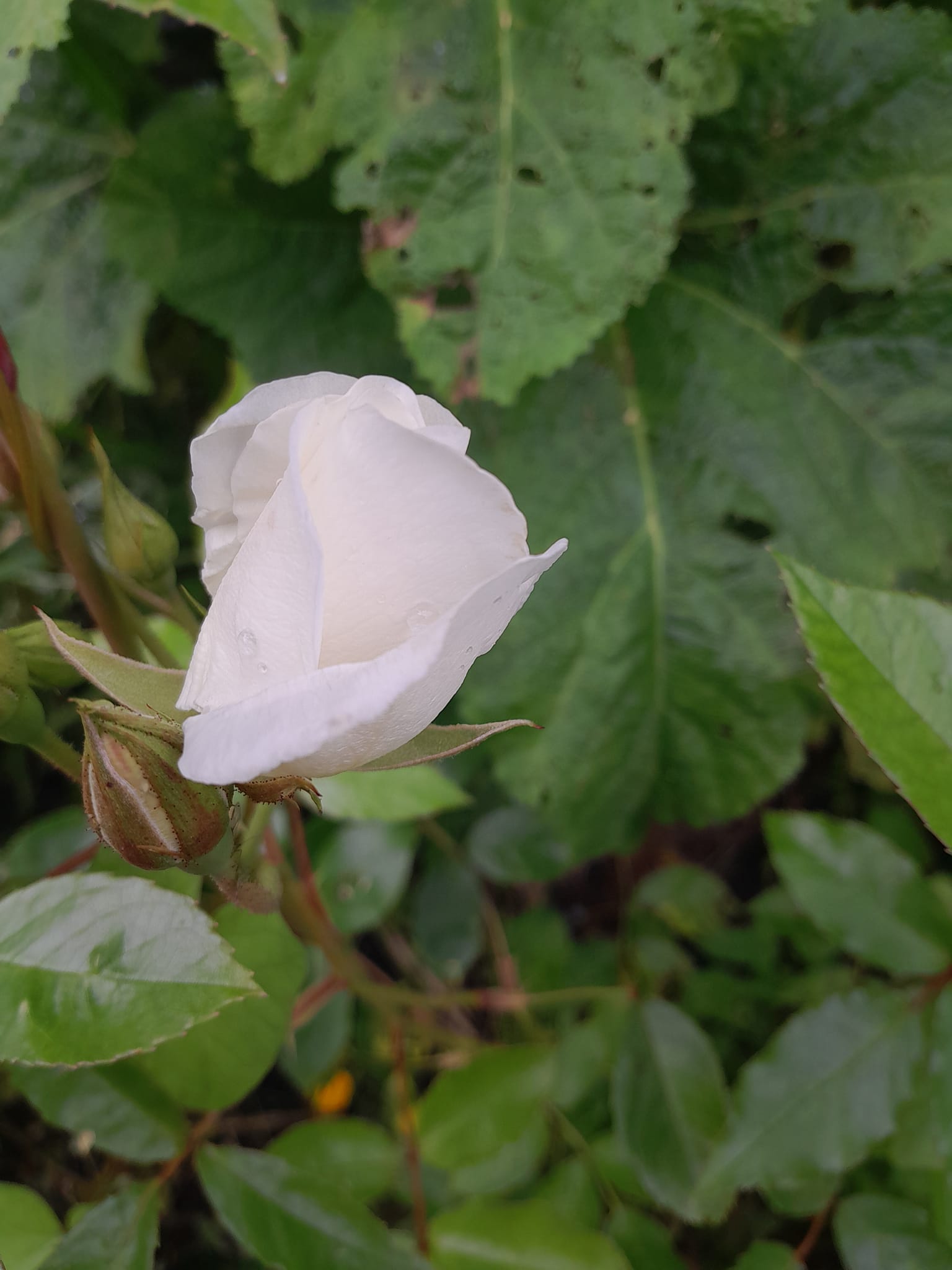
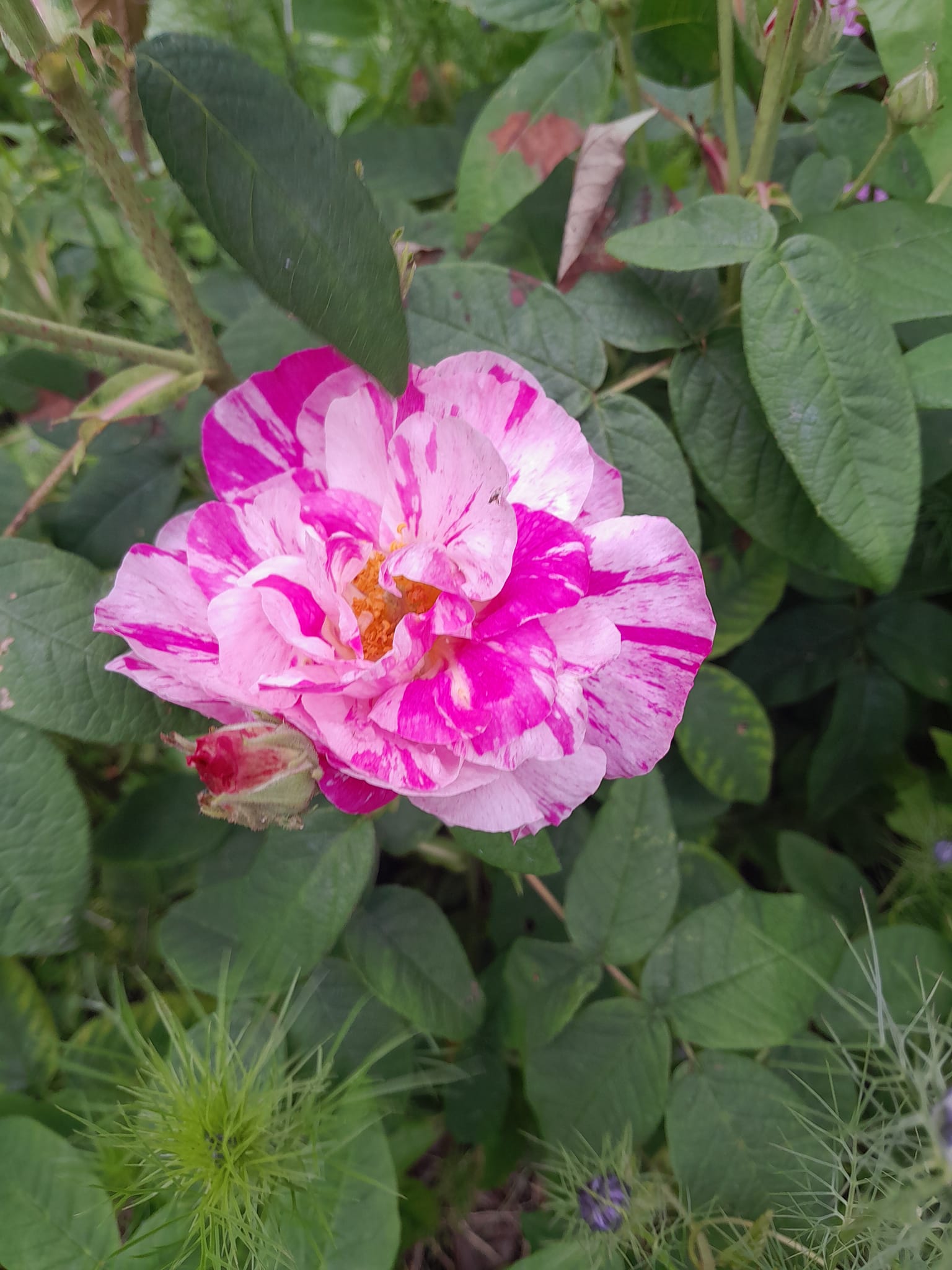
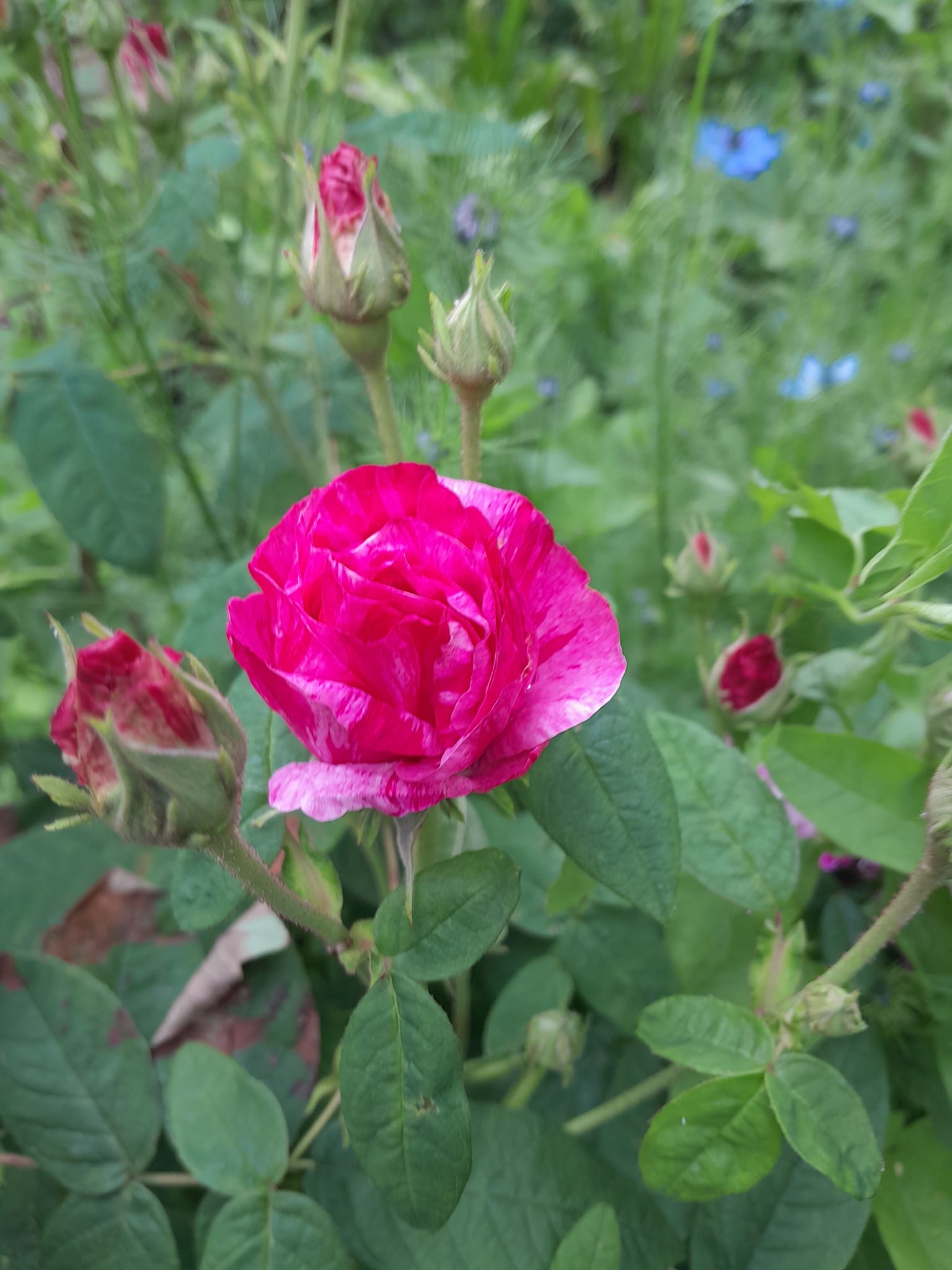
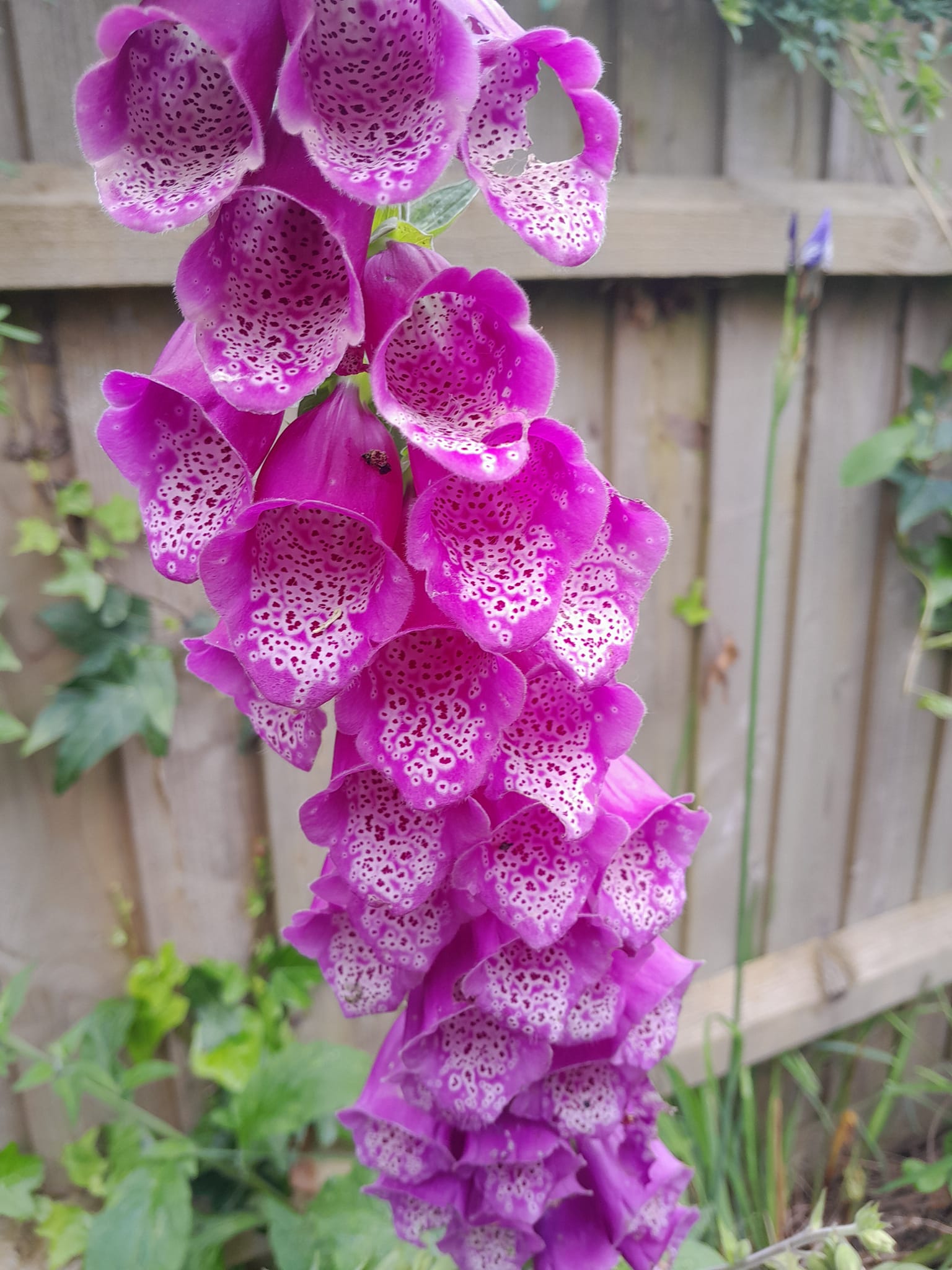
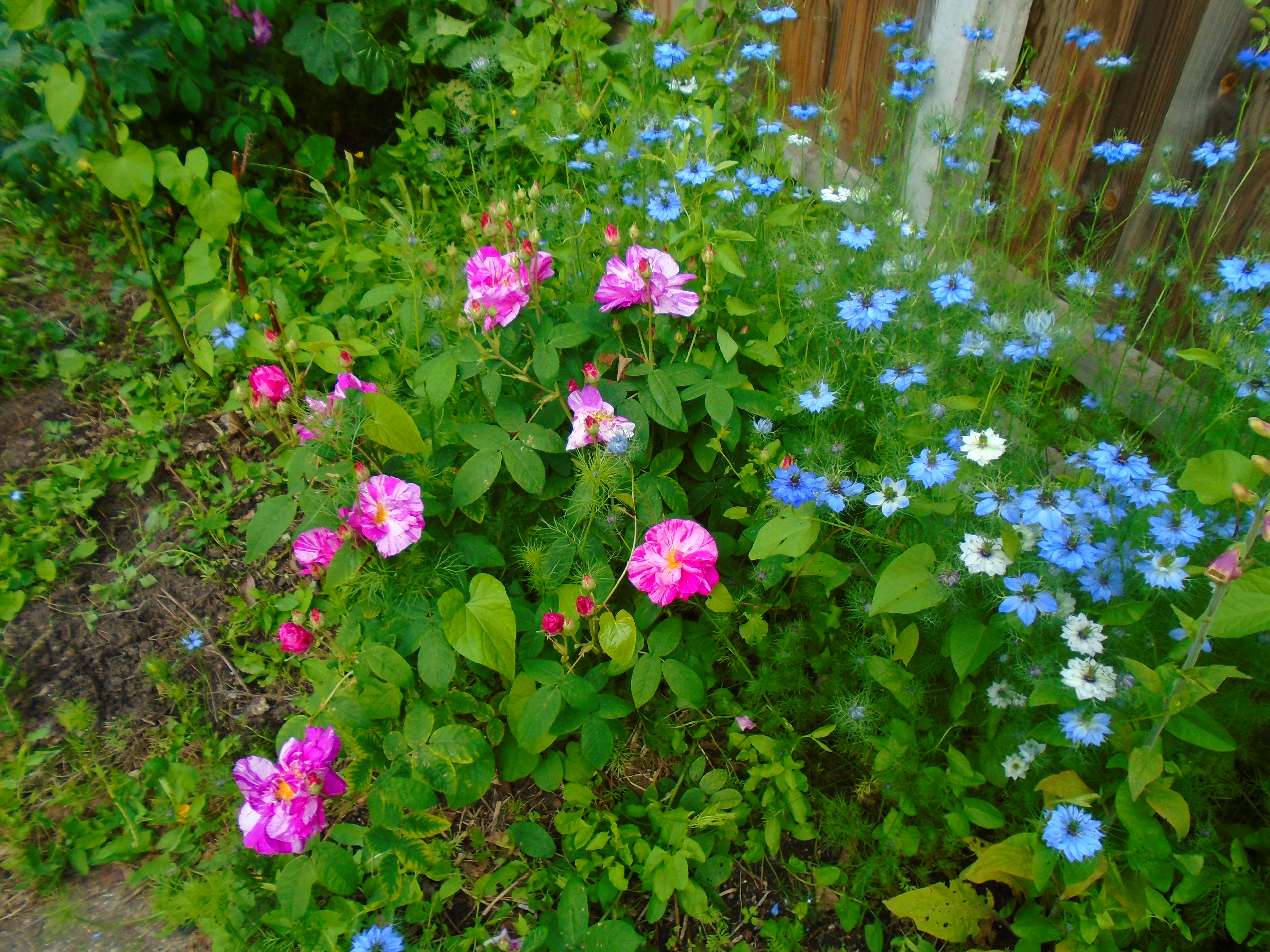
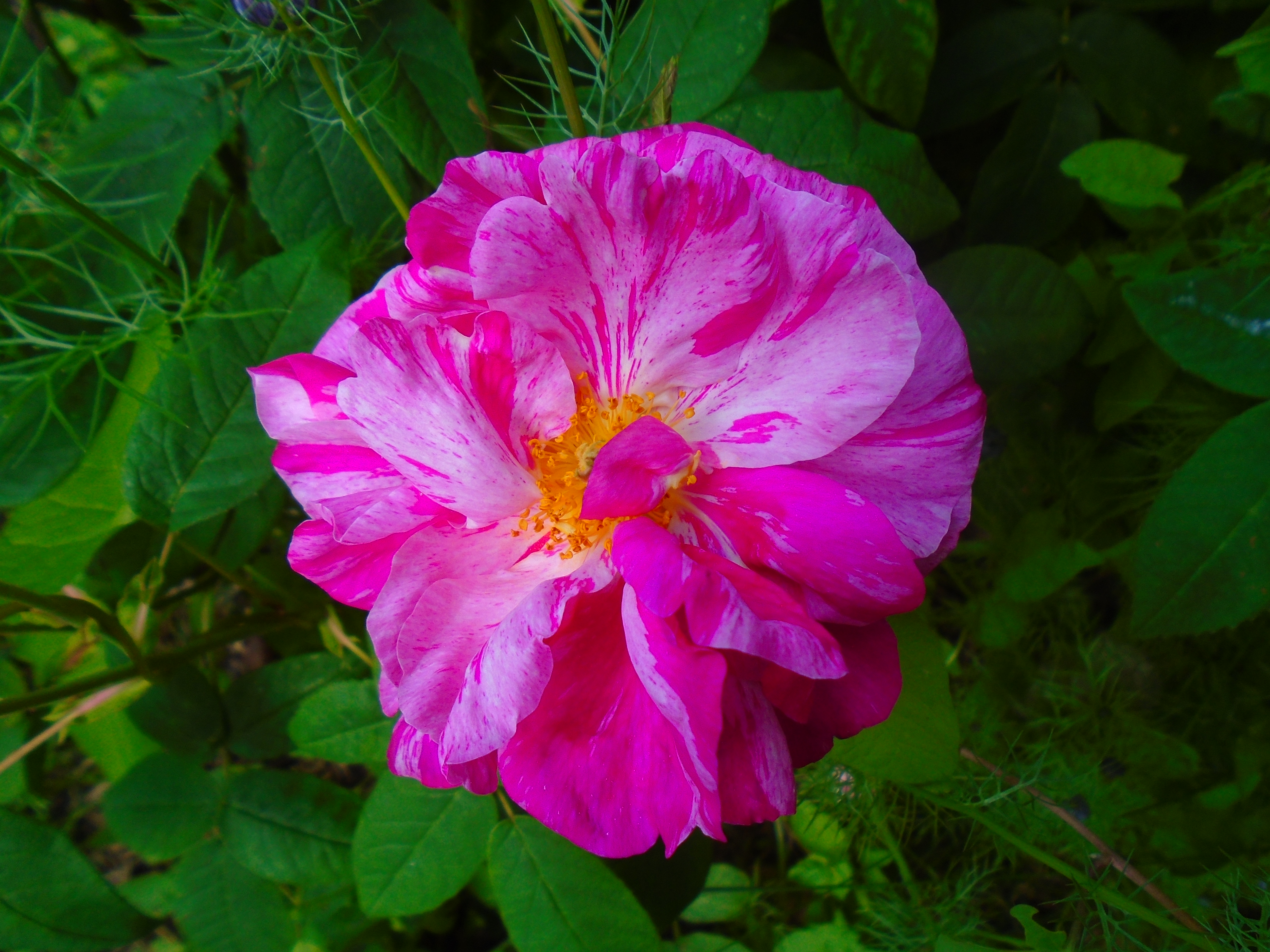
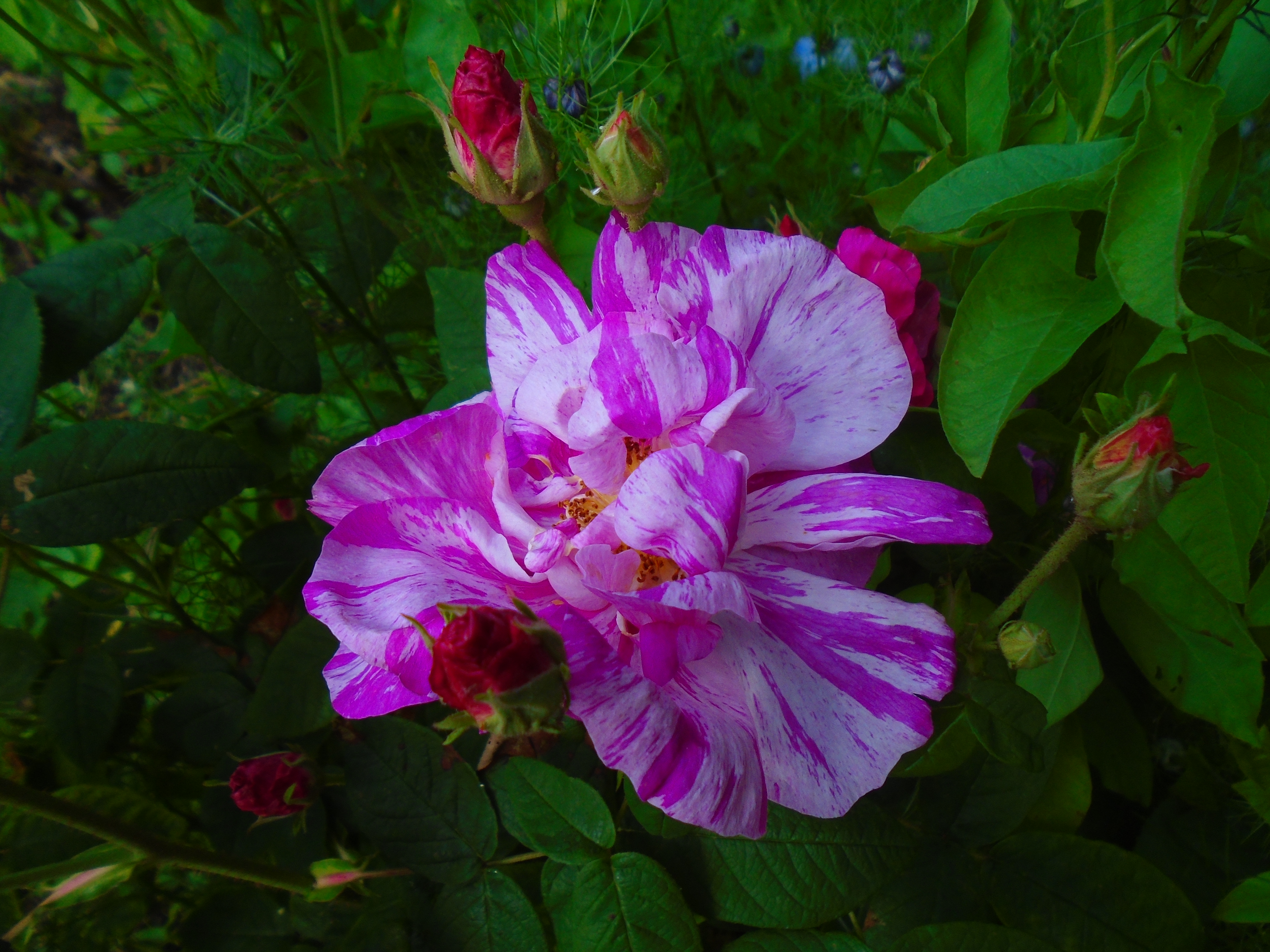
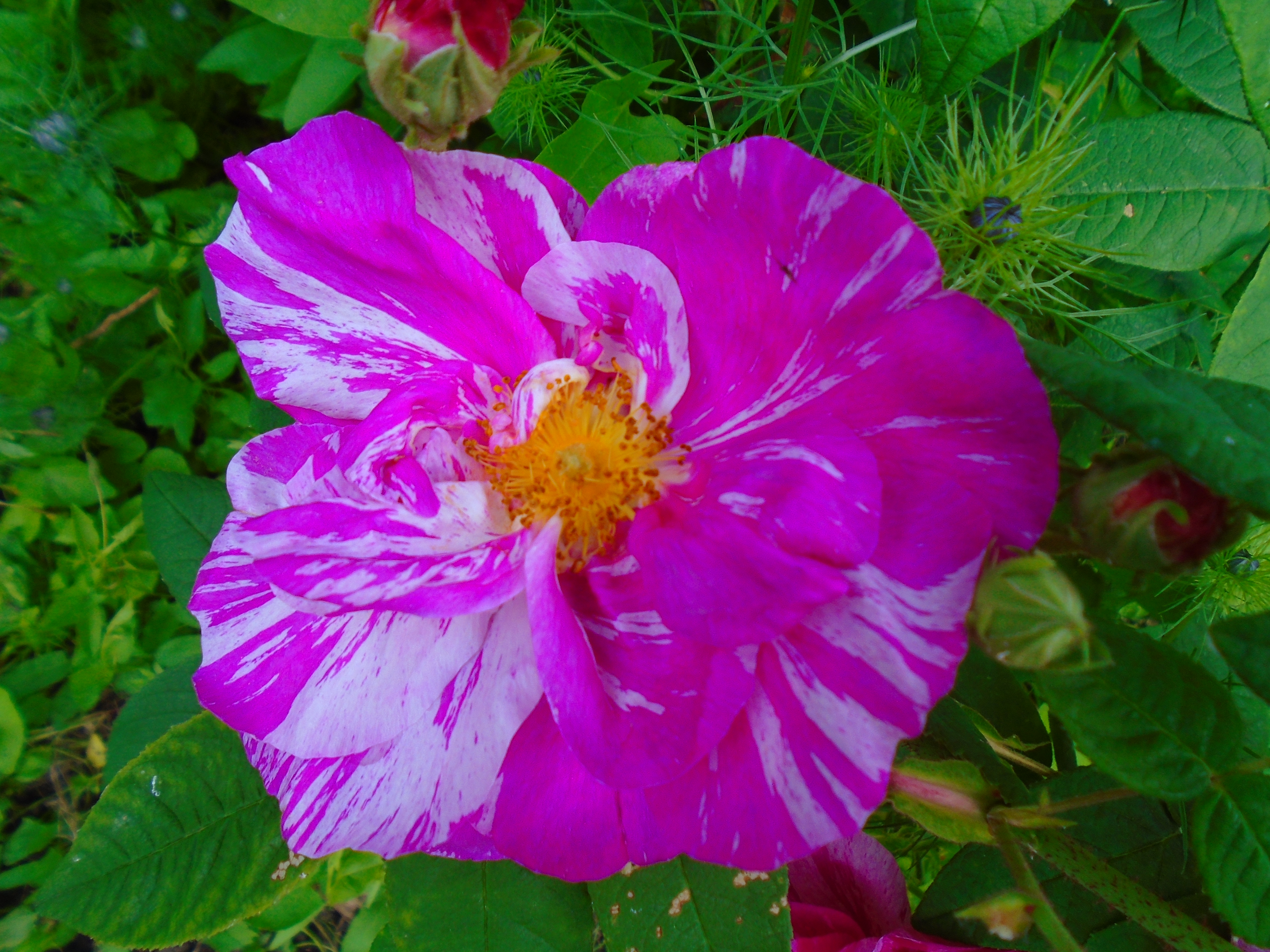
May 27: The Rosa Mundi is good, this year!
| May | 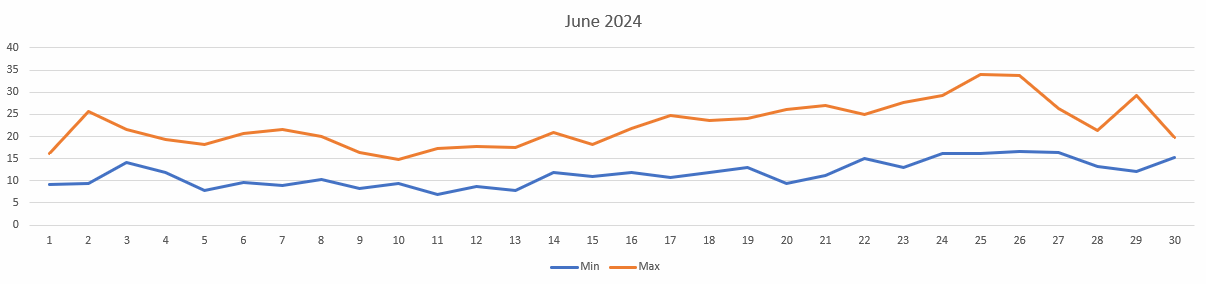 |
July |
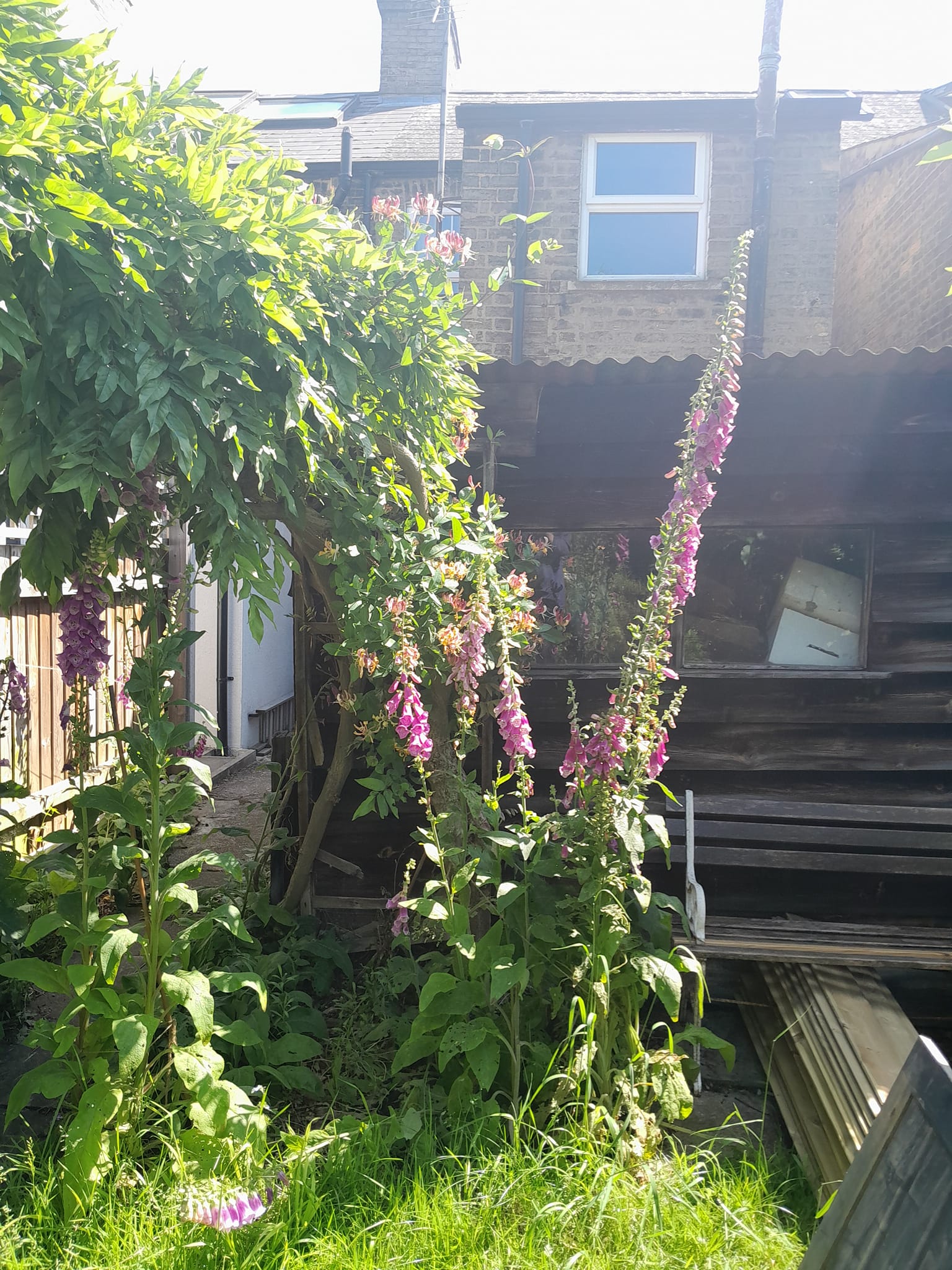
June 2: Roses are now all out. The clemetis is really starting to develop. And goodbye to the shed!
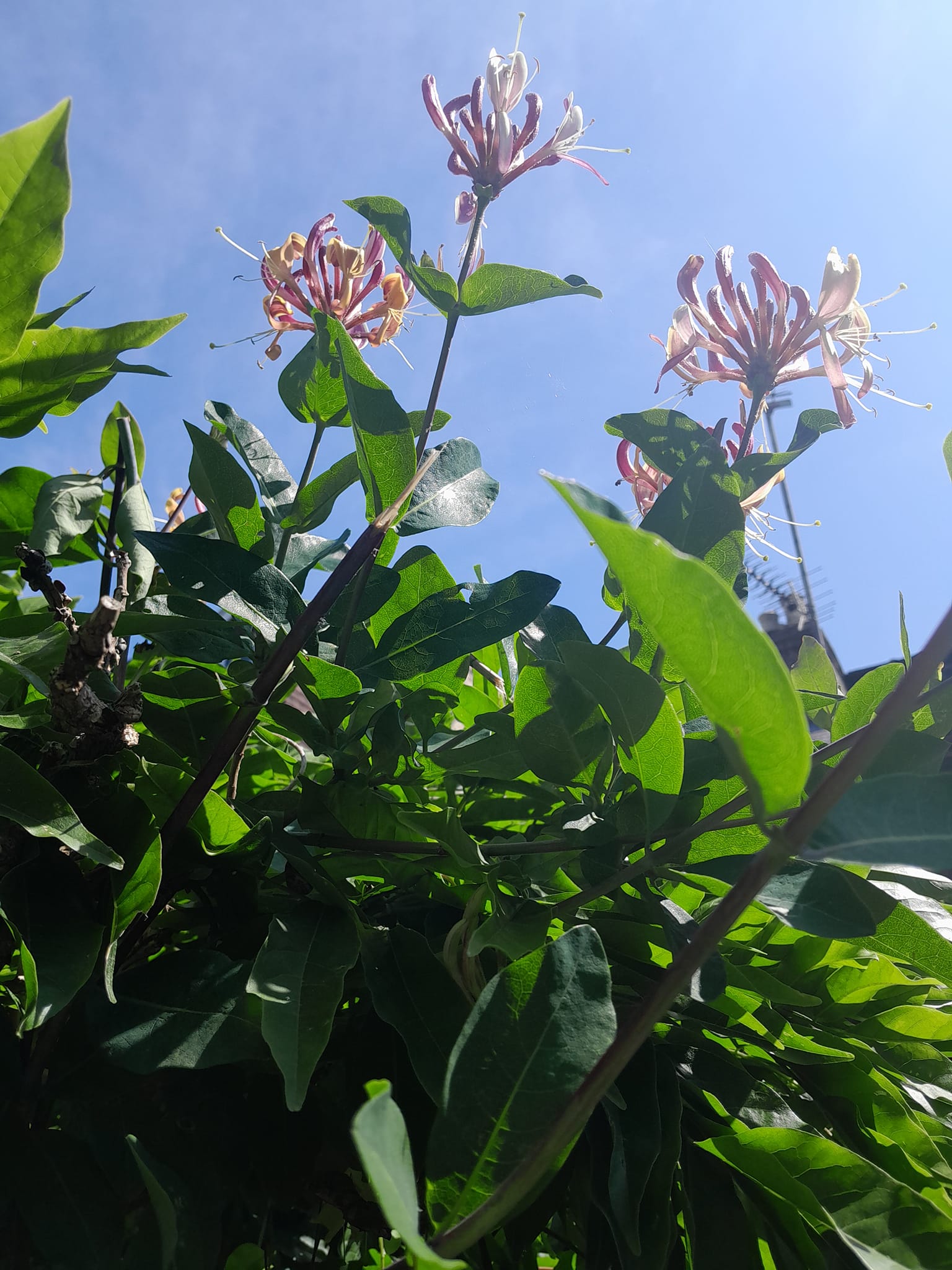
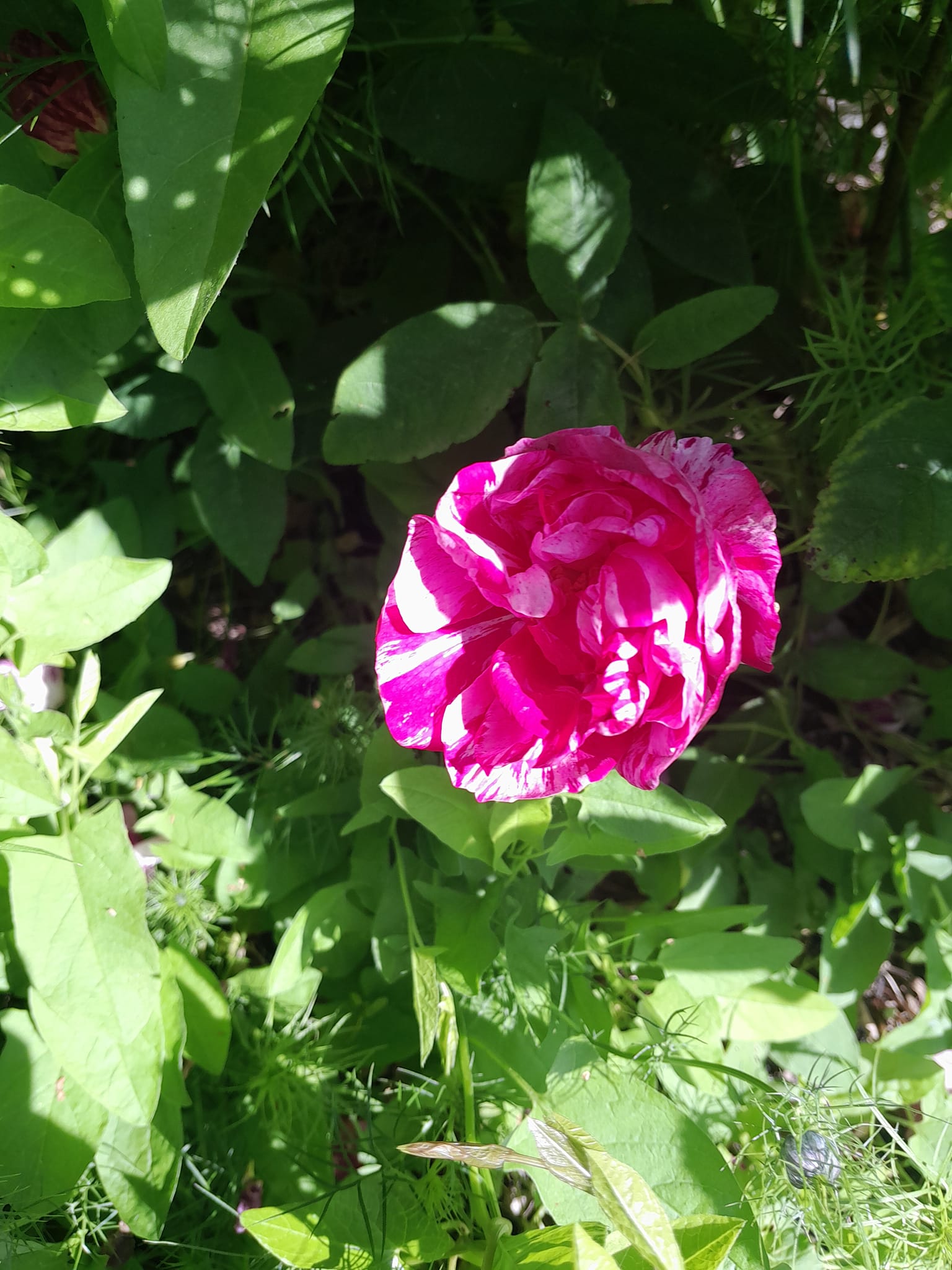
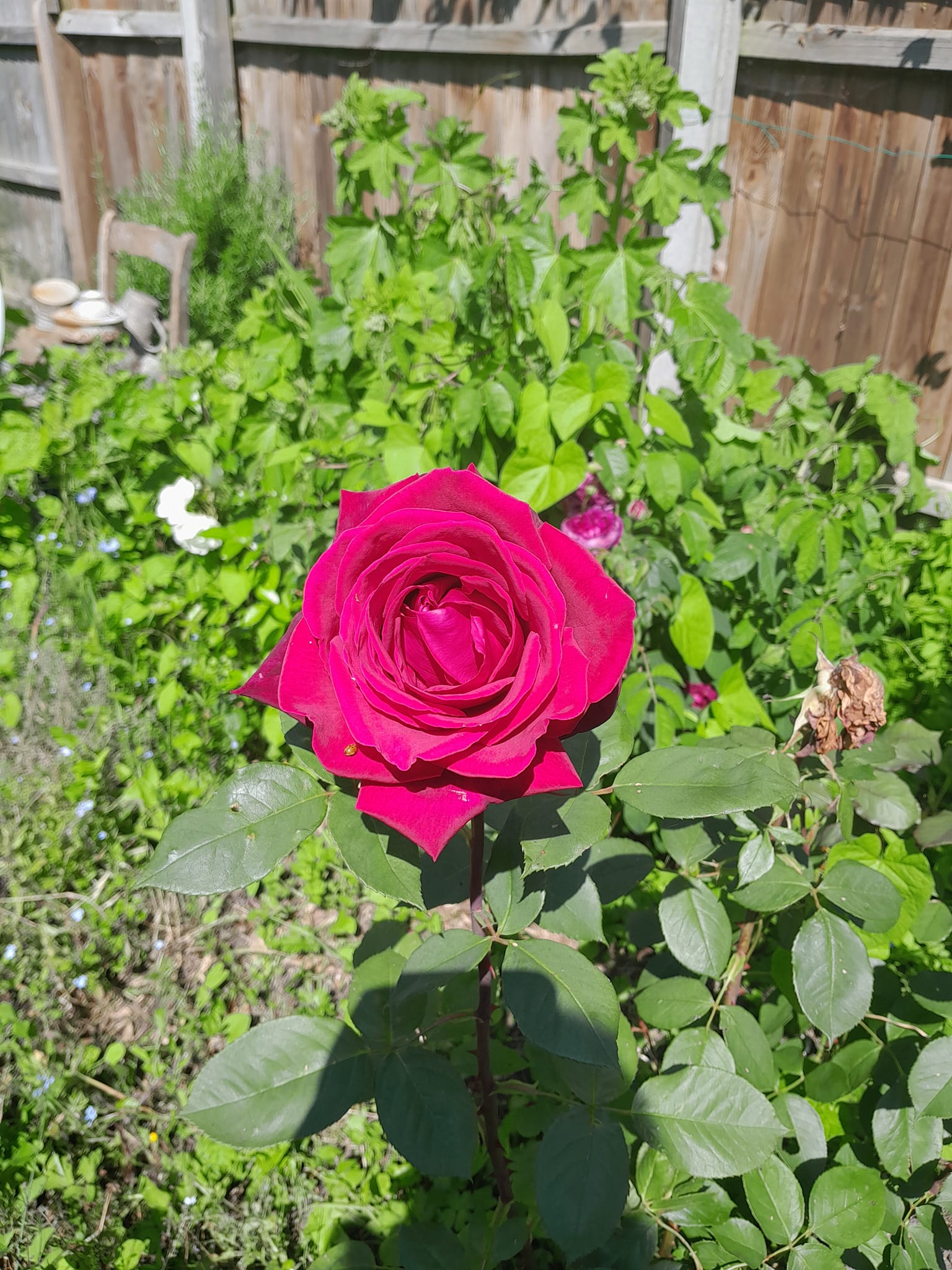
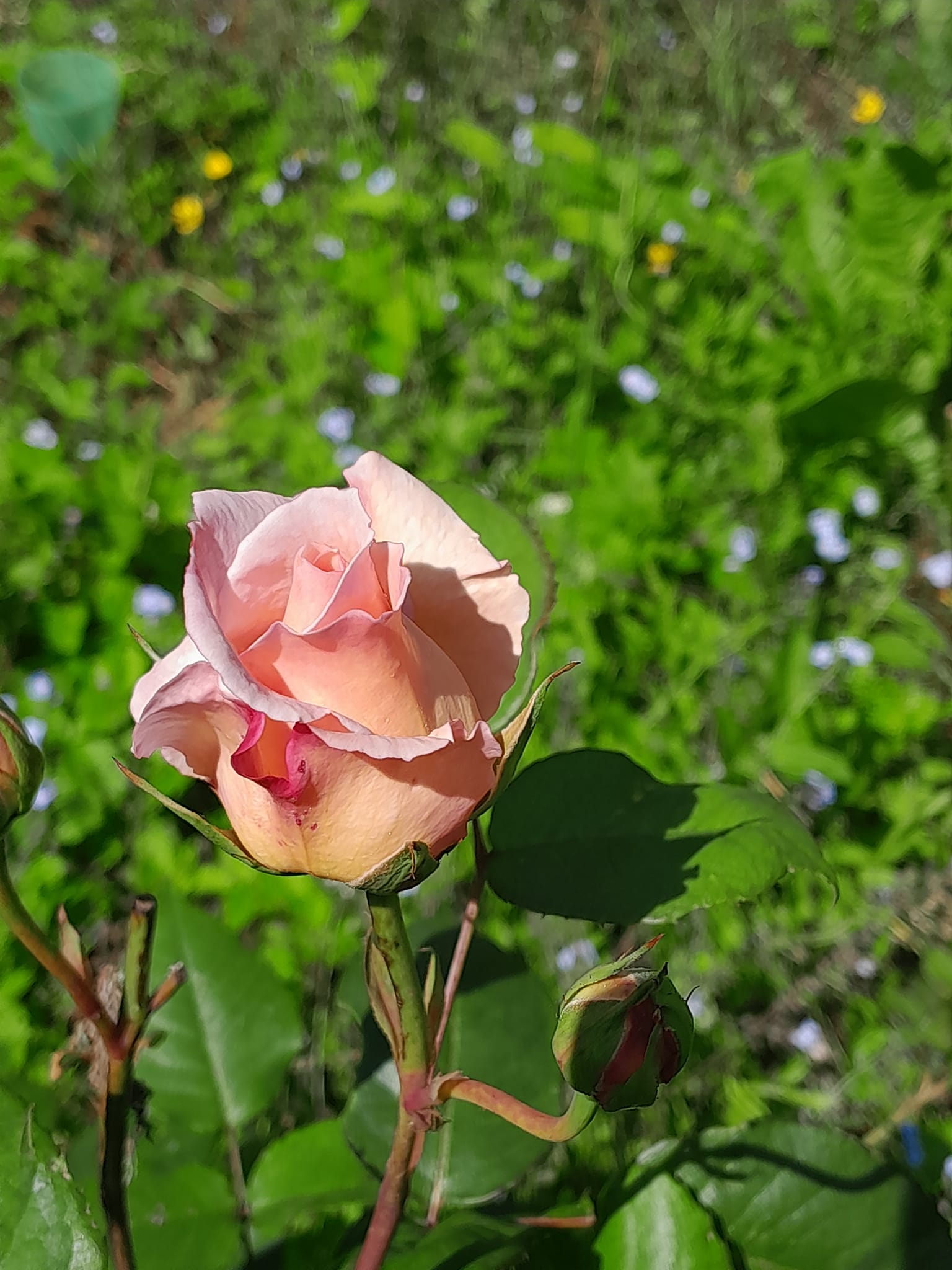
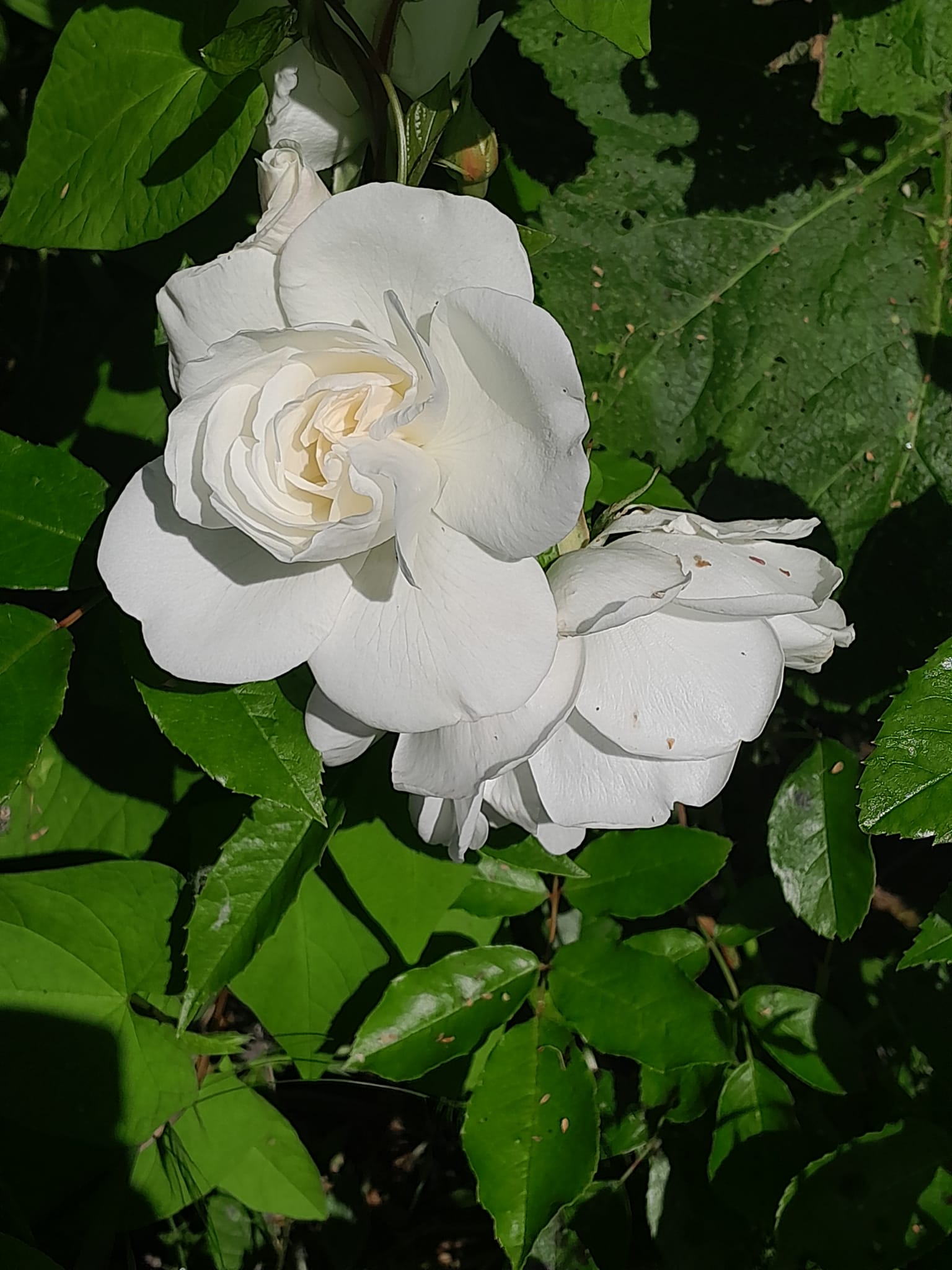
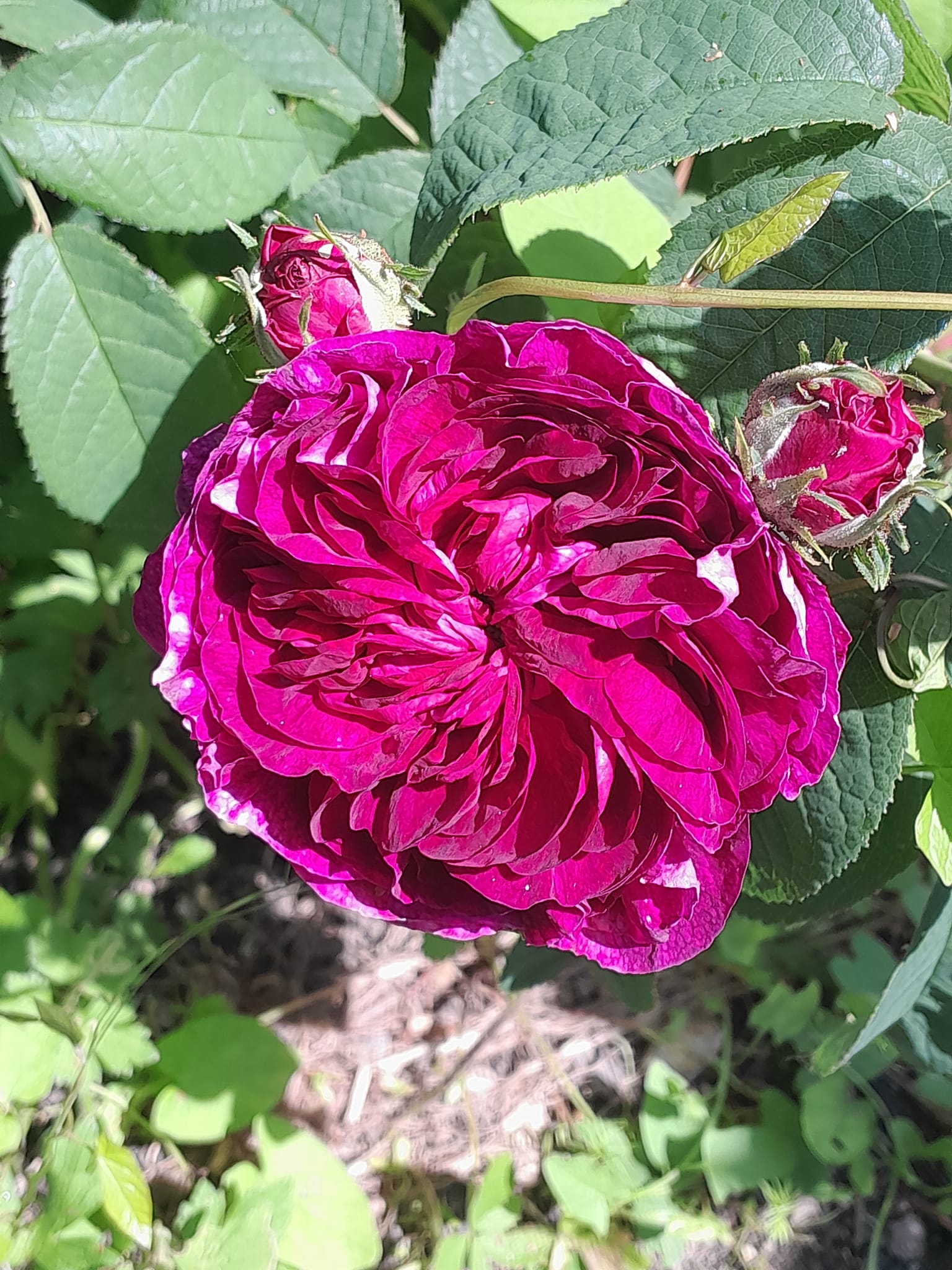
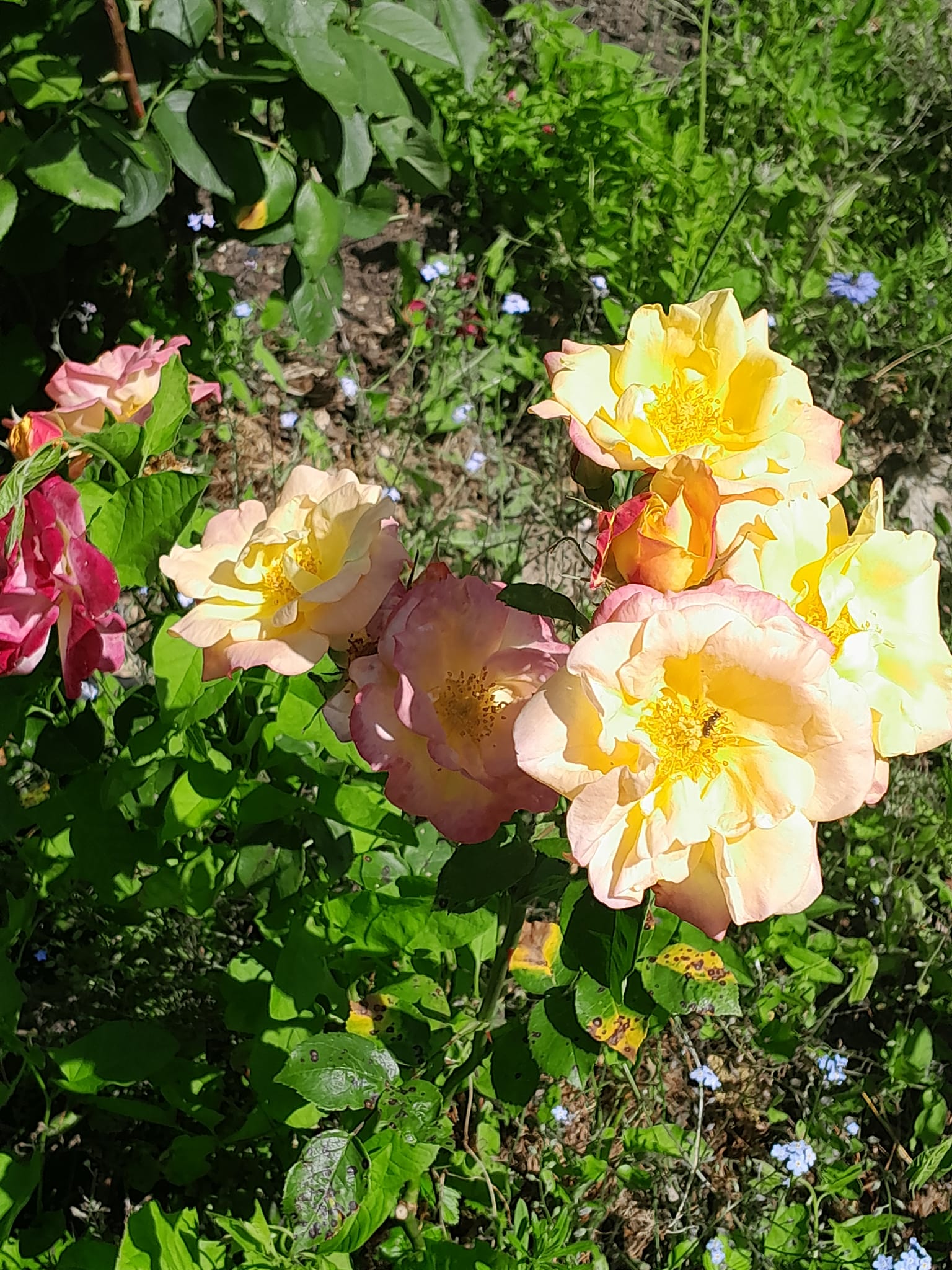
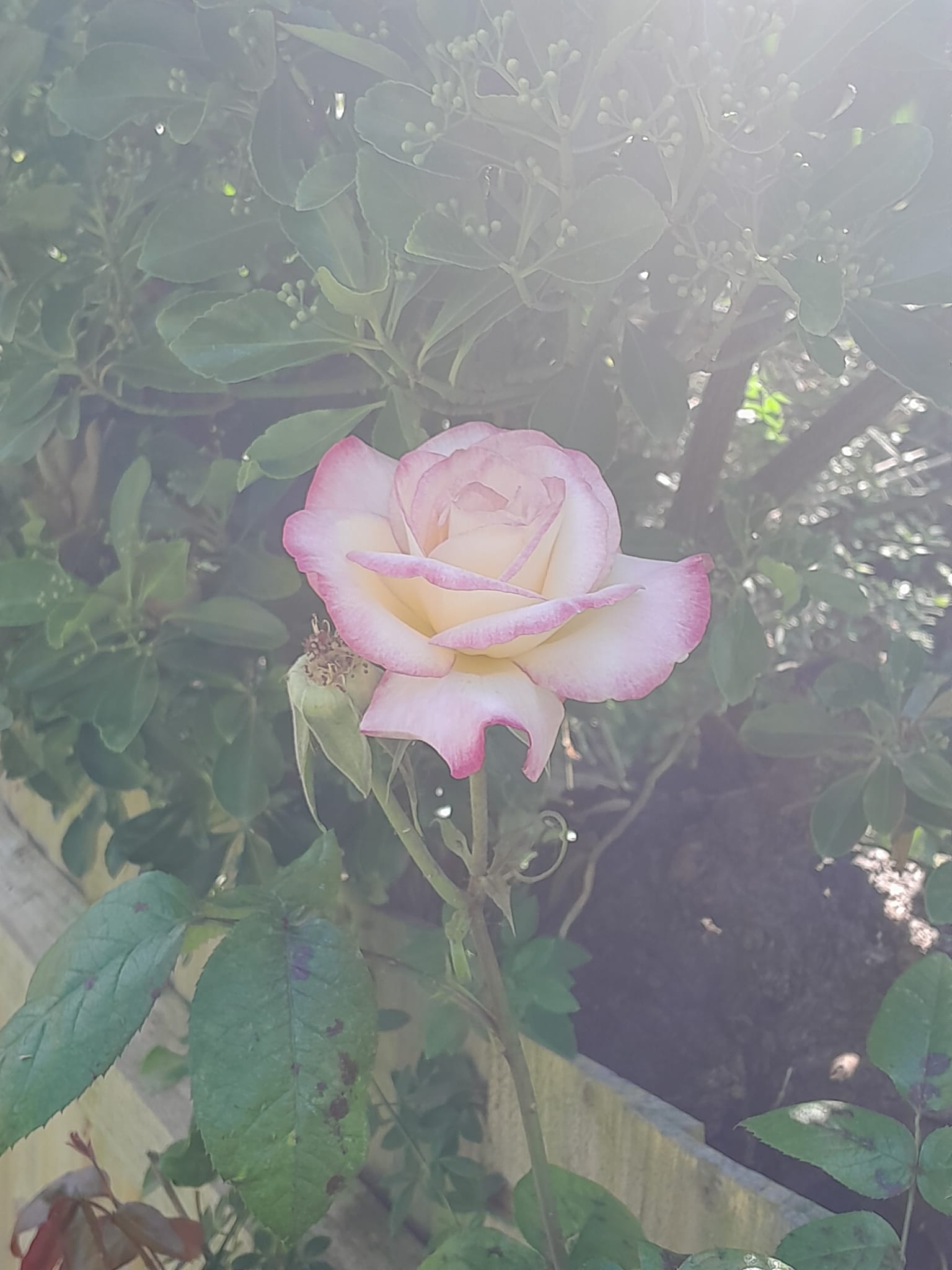
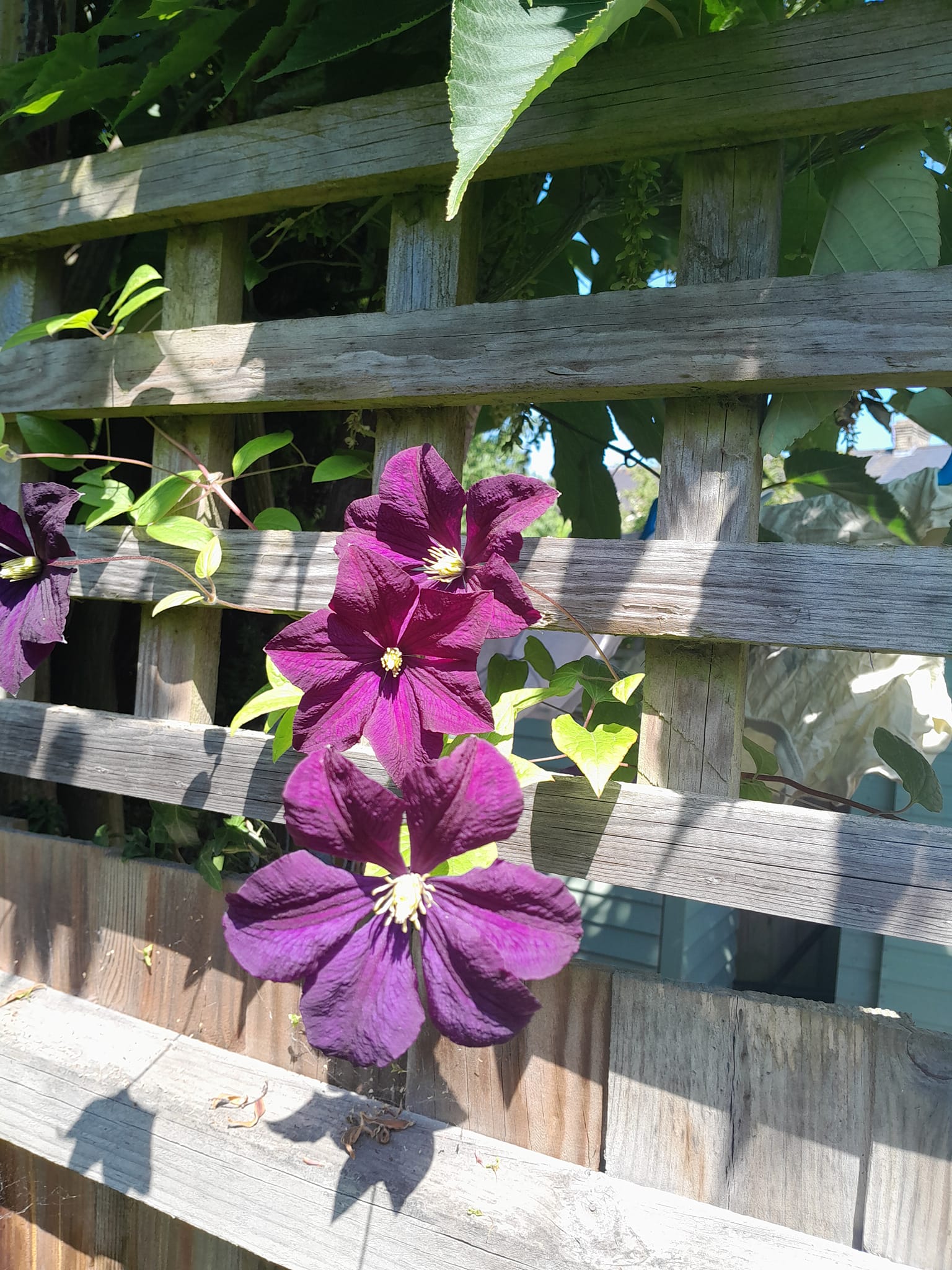
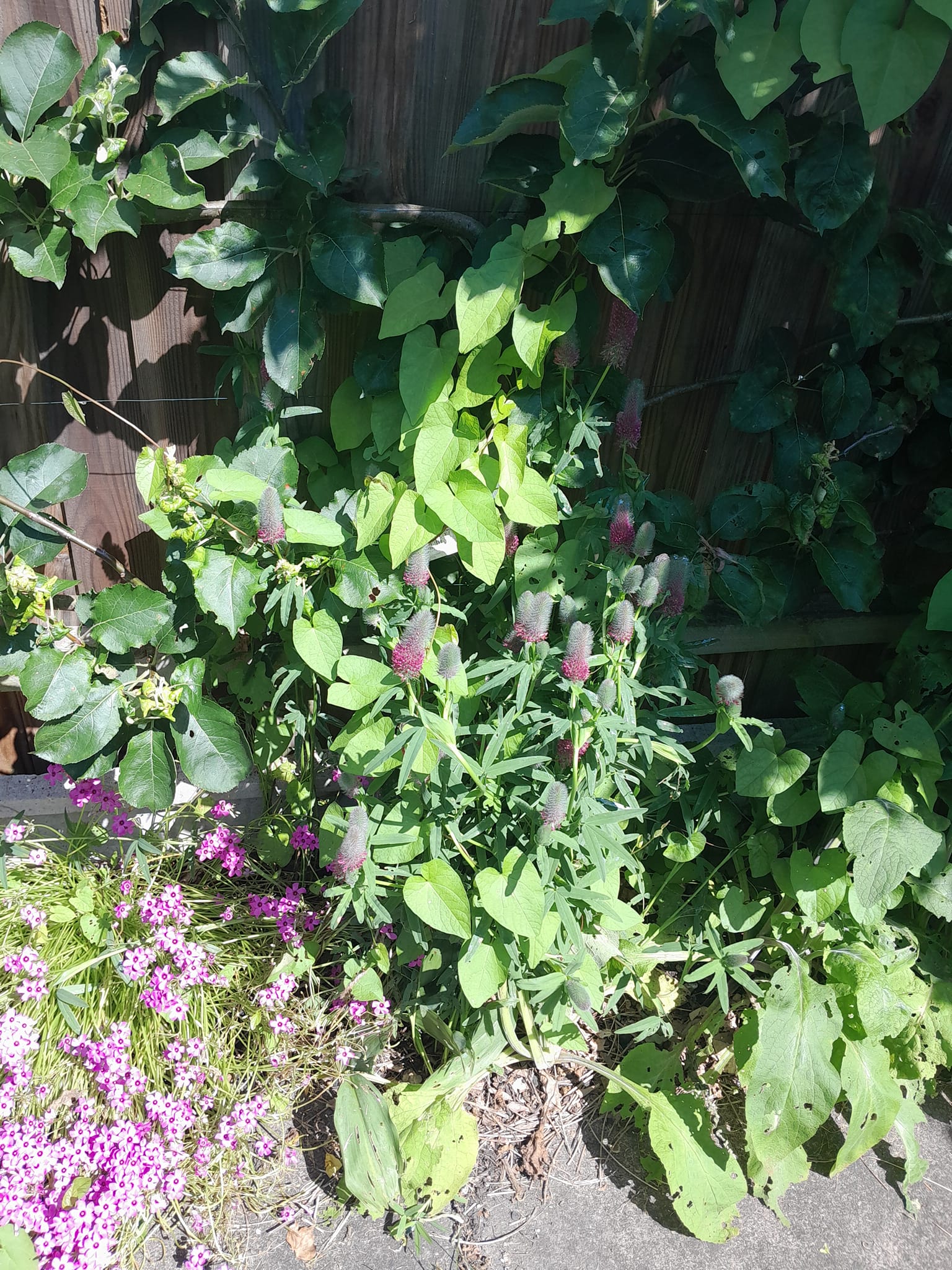
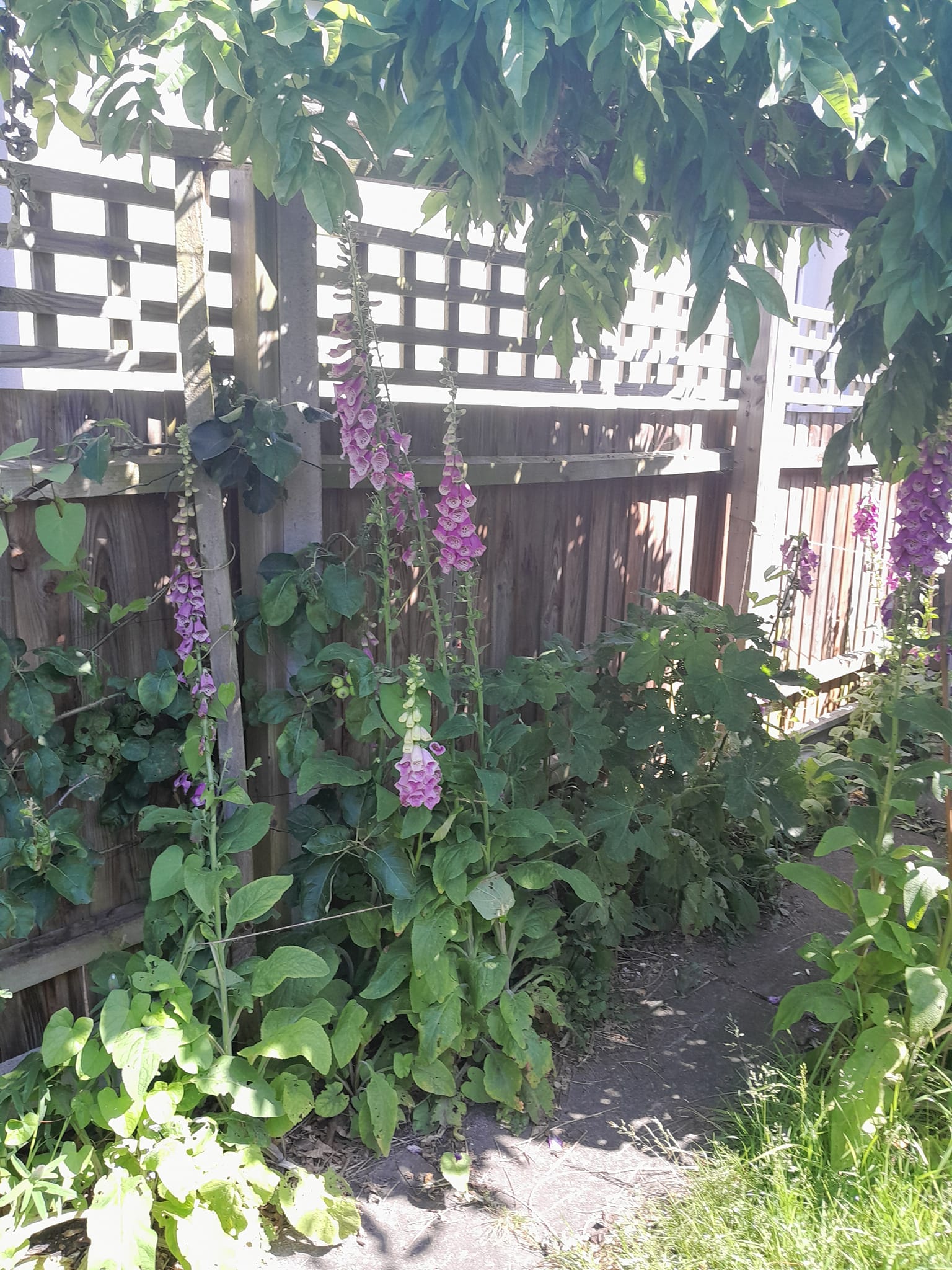
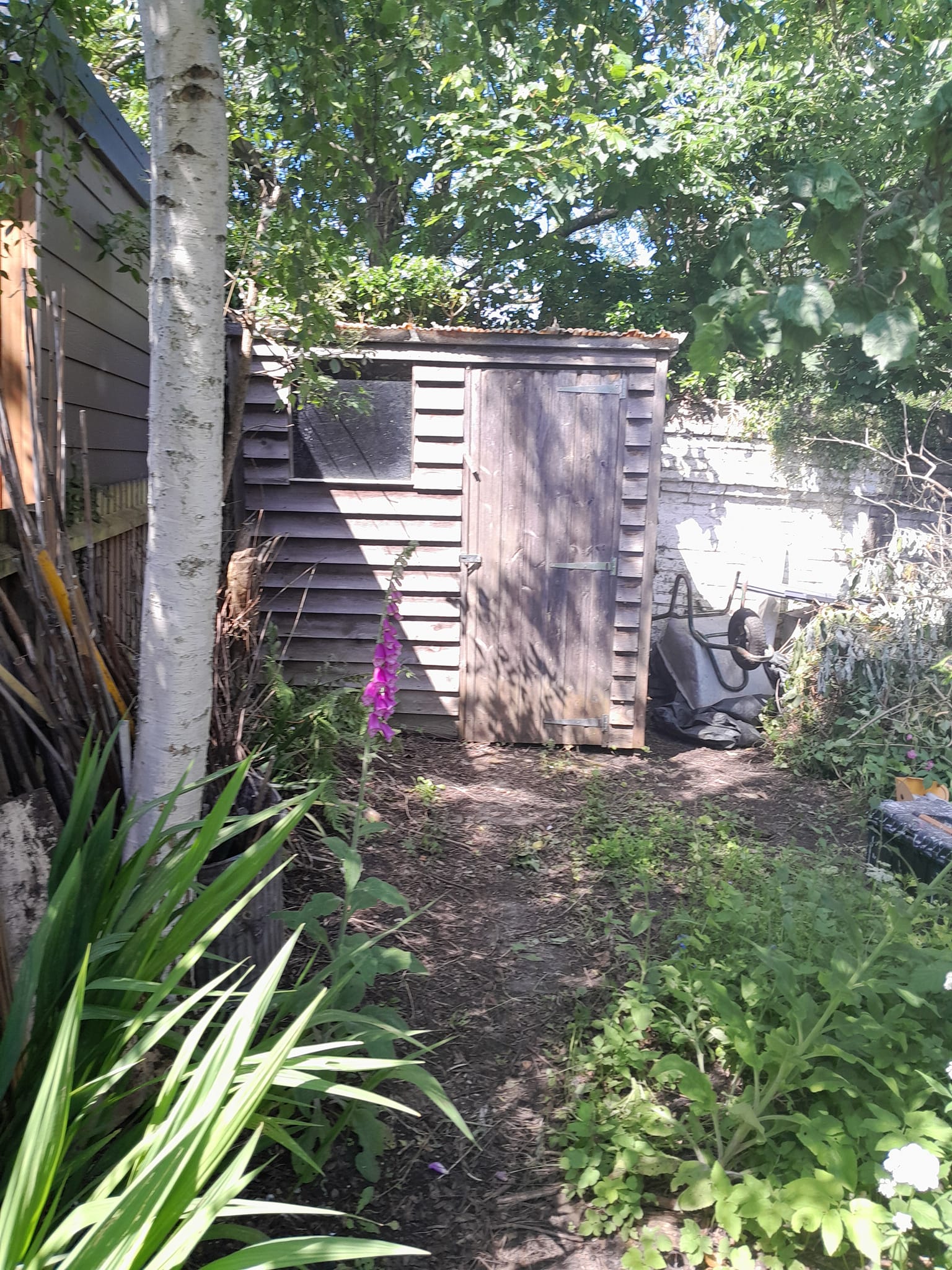
June 8: New shed!
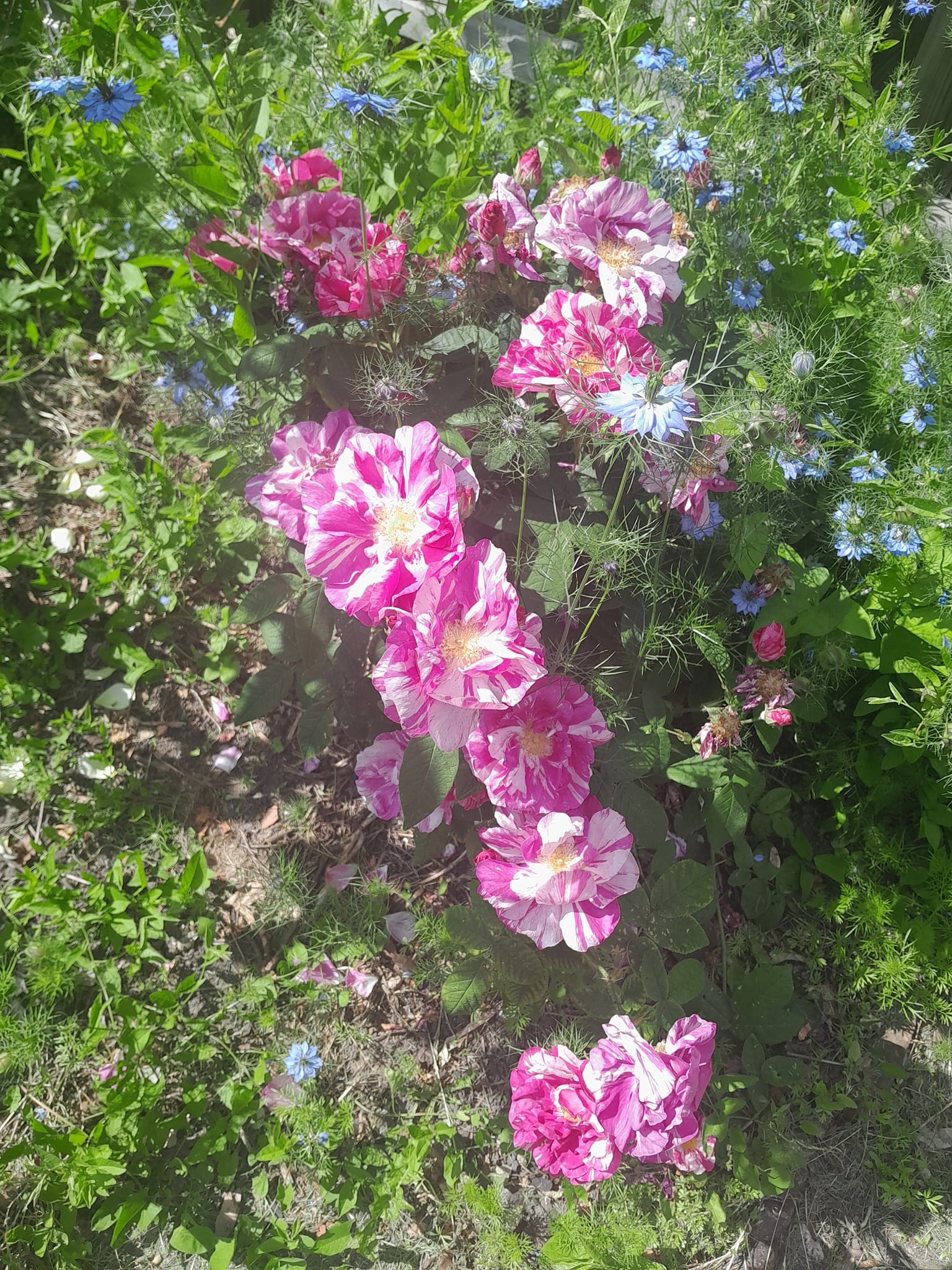
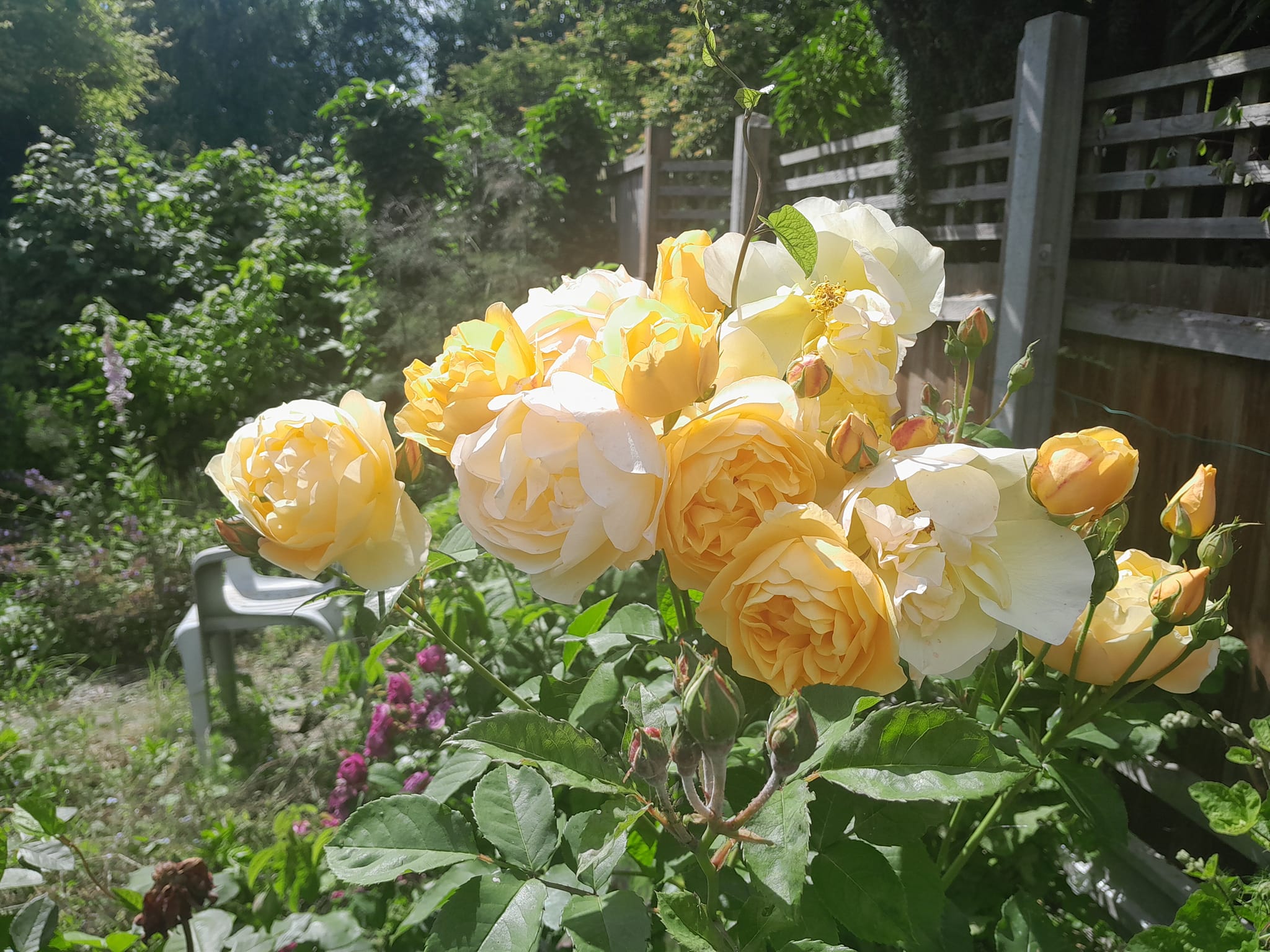
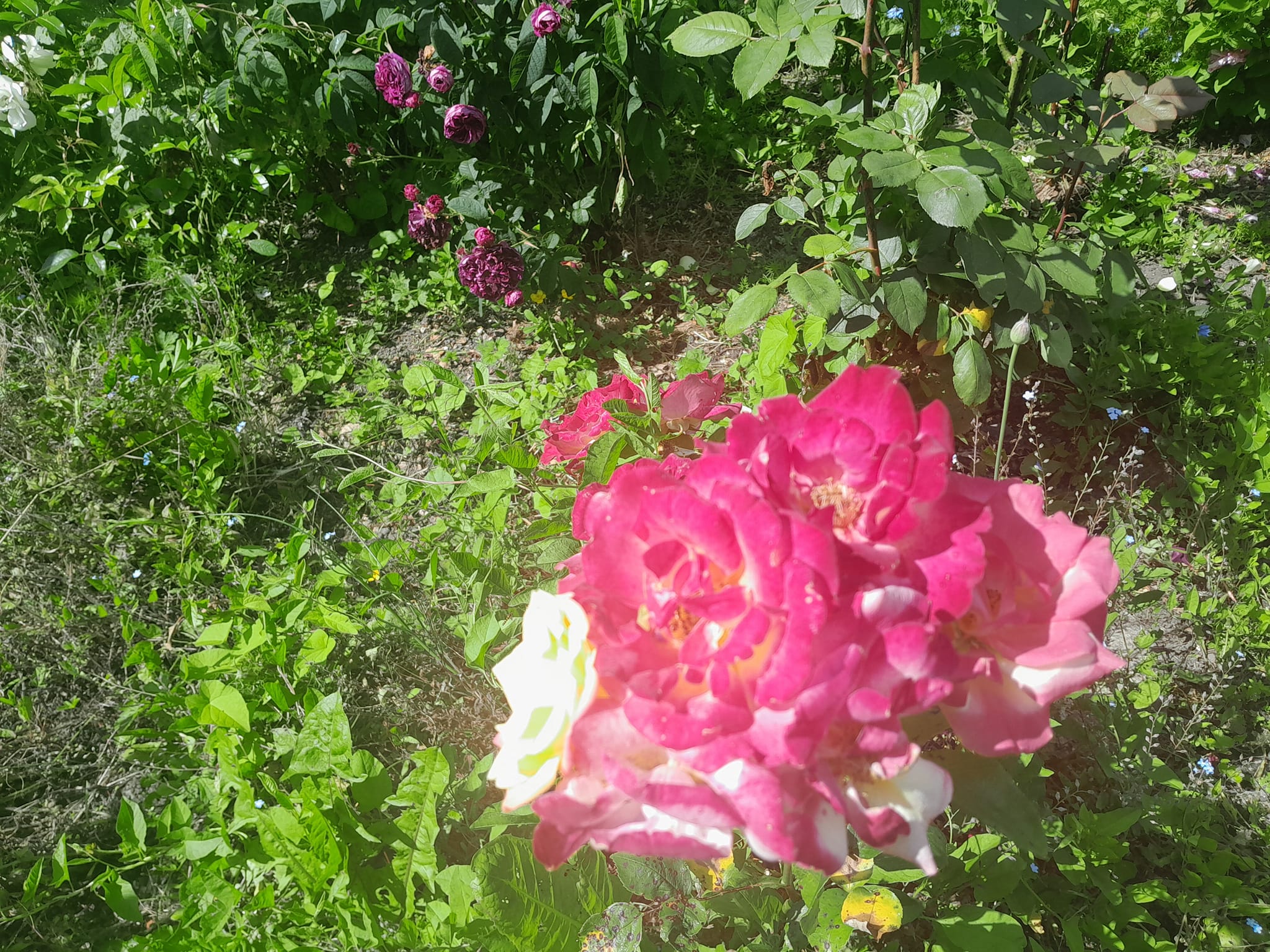
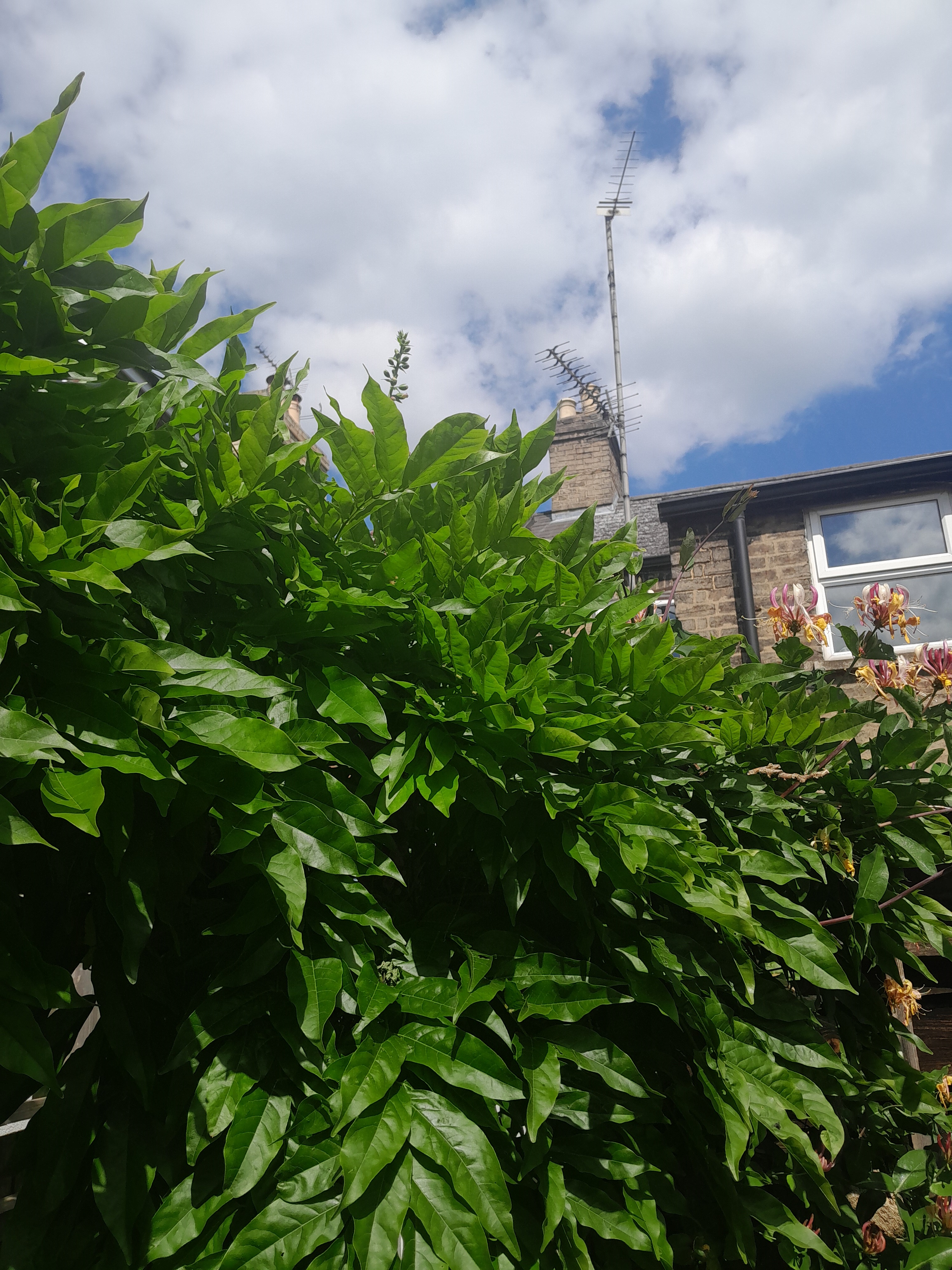
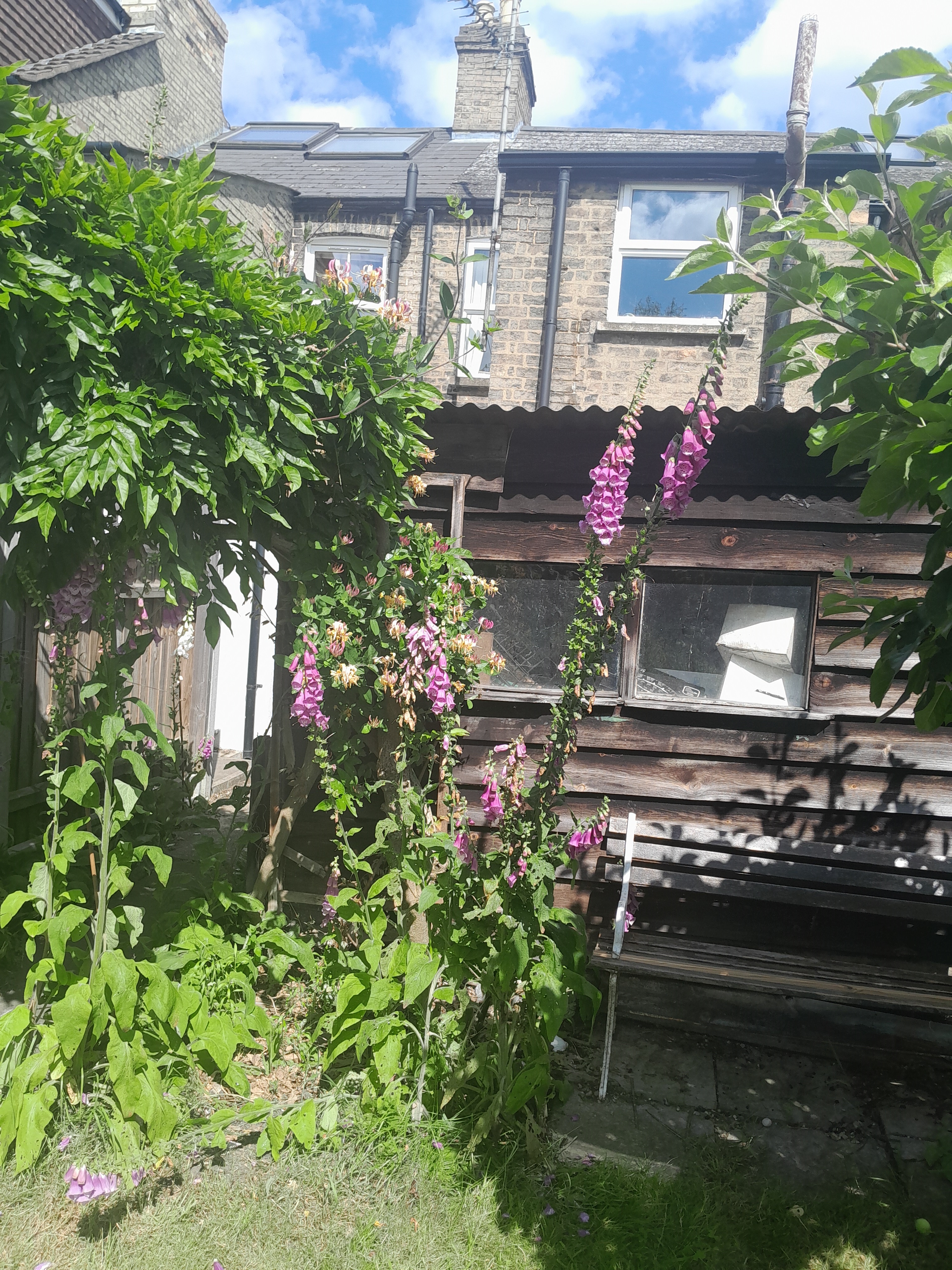

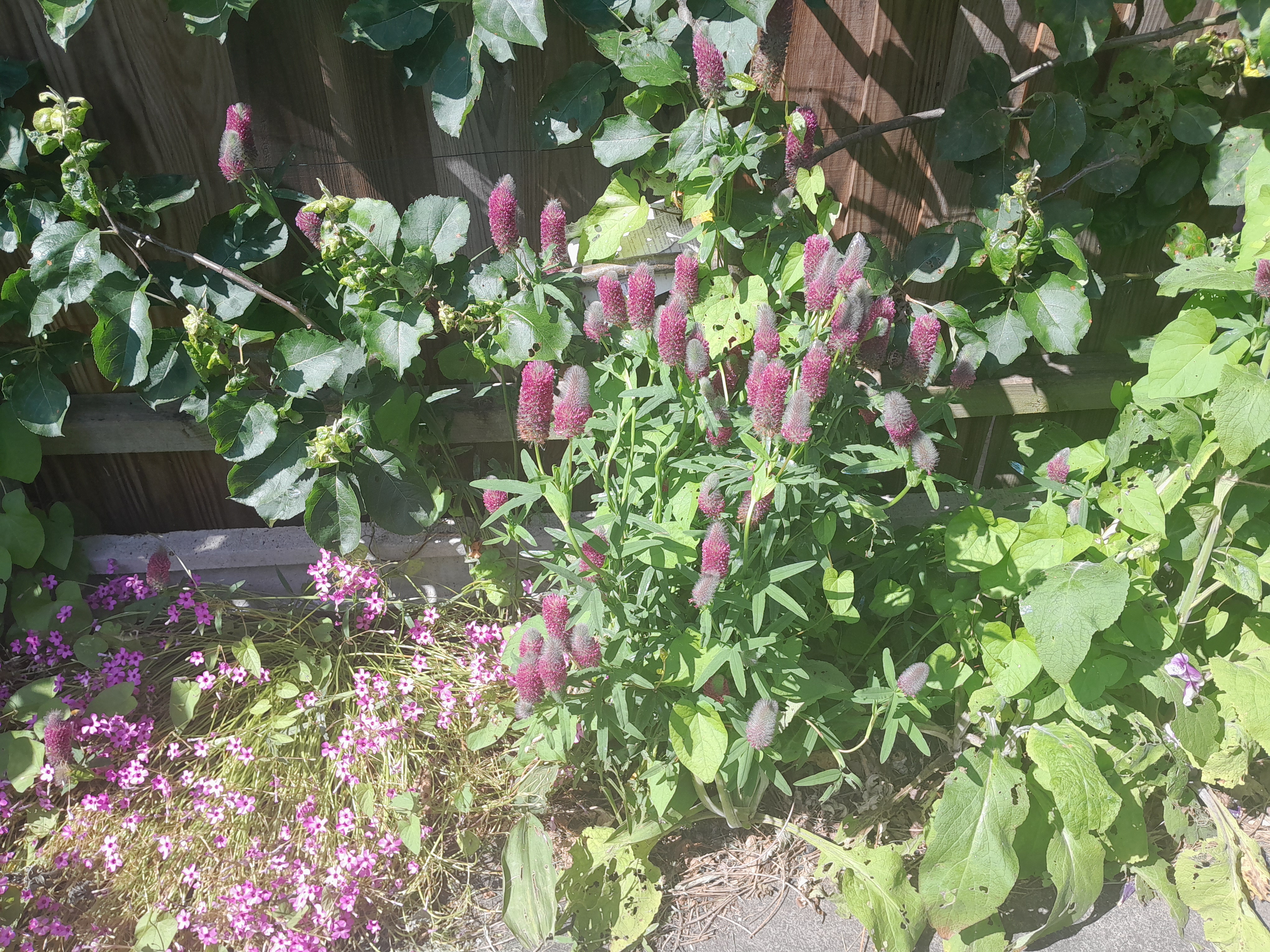
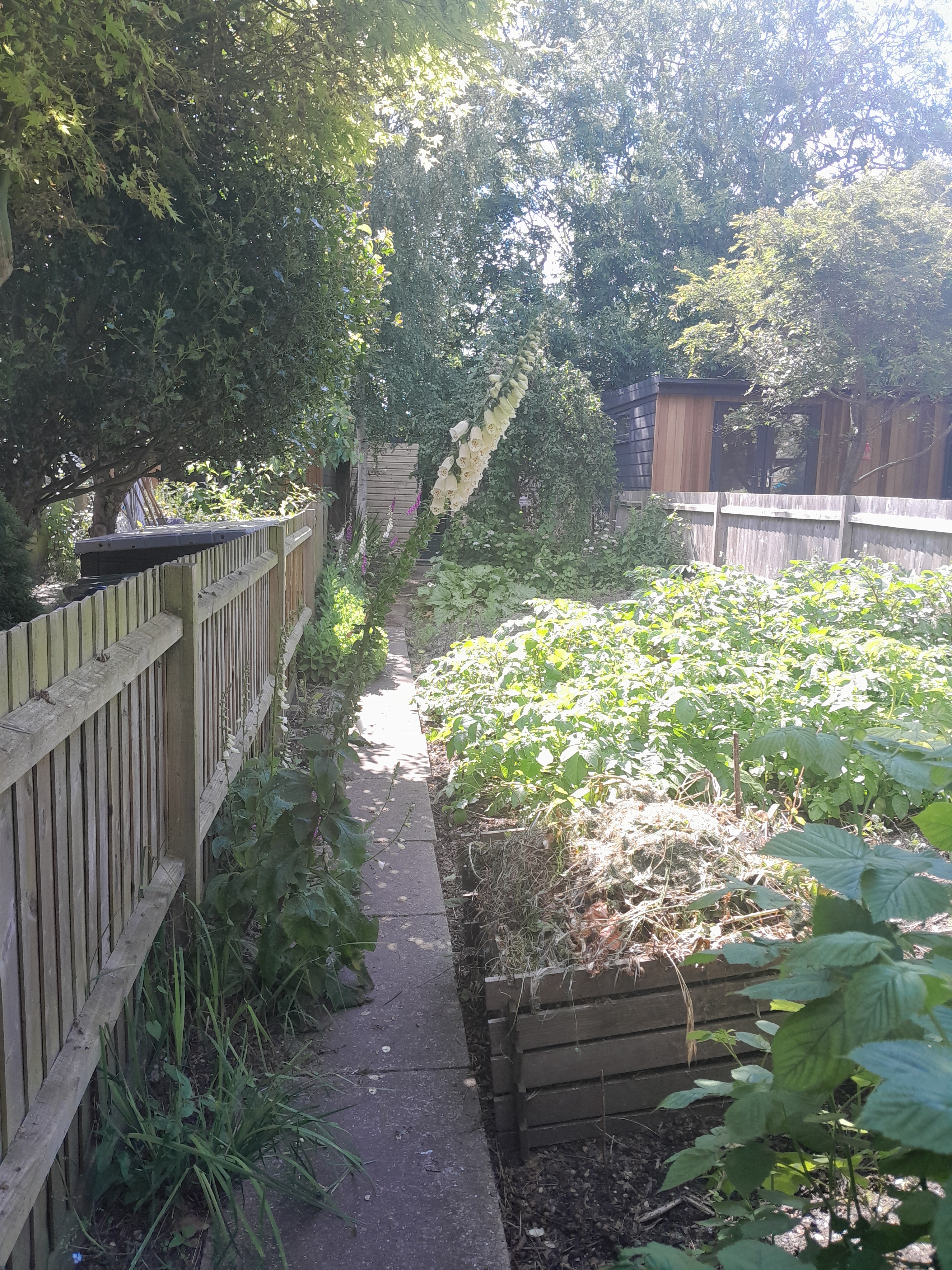
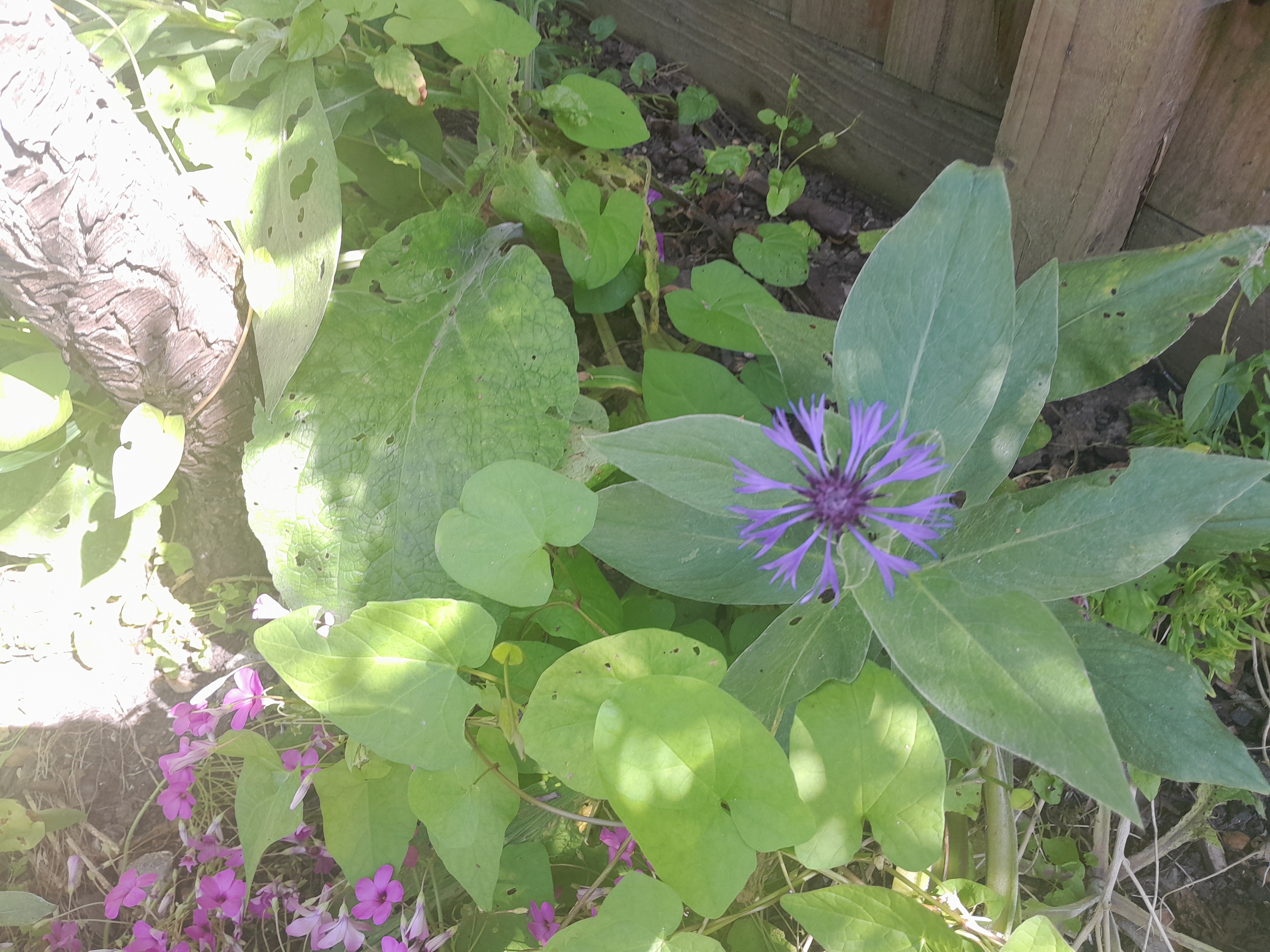
June 17: First raspberries
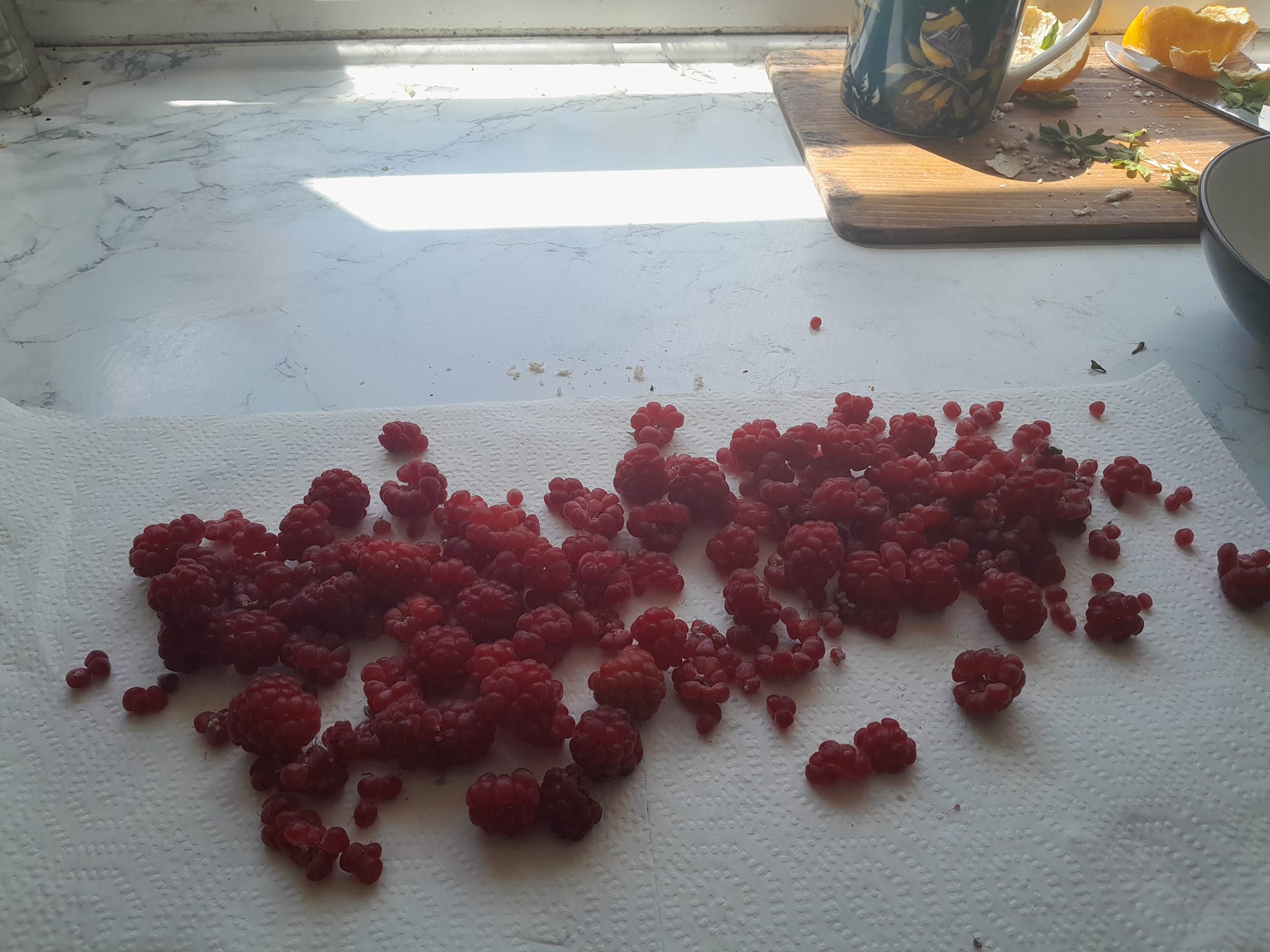
June 18: Foxglove being silly!
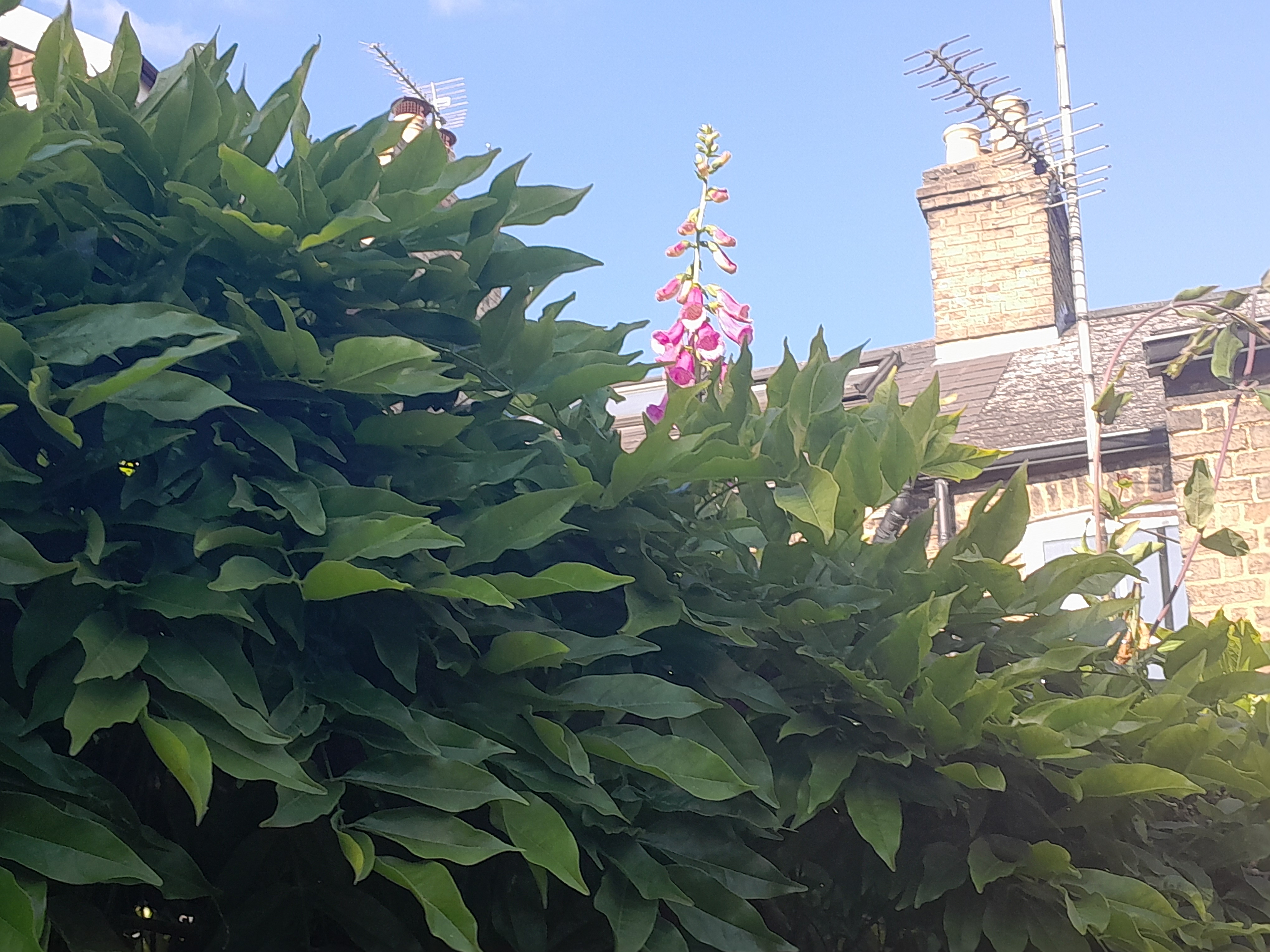
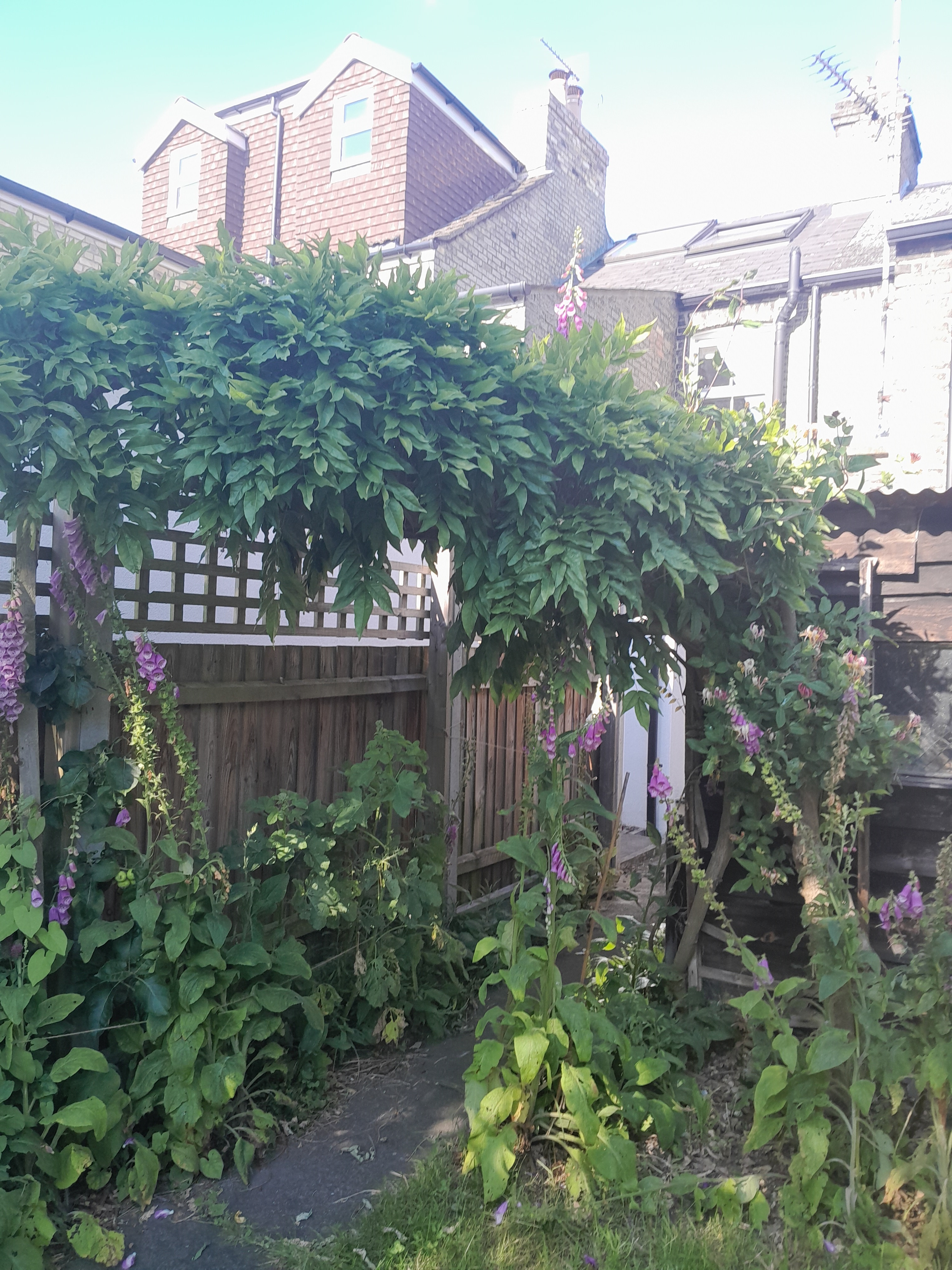
June 24: First hollyhock
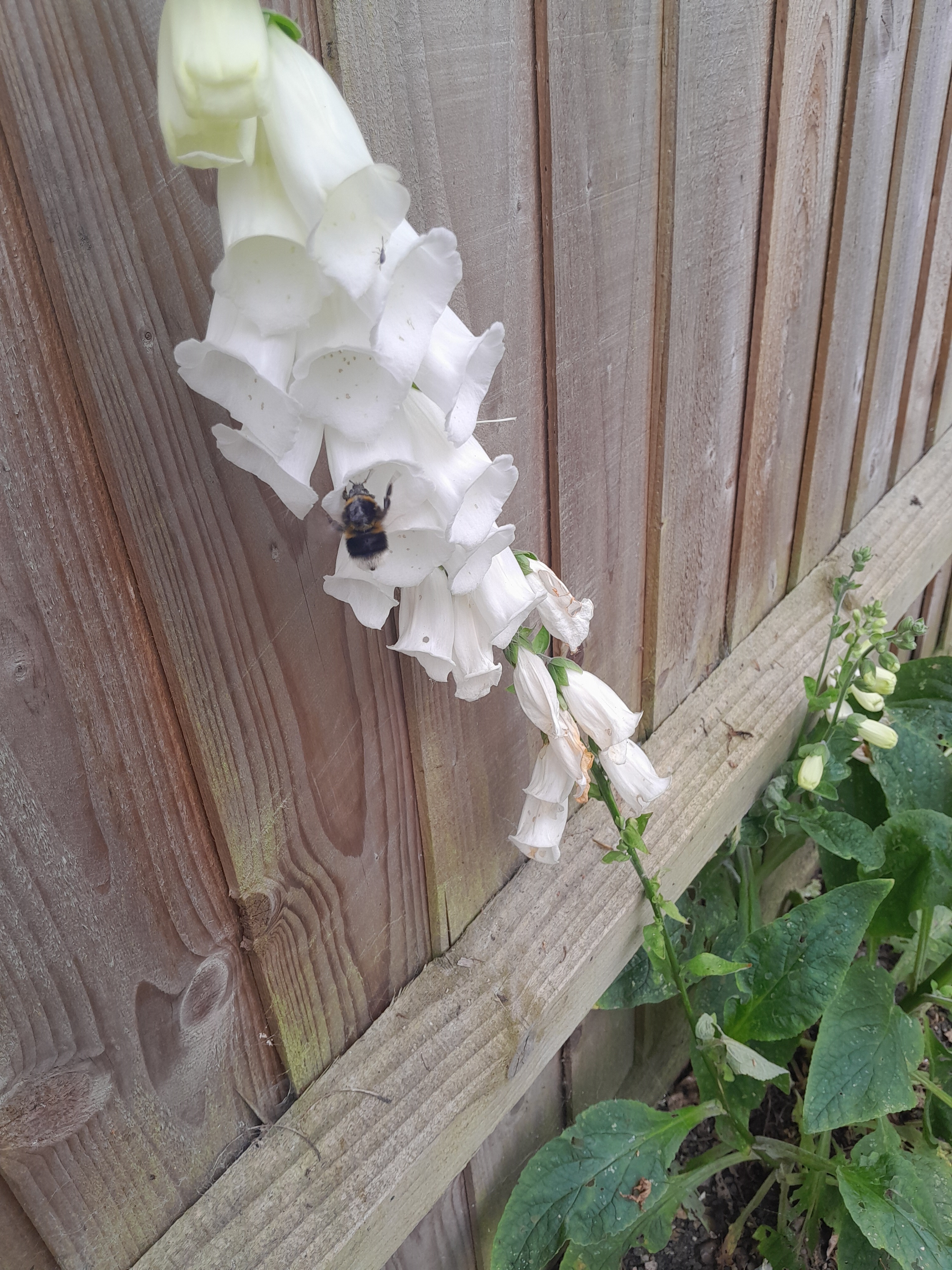
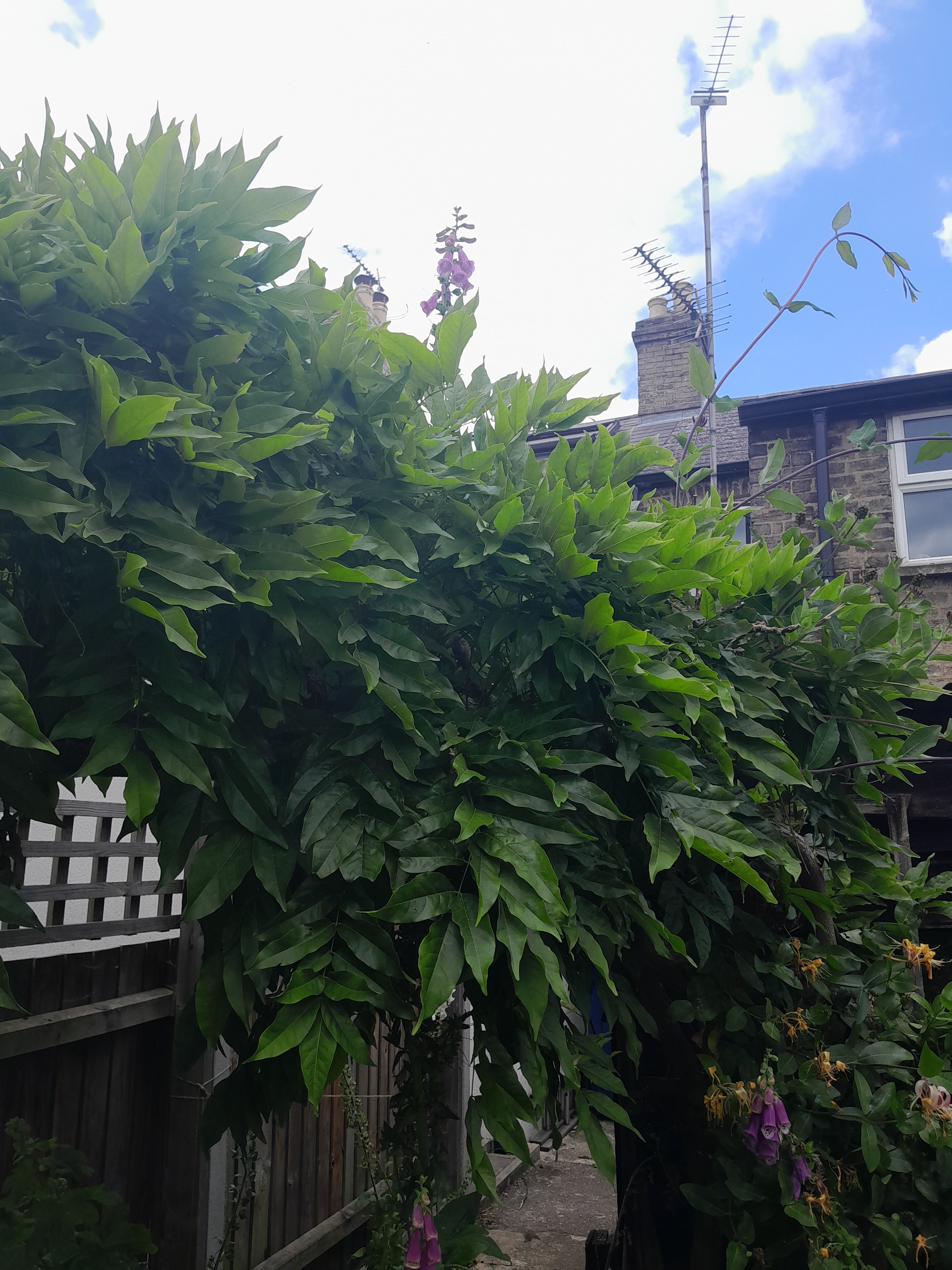
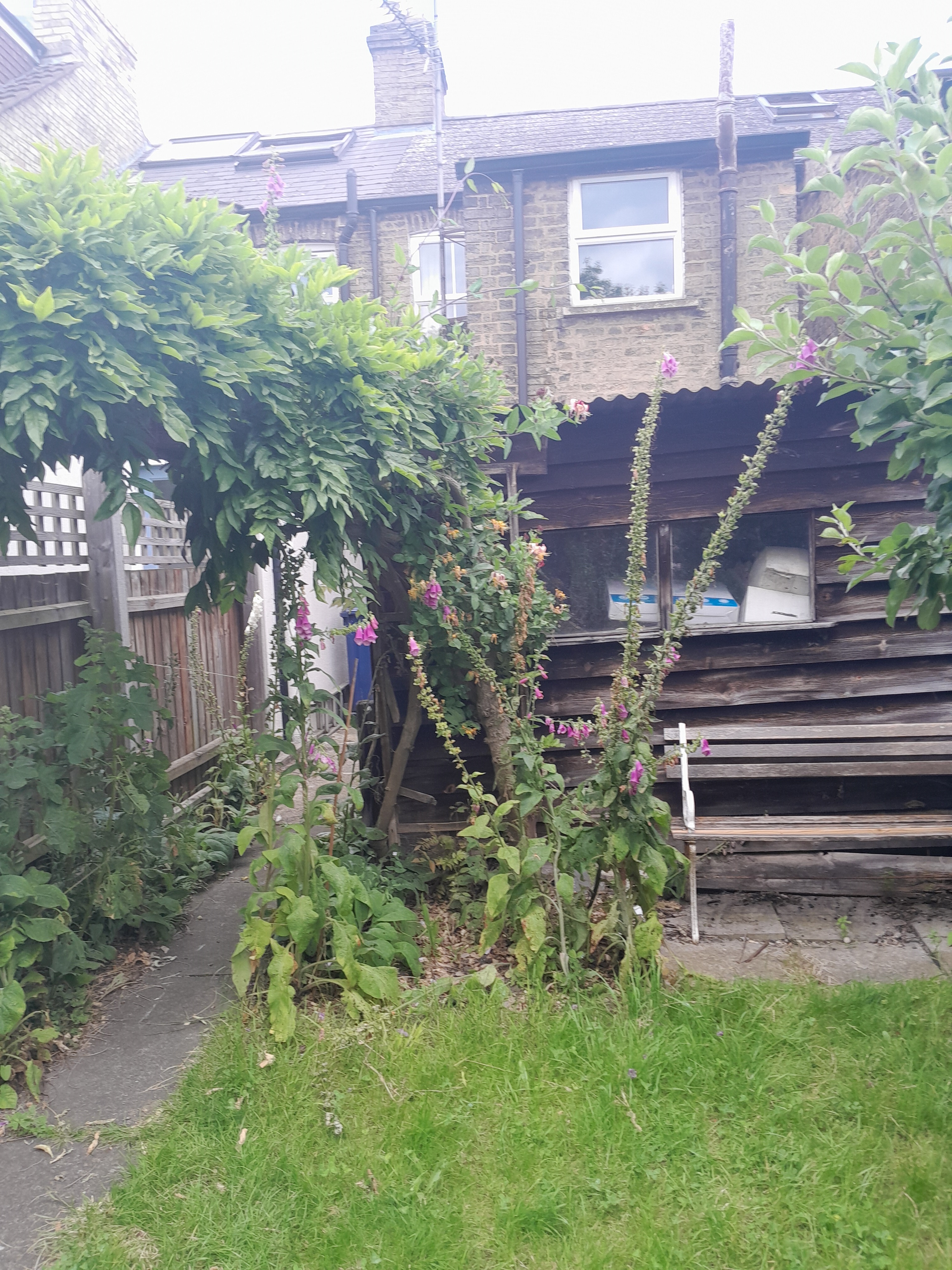
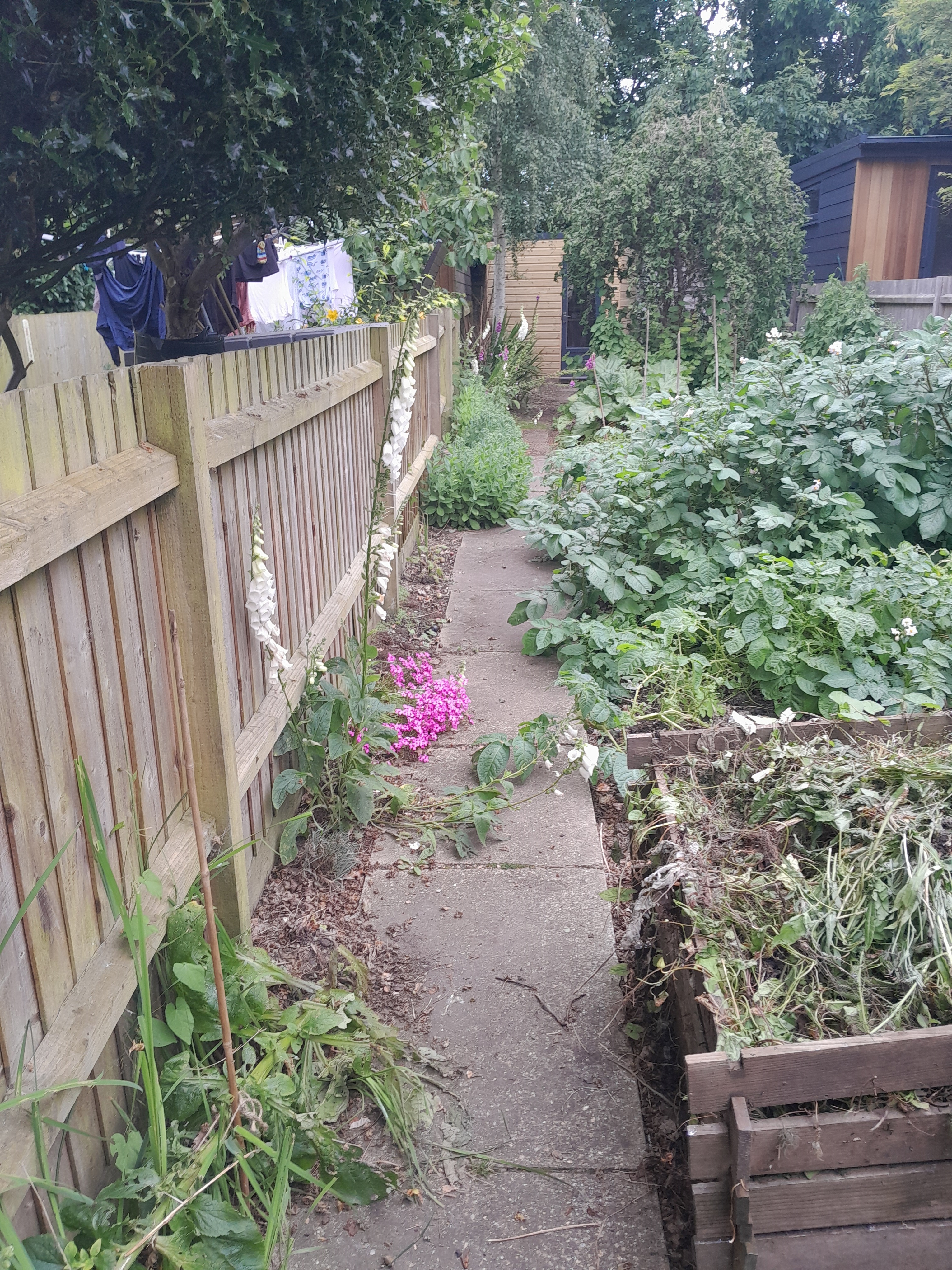
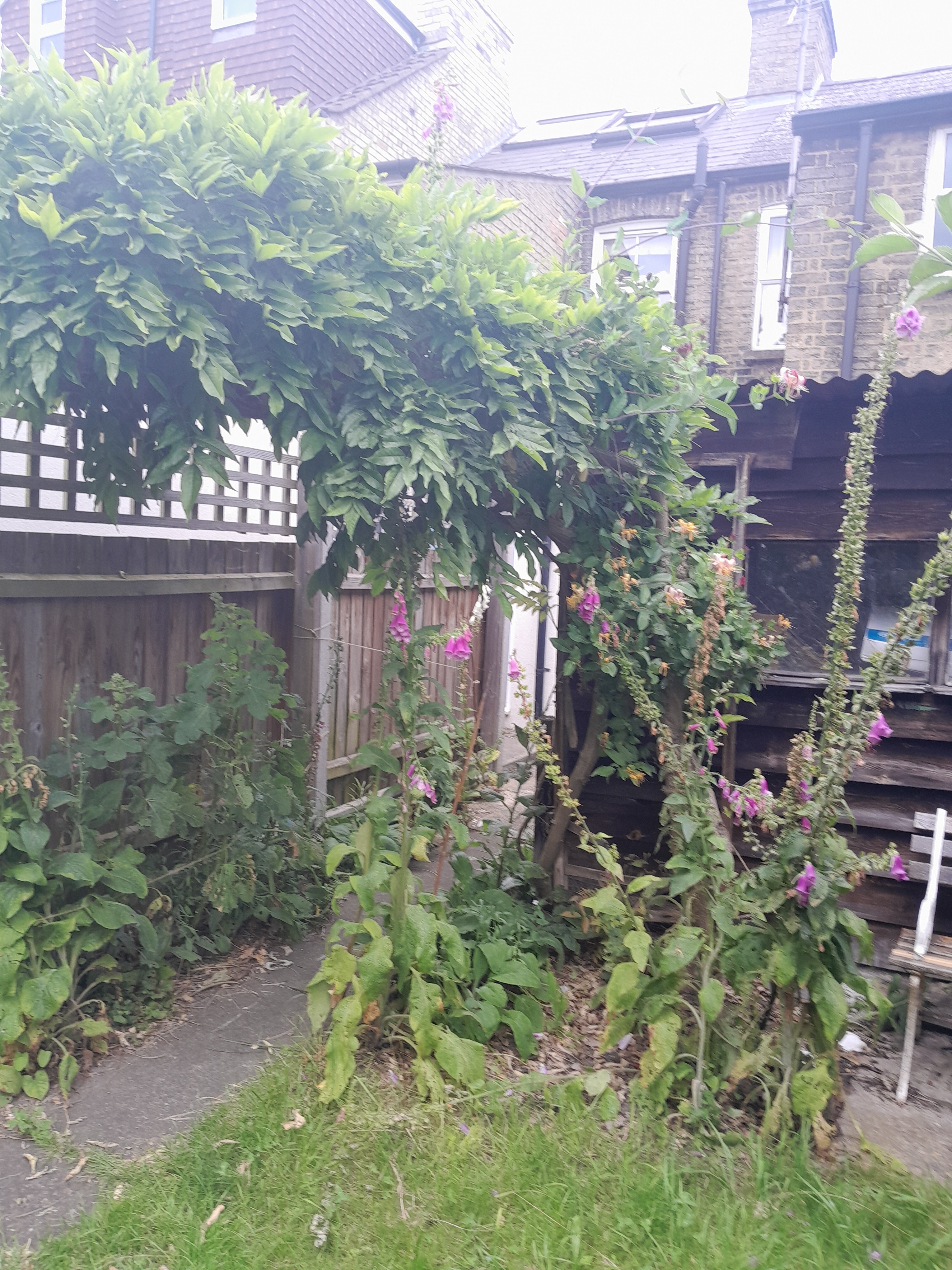
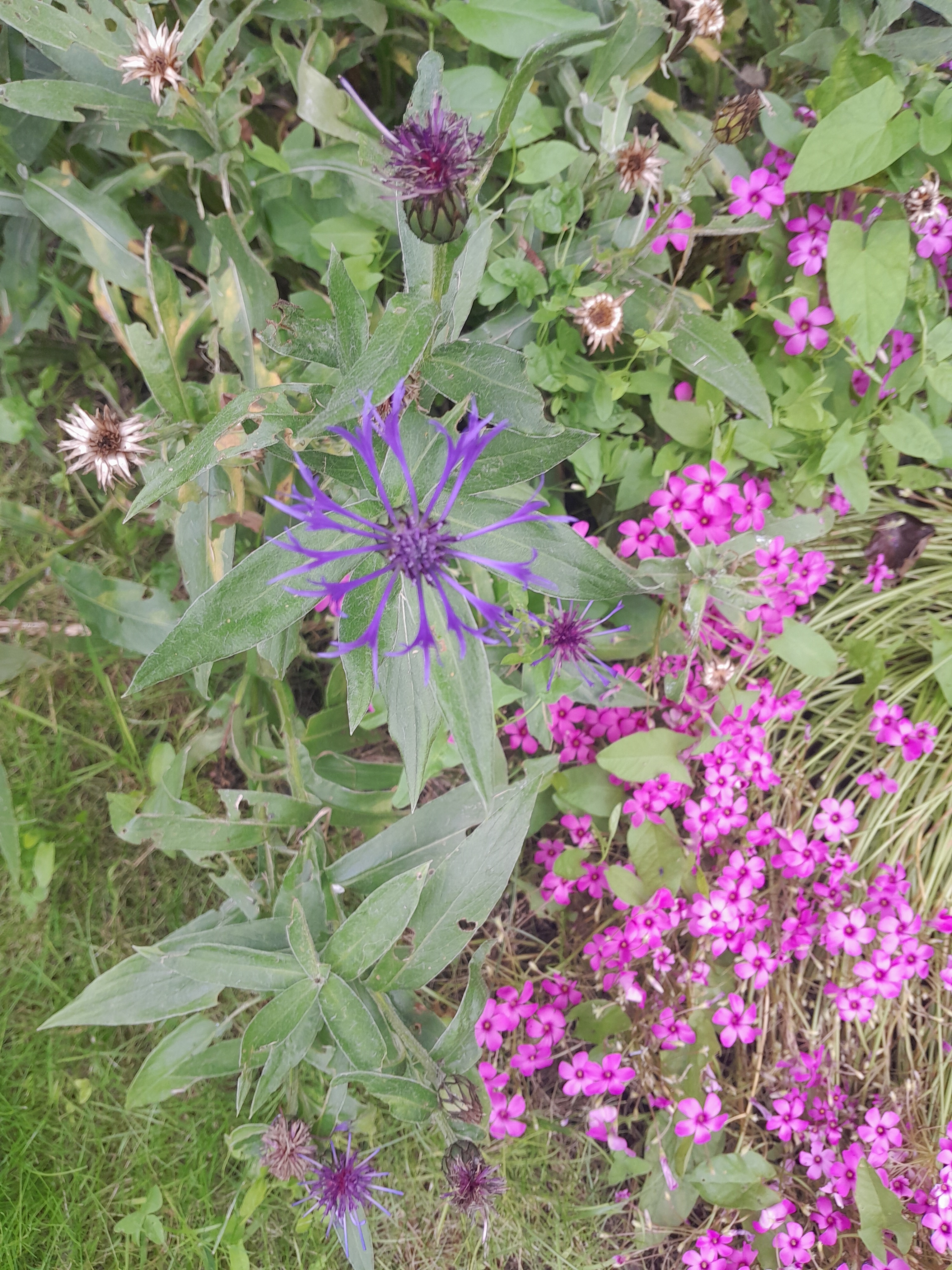
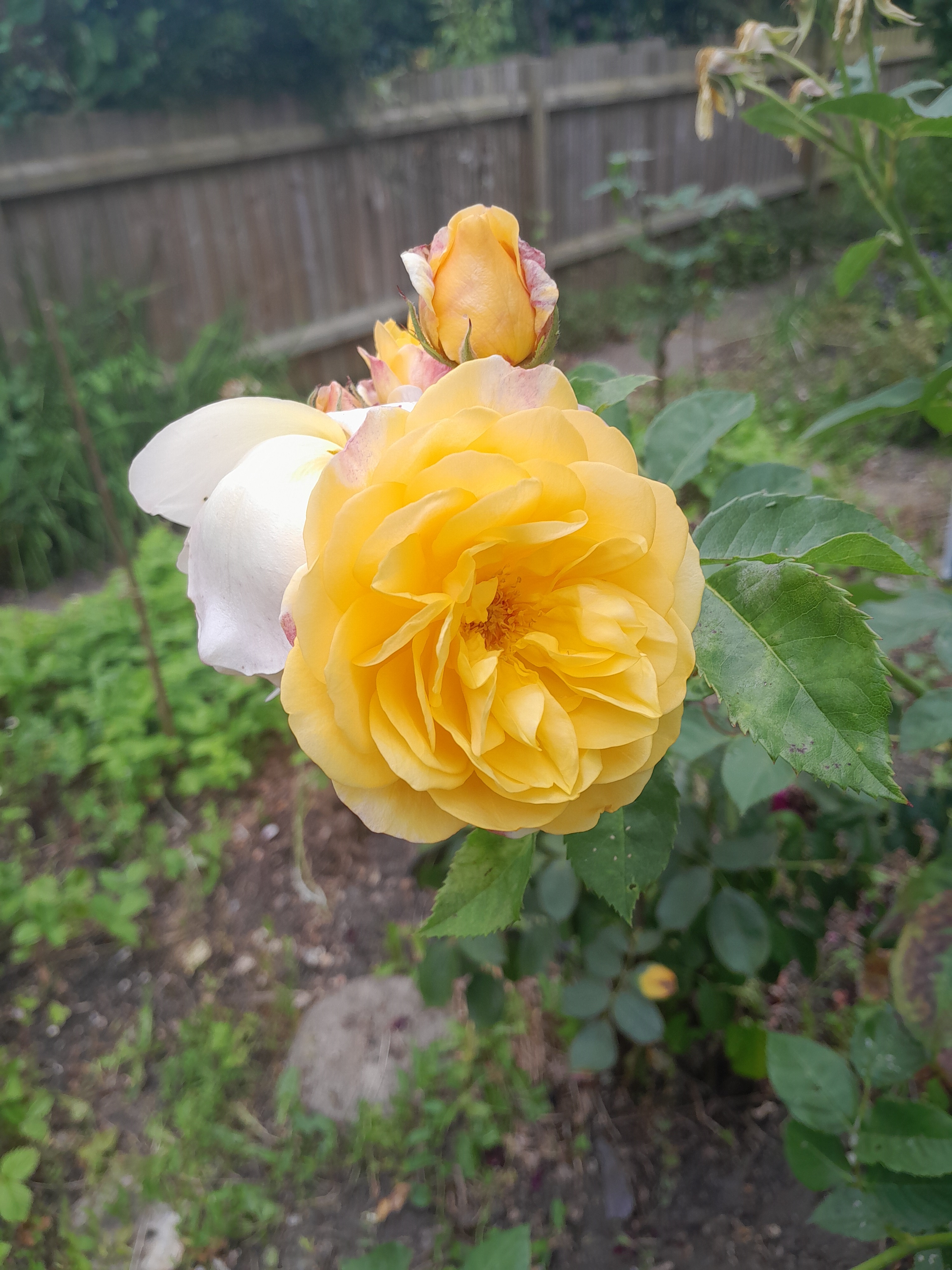
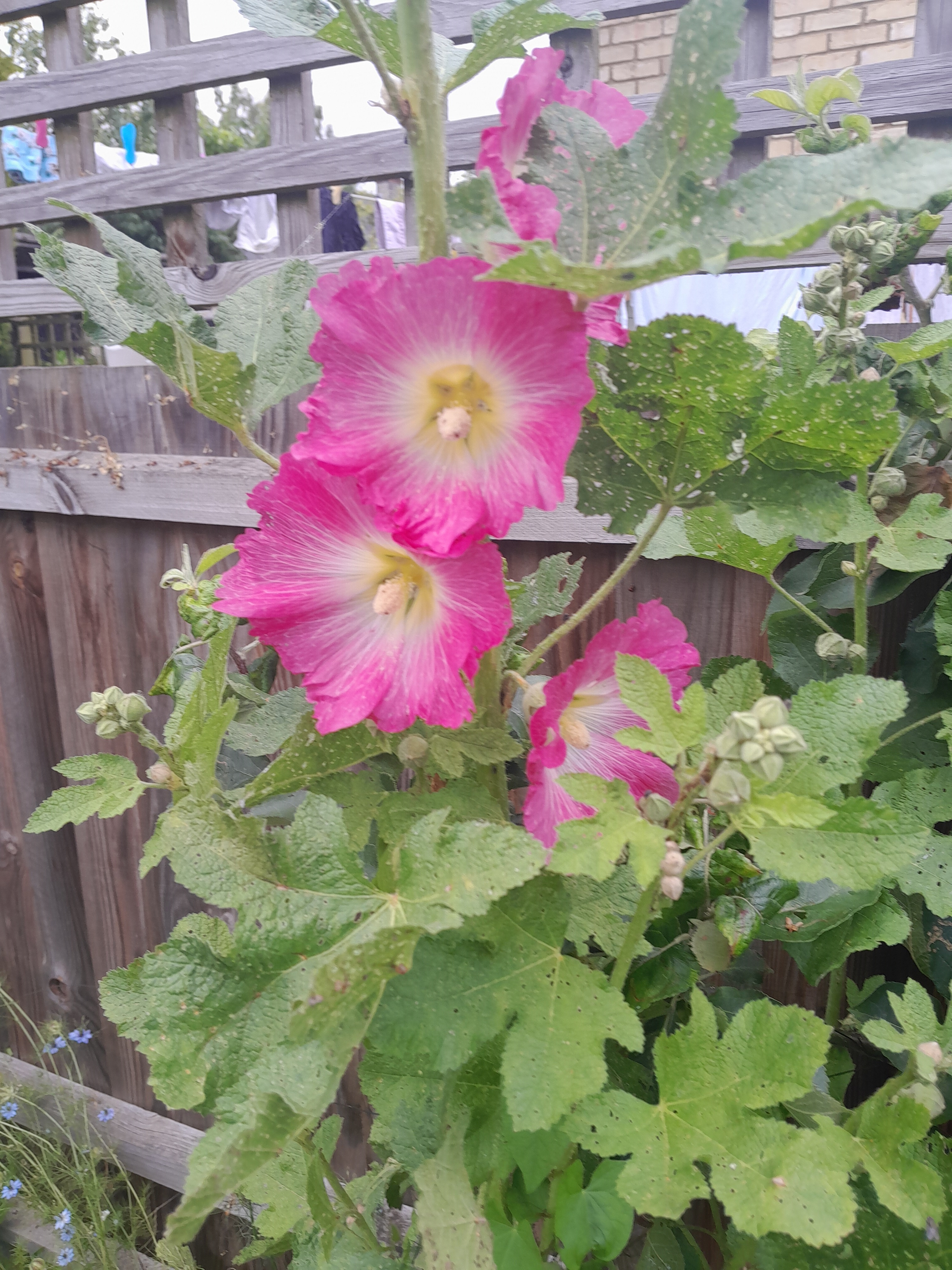
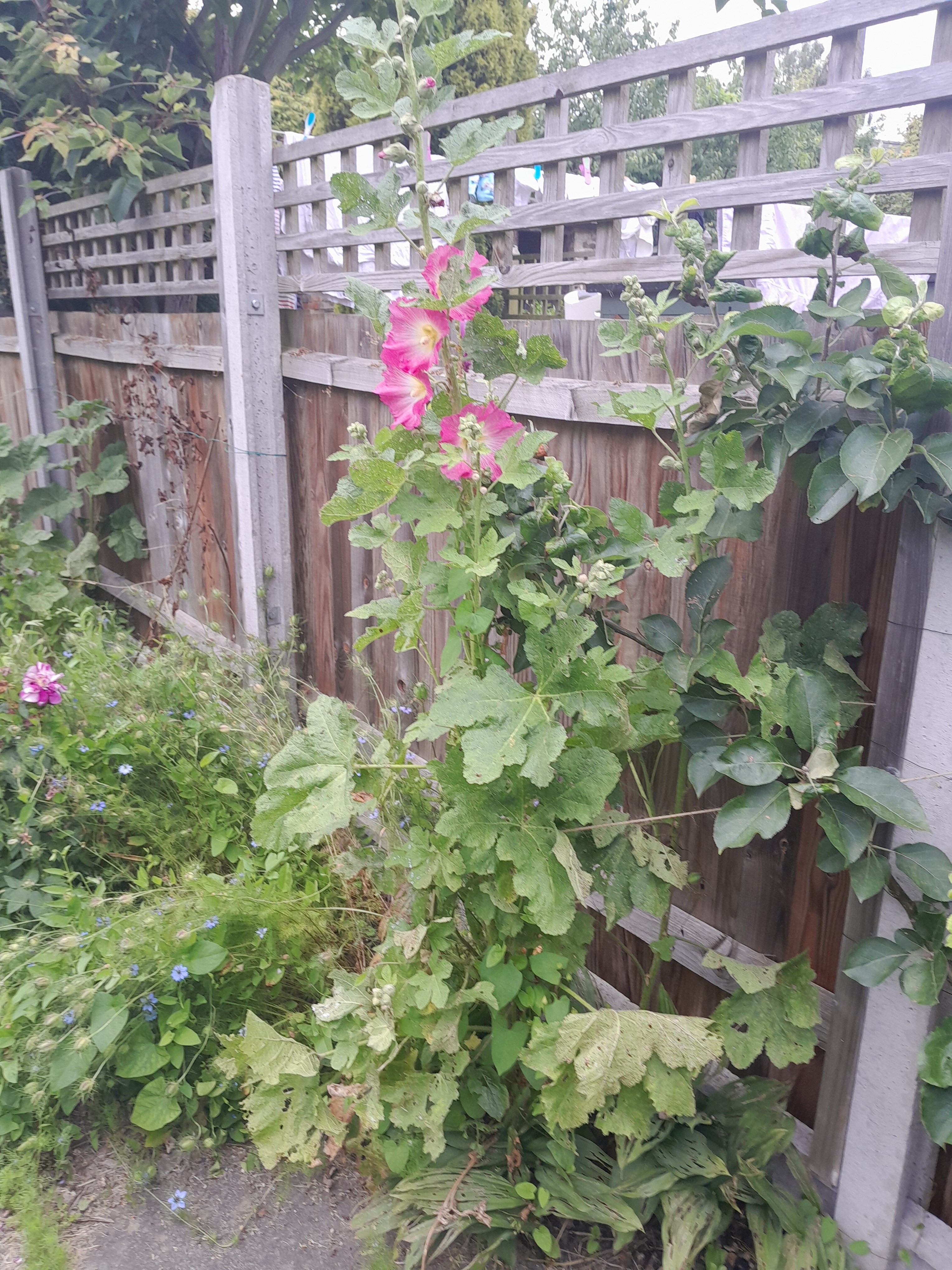
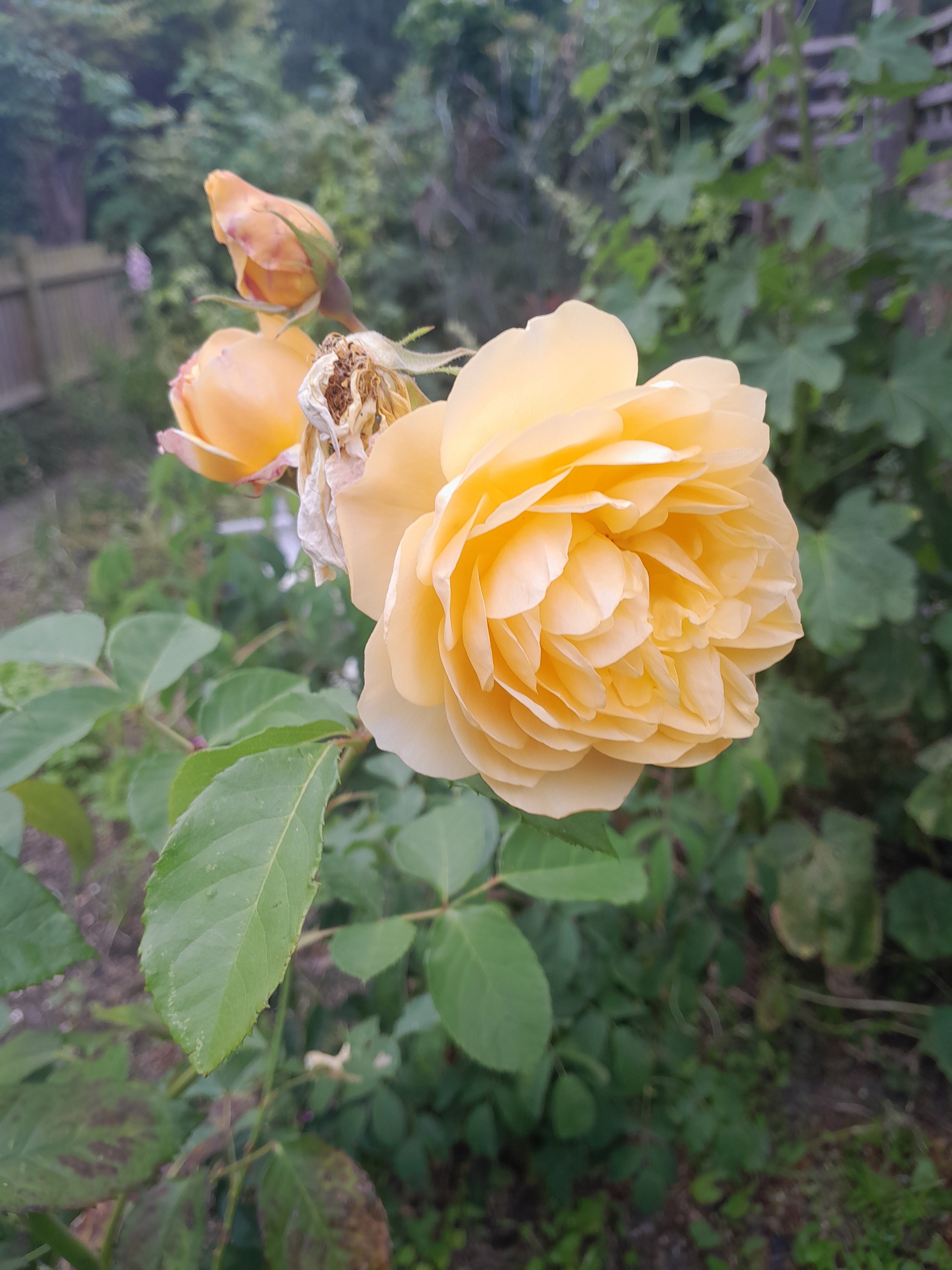
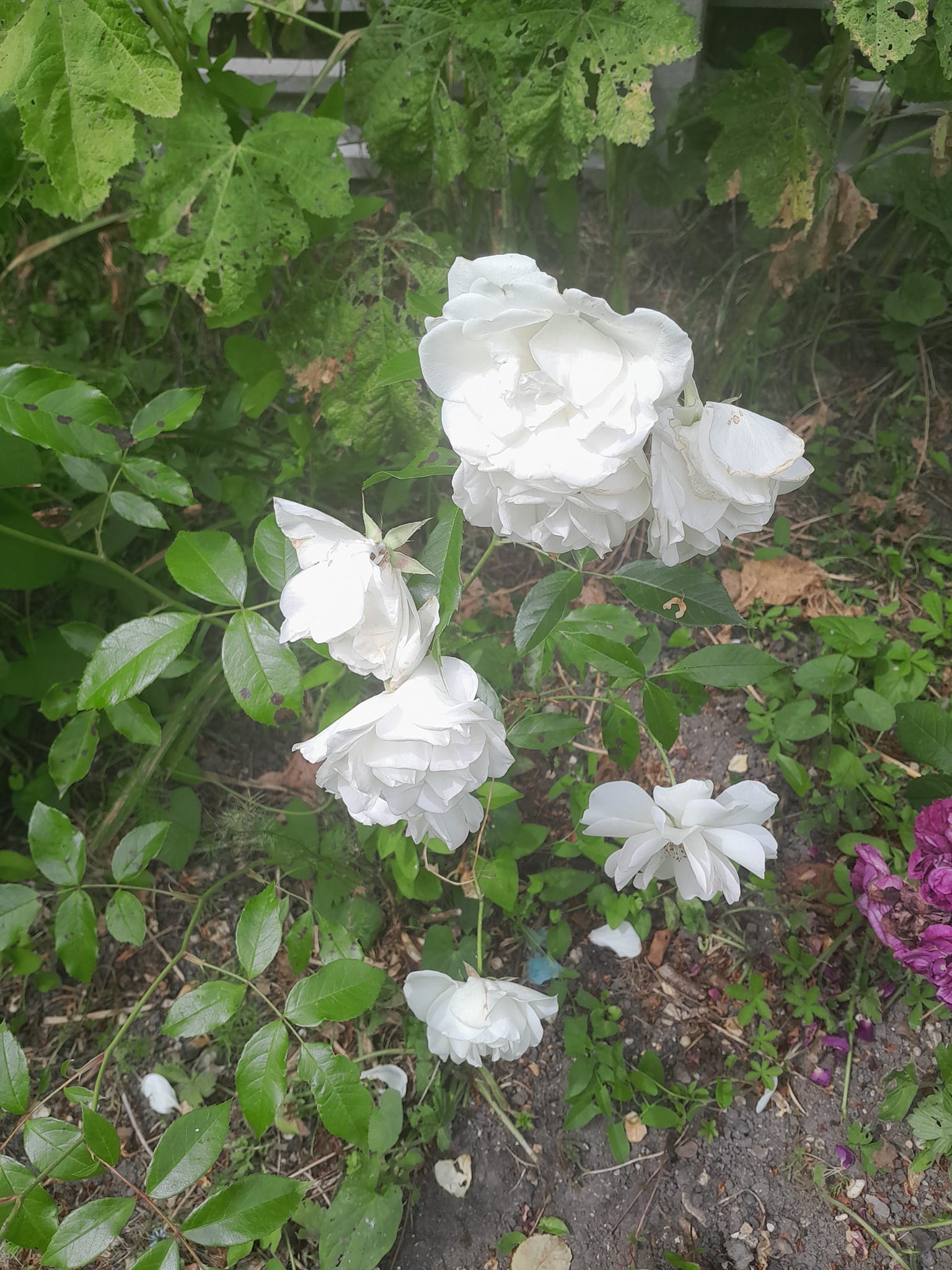
June 30:
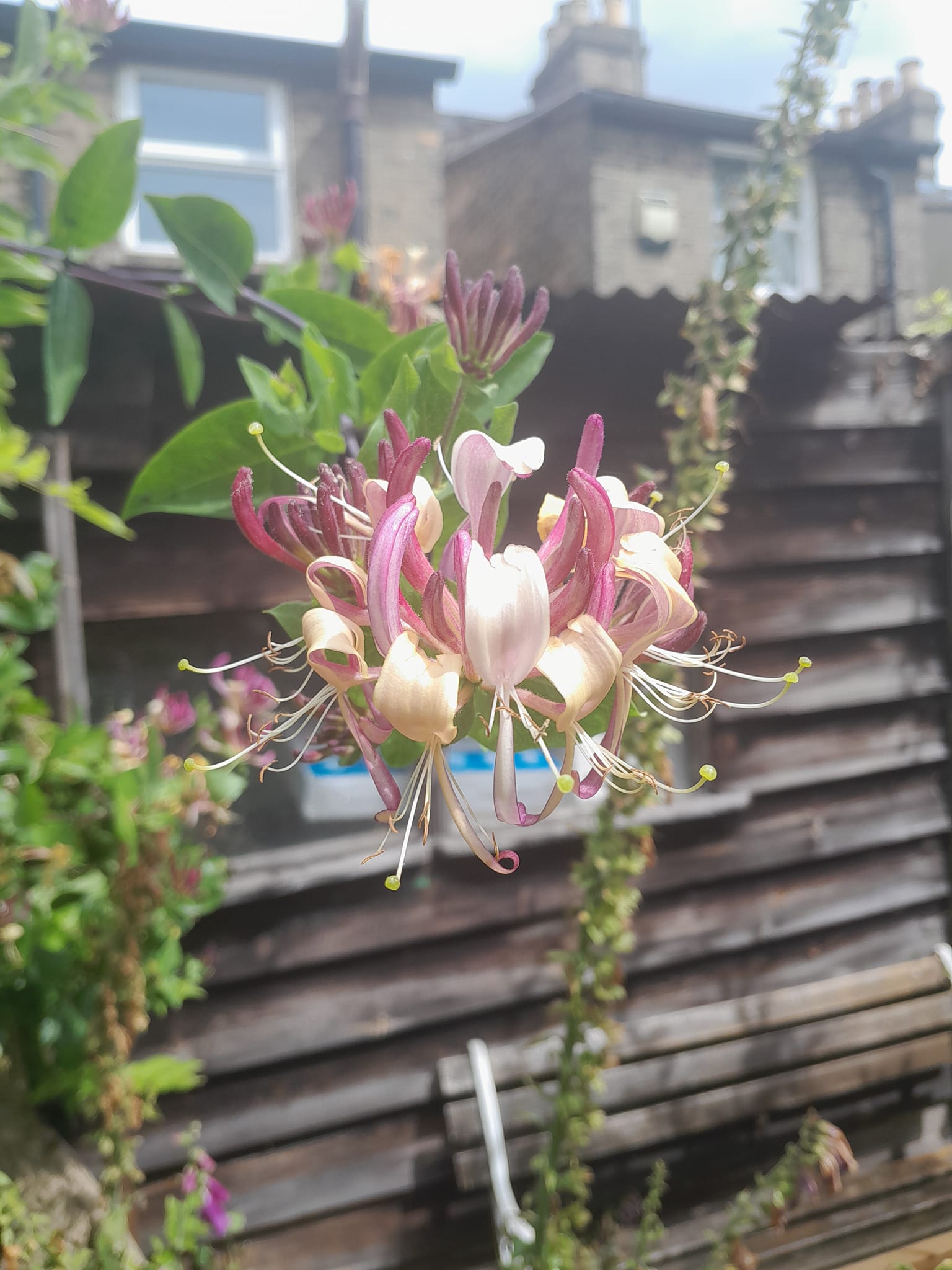
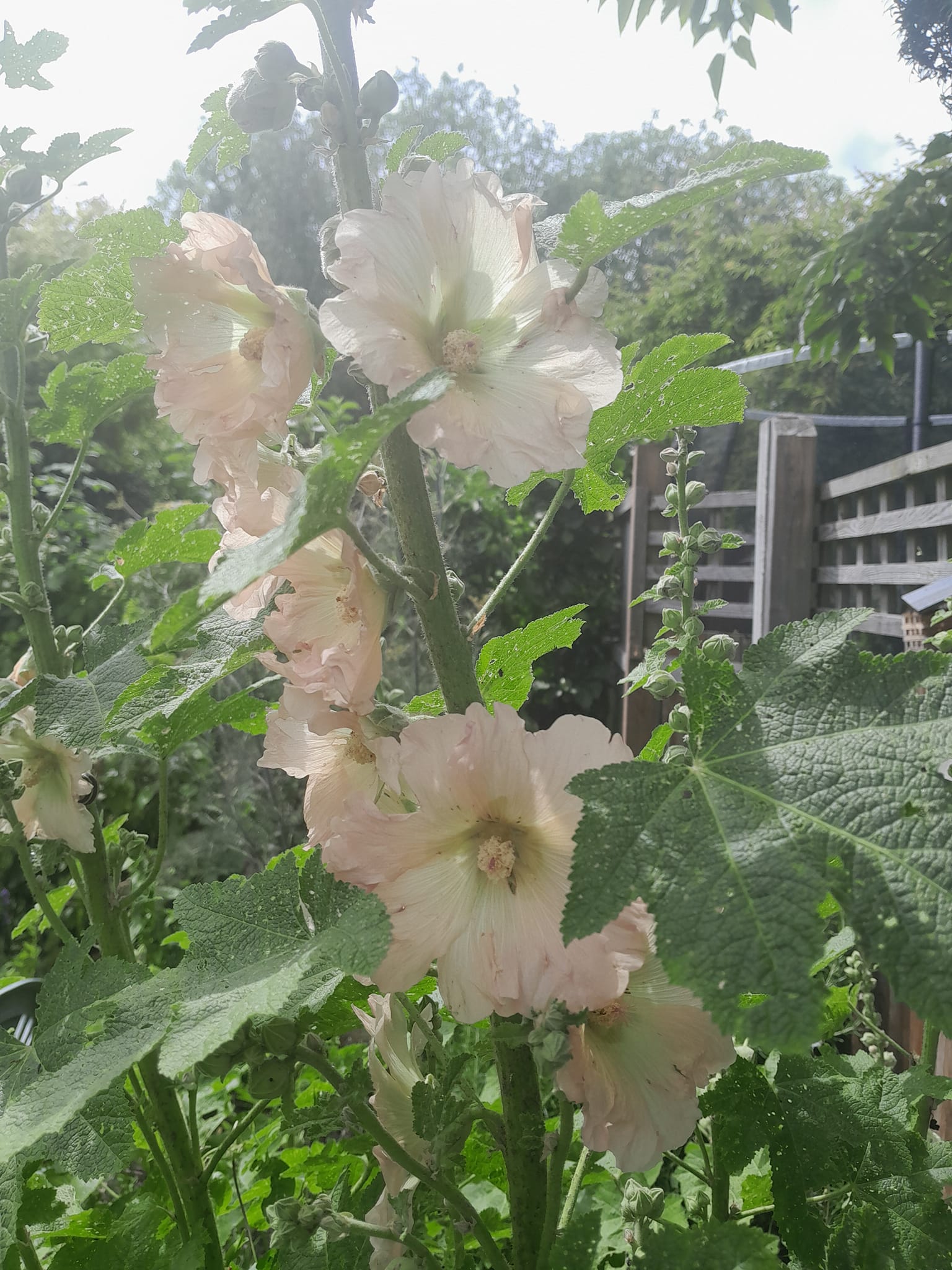
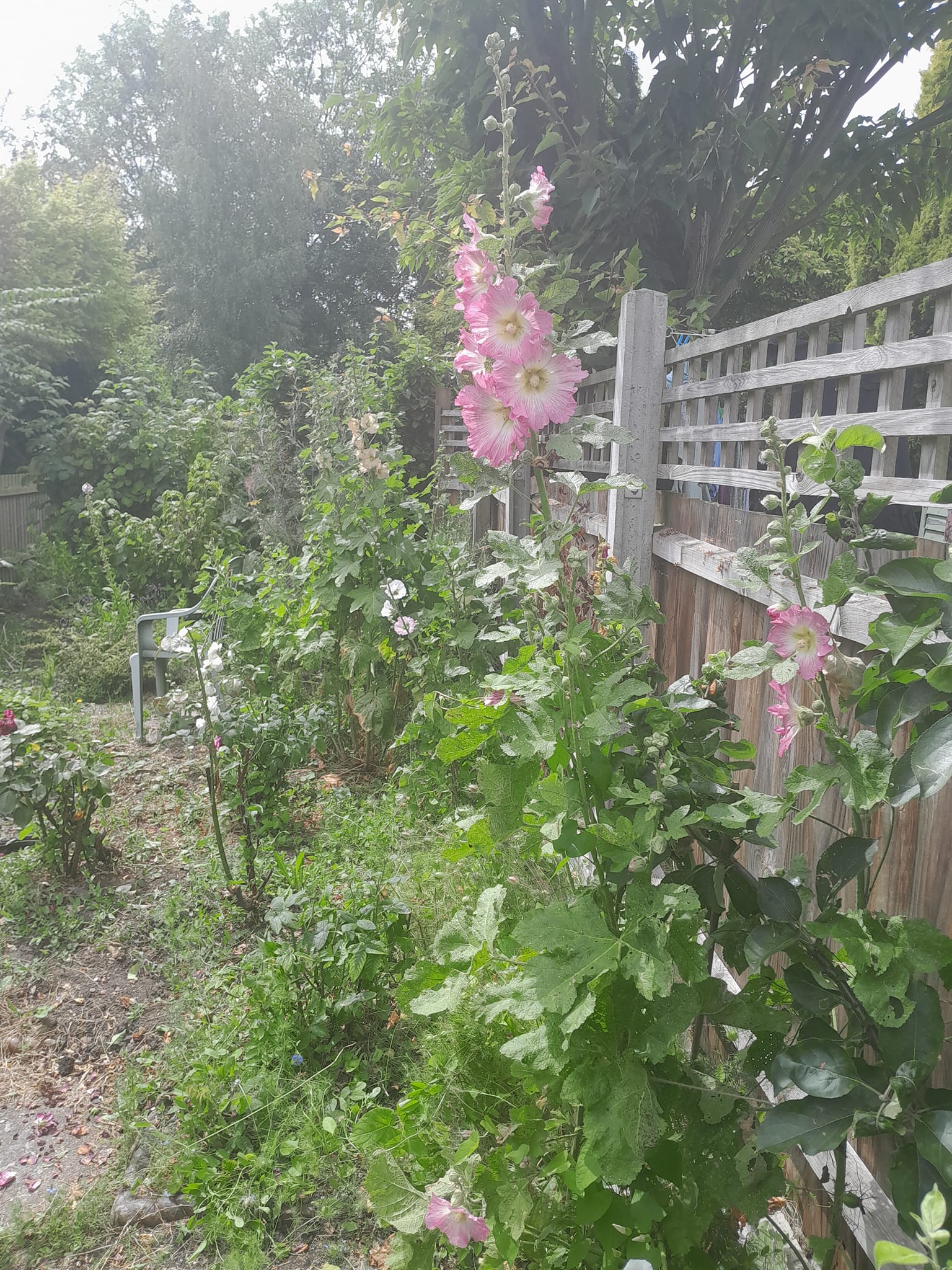
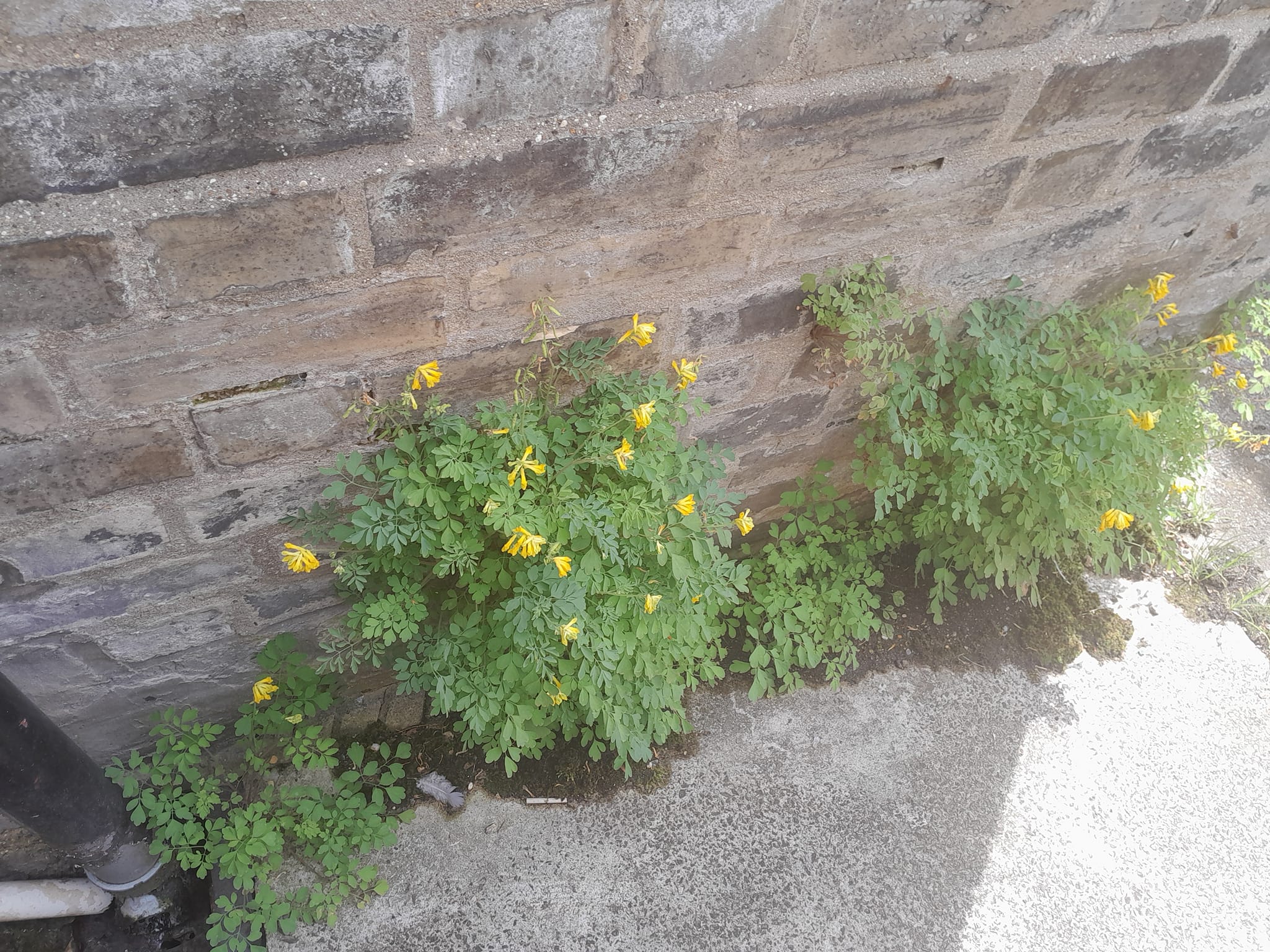
| June | 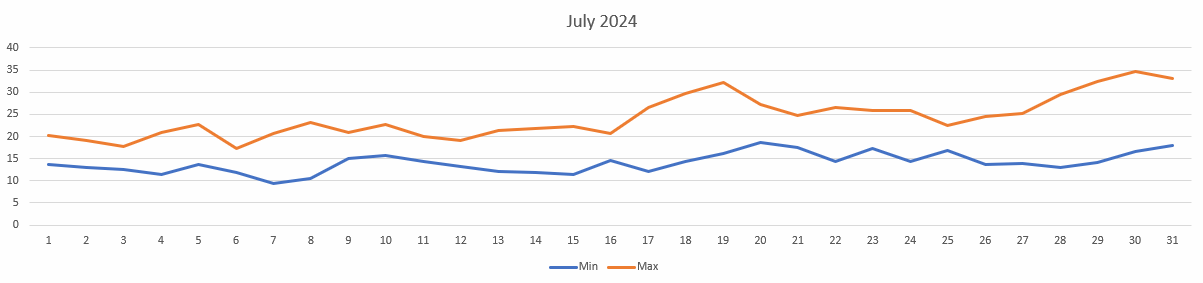 |
August |
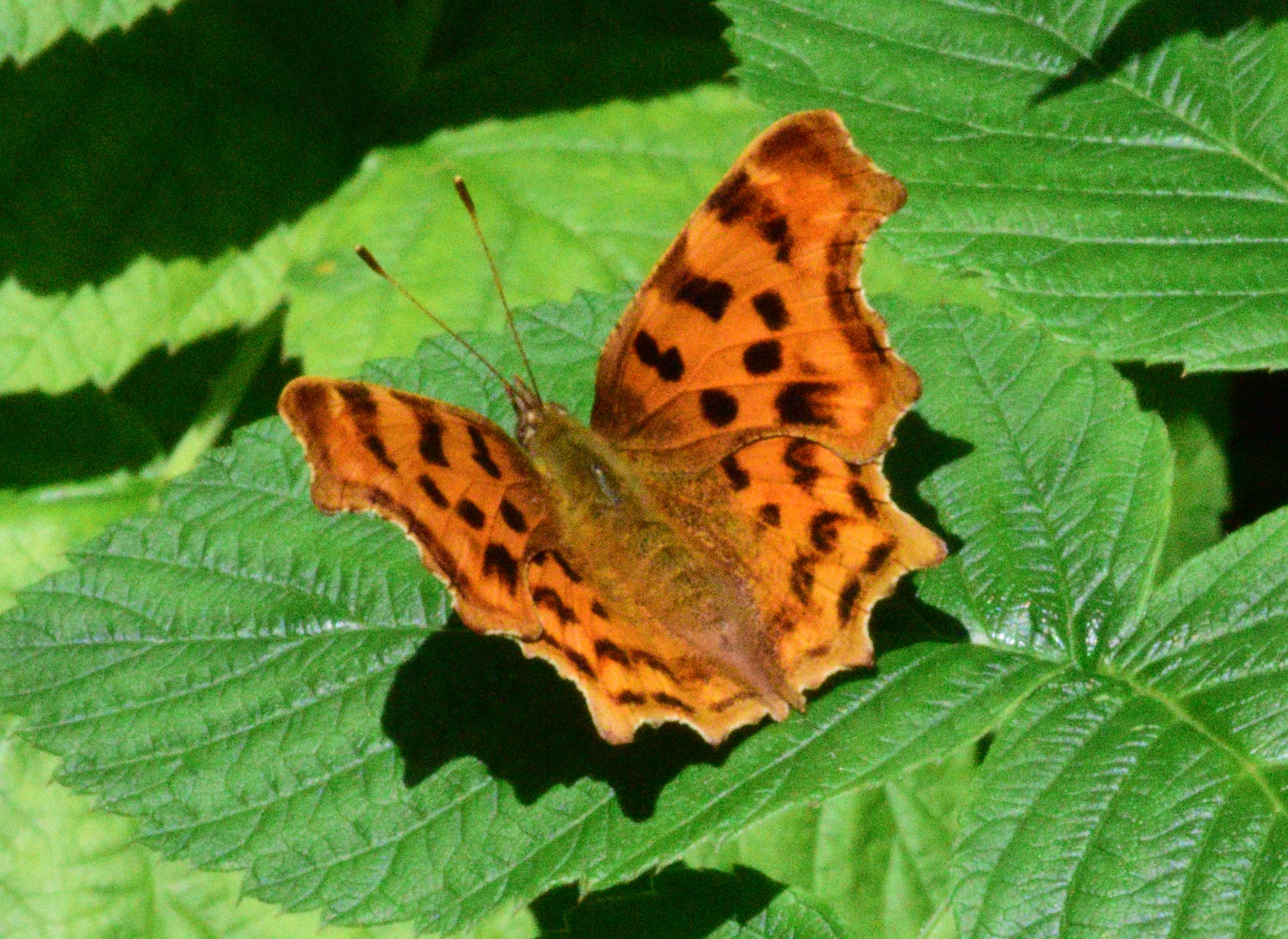
July 4: Polygonia c-album (Comma butterfly).
The comma has a curious history in Britain. Once common, its population declined in the early 20th century until by the 1920s it was only found on the Welsh borders. It has been suggested that this was due to reduced cultivation of hops, its natural favourite food-plant. Subsequently it appears to have become more acceptive of nettles, and has spread back into lowland areas throughout the British mainland. Other plants used for food include elm, willow, currants and gooseberries.
It's called a Comma because the under side of its wings (not shown) have a white comma on each side.
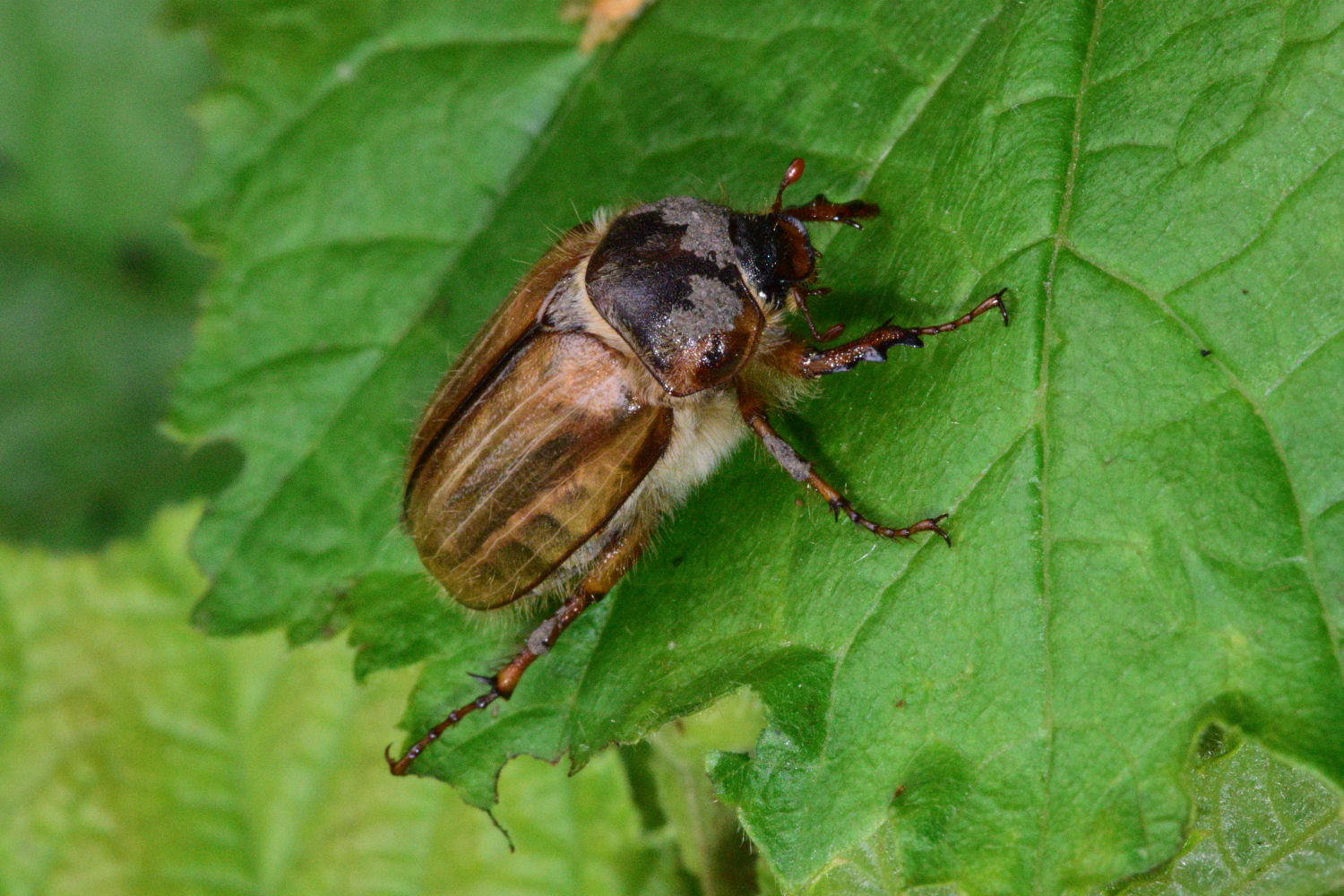
July 11: Amphimallon solstitiale (Summer Chafer).
A large beetle reaching 20mm long (its relative the May-bug or Cockchafer is even larger). The knobs on the antennae can open up into 3 chemical-sensitive blades. Larvae are subterranean, eating grass and other roots - they may occasionally cause damage to lawns. Fairly common south of a line from the Severn to the Humber. The grey patches are probably adhered mud.
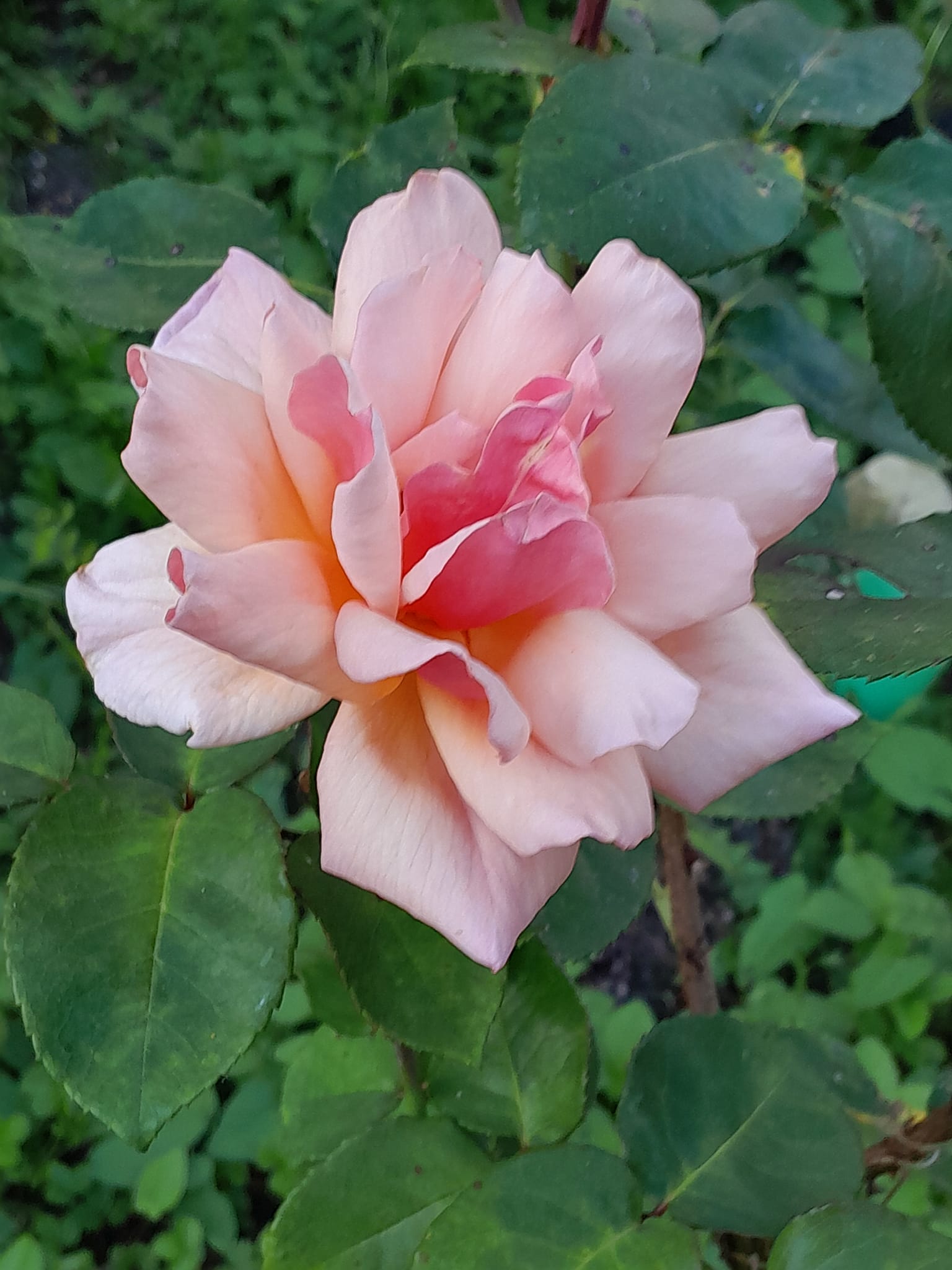
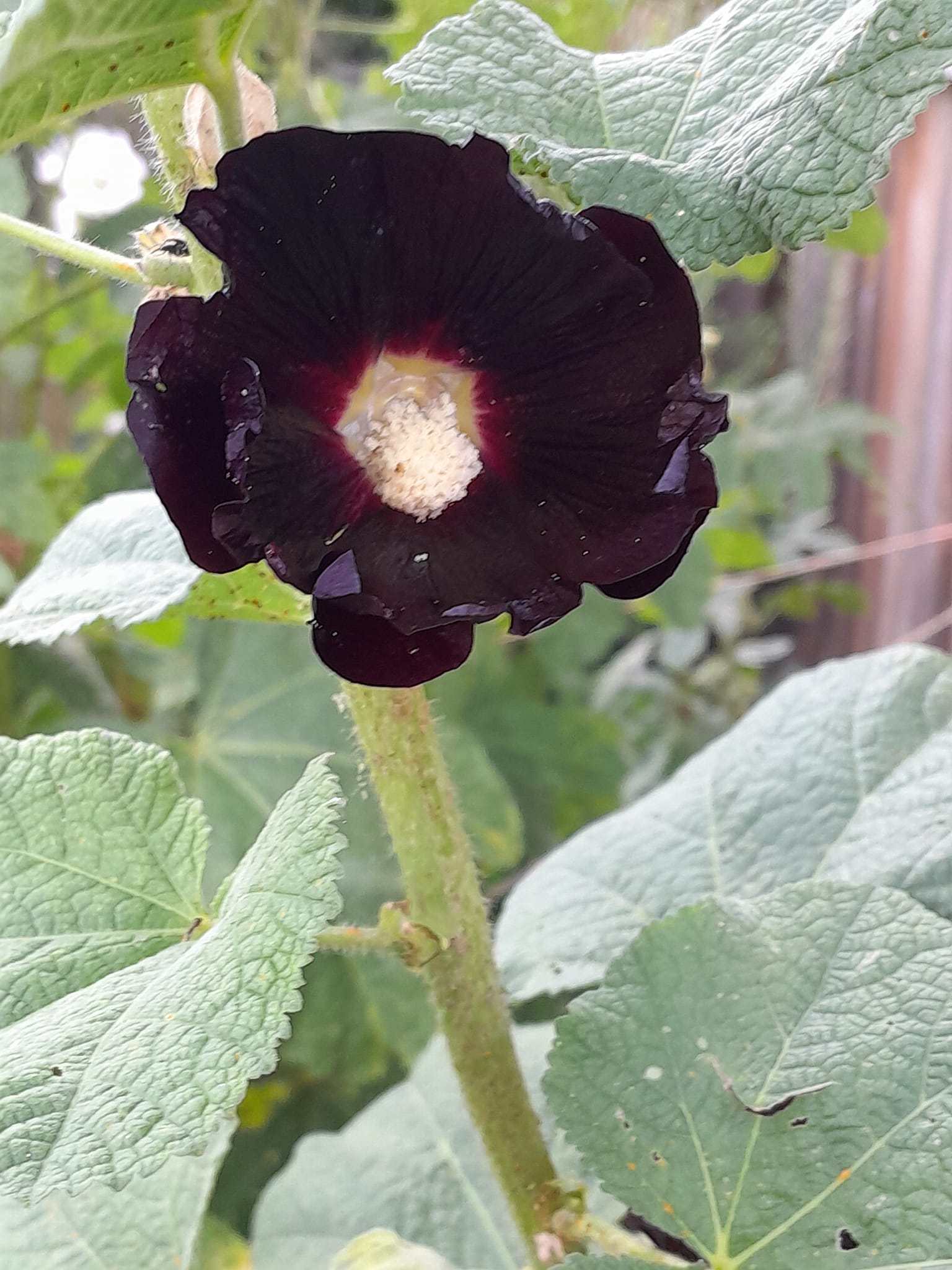
July 13: Hollyhocks:


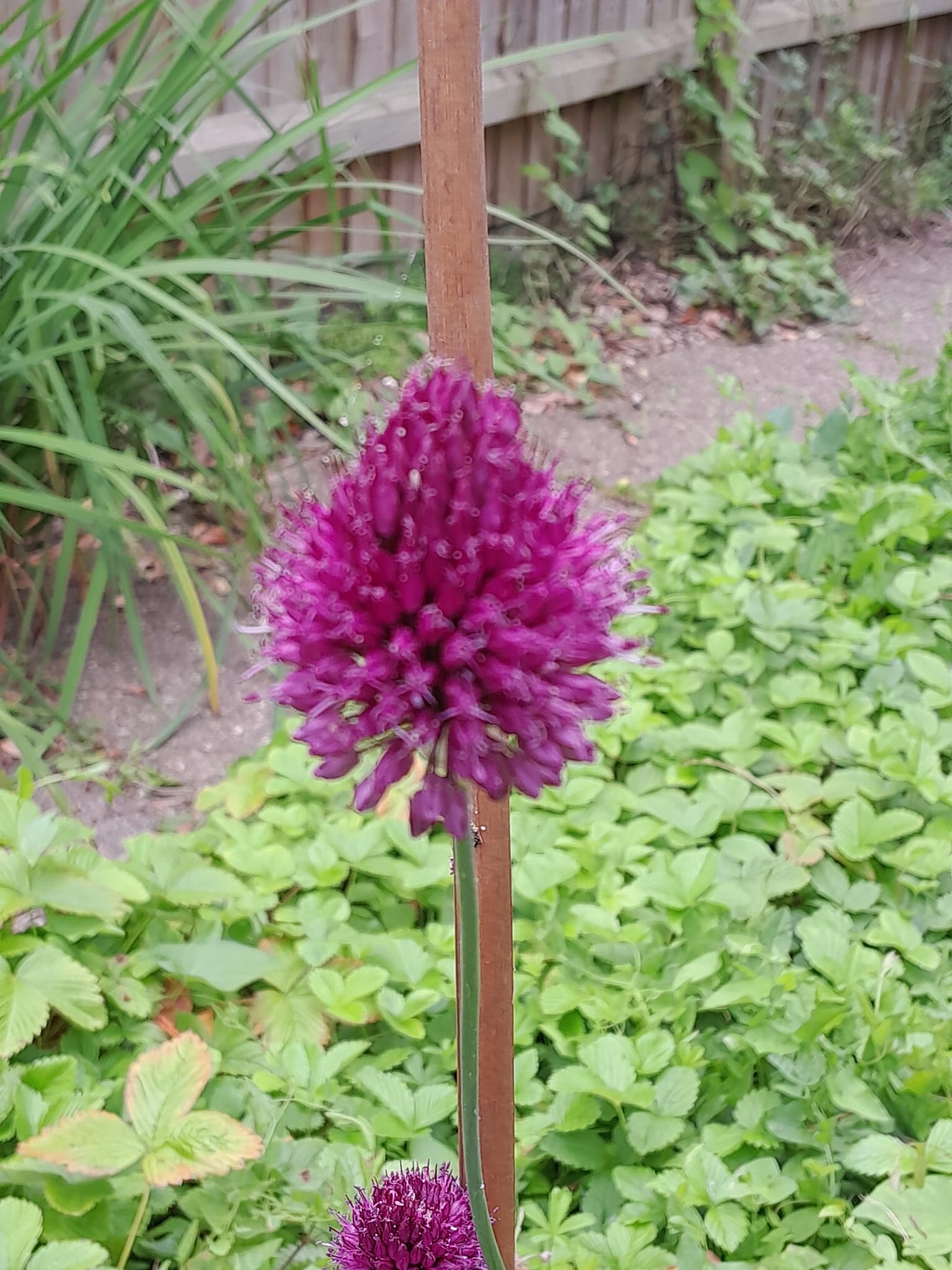
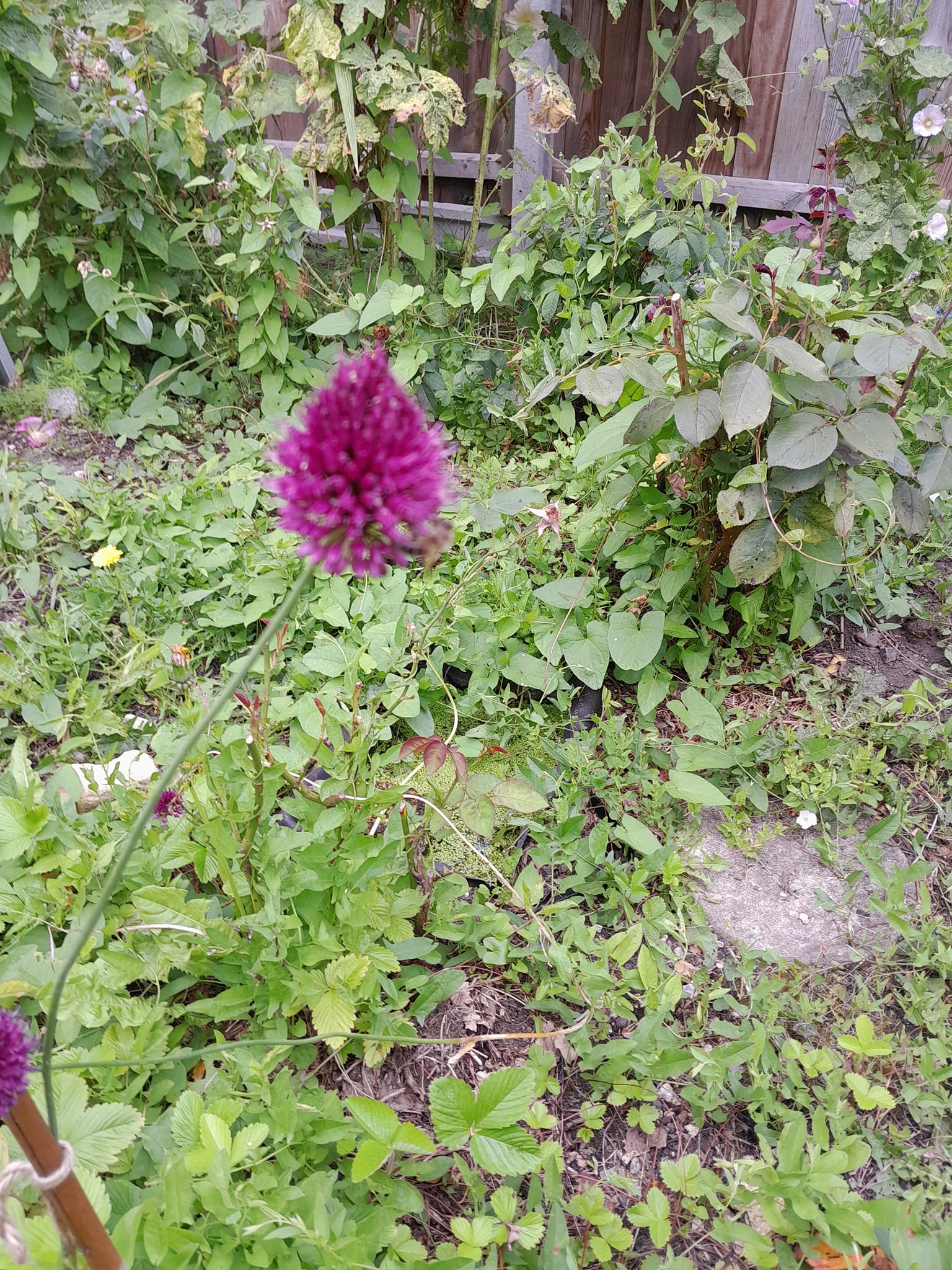
July 21: The last photo shows a bee on the allium:
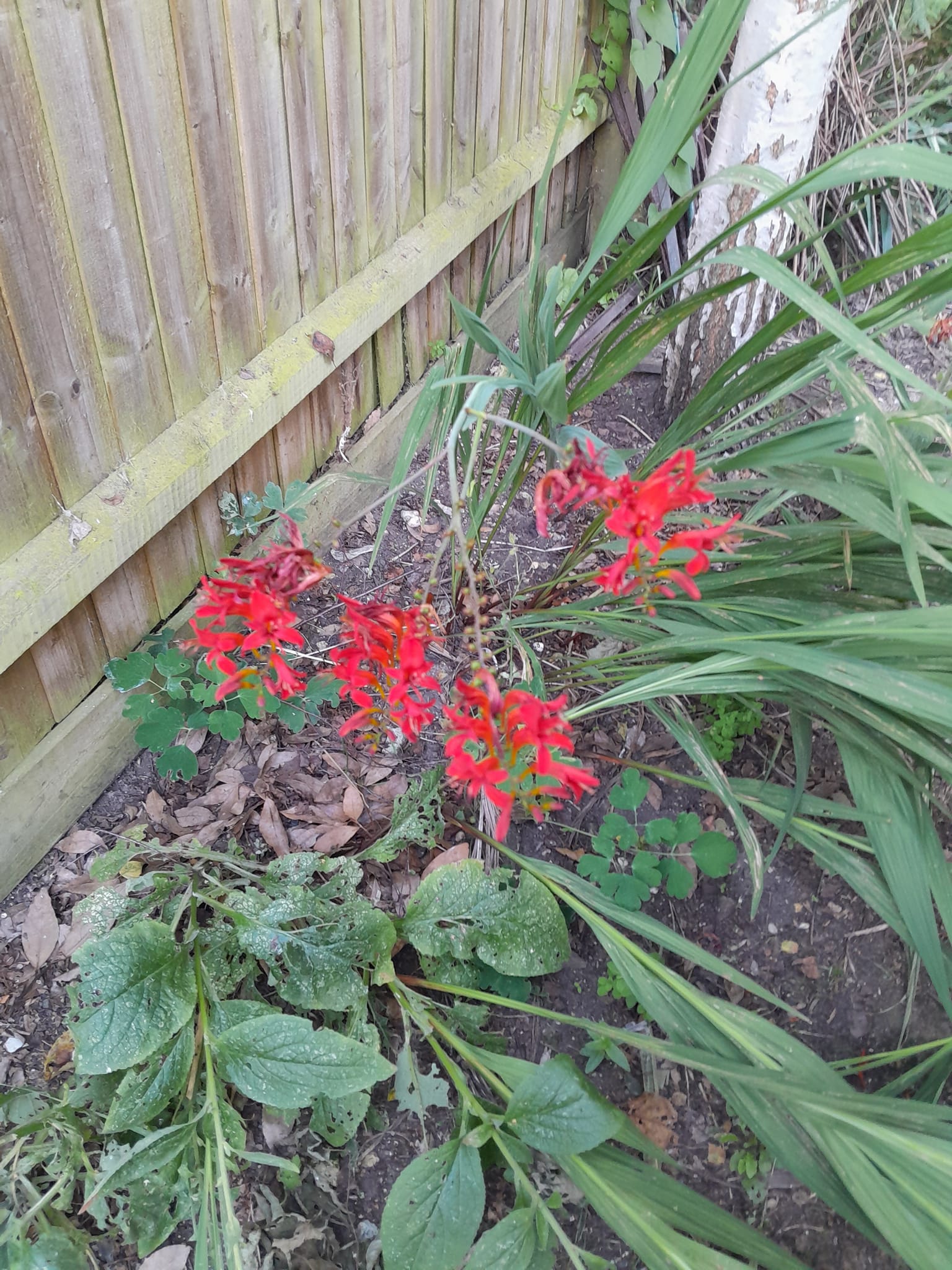
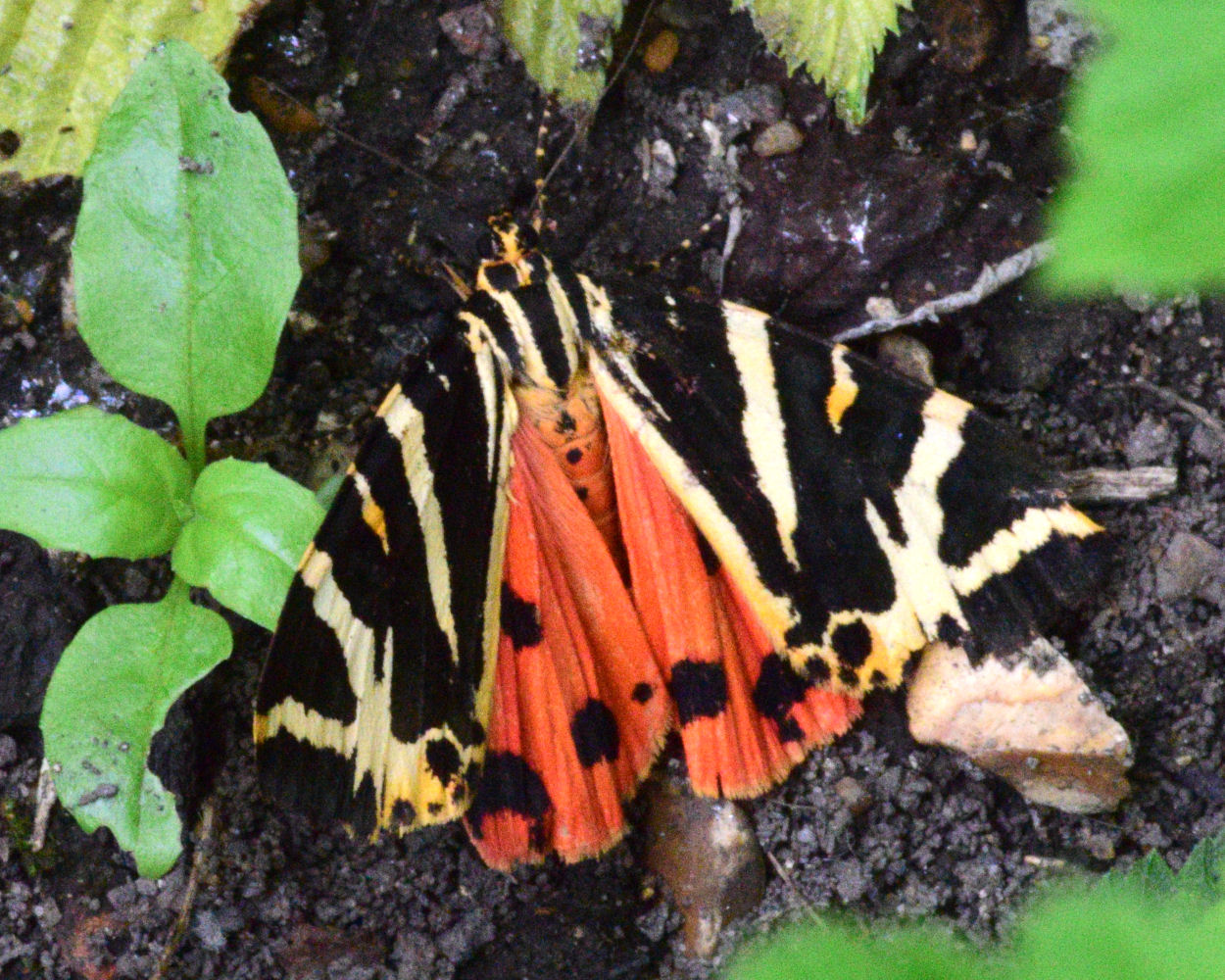
July 28: I was picking raspberries, and lifted a leaf, and here was this moth. Keith took a picture, and said "I saw one while conserving (helping out at local nature reserves)". I said, excitedly, "Is it rare? Or common?" And he said "Fairly common." Subsequent description by him:
Euplagia quadripunctaria (Jersey Tiger) - Several moths in the family Erebidae with prominent black and white markings are called "Tiger Moths" (though leopard or zebra would sometimes represent the pattern better). The Jersey Tiger, as it name suggests, was historically known from the Channel Islands and extreme SW England. It began to spread northwards sometime around 2000, and really arrived in Cambridgeshire in the last couple of years (see below). This remains more or less the northern limit of its spread. A wide range of food-plants are used, including nettles, dandelions, black- and rasp-berries, roses and honeysuckle.
Sightings in Cambridgeshire (iRecord):
2018 2
2019 3
2020 7
2021 3
2022 28
2023 91
(This WASN'T the Tiger Moth I saw while conserving, that was a Scarlet Tiger)
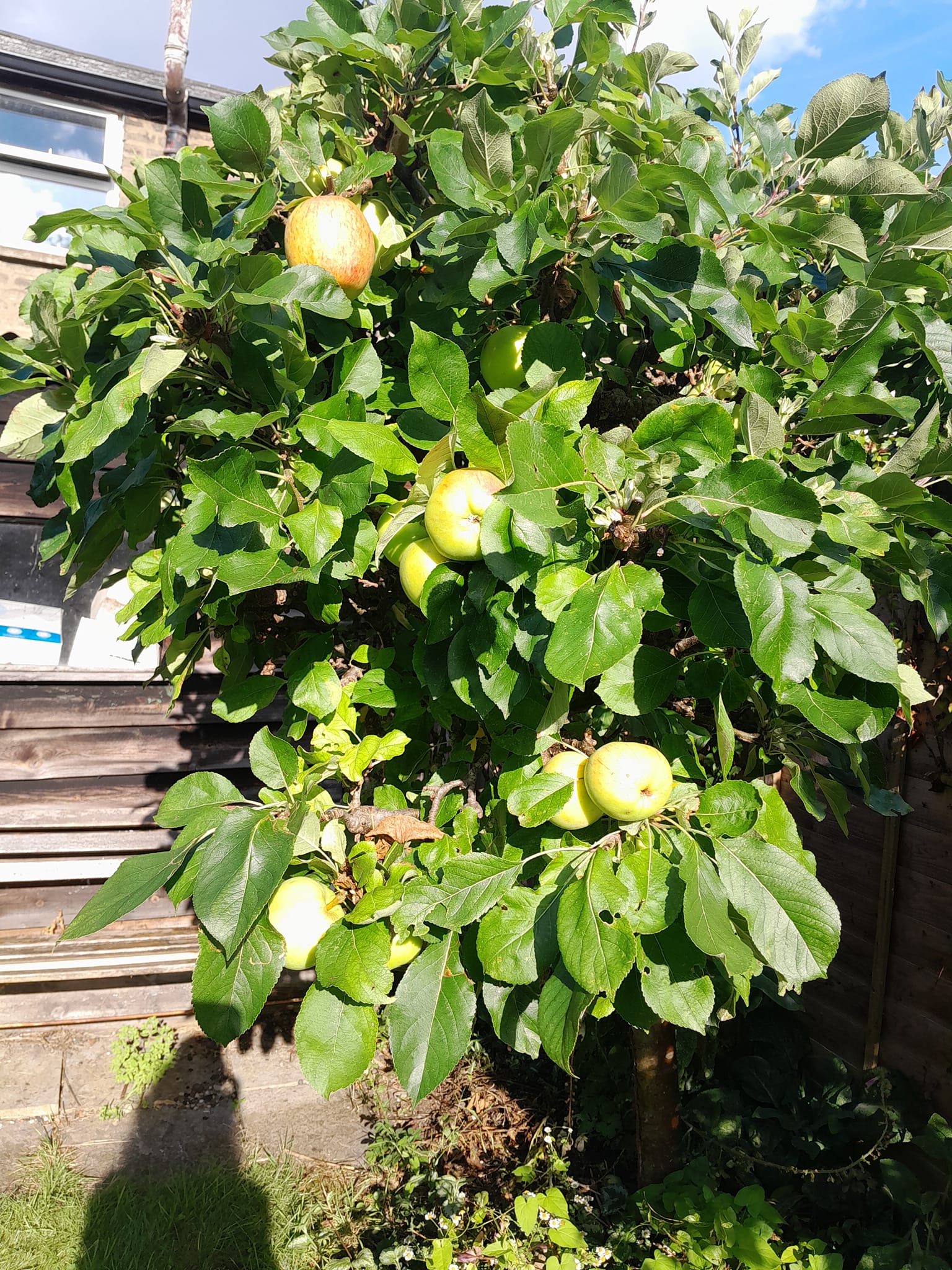
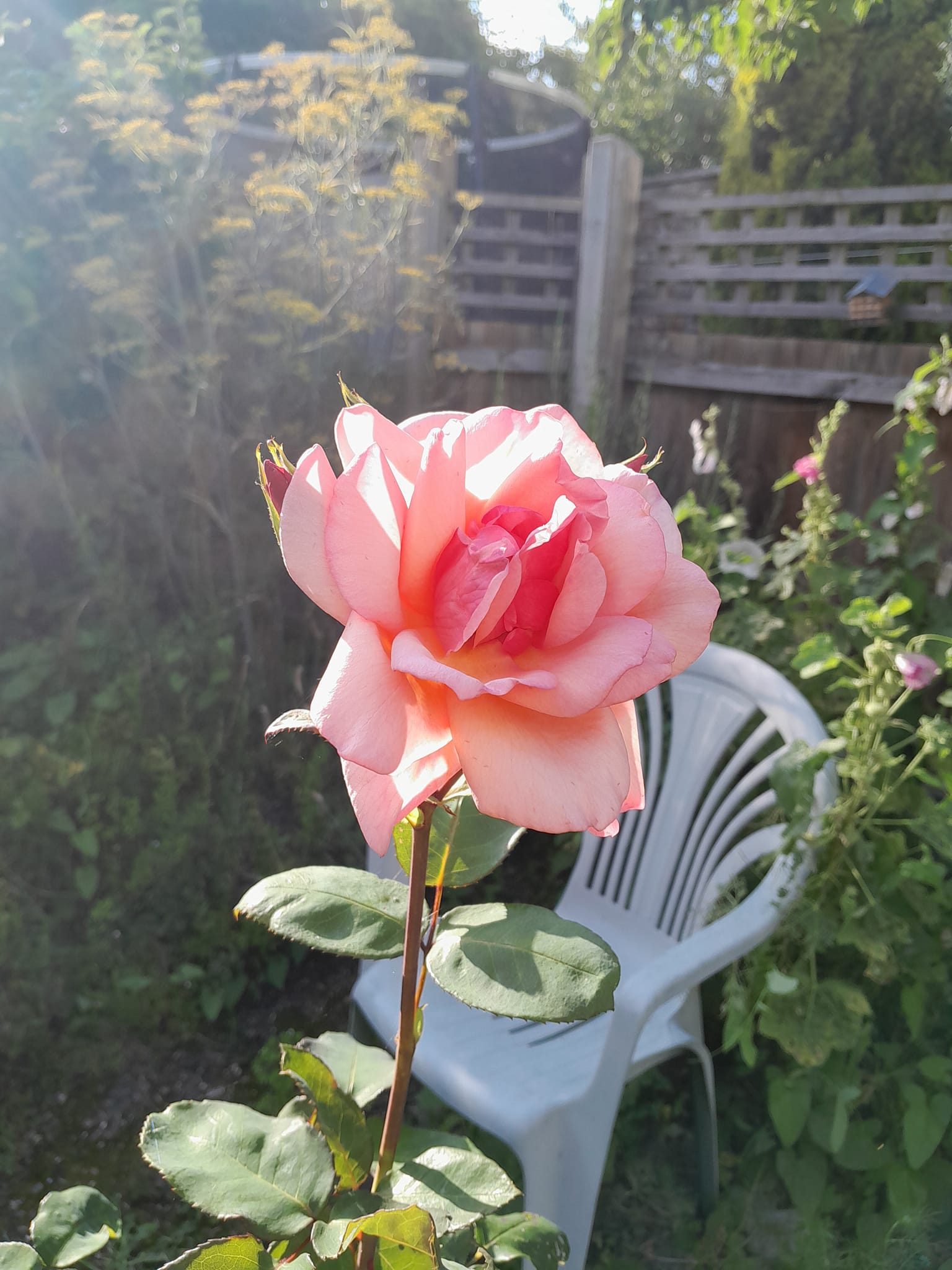
Meanwhile in the rest of the garden:
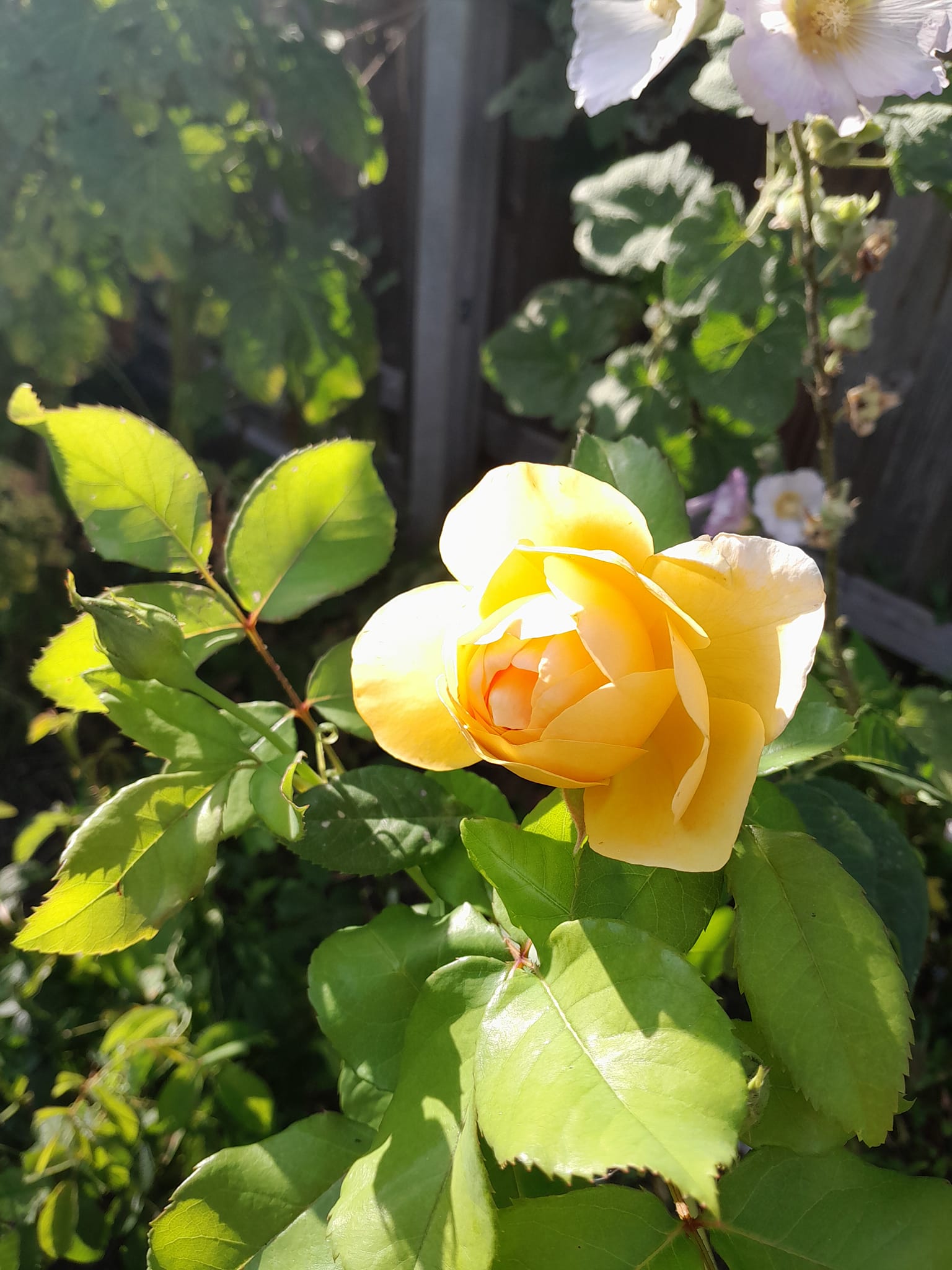
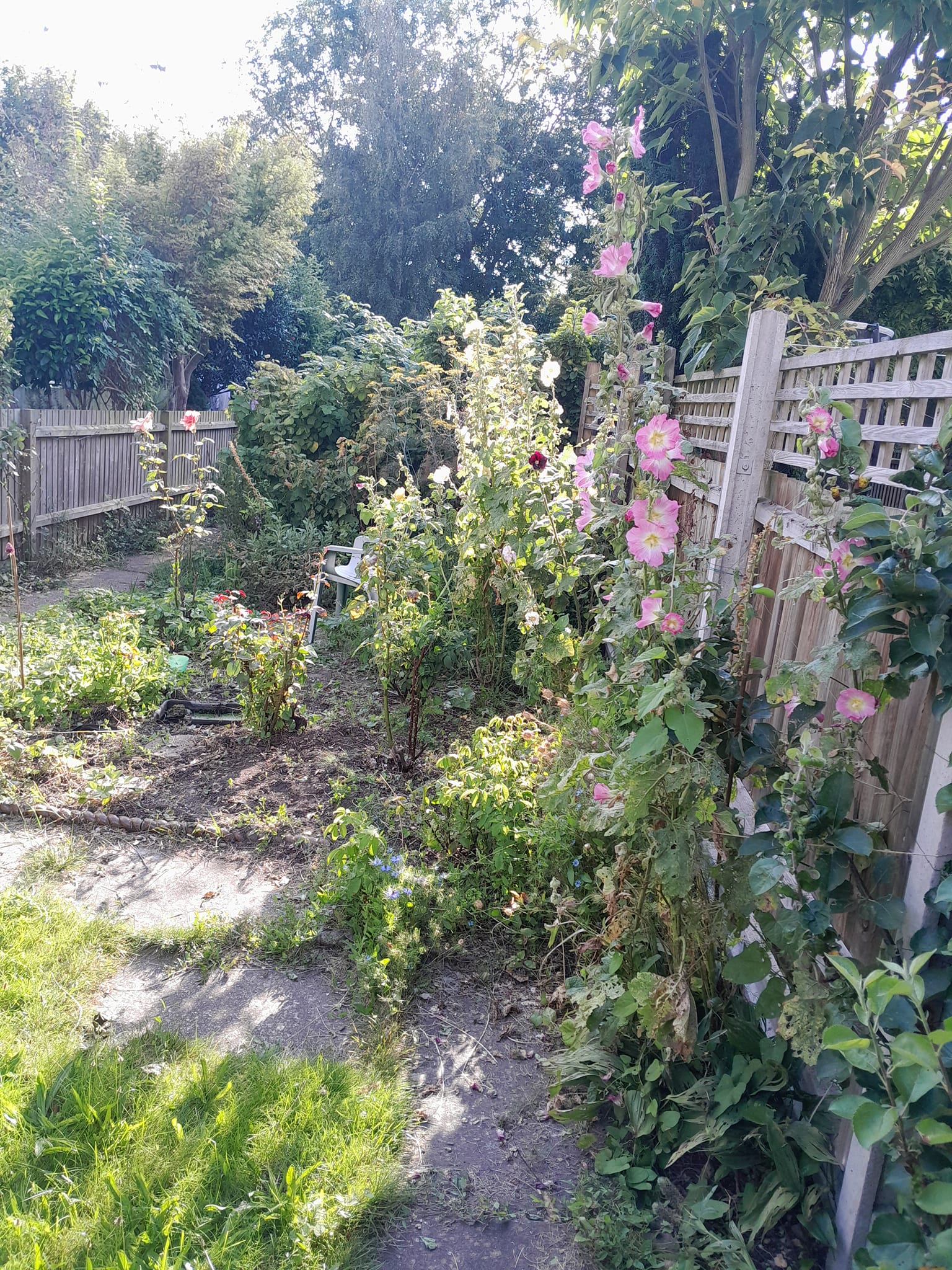
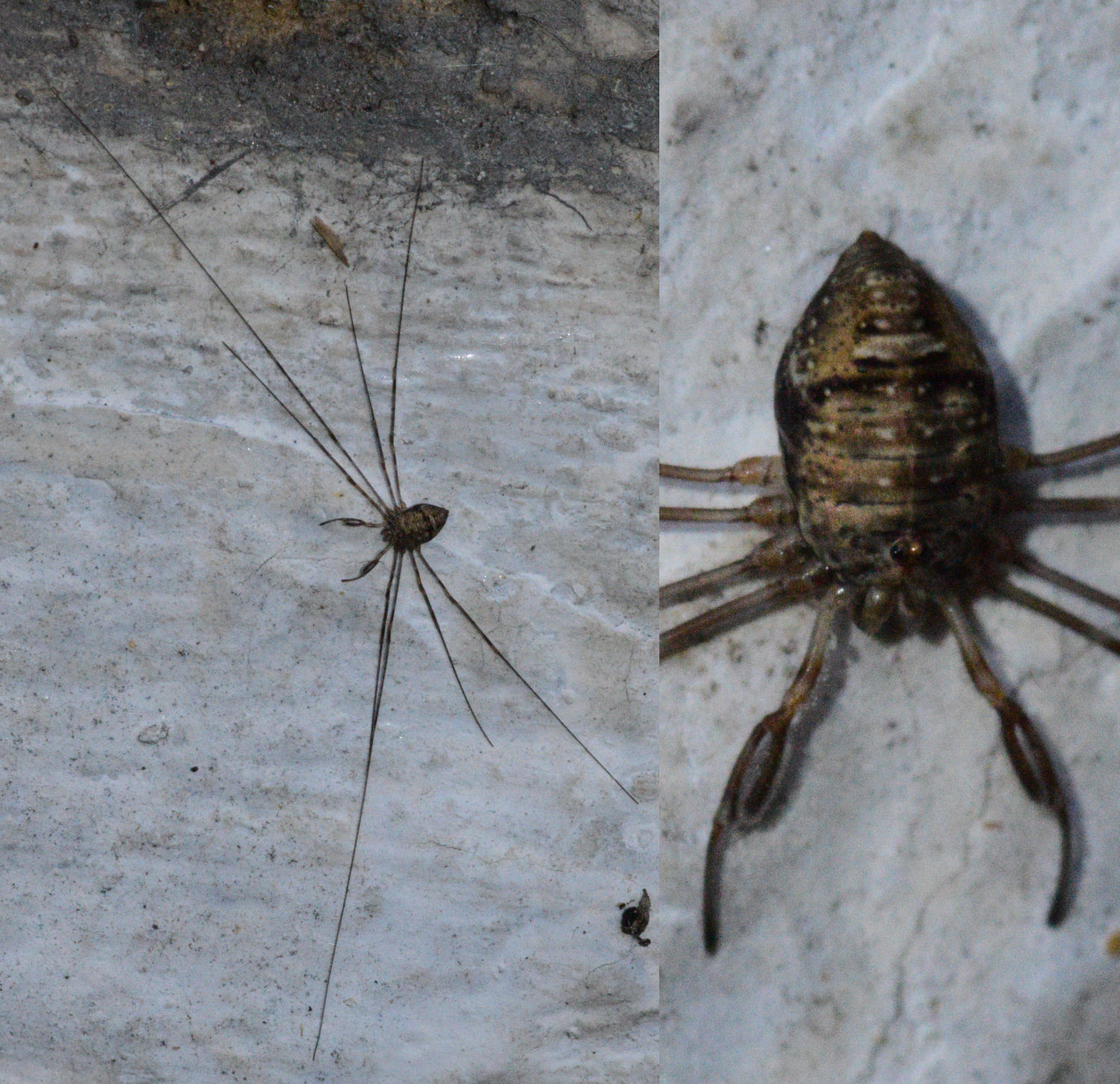
July 31: Dicranopalpus ramosus (probably) - (Fork-palped harvestman) - Notable for its exceptionally long legs, typically spread in the resting posture seen here. Sometimes it finds a leaf of the right size and shape to just fit on! Also notable are the forked palps in front of the body. Harvestmen have a one-part body and only 2 eyes, on top - one eye has caught the flash in the enlargement. This species originated in North Africa, was first found in Britain in 1970 and is now widespread here and in mainland Europe. What it eats isn't clearly stated: probably a mixture of small invertebrates, fungus and detritus. I have no idea how it moves - I heve never seen it do so. There is a very similar species in Europe called D. caudatus - it is not clear whether this is established in Britain.
| July |  |
September |
Aug 1: The fuschia are next door! Potatoes, sweet corn, toamtoes doing OK (so far) but no other veg! At all! (SLUGS!)
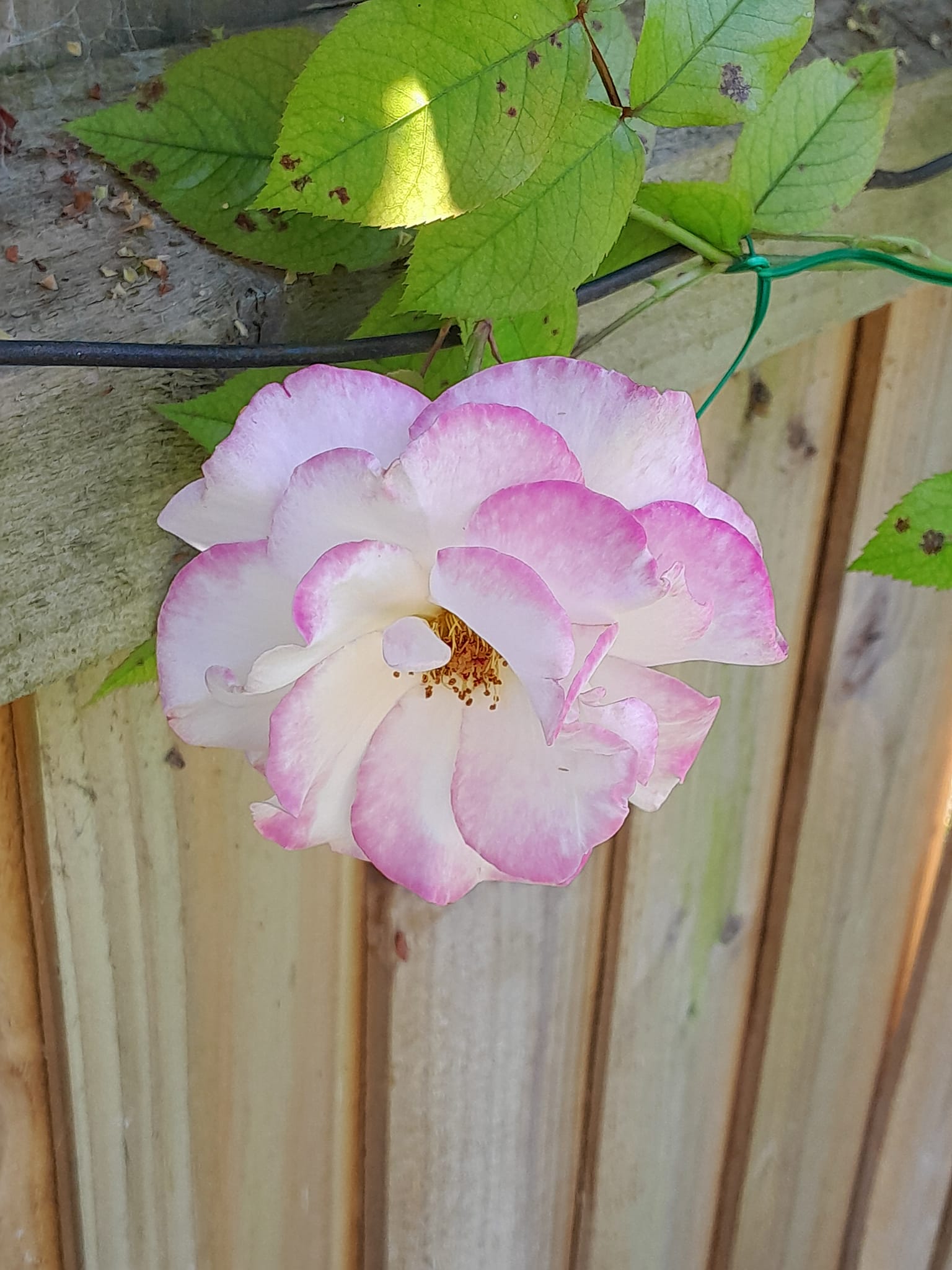
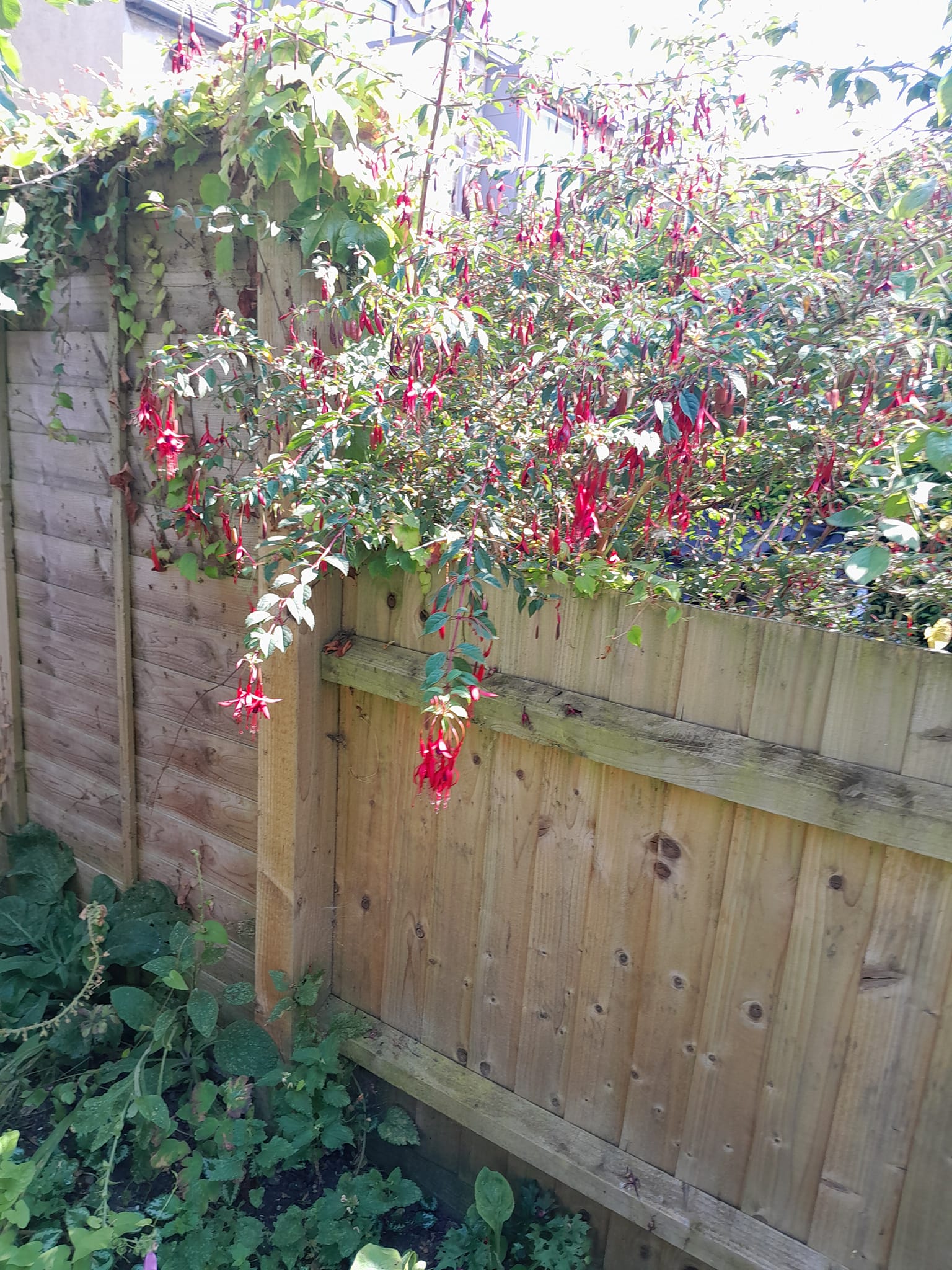
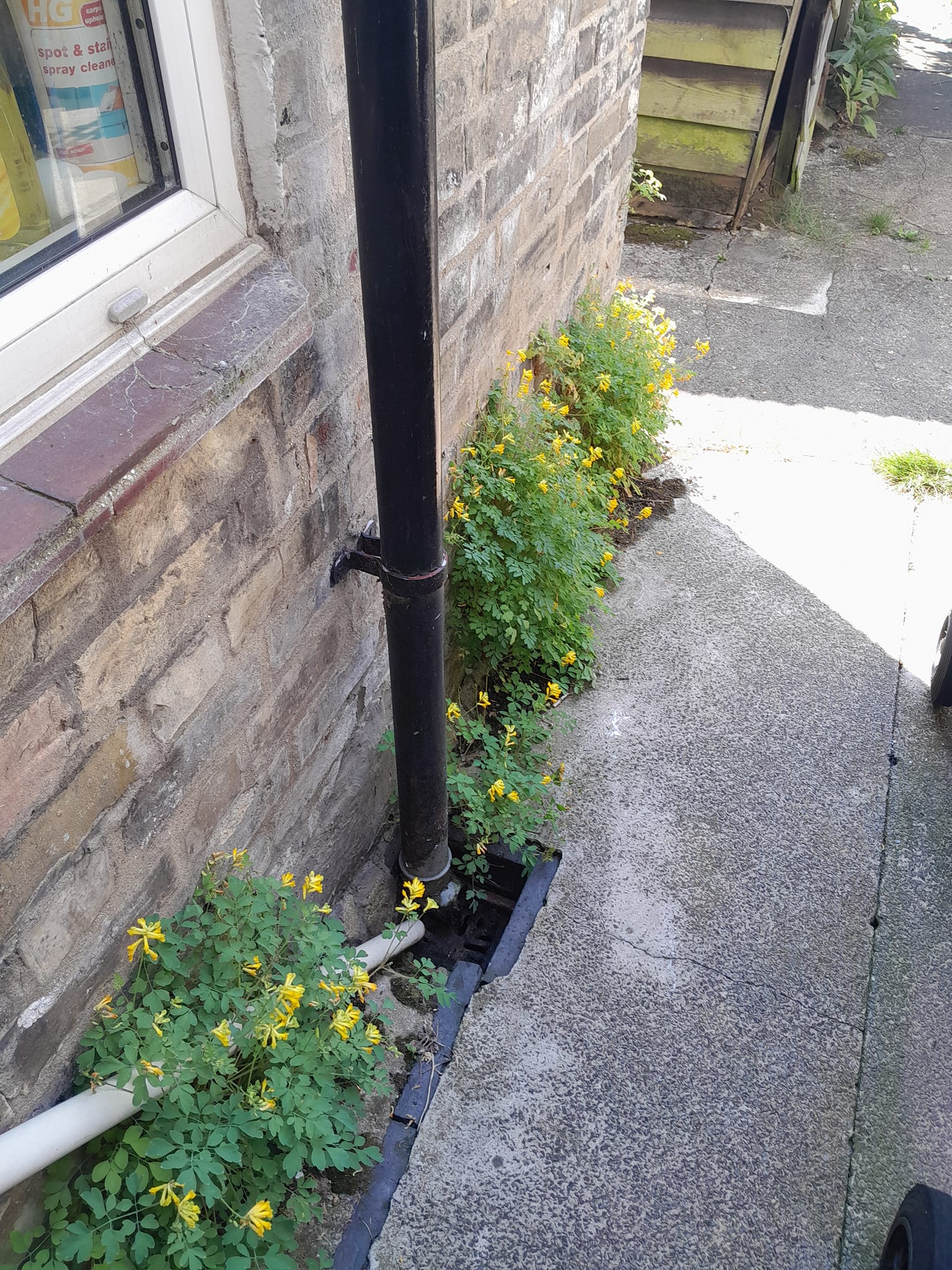
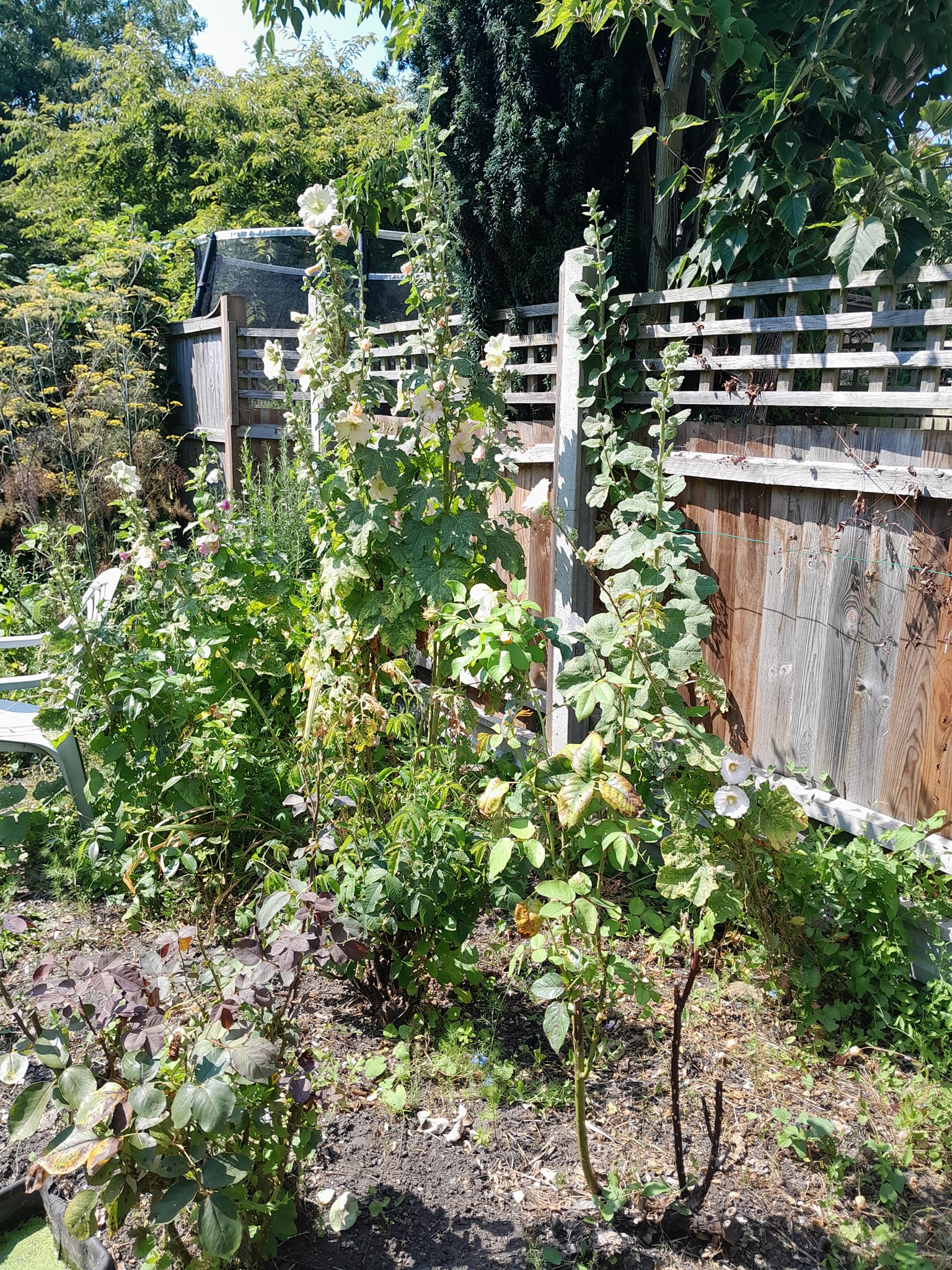
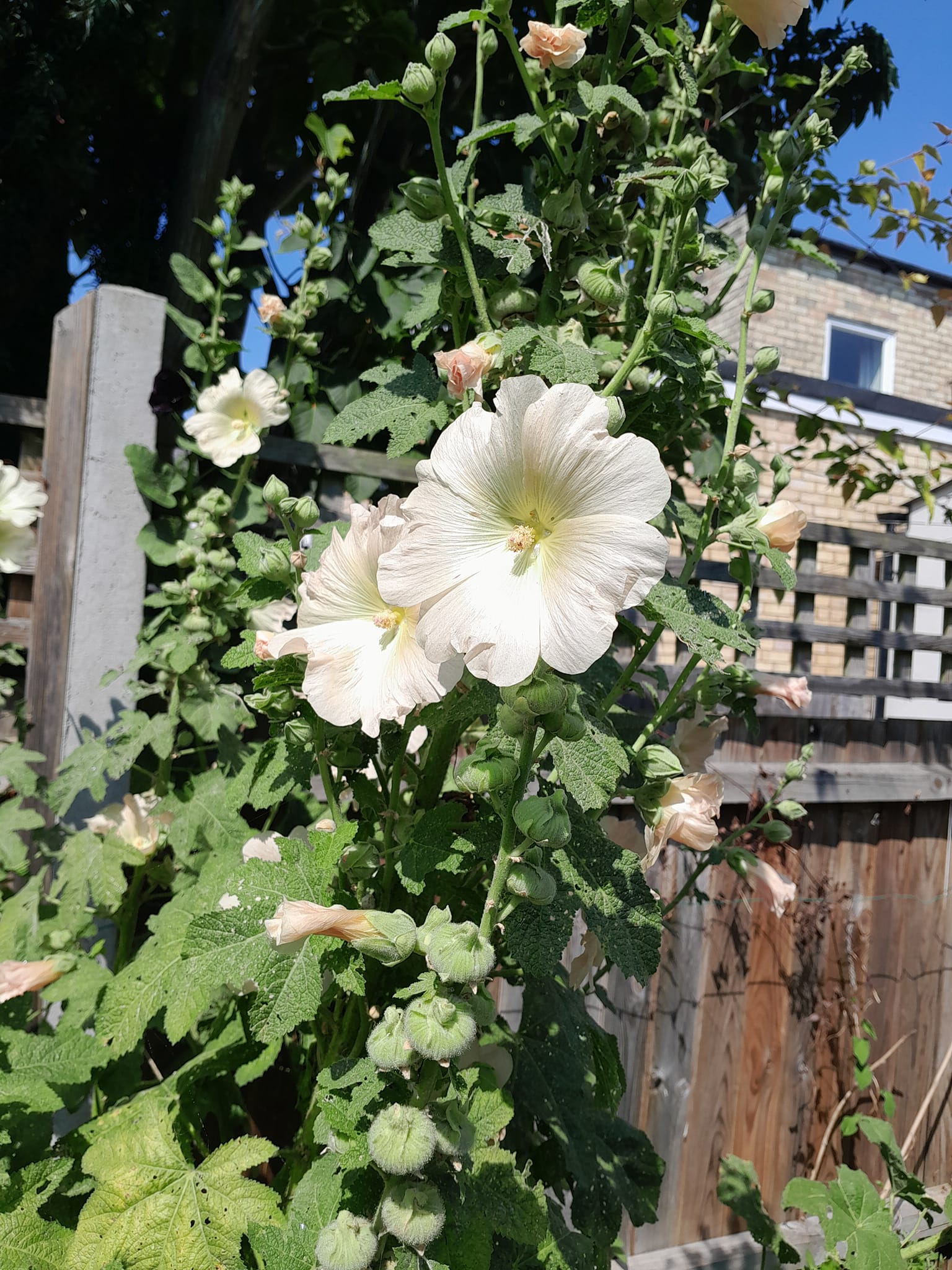
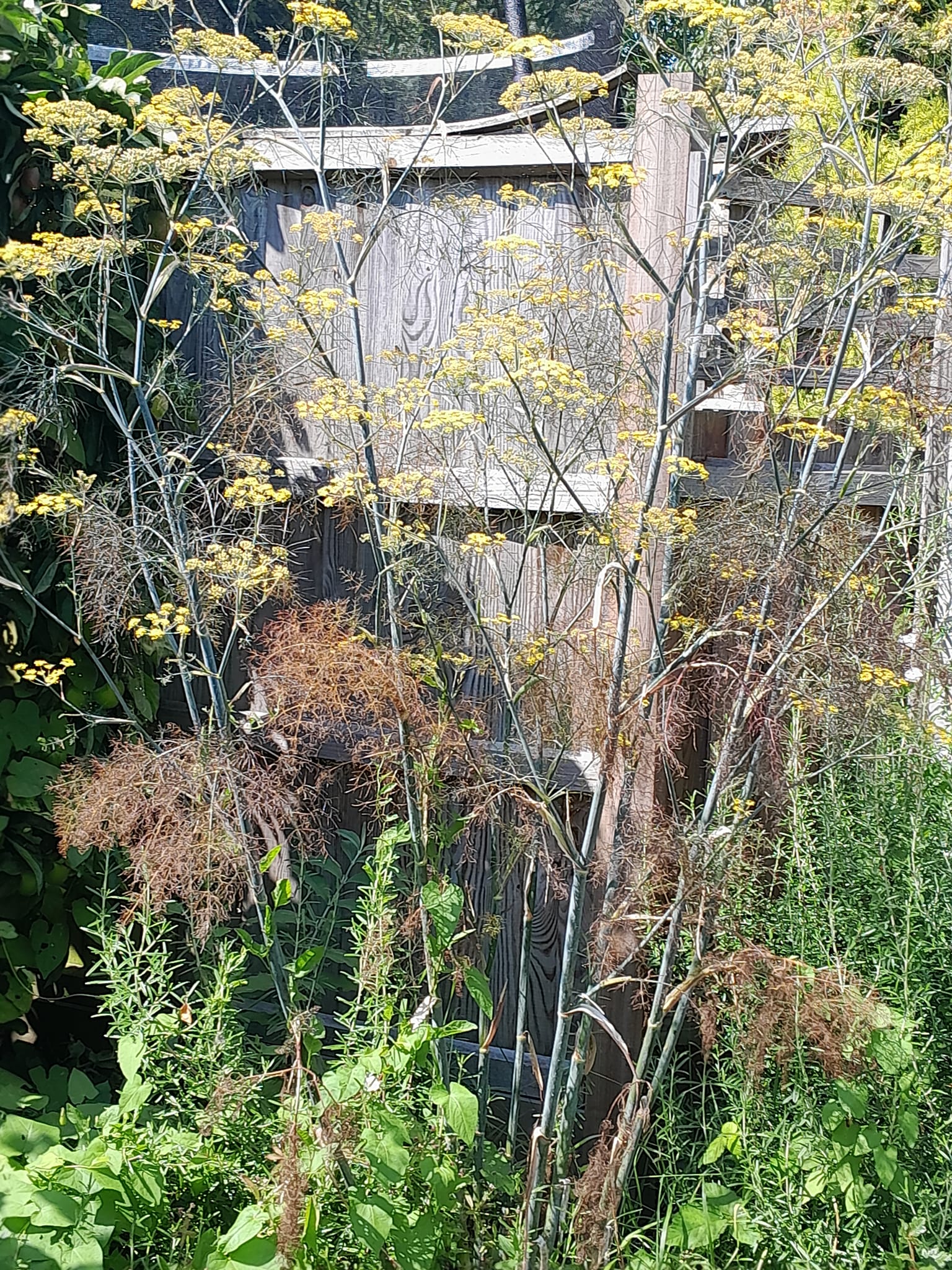
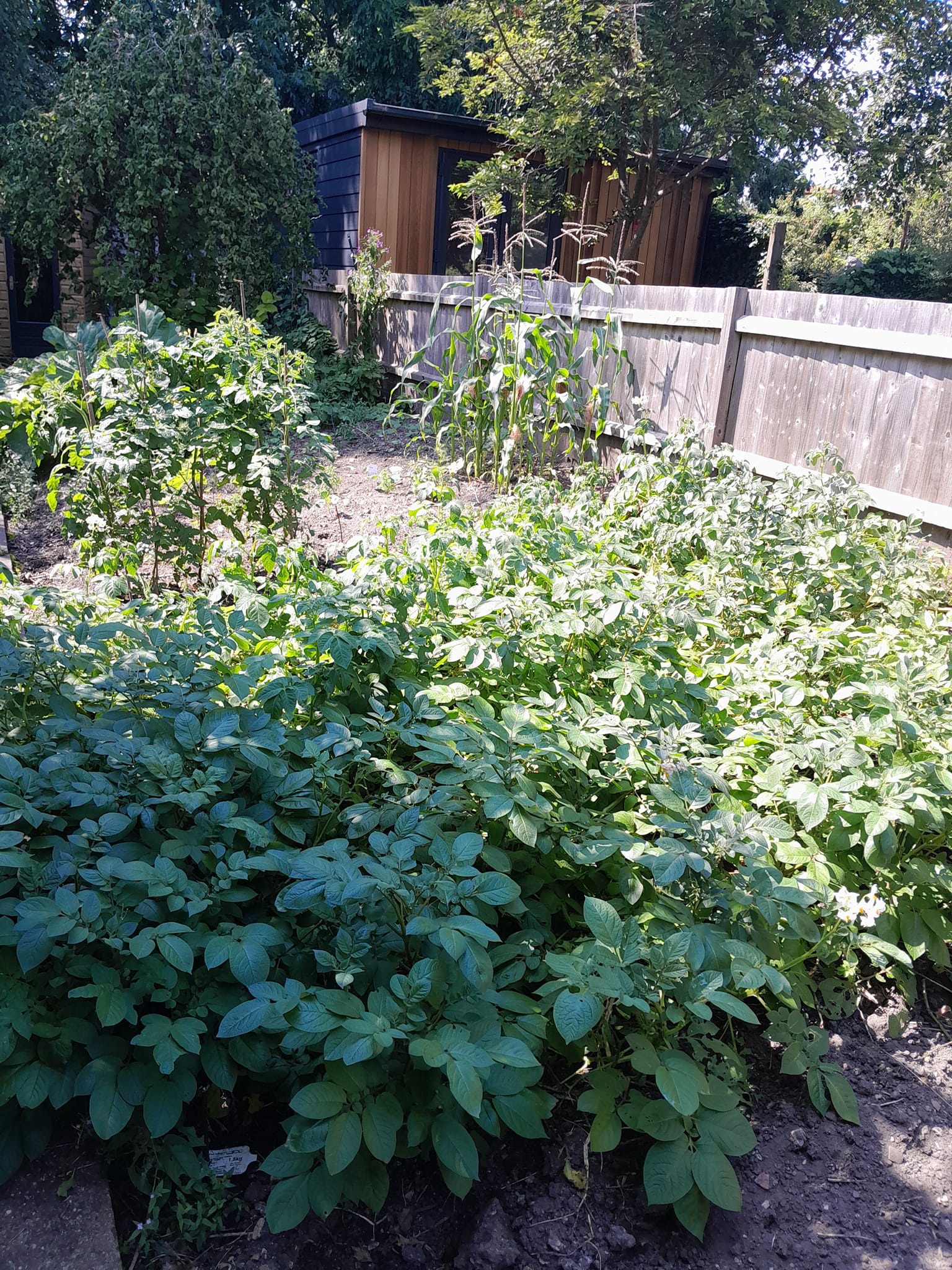
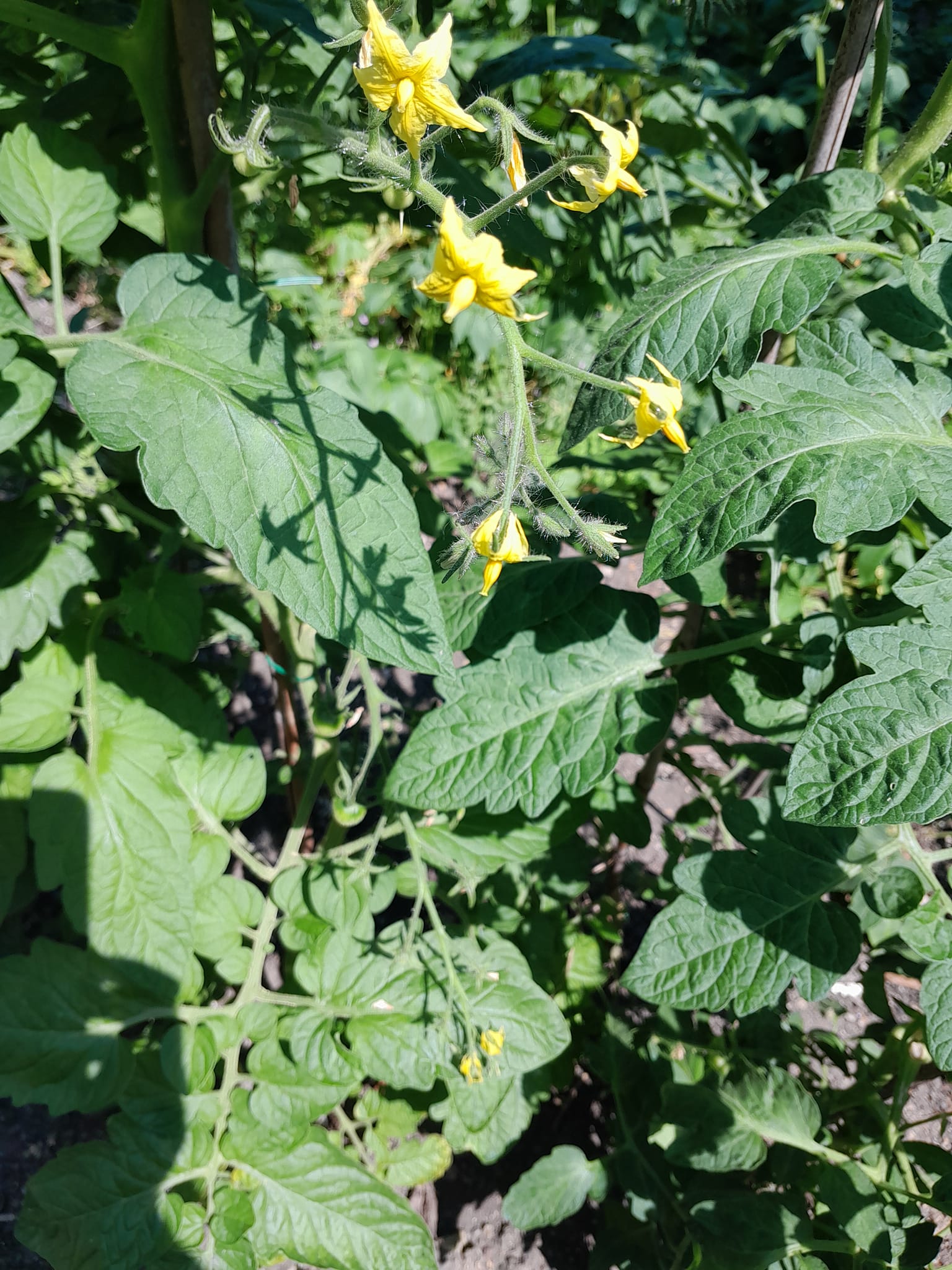
Aug 18:
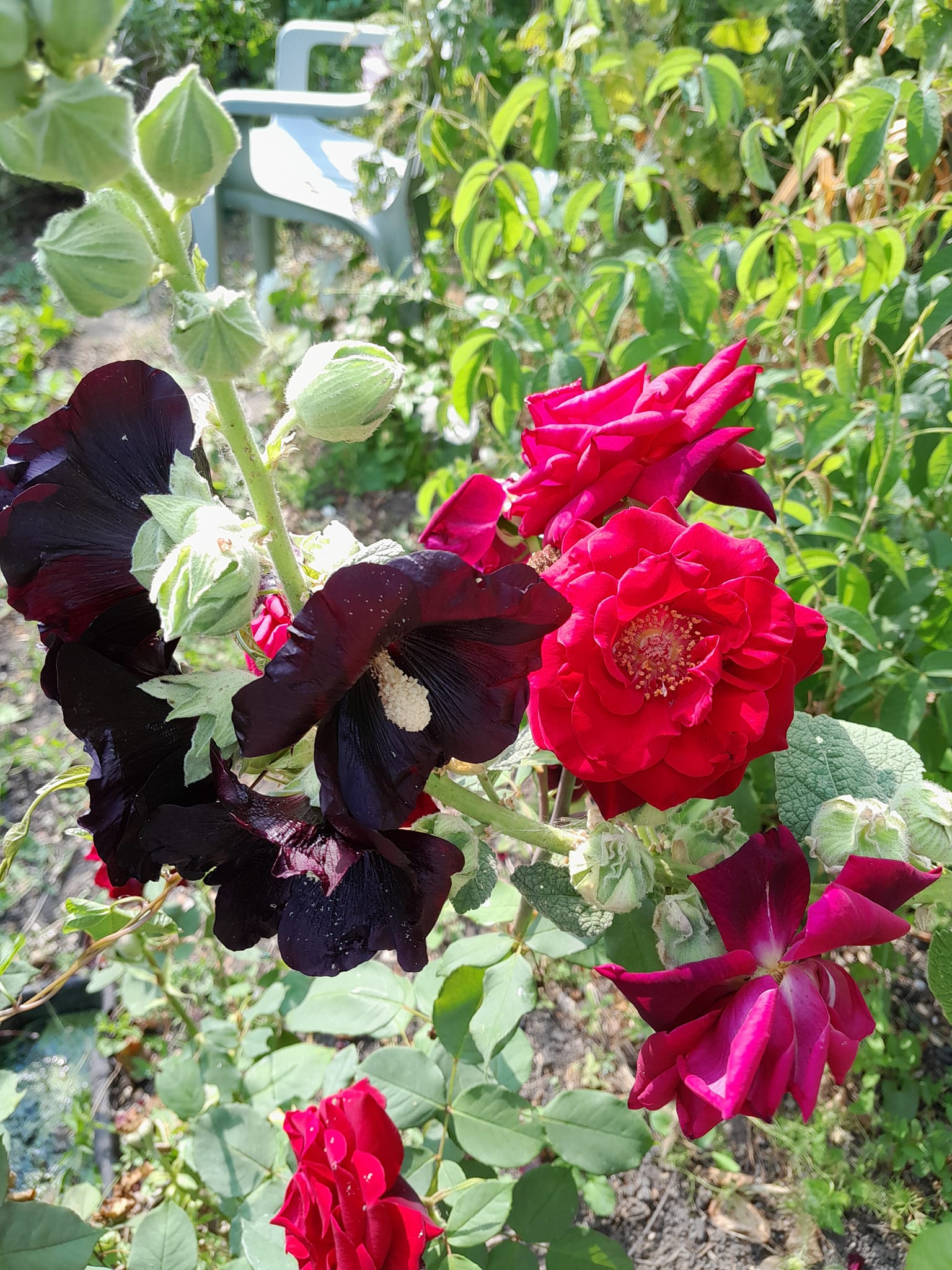
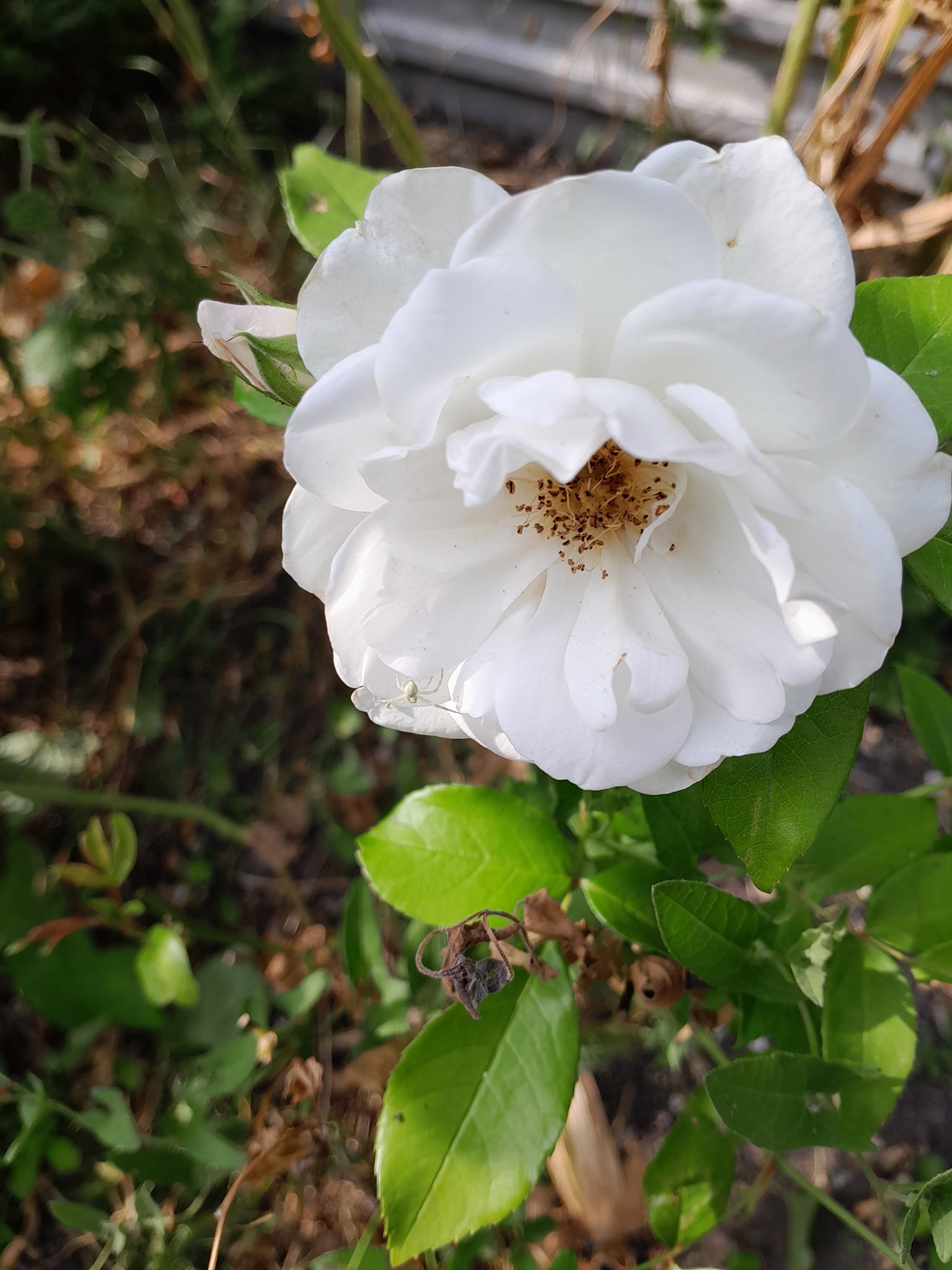
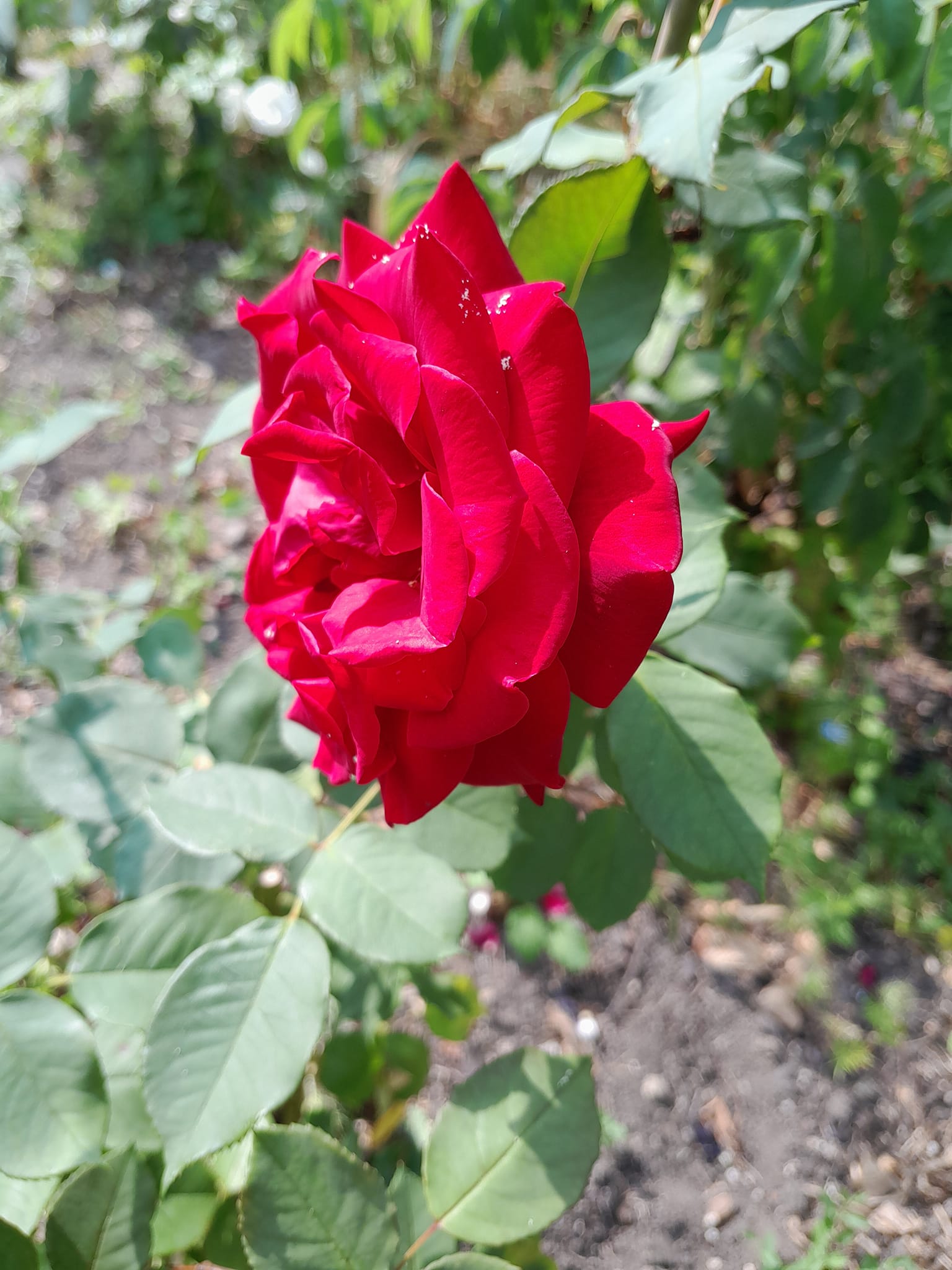
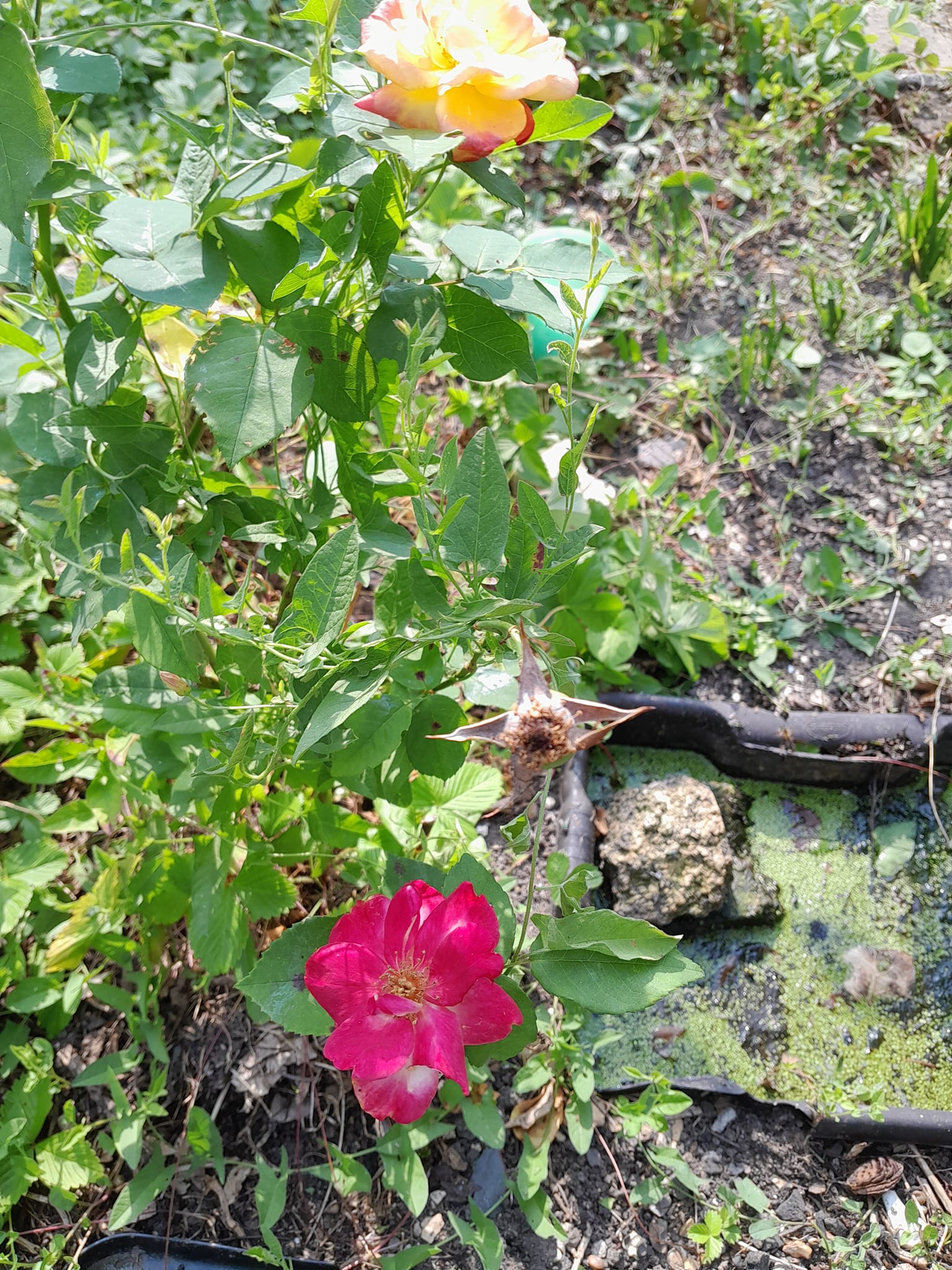
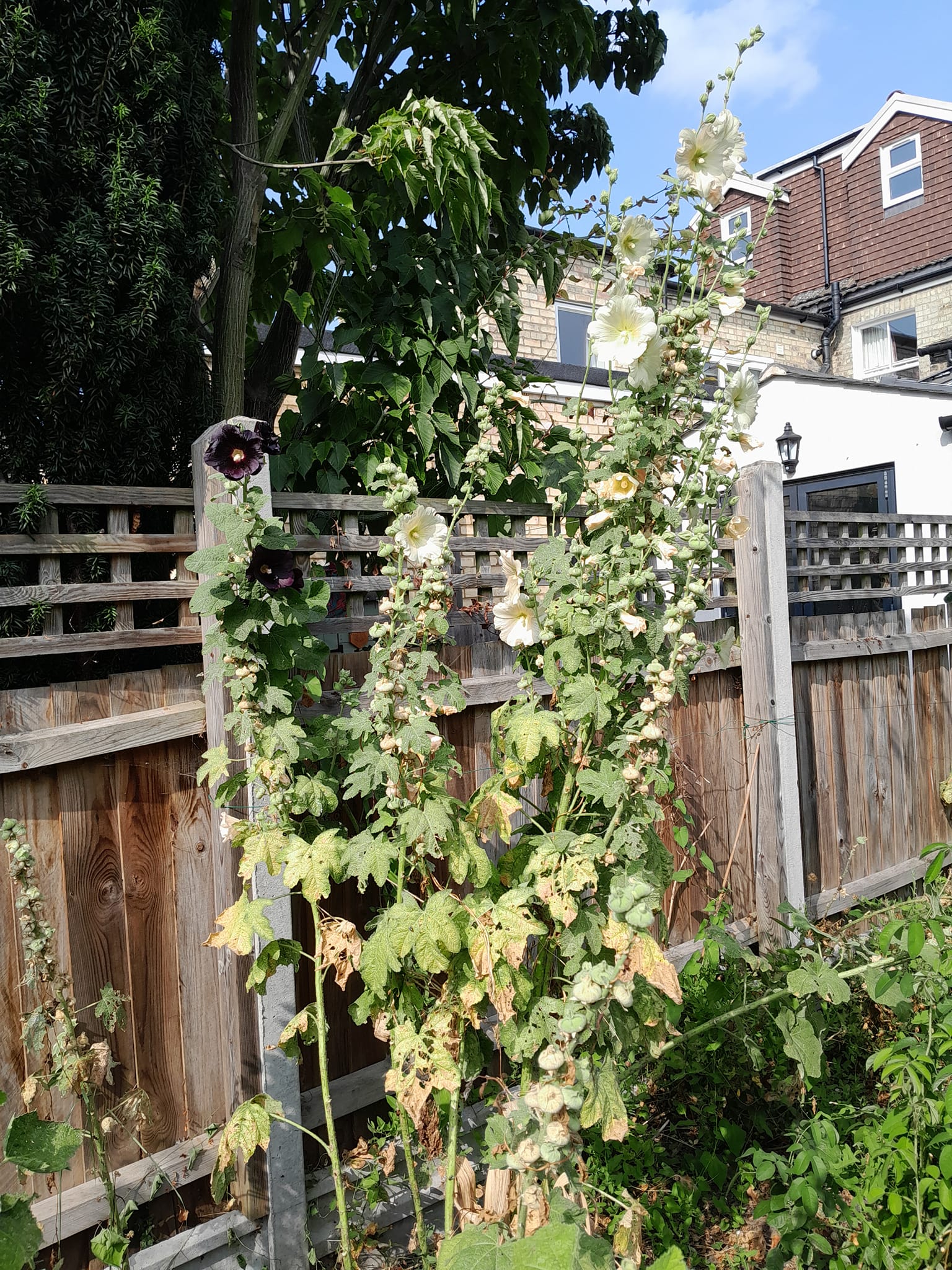
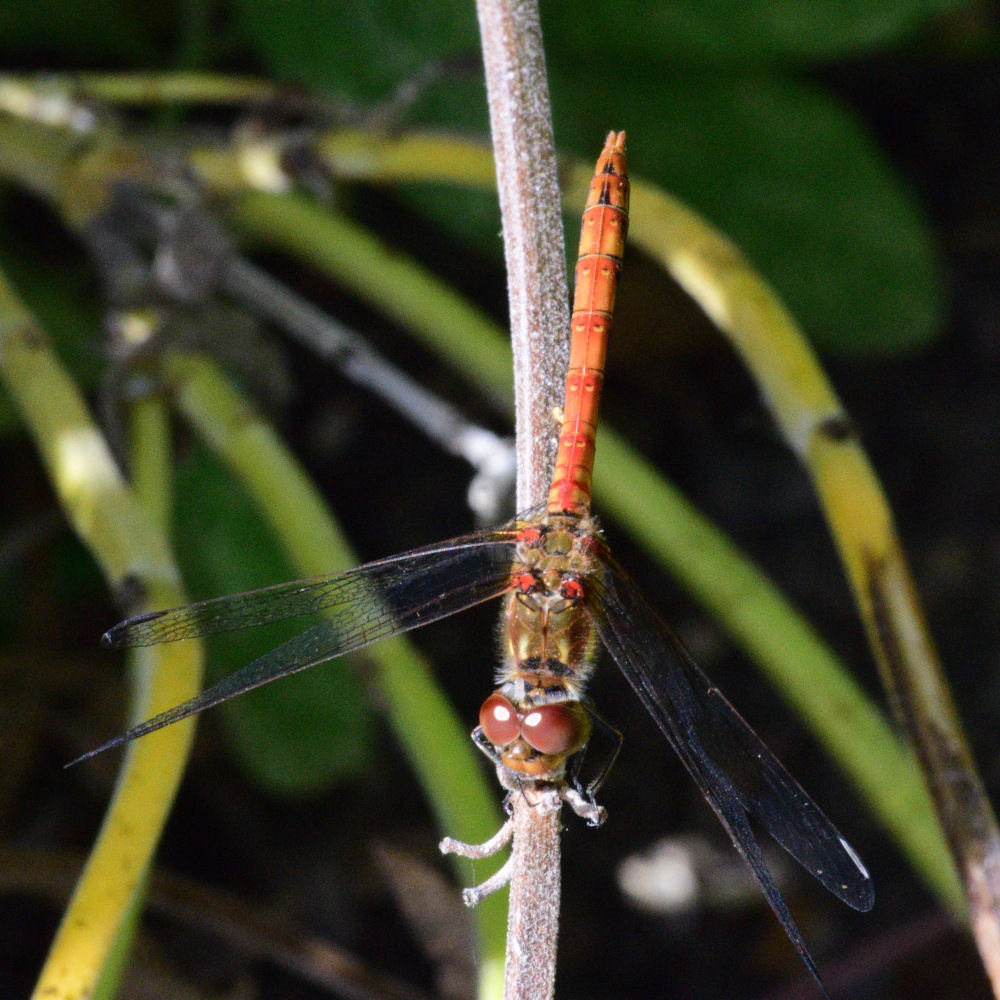
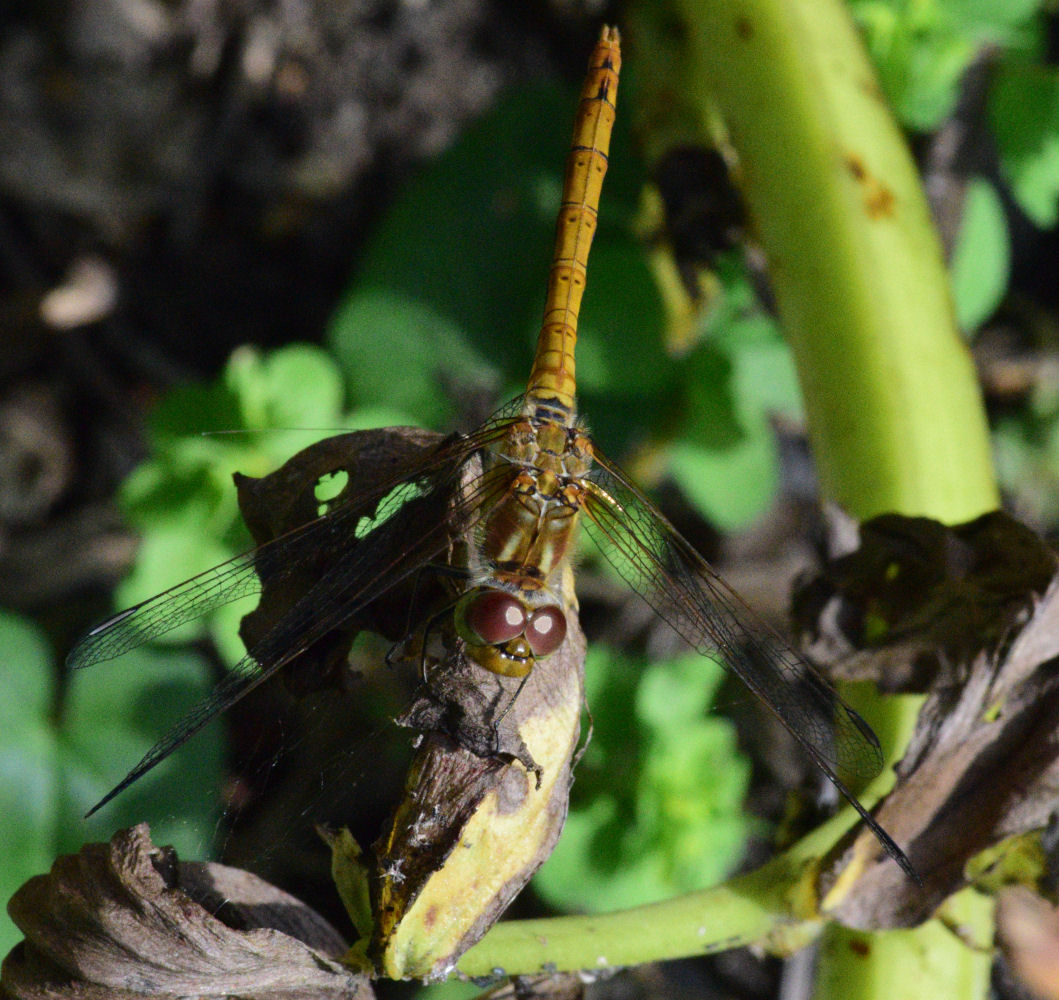
Aug 21: Male Common Darter (Sympetrum striolatum) on left to illustrate the difference in colour to the female (right - from July 2023)
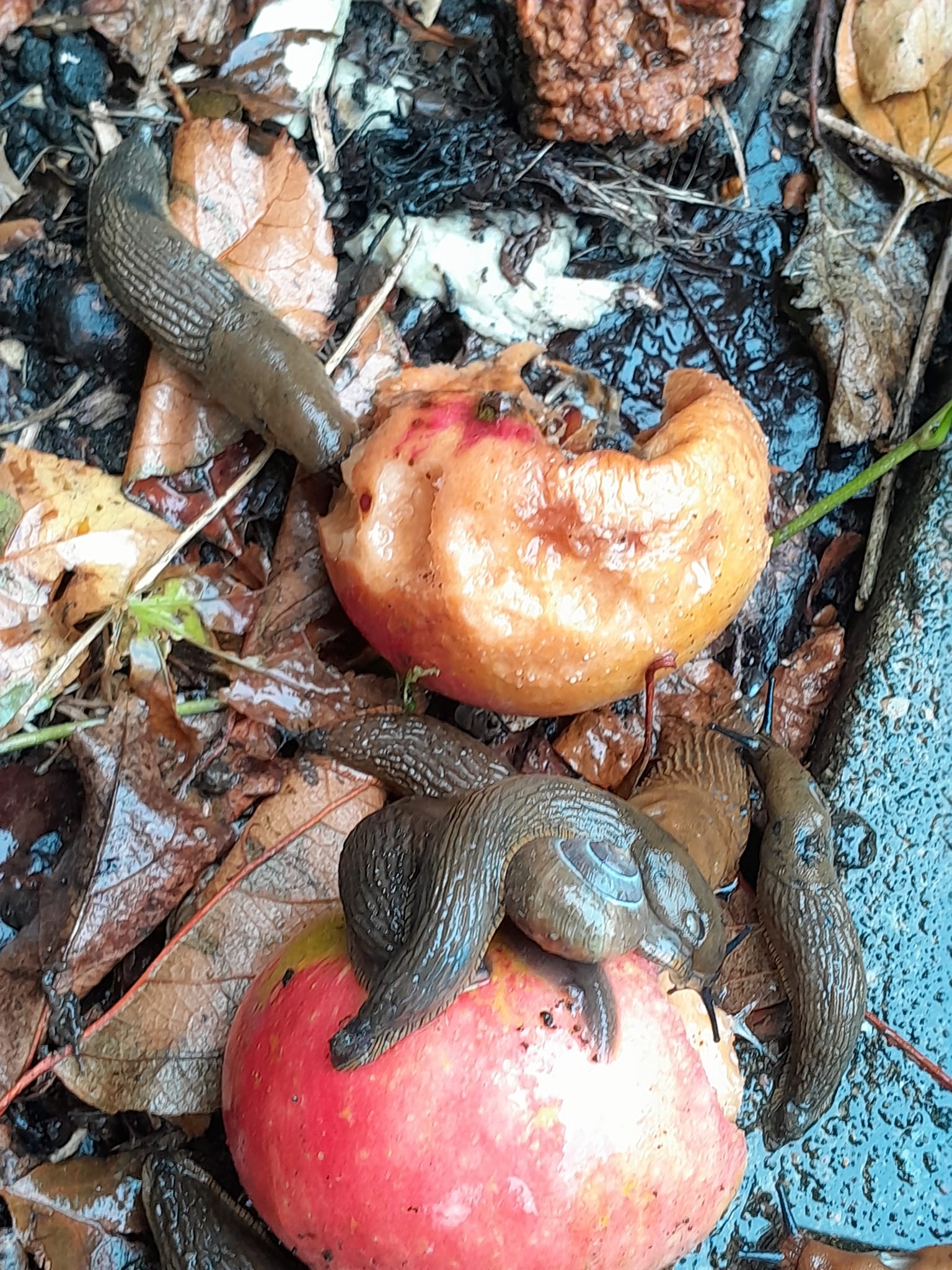
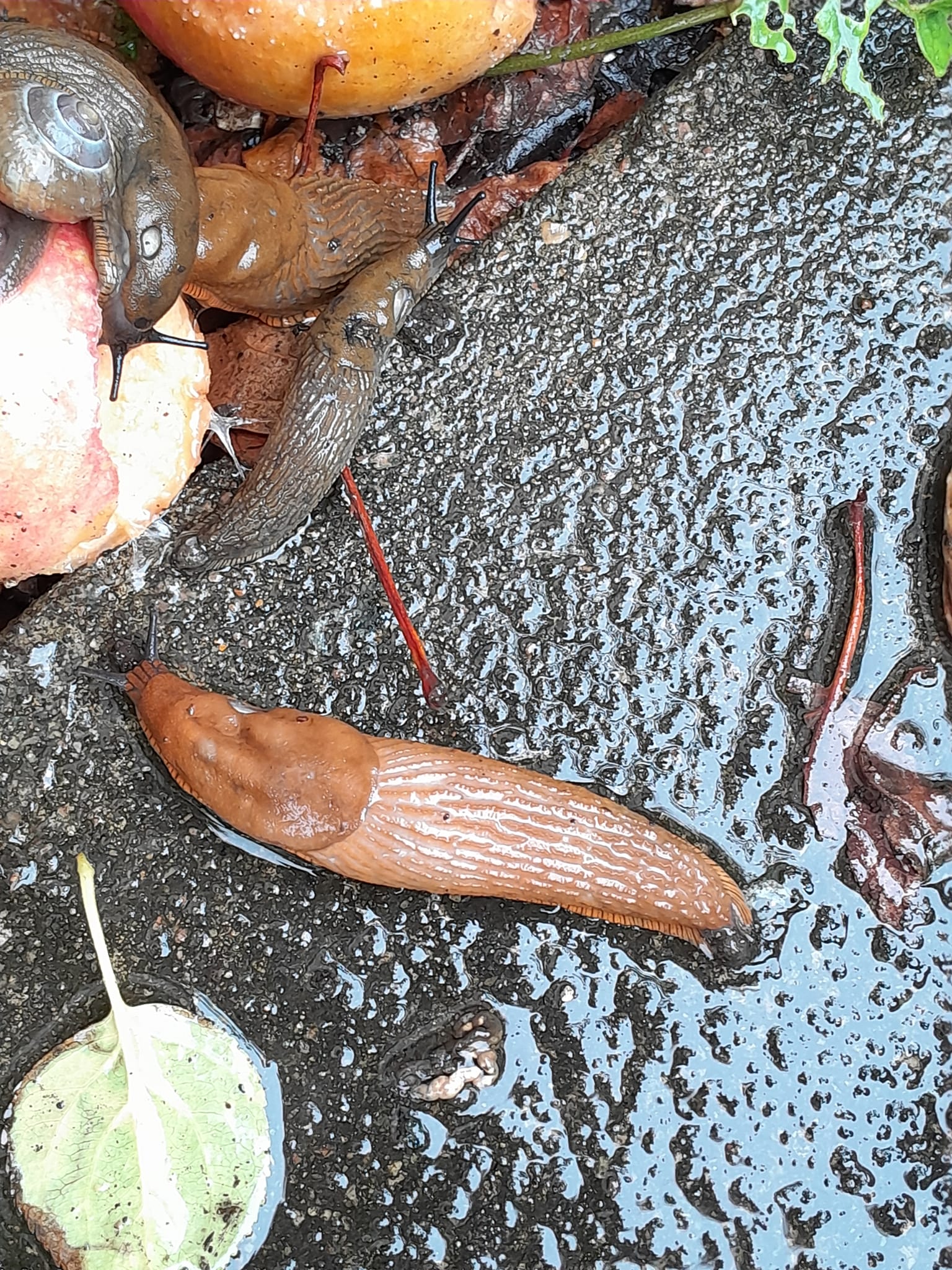
Aug 24: Slugs! (And a snail.)
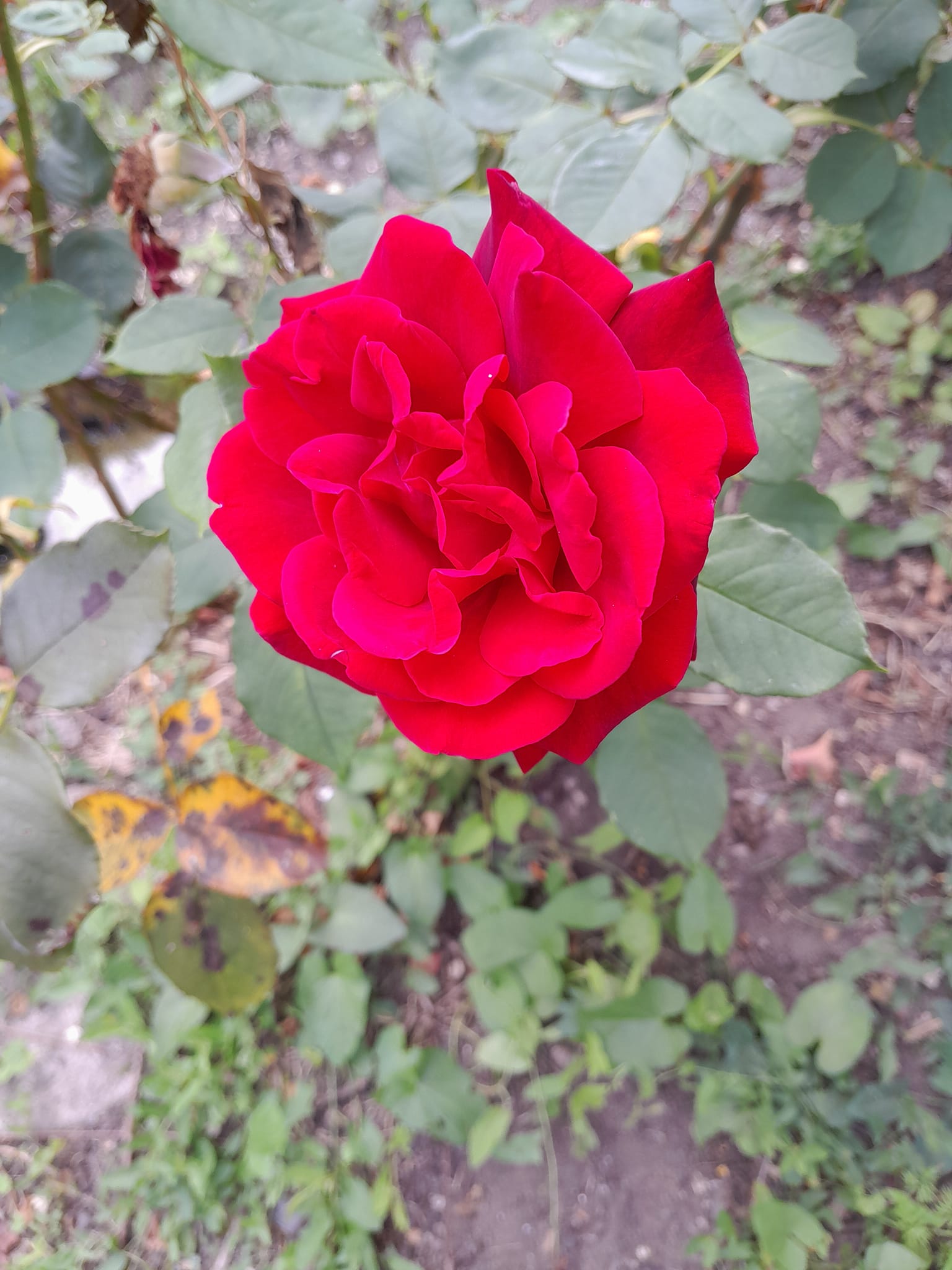
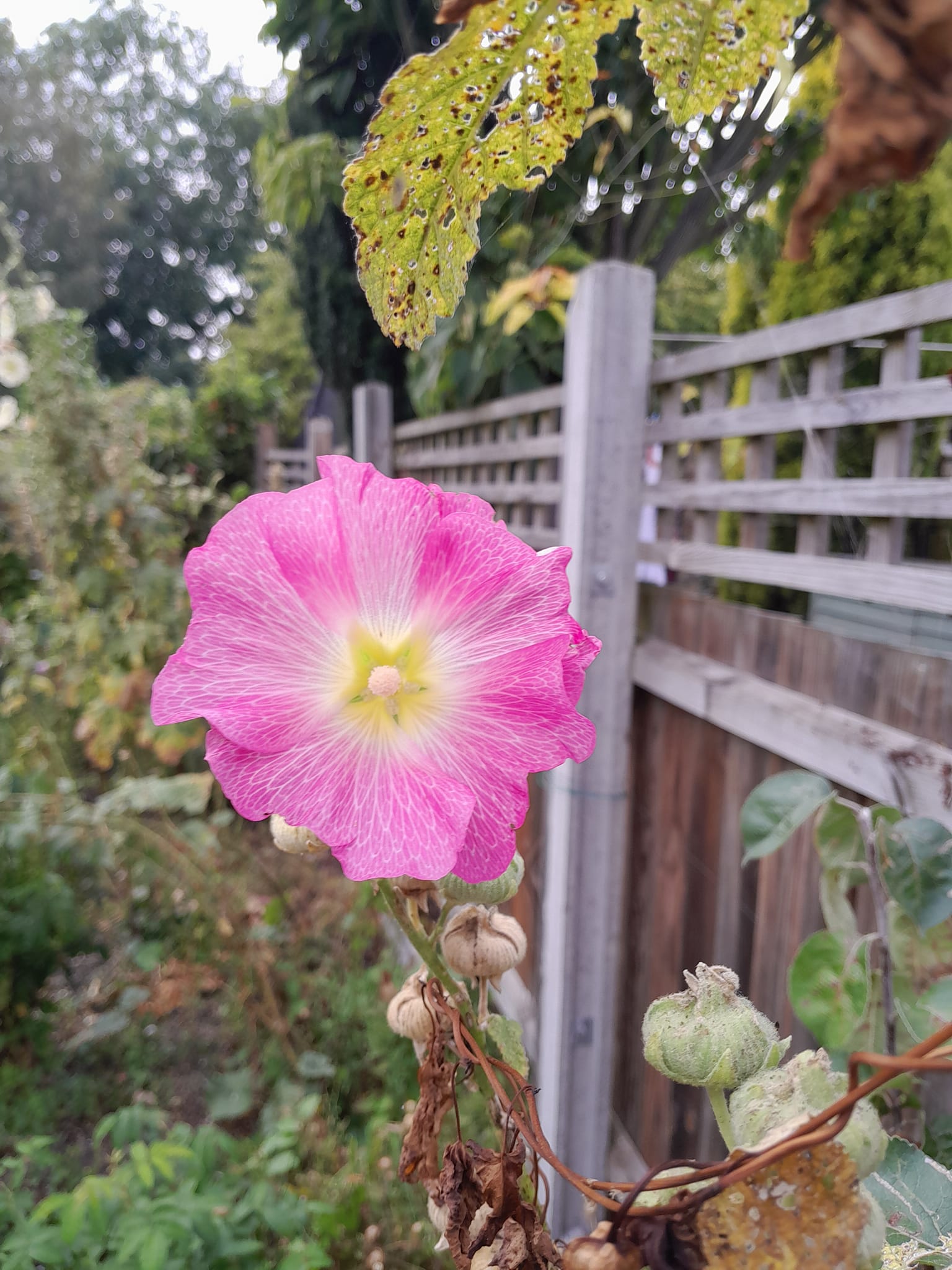
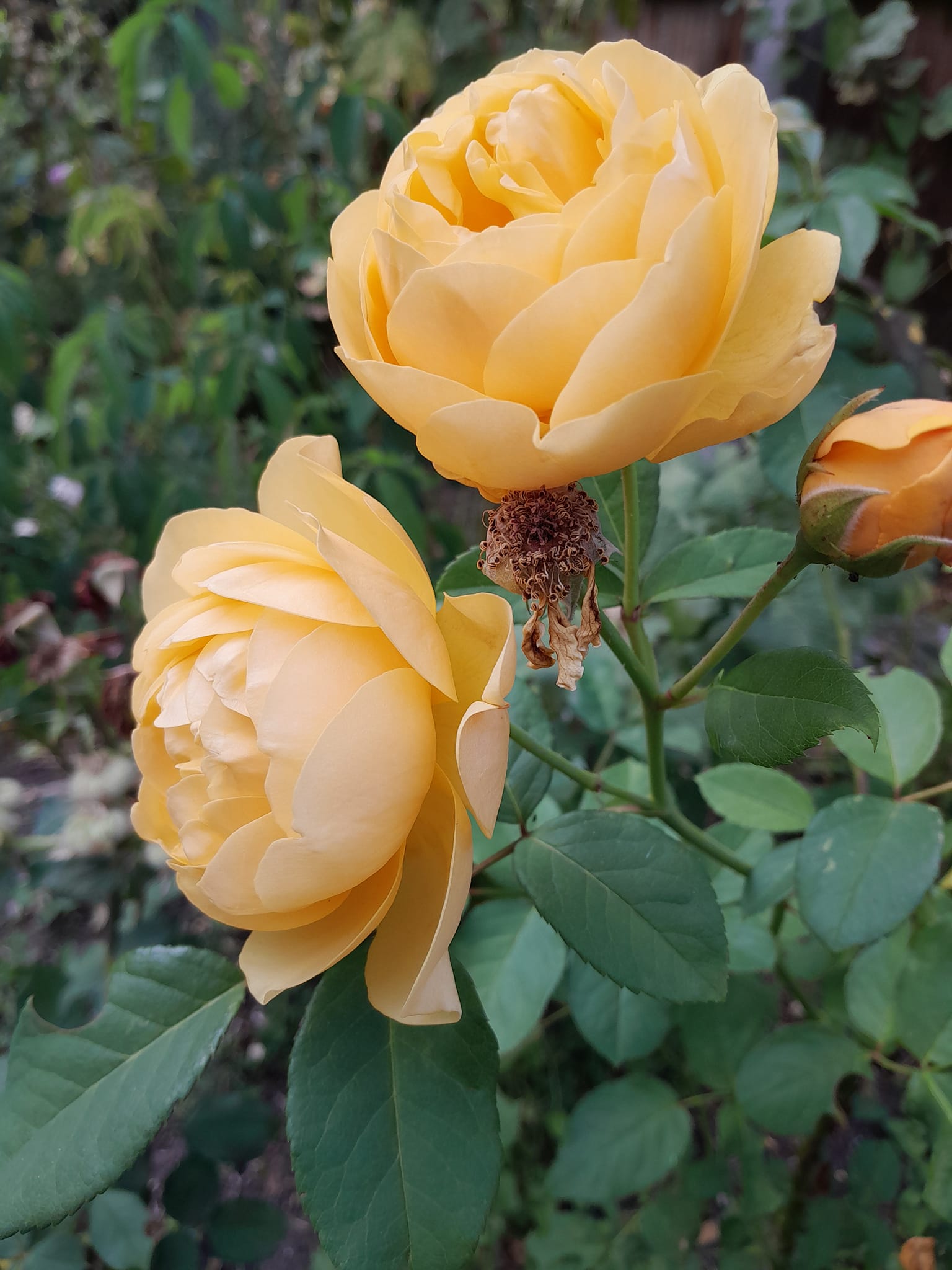
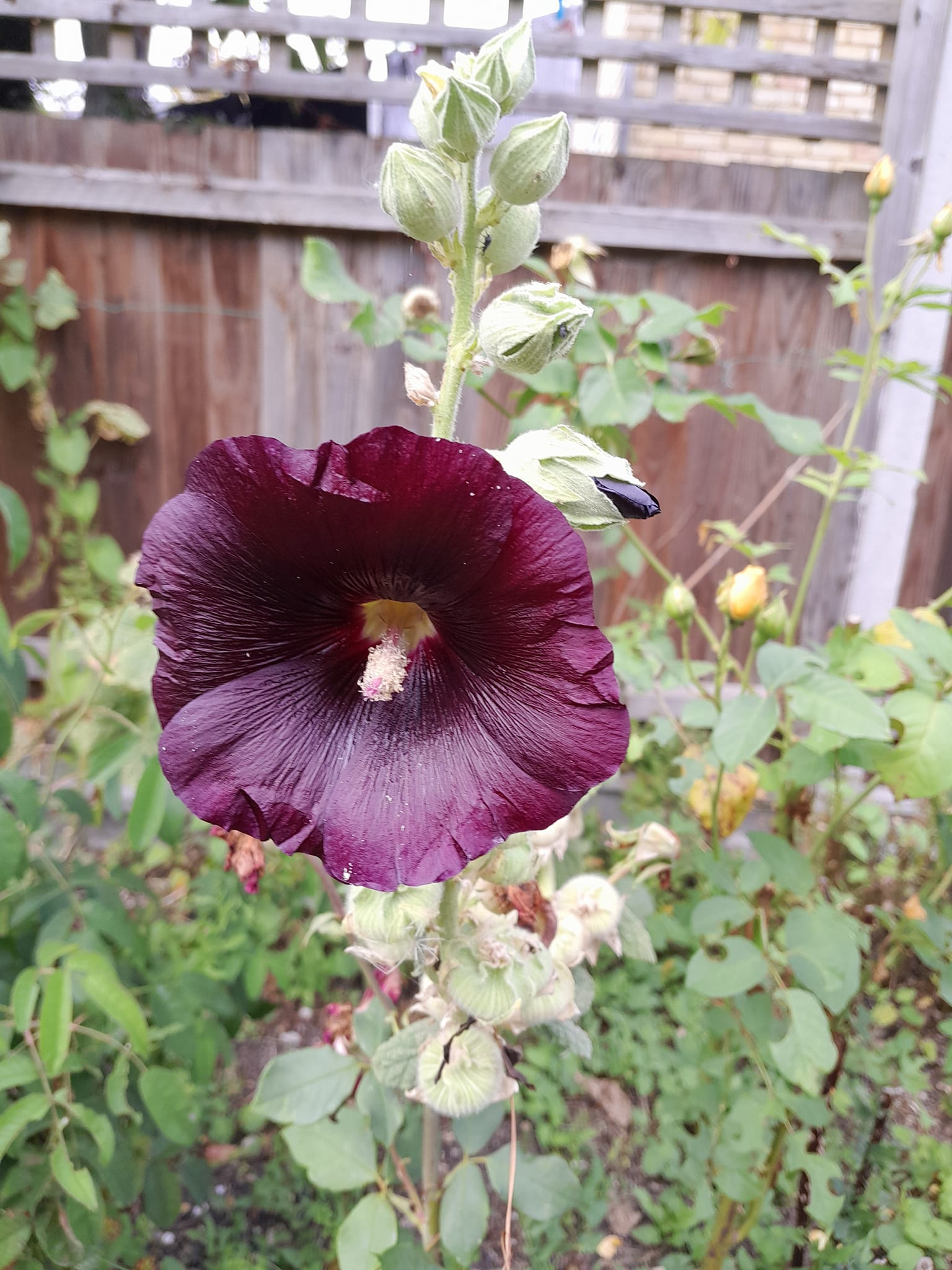
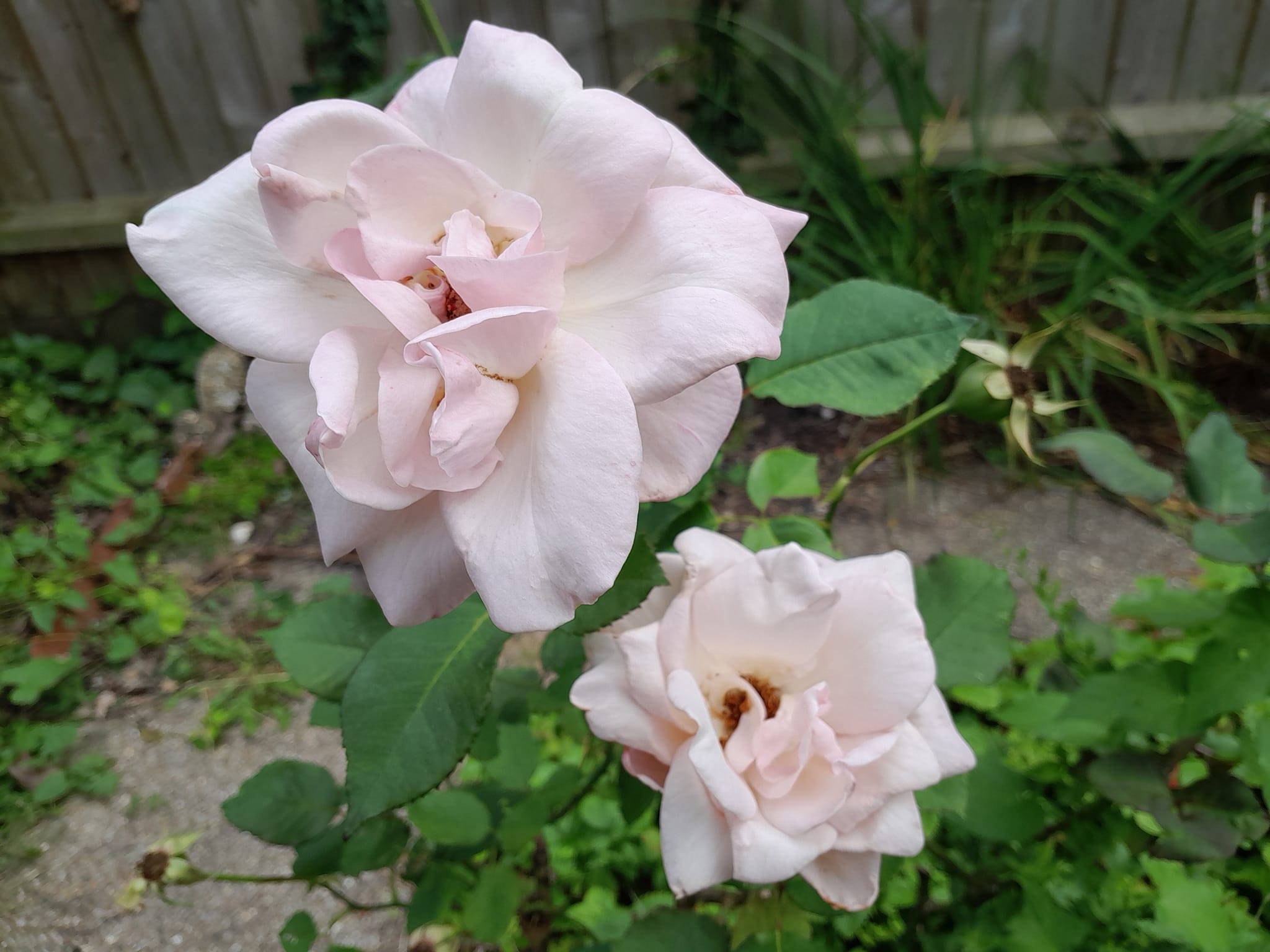
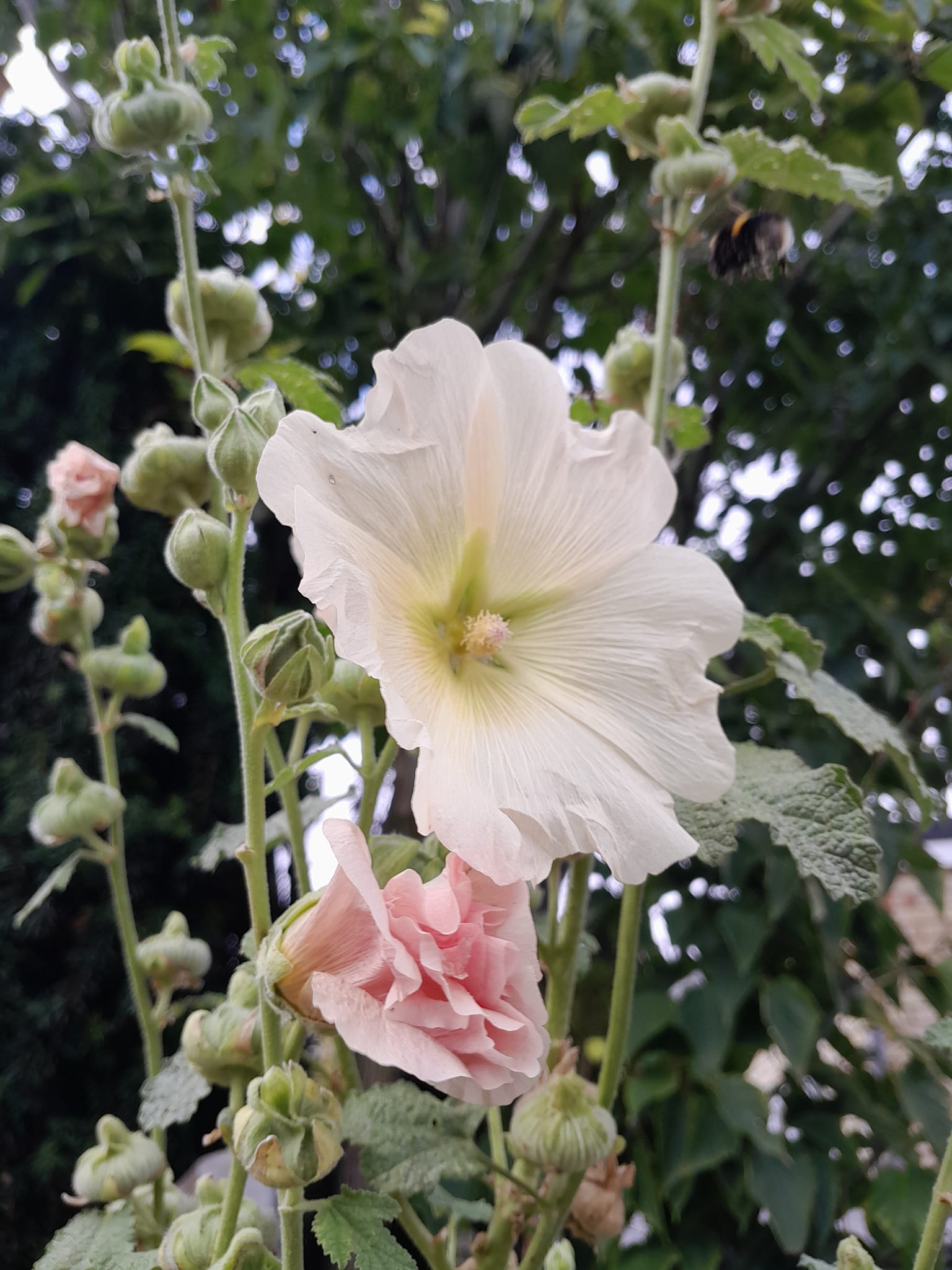
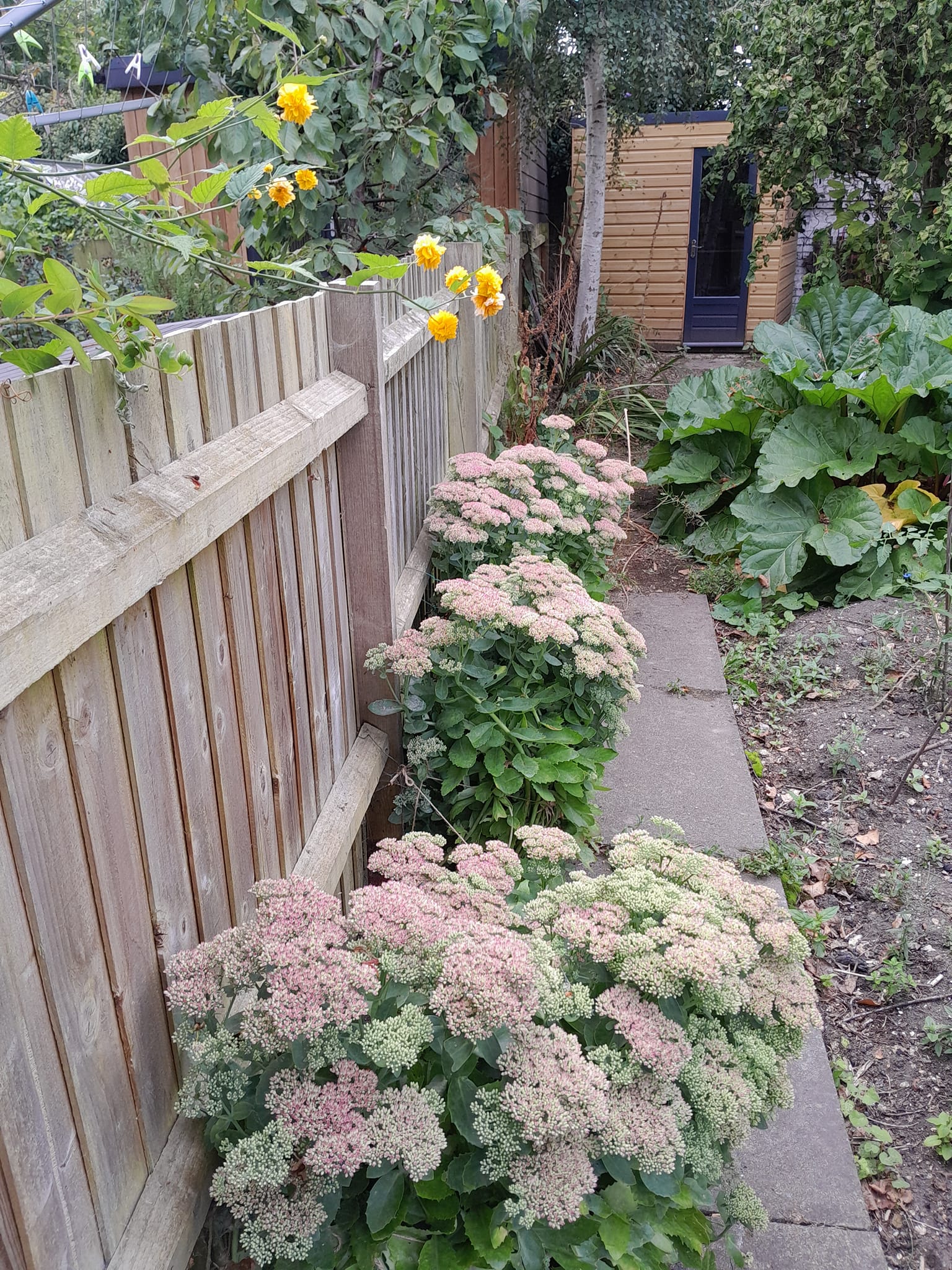
Aug 31: Roses, hollyhock and sedum.
| August | 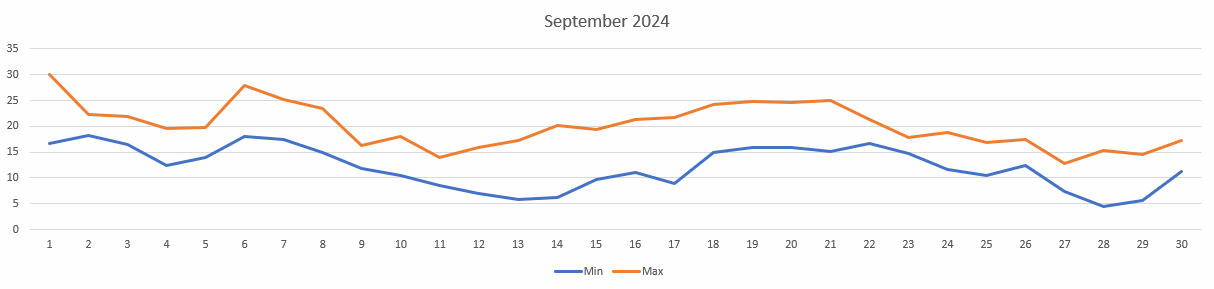 |
October |
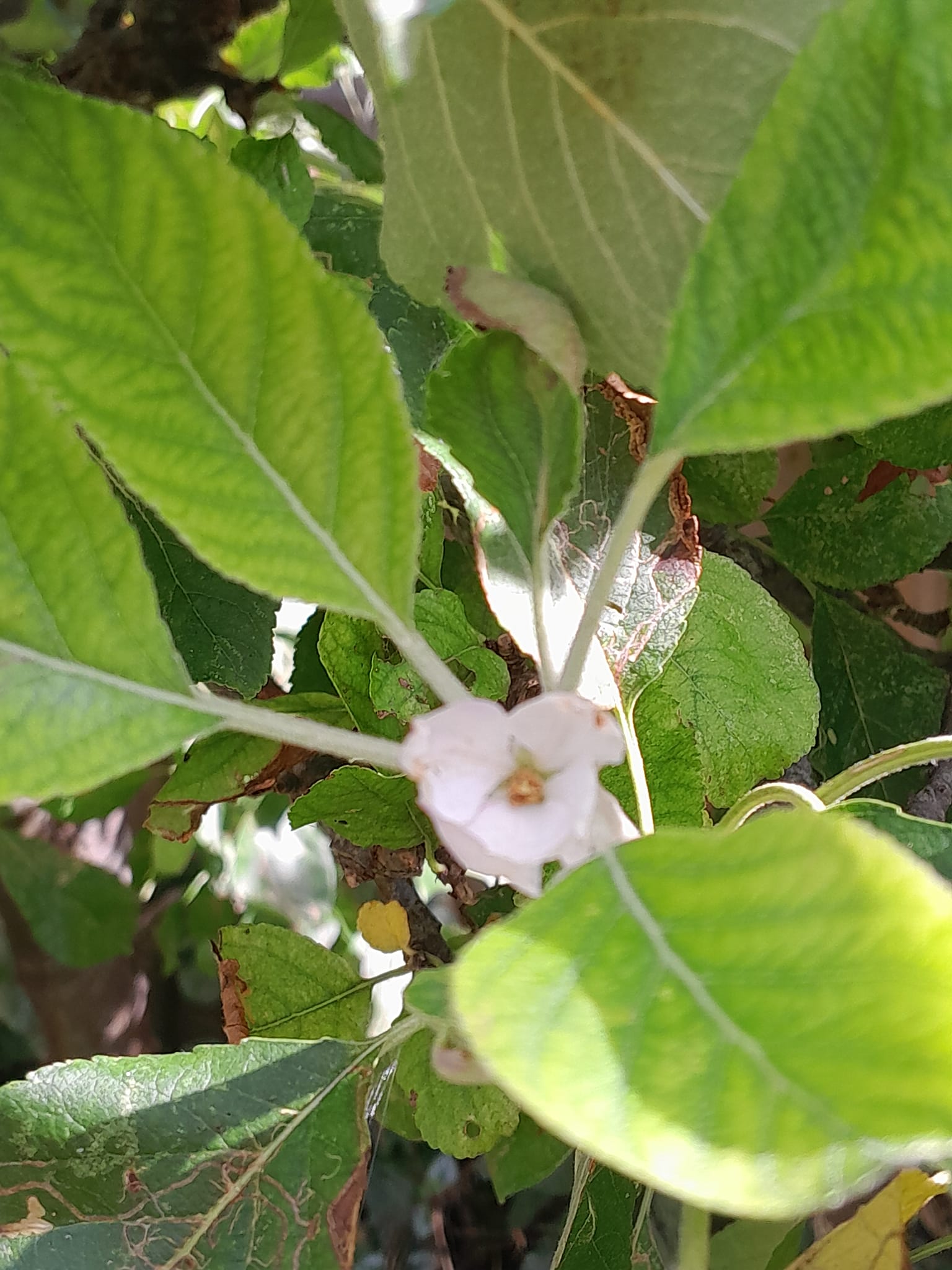
Sep 8: The family apple tree is flowering!
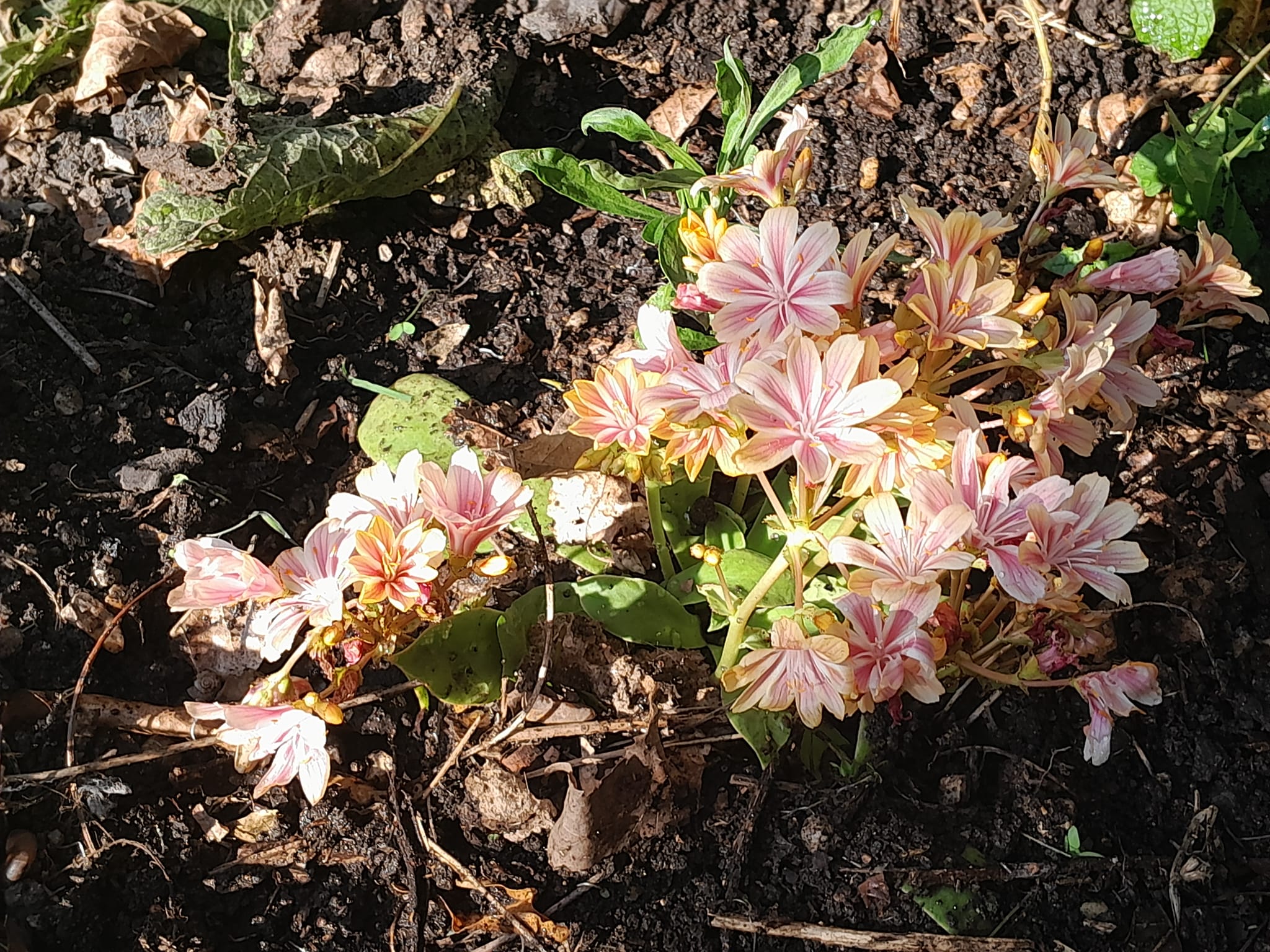
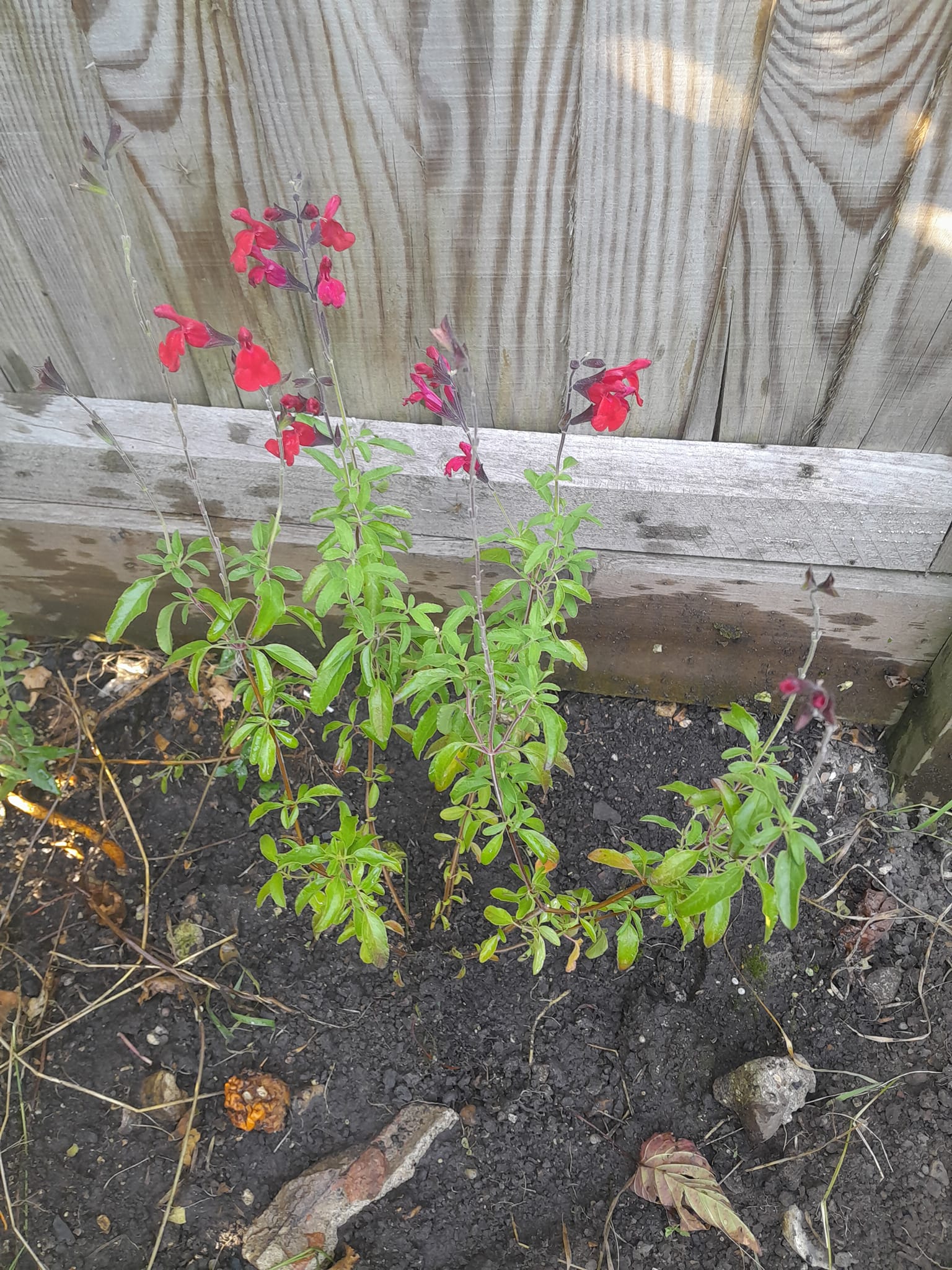
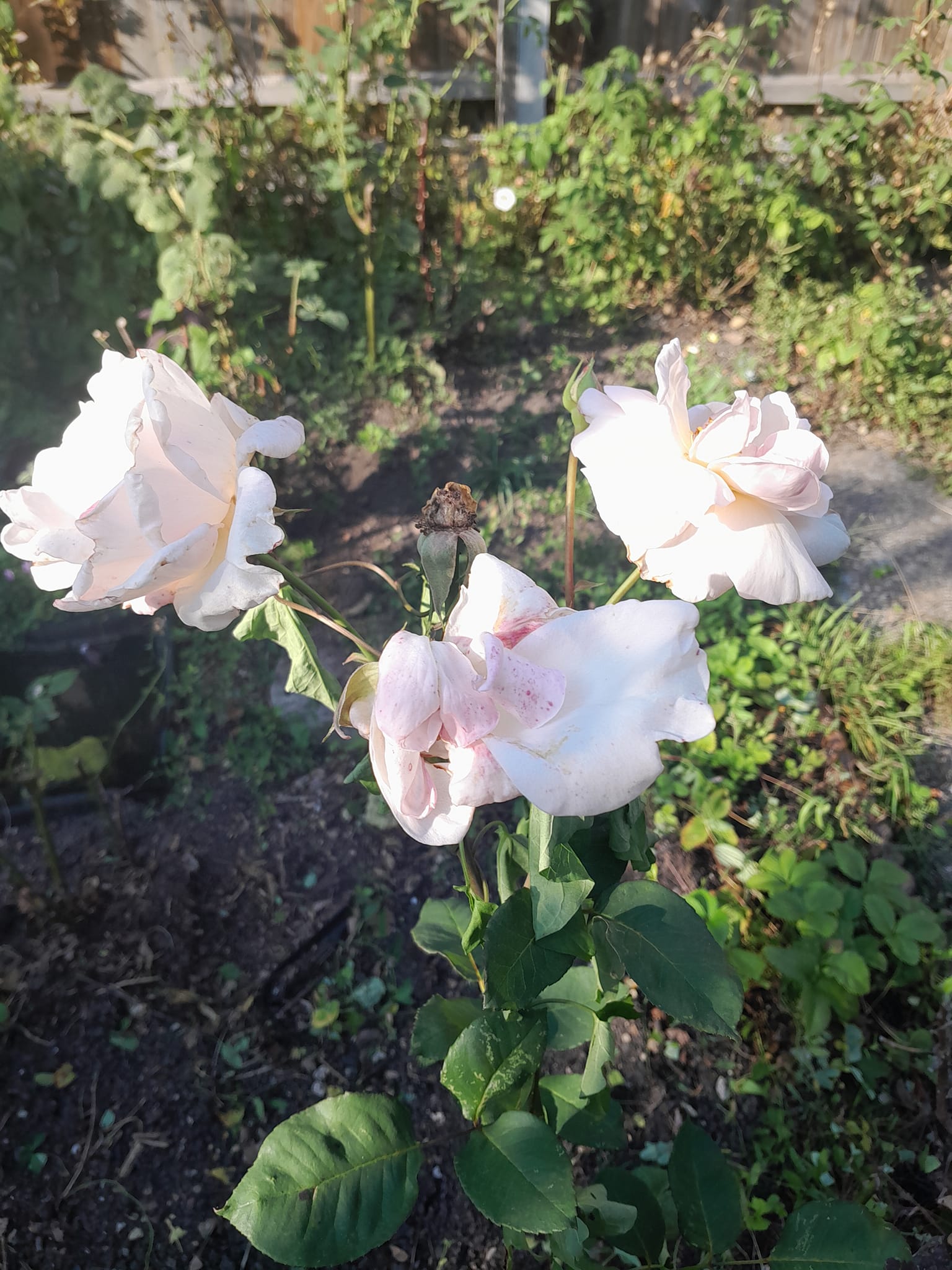
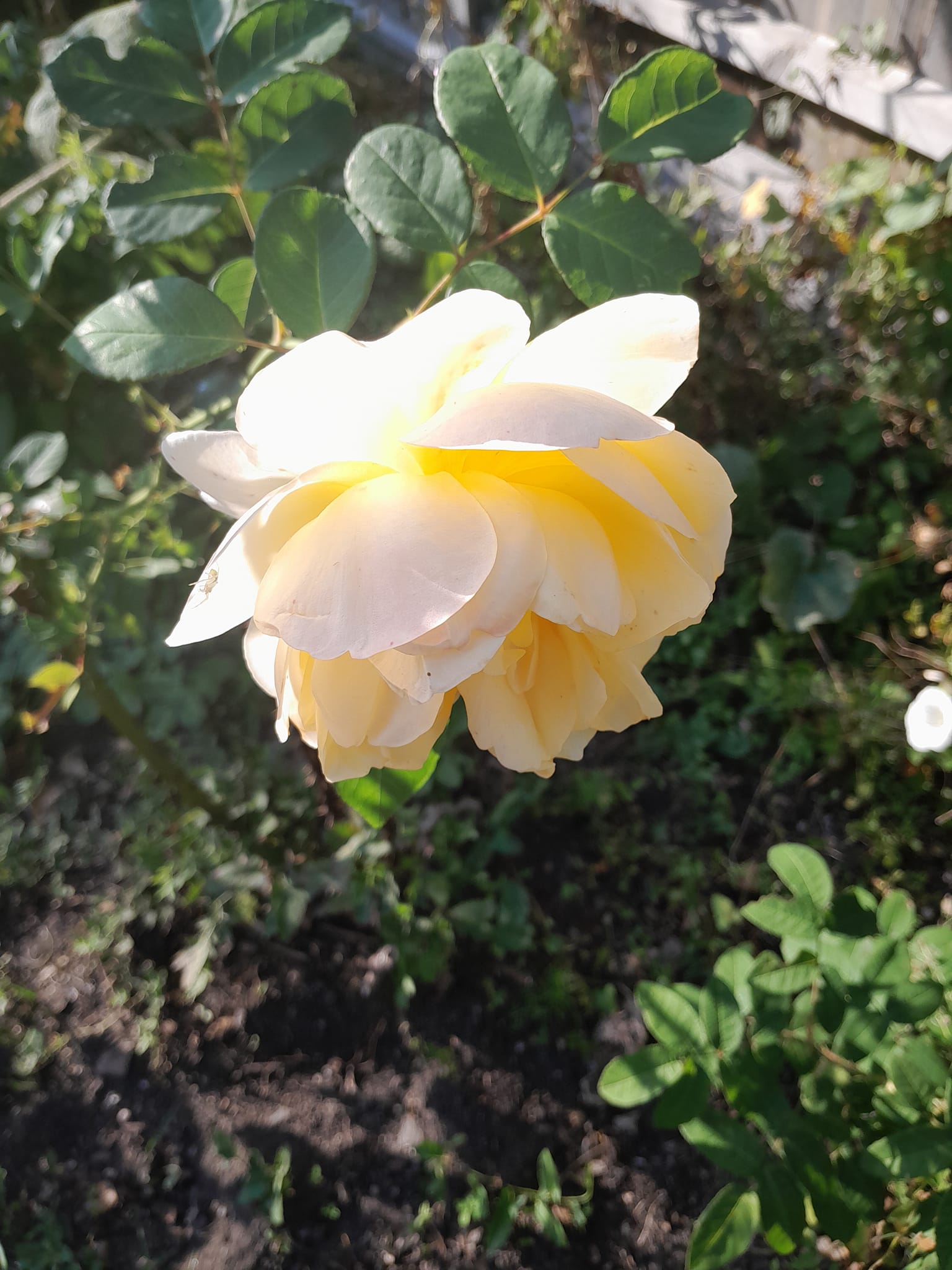
Sep 22: two plants bought at a local fair (Lewsia and Salva) and roses still flowering
| September | 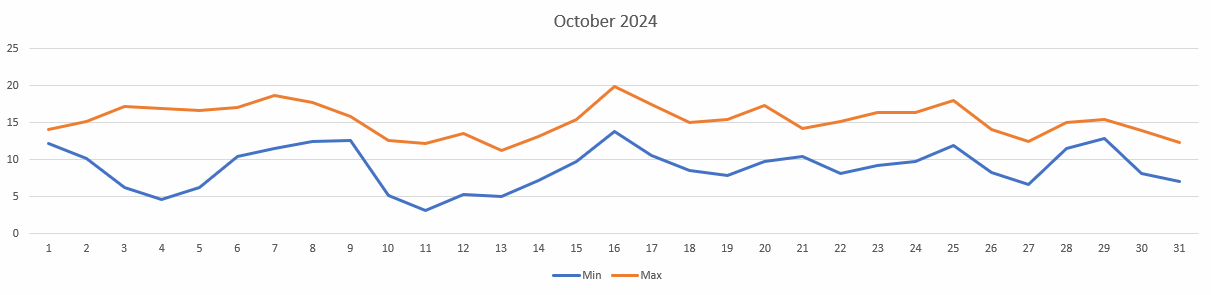 |
November |
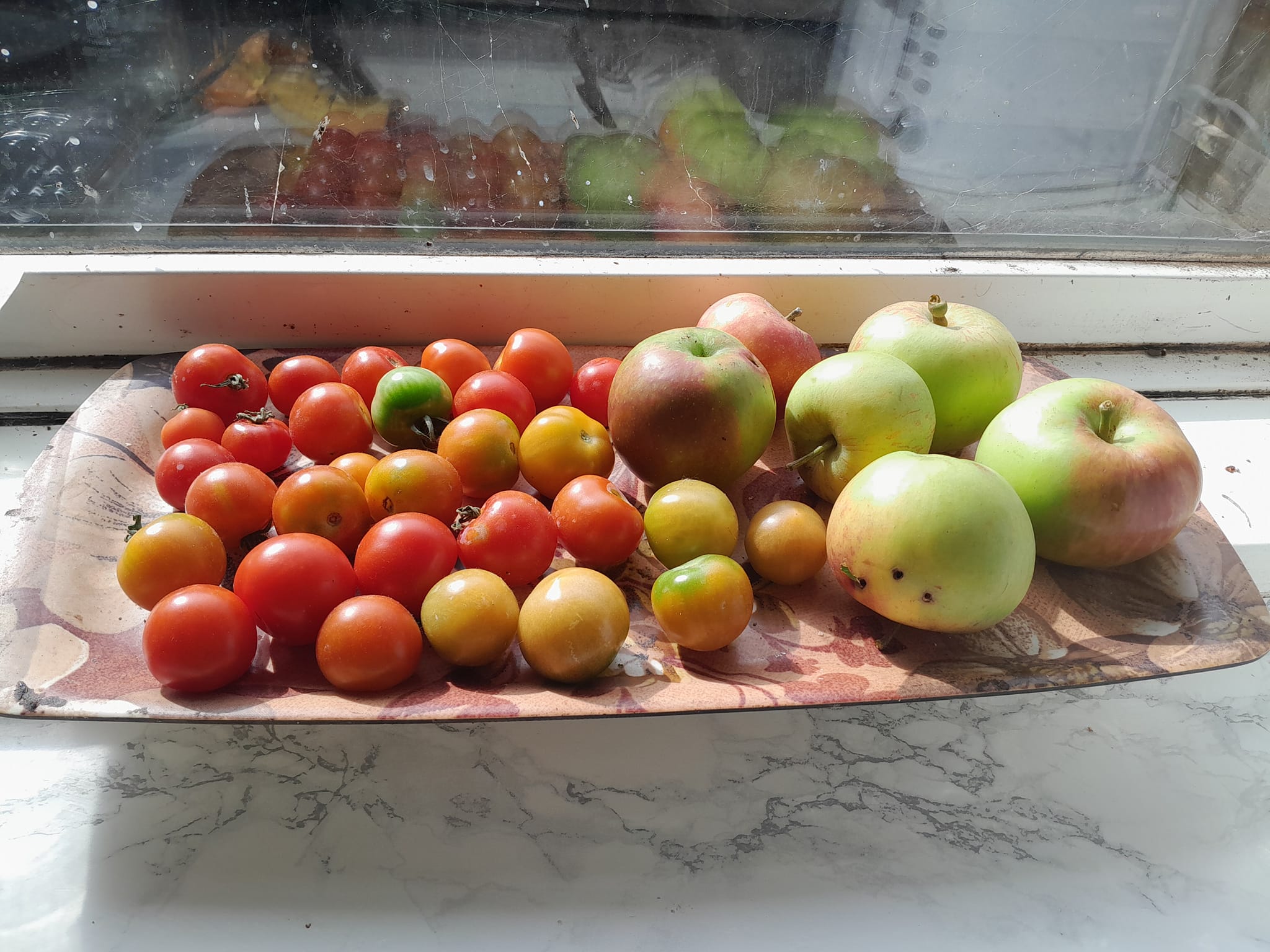
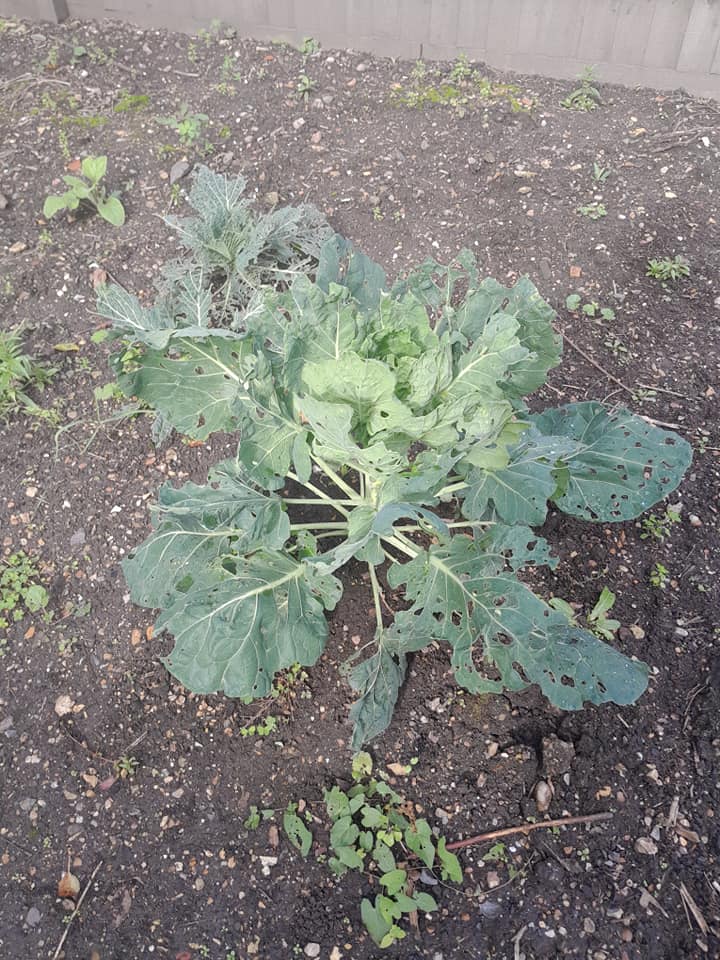
Oct 13: Apples still on ballerina apple tree. The silver birch has just starting turning colour. One brussel sprout plant has survived!
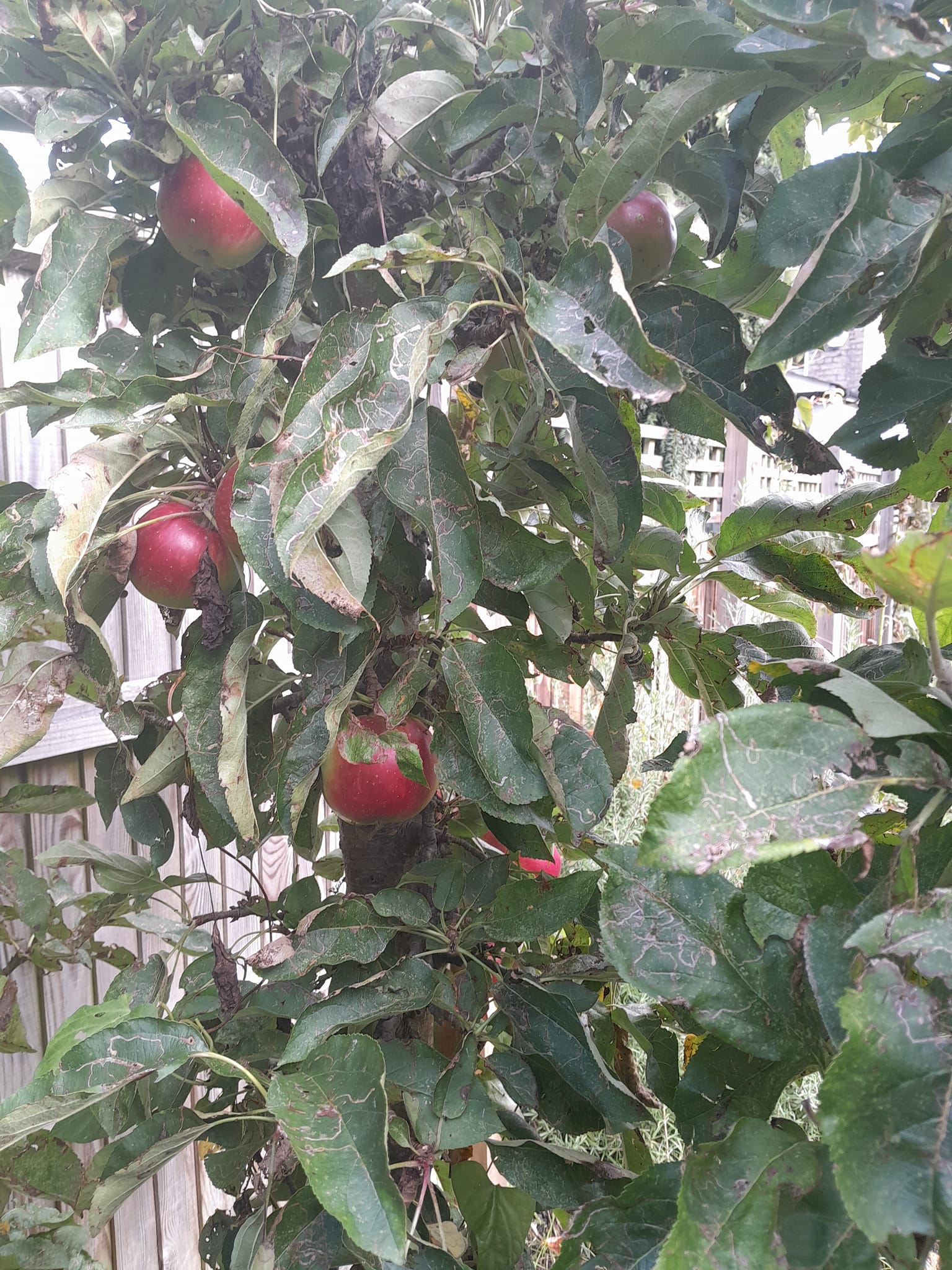
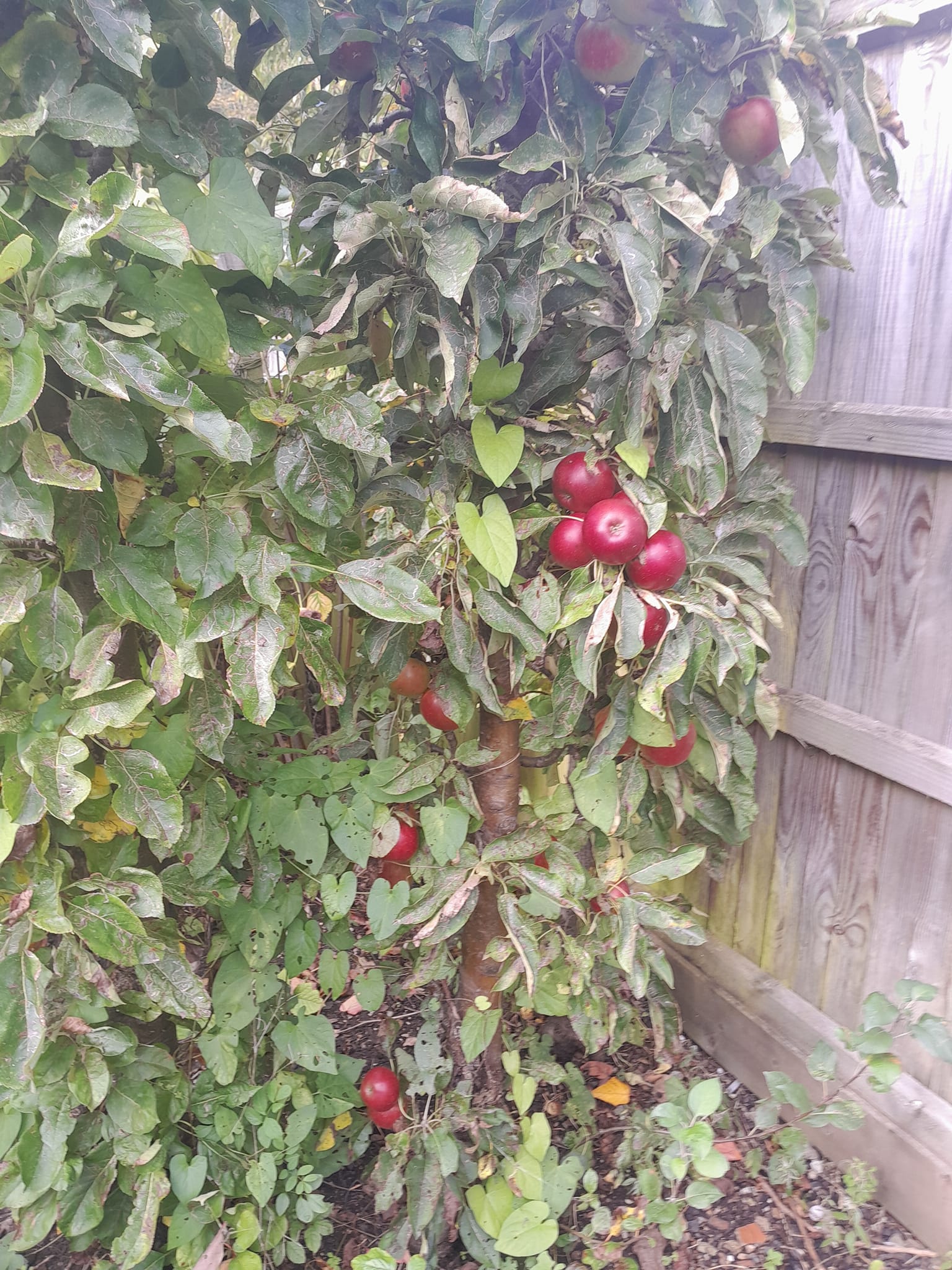
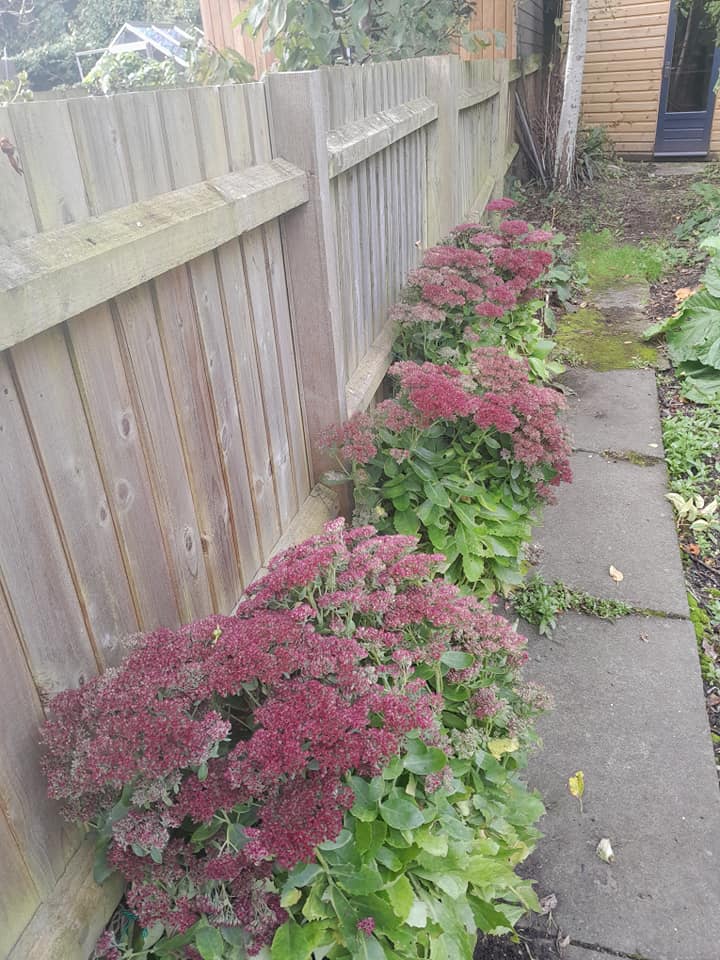
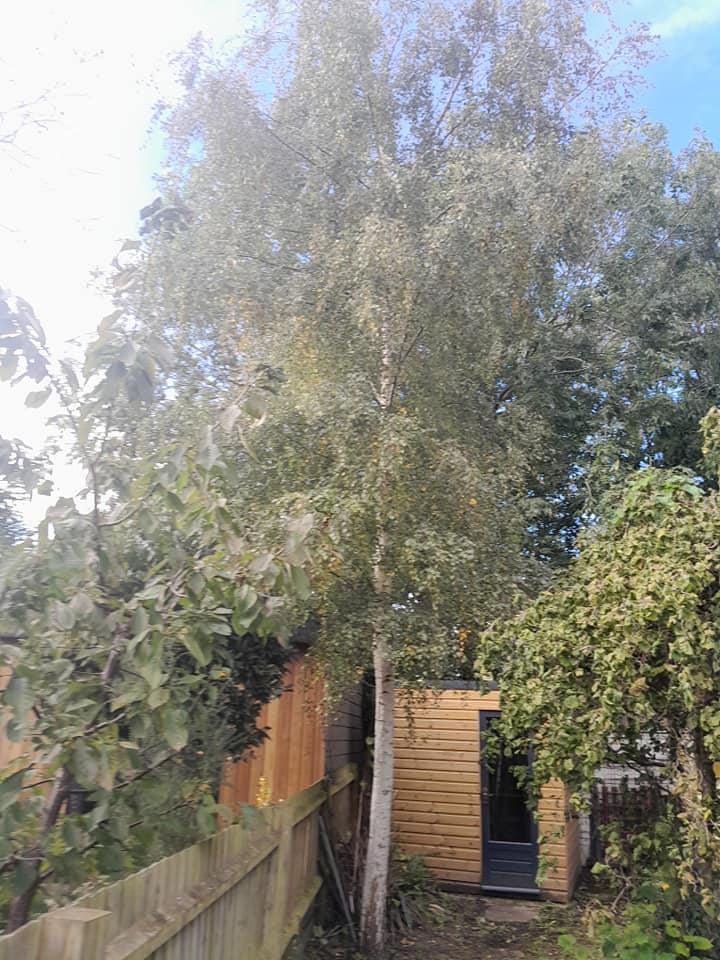
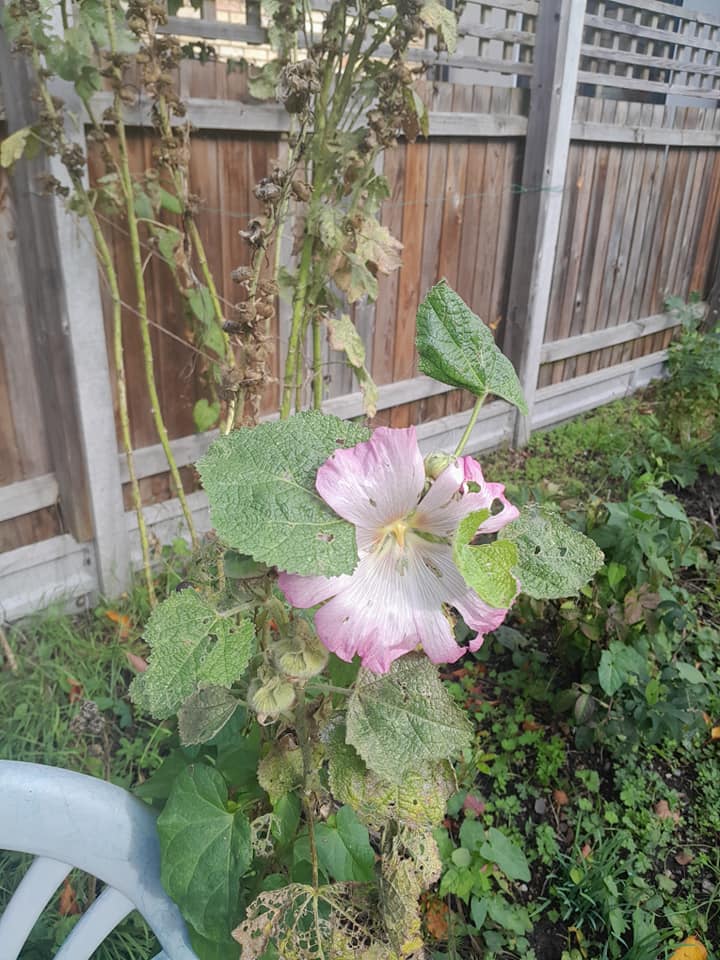

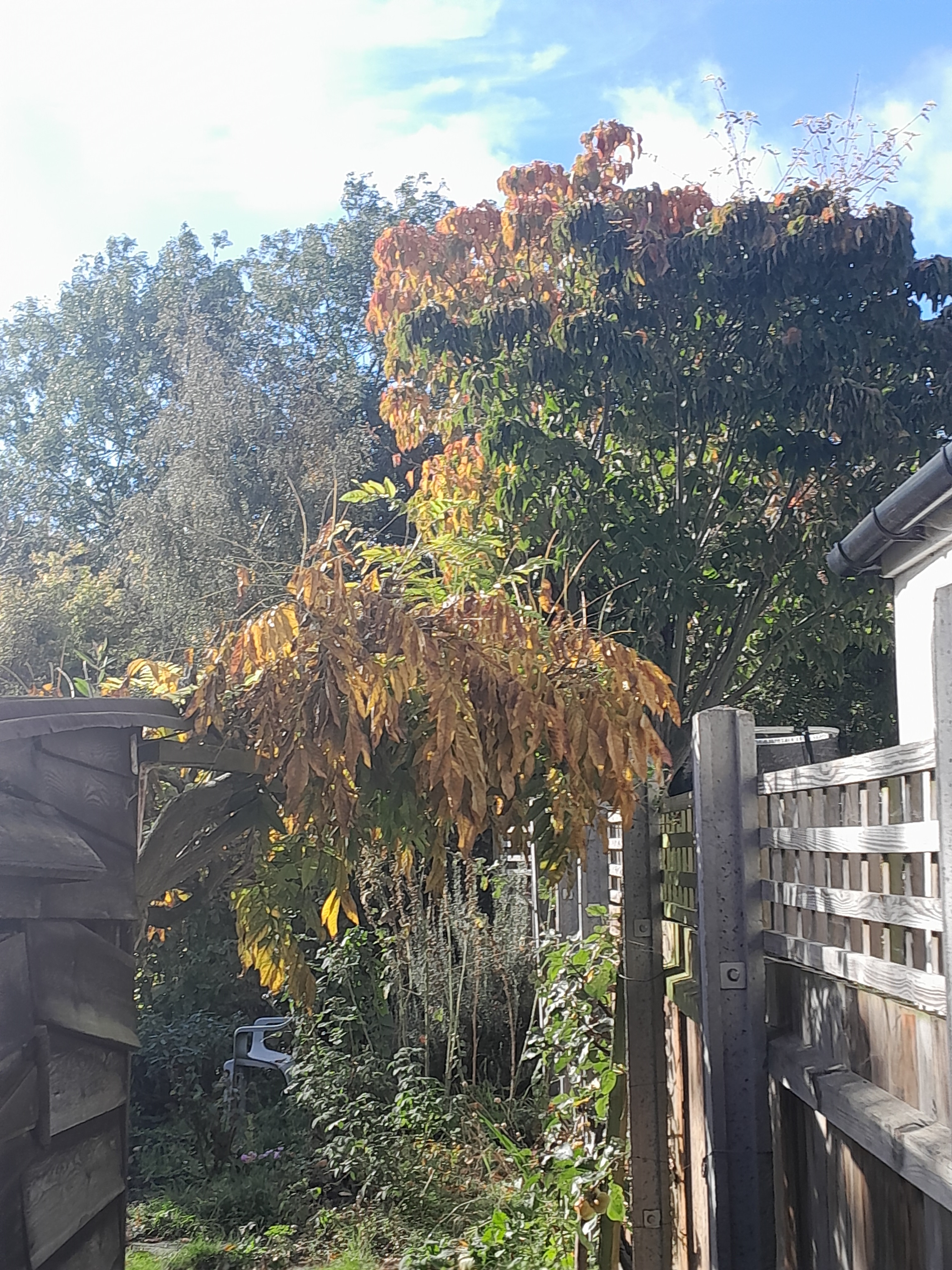
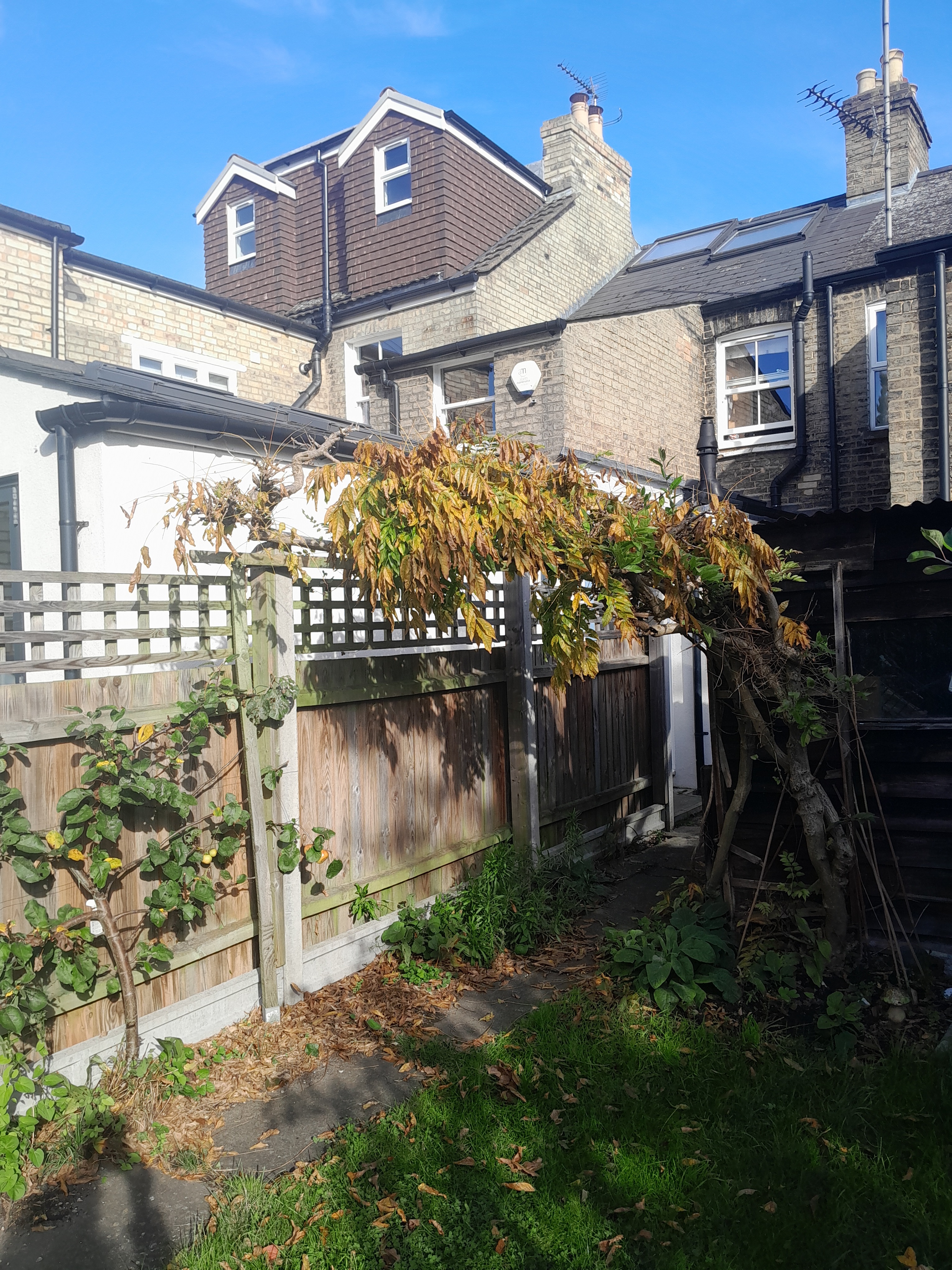
Oct 19: Autumn colour:
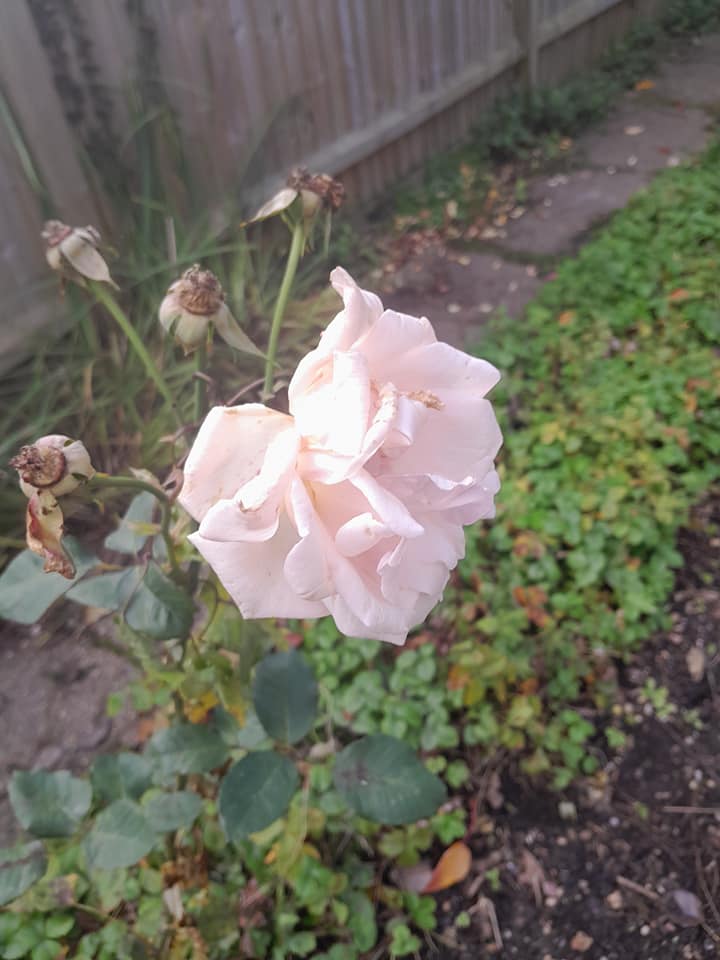
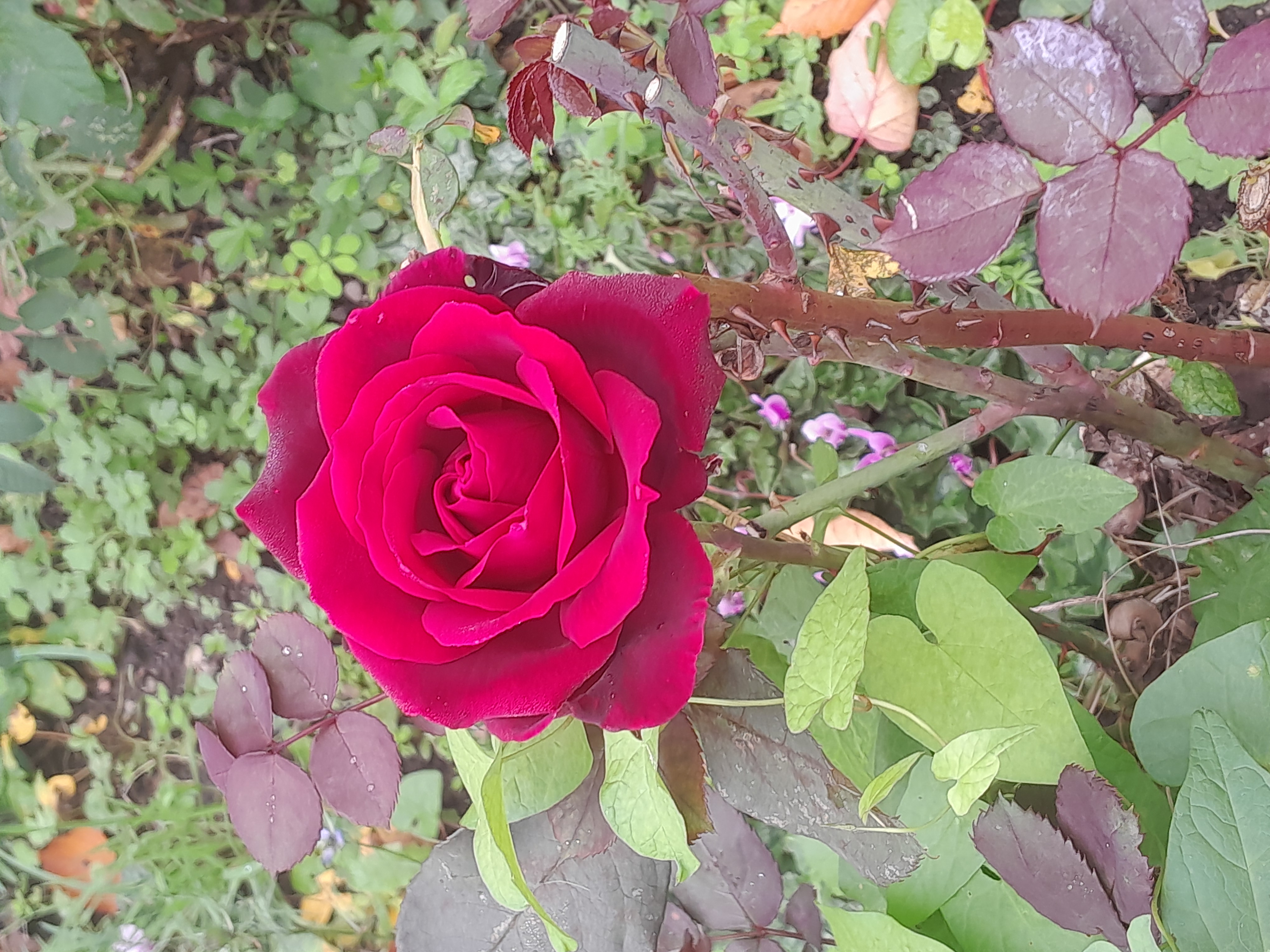
Oct 22: A late rose:
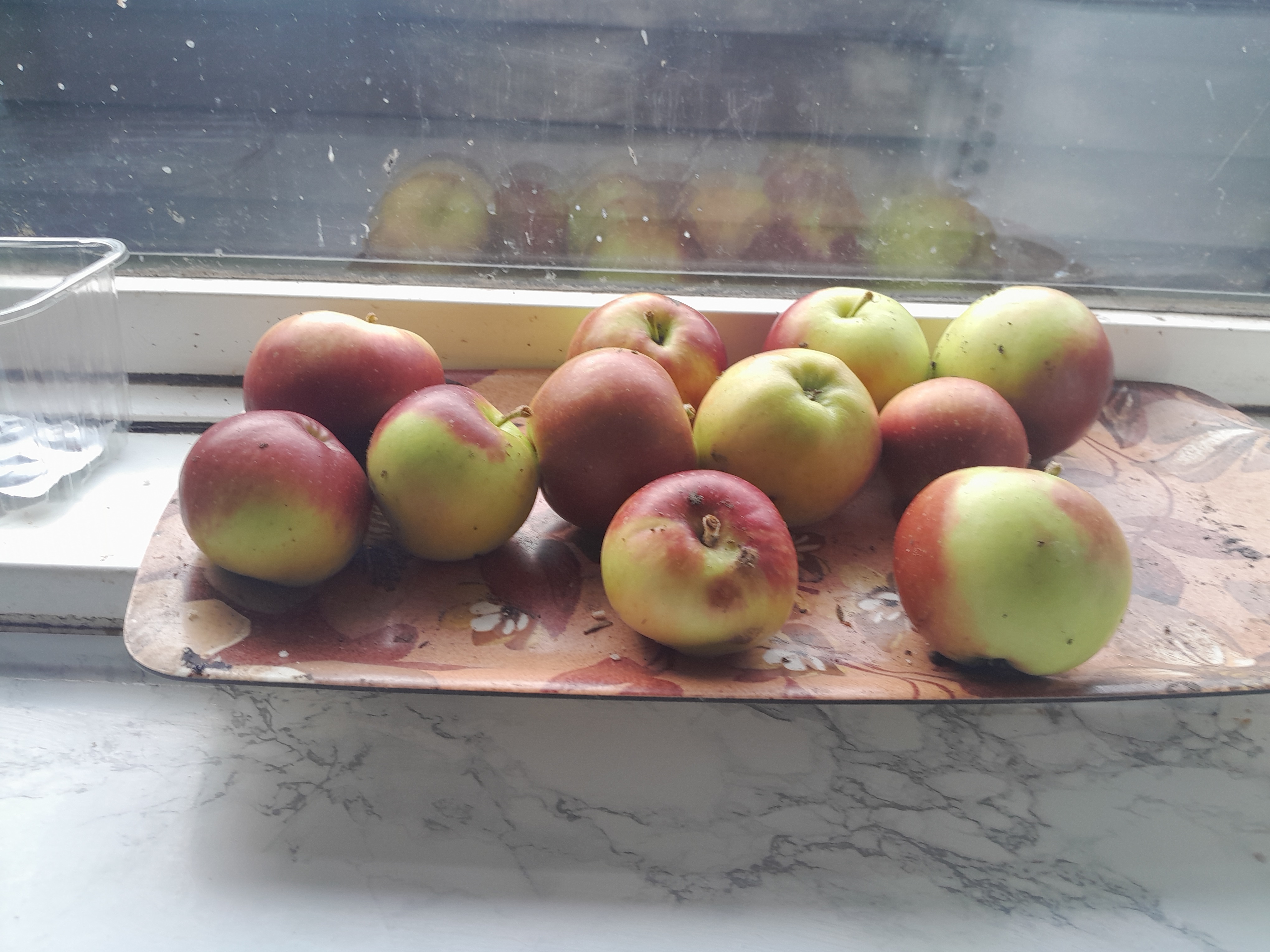
Oct 23: Apples still falling from the tree:
| October |  |
December |
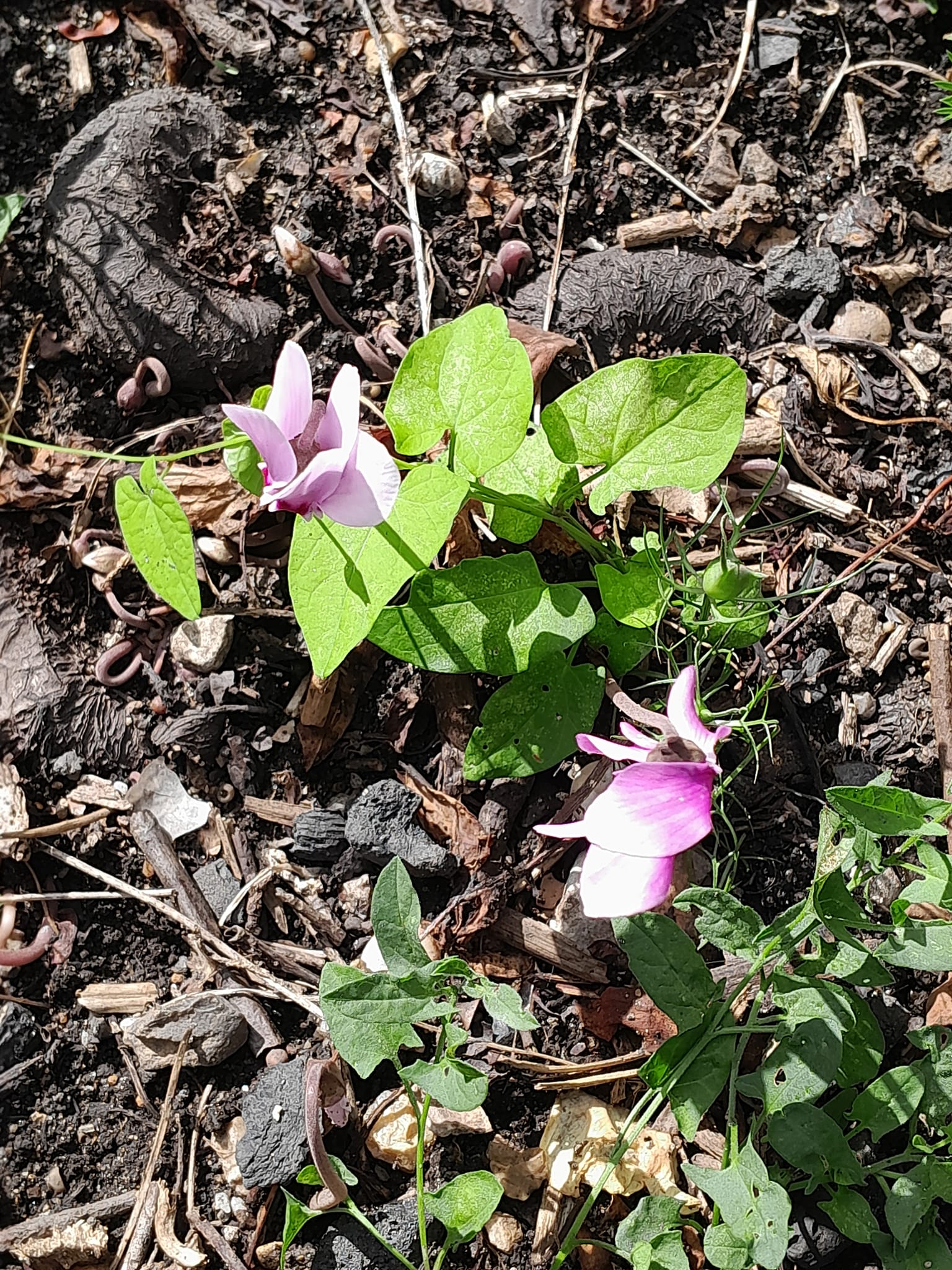
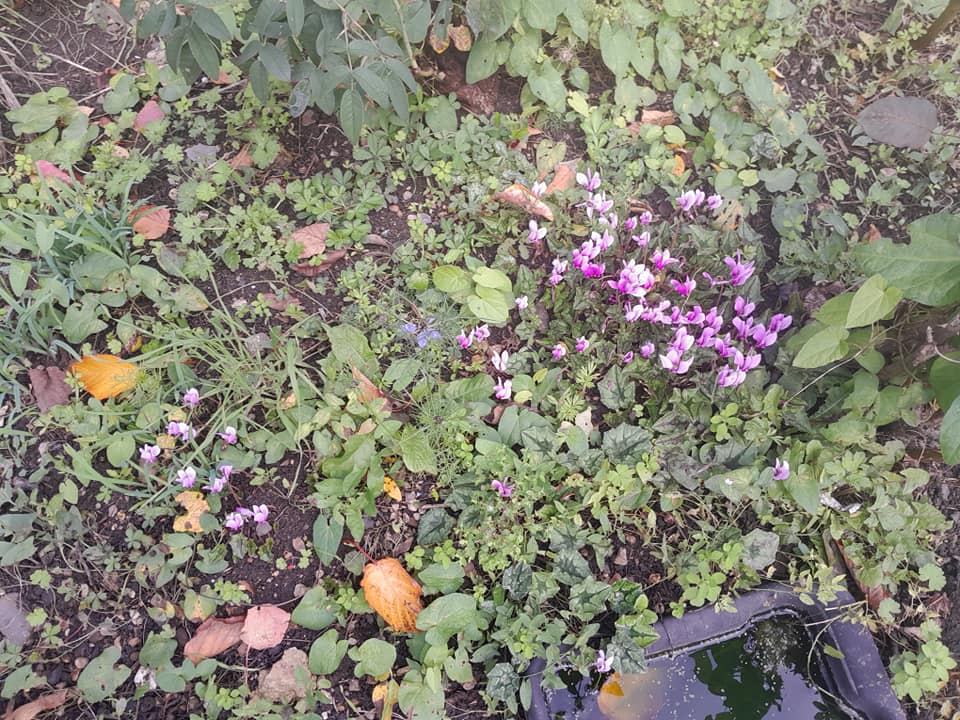
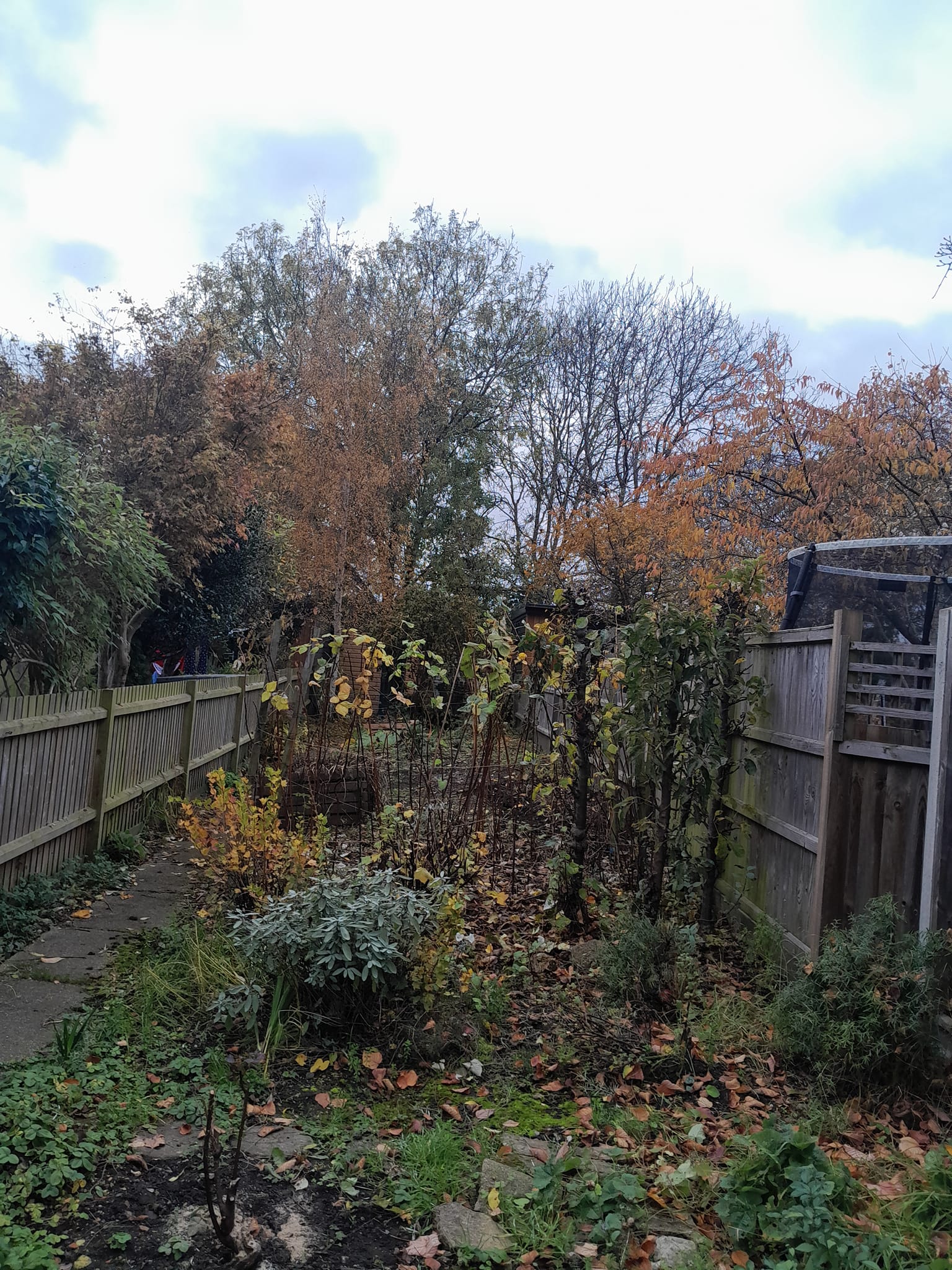
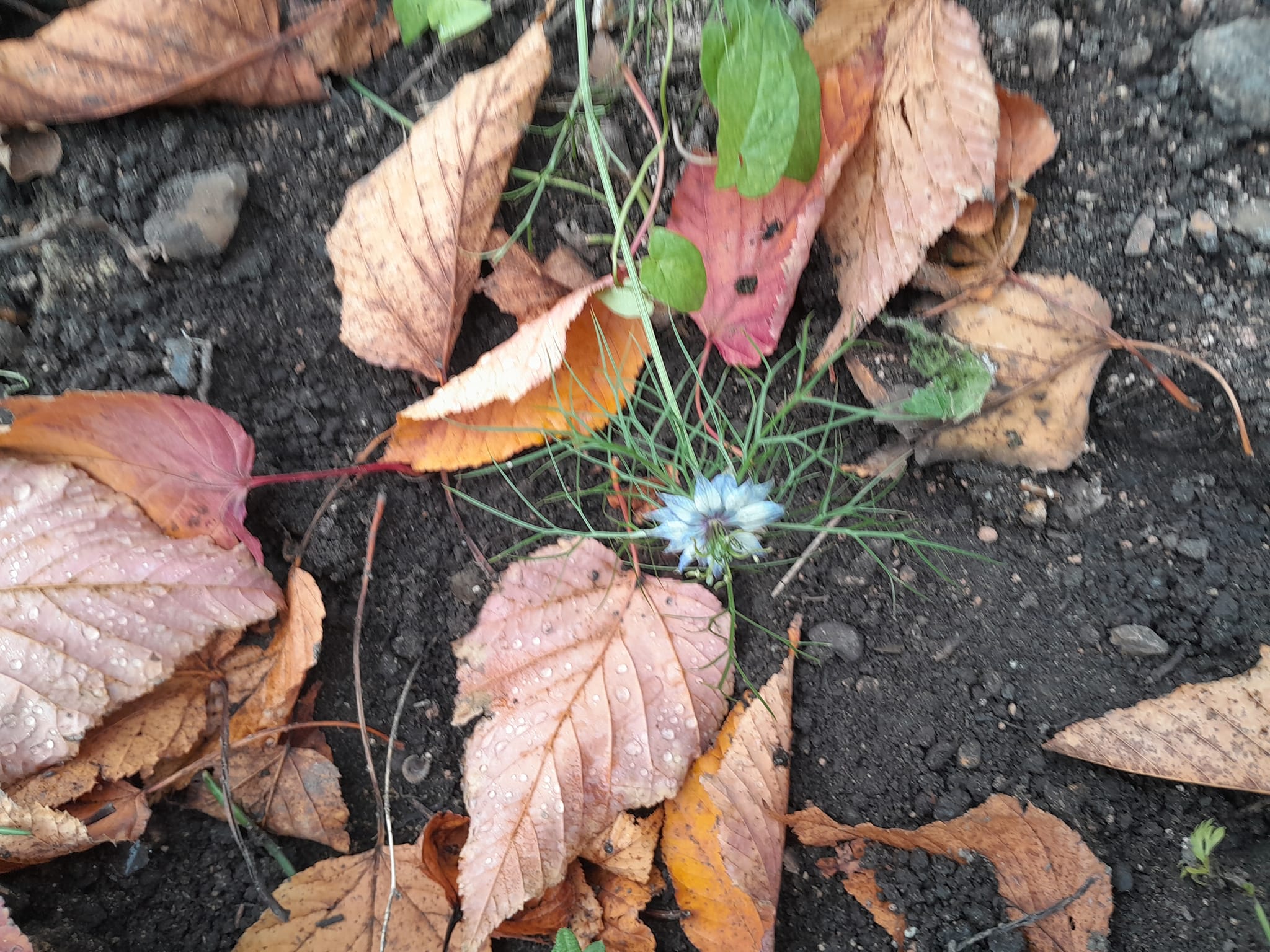
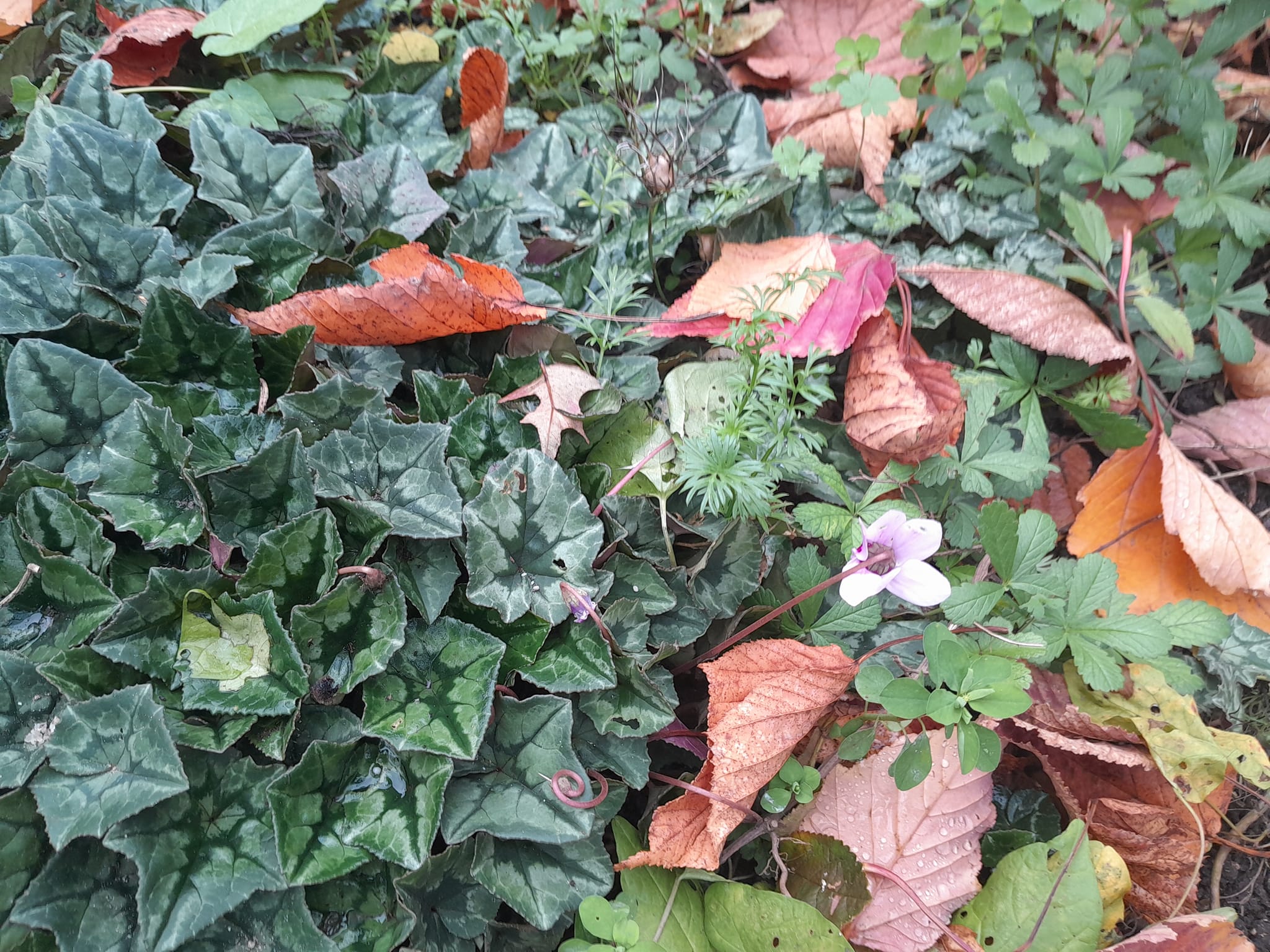
Nov 17: A little autumn colour, plus a cyclamen, and love-in-a-mist (?):
| November |  |

- January - February - March - April - May - June - July - August - September - October - November - December - Temperatures for year -
© Jo Edkins 2024 - Return to Garden index